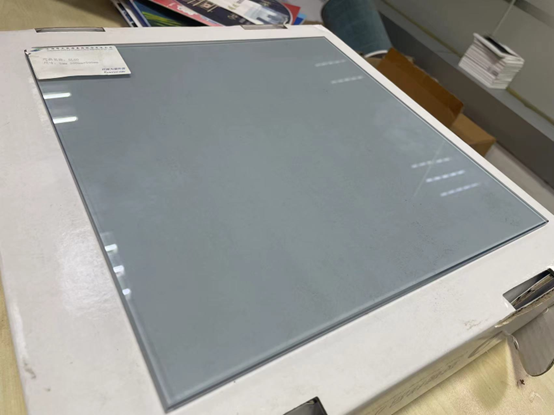
custom special glass
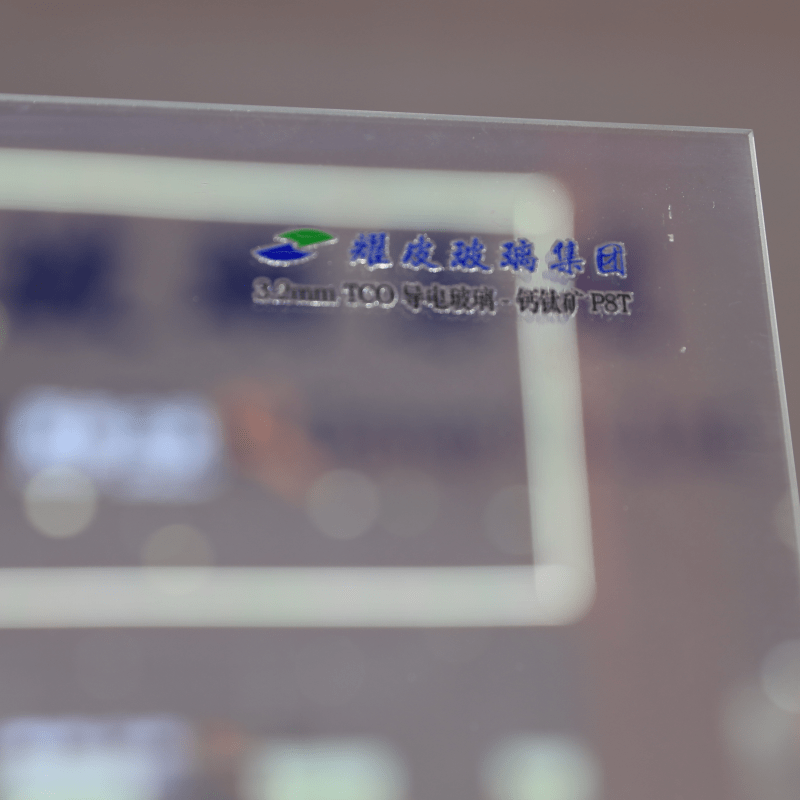
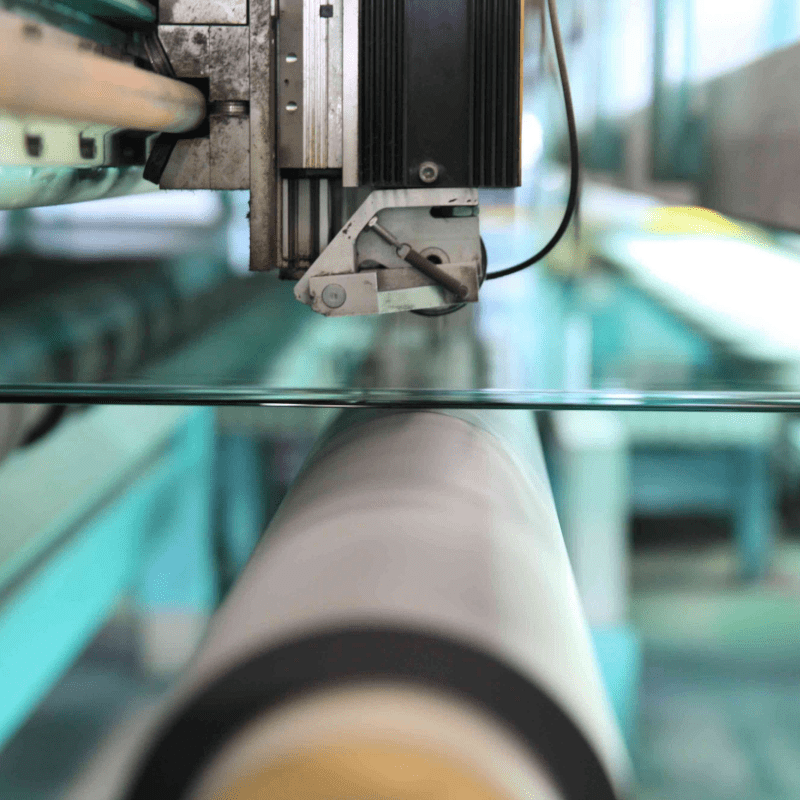
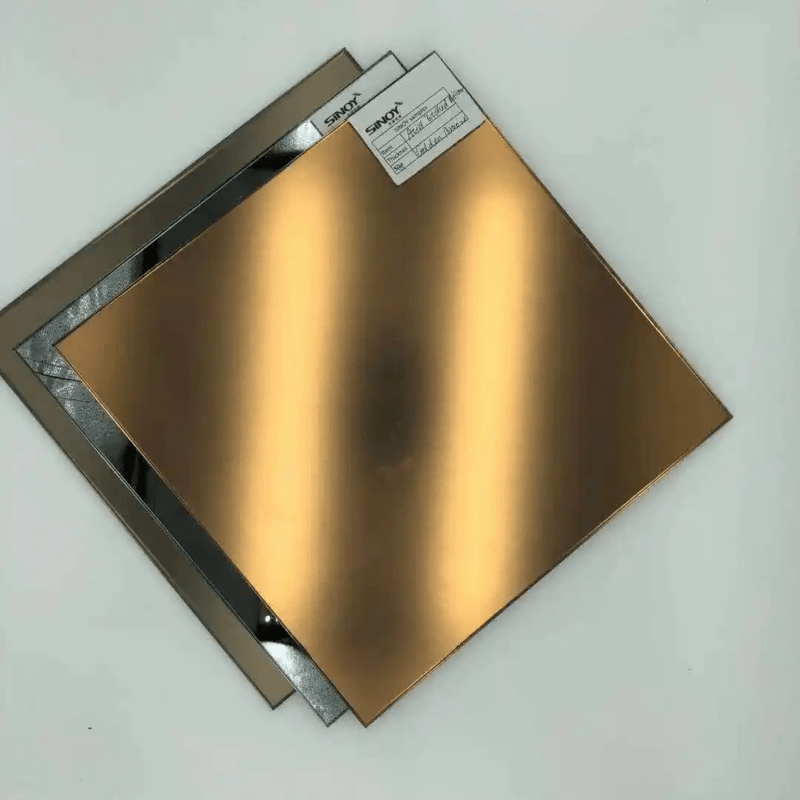
Custom special glass represents a revolutionary advancement in materials engineering, designed to meet specific performance requirements that standard glass cannot achieve. This specialized glass technology encompasses a broad spectrum of formulations and manufacturing processes, each tailored to address unique challenges across diverse industries. Unlike conventional glass, custom special glass undergoes precise chemical composition adjustments, controlled thermal treatments, and specialized forming techniques to achieve desired properties such as enhanced strength, thermal resistance, optical clarity, or electromagnetic shielding capabilities. The main functions of custom special glass extend far beyond basic transparency and protection. These engineered materials serve as critical components in high-performance applications where standard glass would fail. Primary functions include providing superior optical transmission for precision instruments, offering exceptional thermal shock resistance for industrial processes, delivering electromagnetic interference shielding for sensitive electronics, and maintaining structural integrity under extreme environmental conditions. The technological features of custom special glass involve sophisticated manufacturing processes including ion exchange strengthening, controlled crystallization, and multi-layer lamination techniques. Advanced chemical compositions incorporate rare earth elements, metallic oxides, and specialized dopants to achieve specific refractive indices, thermal expansion coefficients, and mechanical properties. Surface treatments and coatings further enhance performance characteristics, providing anti-reflective properties, scratch resistance, and specialized optical functions. Applications for custom special glass span numerous industries including aerospace, defense, telecommunications, medical devices, scientific instrumentation, and renewable energy systems. In aerospace applications, custom special glass serves as cockpit windows and sensor housings that must withstand extreme temperature variations and pressure differentials. Medical applications utilize biocompatible glass formulations for implants and diagnostic equipment housings. Telecommunications infrastructure relies on custom special glass for fiber optic components and protective enclosures that maintain signal integrity while providing environmental protection.

 EN
EN