
 EN
EN

The security industry has witnessed unprecedented growth in demand for reliable protection systems, with bulletproof glass emerging as a critical component in safeguarding lives and assets. This transparent armor technology has evolved dramatically over the past decades, transforming from basic laminated sheets to sophisticated multi-layered systems capable of stopping high-velocity projectiles. Understanding the rigorous testing standards and certification processes that govern this industry is essential for architects, security professionals, and facility managers who must make informed decisions about protective glazing solutions.
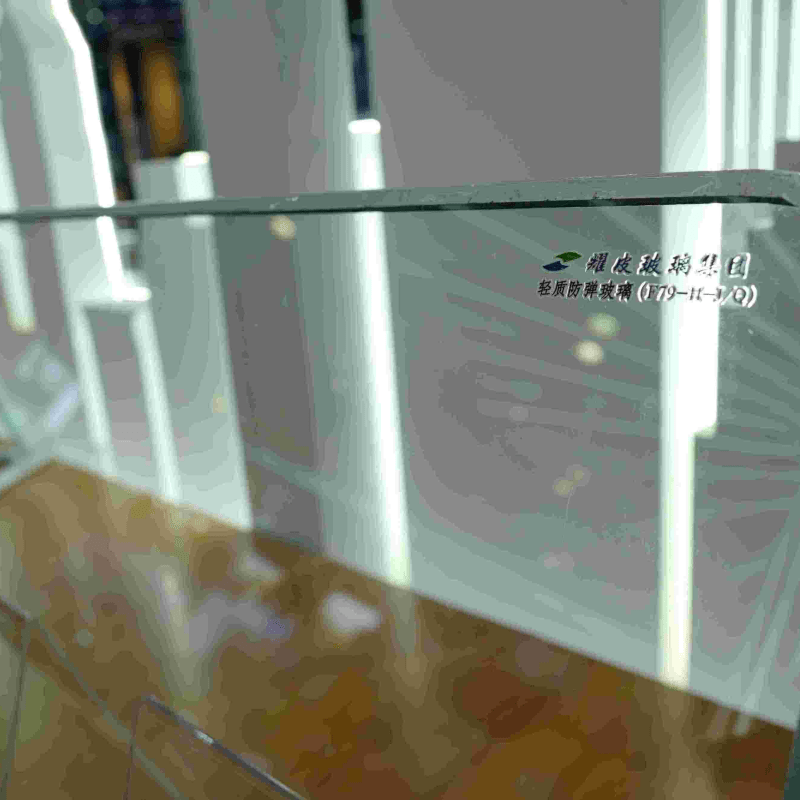
Modern protective glazing systems undergo extensive testing protocols that simulate real-world threat scenarios, ensuring their performance meets international safety standards. These comprehensive evaluations examine multiple factors including ballistic resistance, blast mitigation, forced entry protection, and environmental durability. The certification process involves independent testing laboratories that validate manufacturer claims and provide third-party verification of product performance capabilities.
International Testing Standards for Protective Glazing
European Standards and Classifications
European testing standards for bulletproof glass are primarily governed by EN 1063, which establishes classification levels based on ballistic resistance performance. This comprehensive standard defines seven protection classes, ranging from BR1 for handgun threats to BR7 for high-powered rifle ammunition. Each classification level specifies the exact ammunition type, velocity requirements, and impact patterns that must be successfully resisted during testing procedures.
The European approach emphasizes systematic testing methodologies that ensure consistent results across different manufacturers and testing facilities. EN 1063 requires that bulletproof glass samples undergo testing at standardized temperatures and environmental conditions, with specific requirements for sample size, mounting methods, and witness panel placement. These rigorous protocols ensure that certified products will perform reliably when installed in real-world applications.
Testing laboratories certified under EN 1063 must demonstrate their technical competence through regular audits and proficiency testing programs. This quality assurance framework ensures that certification results are accurate and reproducible, providing end users with confidence in product performance claims. The European standard also addresses important factors such as spalling resistance, which prevents dangerous glass fragments from becoming projectiles during ballistic impact events.
American Testing Protocols
United States testing standards for protective glazing systems are established by organizations including the National Institute of Justice and Underwriters Laboratories. NIJ Standard 0108.01 provides comprehensive testing protocols for ballistic-resistant protective materials, including specific requirements for bulletproof glass installations in law enforcement and security applications. These standards define threat levels based on common ammunition types encountered in criminal activities.
American testing protocols emphasize practical threat scenarios that reflect the security challenges faced by businesses, government facilities, and high-risk individuals. The standards specify exact testing distances, impact angles, and environmental conditions that must be maintained during certification testing. Additionally, these protocols address important considerations such as multiple impact resistance and edge effects that can compromise overall system performance.
The certification process under American standards requires extensive documentation of material composition, manufacturing processes, and quality control procedures. Testing laboratories must verify that production samples match the exact specifications of tested prototypes, ensuring consistency between certified products and commercially available systems. This traceability requirement helps maintain product integrity throughout the supply chain.
Ballistic Testing Procedures and Methodologies
Laboratory Testing Environment
Professional ballistic testing of bulletproof glass occurs in specialized laboratory facilities equipped with controlled firing ranges, environmental chambers, and precision measurement systems. These facilities maintain strict safety protocols and employ certified ballistics experts who understand the complex interactions between projectiles and protective materials. Testing chambers are designed to contain high-energy impacts while providing clear observation of failure modes and performance characteristics.
Environmental control systems in testing laboratories ensure that bulletproof glass samples are evaluated under standardized conditions that simulate real-world installation environments. Temperature, humidity, and atmospheric pressure are carefully regulated to eliminate variables that could affect test results. Some testing protocols require conditioning samples at extreme temperatures to evaluate performance across expected operating ranges.
Advanced measurement systems capture detailed data during ballistic testing, including projectile velocity, impact energy, deformation patterns, and failure mechanisms. High-speed photography and digital imaging systems document the entire impact sequence, providing valuable insights into material behavior under extreme loading conditions. This data helps manufacturers optimize bulletproof glass designs and improve overall performance characteristics.
Impact Testing Protocols
Standardized impact testing protocols for bulletproof glass involve firing specific ammunition types at predetermined velocities and impact angles. Each protection level requires different projectile specifications, with testing sequences designed to represent realistic threat scenarios. The testing process typically involves multiple impacts on the same sample to evaluate resistance to sequential attacks, which is crucial for understanding real-world performance limitations.
Projectile selection for testing follows strict guidelines established by international standards organizations, with specific requirements for bullet weight, construction materials, and velocity ranges. Bulletproof glass systems must demonstrate their ability to stop these standardized threats without complete penetration or dangerous spalling on the protected side of the installation.
Post-impact evaluation procedures examine multiple performance criteria including penetration resistance, crack propagation patterns, and retention of structural integrity. Testing laboratories measure deformation depth, fragment dispersion, and overall damage patterns to determine whether samples meet certification requirements. These comprehensive evaluations ensure that certified bulletproof glass systems provide reliable protection under actual threat conditions.
Certification Bodies and Accreditation
International Accreditation Organizations
Major international accreditation bodies oversee the certification process for bulletproof glass testing laboratories, ensuring that testing facilities maintain appropriate technical competence and quality management systems. Organizations such as the International Laboratory Accreditation Cooperation provide frameworks for mutual recognition of test results across national boundaries, facilitating international trade in protective glazing products.
Accreditation requirements for ballistic testing laboratories include demonstration of technical expertise, equipment calibration protocols, and quality assurance procedures. Laboratory personnel must possess appropriate educational backgrounds and professional experience in ballistics, materials science, and testing methodologies. Regular proficiency testing and peer reviews ensure that accredited facilities maintain their technical capabilities over time.
The accreditation process involves comprehensive audits of laboratory facilities, equipment, and procedures by independent assessment teams. These audits verify that testing laboratories follow established protocols and maintain appropriate documentation systems. Accredited laboratories must demonstrate their ability to produce accurate and reproducible test results that support reliable certification decisions for bulletproof glass products.
Regional Certification Requirements
Different geographic regions have established specific certification requirements that reflect local threat environments and regulatory frameworks. European certification typically follows EN standards, while North American markets often require compliance with NIJ or UL standards. Asian markets may have additional requirements based on regional security concerns and building code specifications.
Regional differences in certification requirements can affect product availability and pricing in different markets, as manufacturers must often pursue multiple certifications to serve global customers. These variations in standards can create challenges for international projects that must satisfy multiple jurisdictions with different requirements. Understanding these regional differences is crucial for specifying appropriate bulletproof glass systems for specific applications.
Mutual recognition agreements between different certification bodies help streamline the approval process for manufacturers serving international markets. These agreements allow test results from accredited laboratories in one region to be accepted by certification bodies in other regions, reducing duplicative testing requirements and associated costs. However, some applications may still require region-specific testing to address unique threat profiles or regulatory requirements.
Quality Assurance and Manufacturing Standards
Production Quality Control
Manufacturing quality control systems for bulletproof glass production involve comprehensive monitoring of raw materials, processing parameters, and finished product characteristics. Advanced manufacturing facilities implement statistical process control methods that track critical variables throughout the production cycle, ensuring consistent product quality and performance. These systems help identify potential quality issues before they affect large production runs.
Raw material specifications for bulletproof glass production are extremely demanding, requiring precise control of glass composition, interlayer materials, and bonding agents. Incoming inspection procedures verify that all materials meet established specifications before entering the production process. Any materials that fail to meet quality requirements are rejected to prevent performance degradation in finished products.
In-process monitoring systems track critical manufacturing parameters such as temperature profiles, pressure applications, and curing cycles during lamination processes. These systems automatically detect deviations from established parameters and alert operators to potential quality issues. Automated rejection systems remove non-conforming products from production lines before they reach final inspection stages.
Traceability and Documentation
Comprehensive traceability systems in bulletproof glass manufacturing track individual products from raw material receipt through final shipment to customers. These systems maintain detailed records of material lots, processing parameters, quality test results, and certification documentation for each manufactured unit. Traceability capabilities enable rapid identification and resolution of quality issues if they occur in the field.
Documentation requirements for certified bulletproof glass products include material certificates, test reports, installation instructions, and maintenance guidelines. This documentation package provides end users with essential information needed to properly specify, install, and maintain protective glazing systems. Manufacturers must maintain these records for extended periods to support warranty claims and regulatory compliance requirements.
Digital documentation systems increasingly replace paper-based record keeping, providing improved accessibility and data integrity for traceability information. These systems often include barcode or RFID tracking capabilities that link physical products to their electronic documentation packages. Advanced systems can provide real-time access to product information through web-based portals or mobile applications.
Performance Testing Beyond Ballistics
Environmental Durability Assessment
Environmental testing of bulletproof glass systems evaluates long-term performance under various climatic conditions including temperature cycling, humidity exposure, and ultraviolet radiation. These tests ensure that protective glazing maintains its ballistic resistance properties throughout expected service life periods. Accelerated aging protocols compress years of environmental exposure into weeks or months of laboratory testing.
Weather resistance testing subjects bulletproof glass samples to extreme temperature variations, moisture penetration, and thermal shock conditions that might be encountered in actual installations. These tests identify potential failure modes such as delamination, optical degradation, or seal failures that could compromise protective capabilities over time. Results from environmental testing help establish appropriate warranty periods and maintenance requirements.
UV exposure testing is particularly important for bulletproof glass systems that will be installed in exterior applications where solar radiation can degrade interlayer materials over time. Specialized UV chambers simulate years of sun exposure in controlled laboratory conditions, allowing evaluation of optical clarity retention and structural integrity. These tests help manufacturers select appropriate UV-resistant materials and coatings for long-term applications.
Structural Performance Evaluation
Structural testing of bulletproof glass systems evaluates their ability to withstand wind loads, seismic forces, and other building-related stresses while maintaining ballistic protection capabilities. These tests ensure that protective glazing systems can function effectively as building components in addition to their security functions. Structural performance requirements vary based on building codes and installation locations.
Wind load testing subjects bulletproof glass installations to simulated hurricane and tornado conditions to verify their ability to resist extreme weather events. Testing protocols specify pressure differentials, cyclic loading patterns, and duration requirements that reflect actual storm conditions. These tests help establish appropriate structural support requirements and installation details for high-wind applications.
Seismic testing evaluates the performance of bulletproof glass systems during earthquake conditions, ensuring that protective glazing remains intact and functional during seismic events. These tests involve subjecting installed systems to controlled vibration patterns that simulate earthquake ground motions. Results help engineers design appropriate mounting systems and structural connections for seismic-prone regions.
Installation and Field Testing
Installation Verification Procedures
Proper installation of bulletproof glass systems requires careful verification that mounting methods, structural supports, and sealing details match certified configurations. Installation verification procedures ensure that field conditions match laboratory testing parameters that validated product performance. Deviations from certified installation methods can significantly compromise protective capabilities.
Field inspection protocols verify that bulletproof glass installations comply with manufacturer specifications and applicable building codes. These inspections examine mounting hardware, structural attachments, weatherseal integrity, and dimensional accuracy of installed systems. Professional installation teams must demonstrate competence in proper installation techniques through training and certification programs.
Documentation requirements for bulletproof glass installations include as-built drawings, material certificates, installation photographs, and commissioning test results. This documentation provides a permanent record of installation details that may be needed for future maintenance, modifications, or insurance claims. Quality installation documentation also supports warranty coverage and regulatory compliance requirements.
Field Performance Monitoring
Long-term monitoring programs track the performance of installed bulletproof glass systems over their service life, providing valuable data on real-world durability and effectiveness. These programs involve periodic inspections, performance testing, and documentation of any changes in protective capabilities. Field performance data helps manufacturers improve product designs and installation methods.
Condition assessment procedures for existing bulletproof glass installations evaluate factors such as optical clarity, seal integrity, and structural attachment security. Regular assessments help identify maintenance needs before they compromise protective capabilities. Preventive maintenance programs based on these assessments can significantly extend the service life of protective glazing systems.
Performance monitoring systems may include sensors that detect impact events, environmental conditions, and structural movements that could affect bulletproof glass effectiveness. These systems provide real-time data on system status and can alert facility managers to potential issues requiring attention. Advanced monitoring capabilities help optimize maintenance schedules and ensure continuous protection.
FAQ
How long does bulletproof glass certification testing typically take
The certification testing process for bulletproof glass typically requires 4-8 weeks depending on the complexity of the product and the number of protection levels being certified. Initial ballistic testing can be completed within 1-2 weeks, but additional environmental testing, documentation review, and quality assurance procedures extend the overall timeline. Manufacturers should plan for longer timelines when pursuing multiple regional certifications or testing complex multi-threat systems.
What factors can invalidate existing bulletproof glass certifications
Bulletproof glass certifications can be invalidated by changes to raw materials, manufacturing processes, or product specifications without corresponding re-testing. Modifications to glass thickness, interlayer materials, or lamination procedures typically require new certification testing to verify continued performance. Additionally, certifications may expire after specified time periods or be withdrawn if quality control issues are identified during production audits.
Are there different testing requirements for curved versus flat bulletproof glass
Curved bulletproof glass systems typically require additional testing to address the unique ballistic performance characteristics that result from their geometry. The curvature can affect projectile impact angles and energy distribution patterns, potentially requiring modified testing protocols or additional impact locations. Some certification standards have specific requirements for curved protective glazing, while others may require custom testing programs developed in consultation with accredited laboratories.
Can bulletproof glass maintain its certification after field repairs or modifications
Field repairs or modifications to certified bulletproof glass systems typically void the original certification unless the changes are specifically approved by the certifying body. Minor repairs using certified materials and approved procedures may maintain certification status, but significant modifications usually require re-testing. Manufacturers often provide guidance on acceptable field modifications and may offer re-certification services for modified installations.
Table of Contents
- International Testing Standards for Protective Glazing
- Ballistic Testing Procedures and Methodologies
- Certification Bodies and Accreditation
- Quality Assurance and Manufacturing Standards
- Performance Testing Beyond Ballistics
- Installation and Field Testing
-
FAQ
- How long does bulletproof glass certification testing typically take
- What factors can invalidate existing bulletproof glass certifications
- Are there different testing requirements for curved versus flat bulletproof glass
- Can bulletproof glass maintain its certification after field repairs or modifications