
 EN
EN
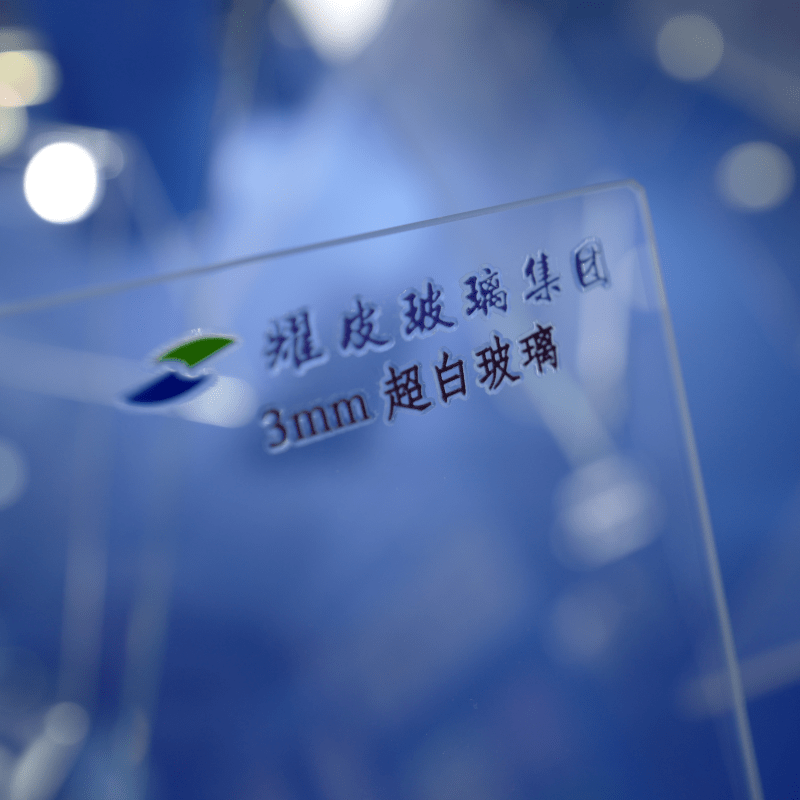
In the rapidly evolving world of solar energy technology, the choice of materials can significantly impact both performance and longevity of solar installations. Two primary types of glass dominate the market: csp glass and tempered glass. Understanding the fundamental differences between these materials is crucial for engineers, project managers, and decision-makers in the renewable energy sector. While both serve essential roles in solar applications, their unique properties make them suitable for different applications and operating conditions.
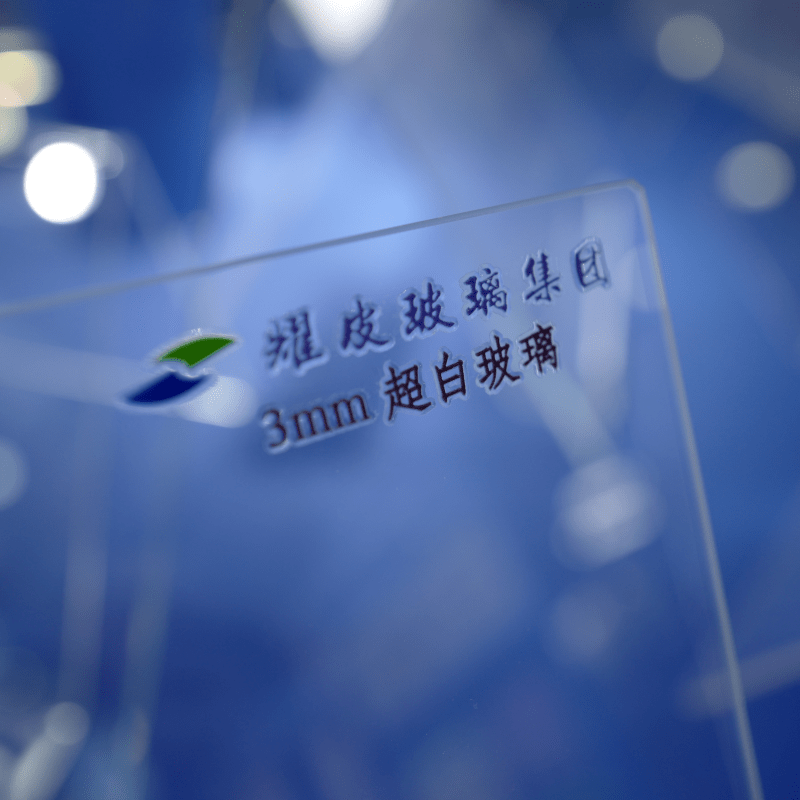
The selection between these glass types involves analyzing various factors including thermal resistance, optical clarity, durability, and cost-effectiveness. Each material brings distinct advantages that align with specific project requirements and environmental conditions. This comprehensive analysis explores the technical specifications, applications, and performance characteristics of both materials to help industry professionals make informed decisions.
Understanding CSP Glass Technology
Composition and Manufacturing Process
CSP glass represents a specialized category of ultra-low iron glass designed specifically for concentrated solar power applications. The manufacturing process involves reducing iron content to extremely low levels, typically below 0.01%, which dramatically improves light transmission properties. This reduction in iron content eliminates the greenish tint commonly found in standard glass, resulting in exceptional optical clarity that maximizes solar energy capture.
The production of csp glass requires precise control over raw material composition and furnace conditions. Advanced melting techniques and specialized refining processes ensure consistent quality and optimal performance characteristics. These manufacturing protocols result in glass with superior transmittance values, often exceeding 91% for visible light spectrum, making it ideal for applications where maximum light penetration is essential.
Thermal Performance Characteristics
One of the most significant advantages of csp glass lies in its exceptional thermal performance capabilities. This material demonstrates superior resistance to thermal shock, maintaining structural integrity even when subjected to rapid temperature fluctuations common in concentrated solar power systems. The low coefficient of thermal expansion ensures minimal stress development during heating and cooling cycles.
The thermal conductivity properties of csp glass enable efficient heat transfer while maintaining optical clarity under extreme conditions. This characteristic proves particularly valuable in solar thermal applications where glass components must withstand prolonged exposure to concentrated solar radiation while maintaining performance standards. Testing data consistently shows that csp glass maintains its optical properties even after thousands of thermal cycling events.
Tempered Glass Applications and Properties
Strength and Safety Features
Tempered glass achieves its renowned strength through a controlled thermal treatment process that creates compressive stress on the surface while maintaining tensile stress in the interior. This treatment results in glass that is approximately four to five times stronger than standard annealed glass, making it an excellent choice for applications requiring high impact resistance and structural durability.
The safety characteristics of tempered glass make it particularly valuable in photovoltaic applications where human safety and equipment protection are paramount. When tempered glass fails, it breaks into small, relatively harmless granular pieces rather than sharp shards, significantly reducing injury risk during installation, maintenance, or accidental damage scenarios.
Cost Considerations and Availability
From an economic perspective, tempered glass typically offers lower initial costs compared to specialized csp glass solutions. The widespread manufacturing infrastructure for tempered glass production contributes to its competitive pricing and ready availability in most global markets. This accessibility makes tempered glass an attractive option for large-scale solar installations where budget constraints are significant factors.
The standardized manufacturing processes for tempered glass result in consistent quality and predictable delivery schedules. However, the trade-off for lower costs often involves accepting reduced optical performance compared to premium csp glass solutions. Project managers must carefully evaluate whether the cost savings justify potential performance compromises based on specific application requirements.
Optical Performance Comparison
Light Transmission Efficiency
The optical performance differences between csp glass and tempered glass are substantial and measurable. Standard csp glass achieves light transmission rates of 91% or higher across the solar spectrum, while conventional tempered glass typically ranges between 83-87% depending on iron content and thickness. This difference translates to significant energy output variations in solar applications.
The iron content in standard glass creates absorption bands that reduce transmission in specific wavelength ranges critical for solar energy conversion. csp glass eliminates these absorption losses through ultra-low iron formulations, ensuring maximum energy reaches the underlying solar collectors or photovoltaic cells throughout the operational lifetime.
Anti-Reflective Properties
Advanced csp glass formulations often incorporate anti-reflective treatments that further enhance light transmission capabilities. These specialized coatings reduce surface reflection losses from approximately 8% to less than 2%, resulting in net transmission gains that compound the benefits of low iron content. Such treatments prove particularly valuable in concentrated solar power applications where every percentage point of improved transmission directly impacts system efficiency.
The durability of anti-reflective treatments on csp glass varies significantly based on coating technology and environmental exposure conditions. High-quality treatments maintain their performance characteristics for decades under normal operating conditions, while lower-grade options may degrade within several years. This longevity consideration factors heavily into lifecycle cost analyses for solar projects.
Durability and Longevity Assessment
Weather Resistance Performance
Both csp glass and tempered glass demonstrate excellent weather resistance when properly manufactured and installed. However, csp glass formulations specifically designed for solar applications often include enhanced resistance to alkali corrosion and surface degradation that can affect long-term optical performance. These improvements result from careful selection of raw materials and optimized manufacturing processes.
Environmental testing protocols for both materials include exposure to extreme temperature cycling, humidity variations, salt spray, and ultraviolet radiation. Results consistently show that high-quality csp glass maintains superior optical properties throughout extended testing periods, while tempered glass may experience gradual transmission losses due to surface weathering effects.
Maintenance Requirements
The maintenance requirements for csp glass installations typically involve regular cleaning to maintain optimal light transmission, similar to tempered glass applications. However, the superior surface quality of csp glass often results in better cleaning efficiency and reduced frequency requirements compared to standard tempered alternatives.
Surface treatments applied to csp glass may include hydrophobic coatings that facilitate self-cleaning properties during rain events. These treatments reduce manual cleaning requirements while maintaining consistent optical performance throughout varying seasonal conditions. The investment in advanced surface treatments often justifies itself through reduced maintenance costs over the system lifetime.
Application-Specific Selection Criteria
Concentrated Solar Power Systems
Concentrated solar power applications demand the highest optical performance available, making csp glass the preferred choice for mirrors, receivers, and protective covers in these systems. The extreme operating conditions encountered in CSP installations, including high temperatures and intense solar concentration ratios, require materials specifically engineered for such demanding environments.
The thermal cycling resistance of csp glass proves essential in CSP applications where daily temperature swings can exceed 200°C. Standard tempered glass may experience thermal stress accumulation over time, leading to reduced reliability and potential failure in these extreme conditions. The investment in specialized csp glass materials typically provides superior long-term performance and reduced replacement costs.
Photovoltaic Module Applications
Photovoltaic module manufacturers must balance optical performance, mechanical strength, and cost considerations when selecting between csp glass and tempered glass solutions. Premium modules often incorporate csp glass to maximize power output, while standard efficiency modules may utilize high-quality tempered glass to achieve acceptable performance at lower costs.
The encapsulation process used in PV module manufacturing affects glass selection criteria significantly. Modules requiring maximum light transmission benefit from csp glass implementations, while applications prioritizing impact resistance and cost control may favor tempered glass solutions. The decision often depends on target market segments and performance specifications.
Economic Impact Analysis
Initial Investment Considerations
The initial cost differential between csp glass and tempered glass can range from 50% to 200% depending on specifications, quantities, and supplier selection. This price difference requires careful analysis of projected energy output improvements and their associated revenue impact over the system operational lifetime.
Project financing structures increasingly recognize the value proposition of premium materials like csp glass when supported by robust performance data and warranty terms. The improved energy yield from enhanced optical performance often justifies higher initial investments through accelerated payback periods and improved project economics.
Lifecycle Cost Evaluation
Comprehensive lifecycle cost analyses must account for energy output improvements, maintenance requirements, replacement schedules, and performance degradation rates. Studies consistently demonstrate that csp glass installations achieve superior financial returns in applications where optical performance directly impacts revenue generation.
The warranty terms offered for csp glass products often extend beyond standard tempered glass guarantees, providing additional risk mitigation for project investors. These extended warranty periods reflect manufacturer confidence in product durability and long-term performance characteristics.
FAQ
What is the primary difference between csp glass and tempered glass?
The primary difference lies in their composition and intended applications. CSP glass features ultra-low iron content (typically below 0.01%) for maximum light transmission, achieving 91% or higher transmission rates. Tempered glass focuses on mechanical strength through thermal treatment, achieving four to five times the strength of standard glass but with lower optical performance, typically 83-87% light transmission due to higher iron content.
Which glass type offers better value for solar installations?
The value proposition depends on specific application requirements. For concentrated solar power systems and premium photovoltaic modules where maximum energy output is critical, csp glass typically provides superior long-term value despite higher initial costs. For standard solar installations where cost control is paramount and moderate optical performance is acceptable, tempered glass may offer better economic value.
How do maintenance requirements differ between these glass types?
Both materials require regular cleaning for optimal performance, but csp glass often includes advanced surface treatments that facilitate easier cleaning and may incorporate self-cleaning properties. The superior surface quality of csp glass typically results in better cleaning efficiency and potentially reduced maintenance frequency compared to standard tempered glass installations.
Can tempered glass be used in concentrated solar power applications?
While tempered glass can technically function in some CSP applications, it is not optimal for high-concentration systems due to lower optical transmission and reduced thermal cycling resistance. The extreme operating conditions in CSP installations, including high temperatures and intense solar concentration, favor the specialized properties of csp glass for reliable long-term performance and maximum energy capture efficiency.