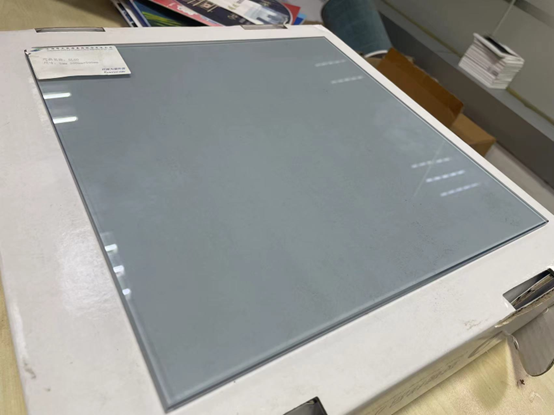
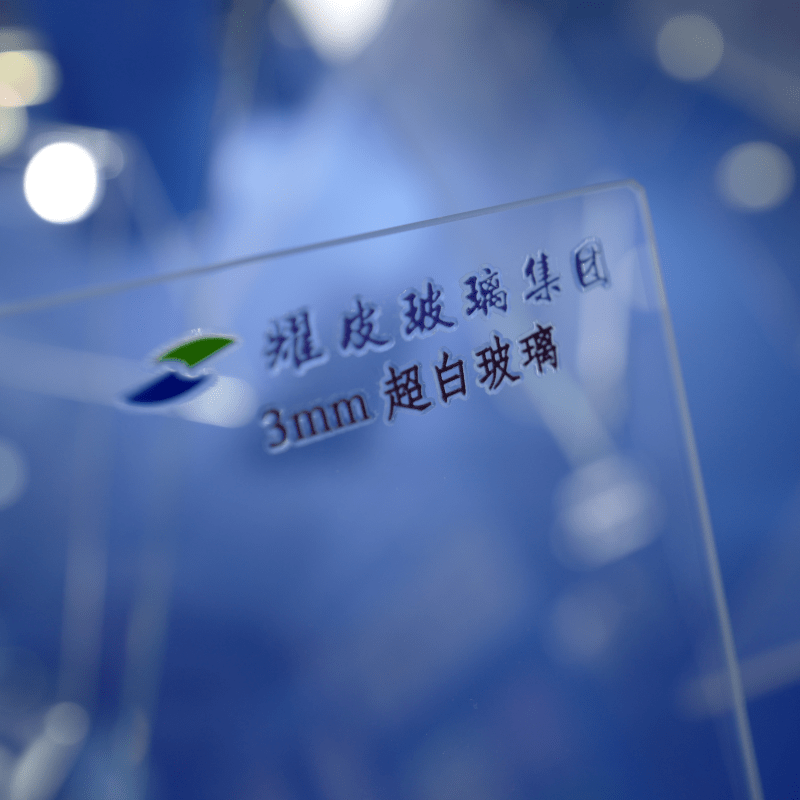
tempered special glass
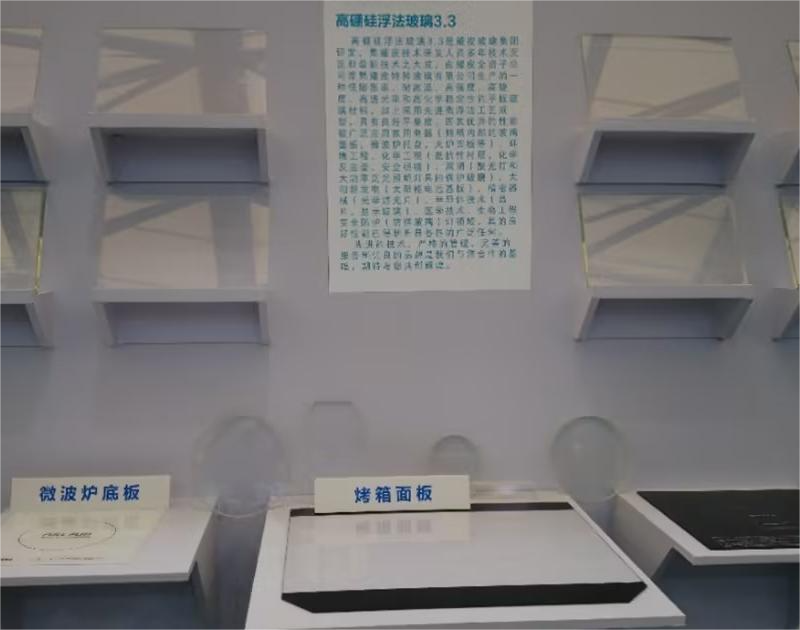
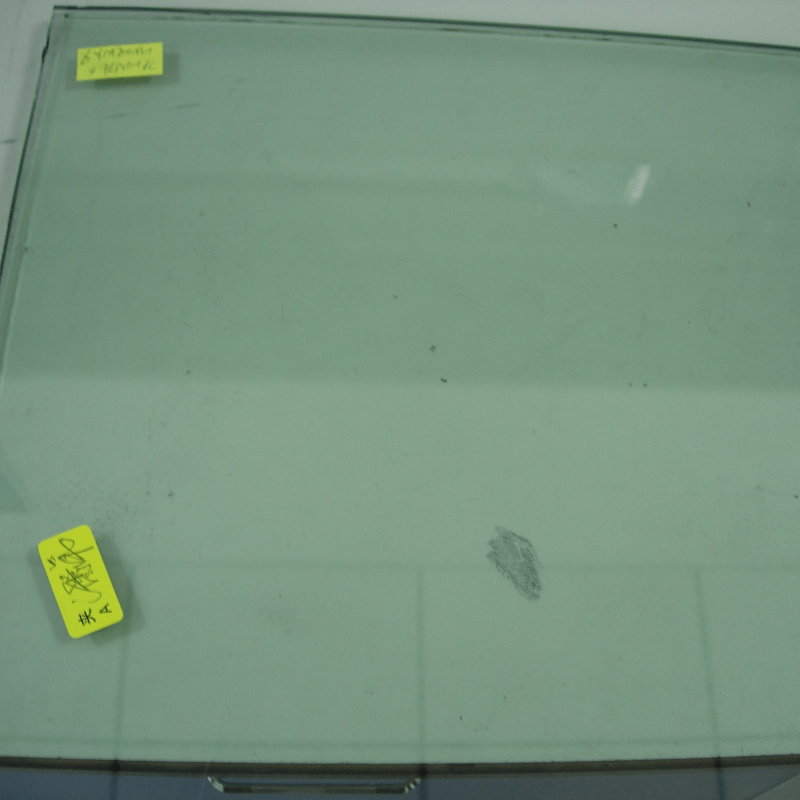
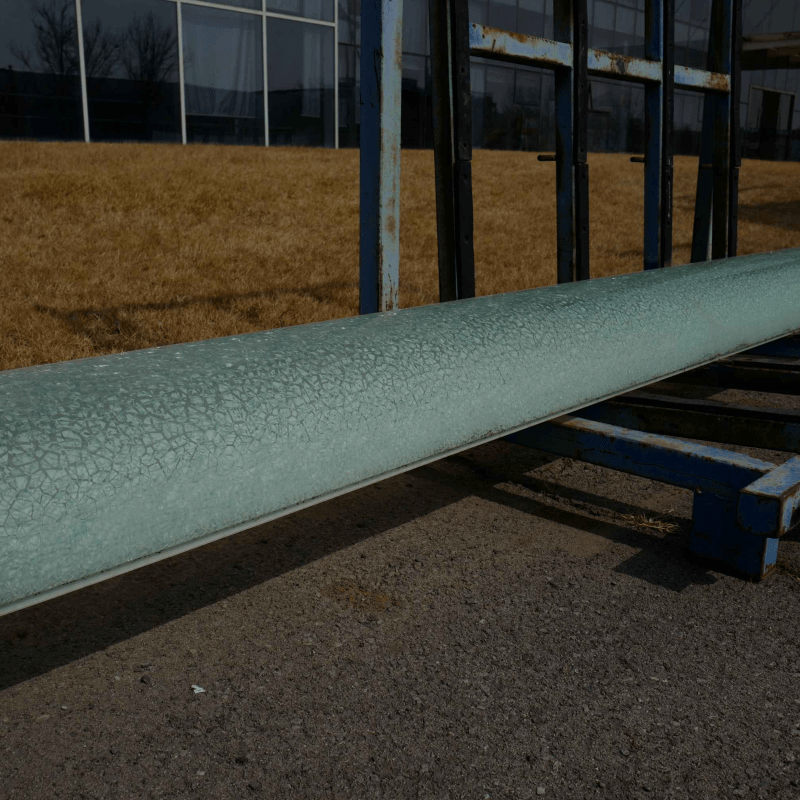
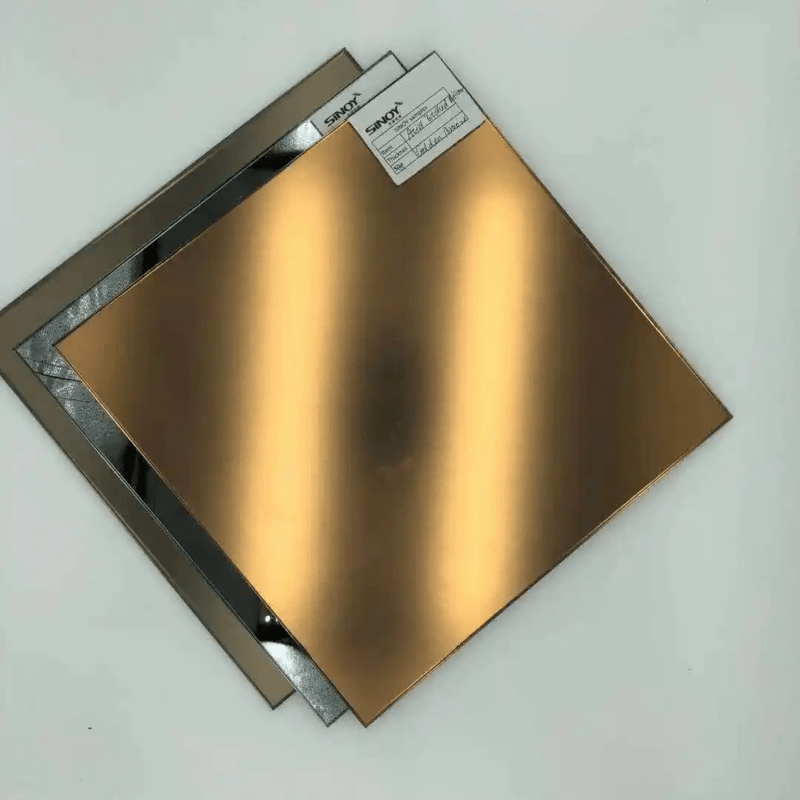
Tempered special glass represents a revolutionary advancement in glass manufacturing technology that combines exceptional strength with remarkable versatility. This engineered material undergoes a specialized thermal treatment process that fundamentally transforms its molecular structure, creating a product that is approximately four to five times stronger than conventional glass. The tempering process involves heating the glass to extremely high temperatures, typically around 650-700 degrees Celsius, followed by rapid cooling using controlled air jets. This thermal shock treatment creates compressive stress on the surface while maintaining tensile stress in the core, resulting in enhanced durability and safety characteristics. Tempered special glass serves multiple critical functions across various industries, from architectural applications to automotive manufacturing. Its primary technological features include superior impact resistance, thermal shock resistance, and the ability to break into small, relatively harmless fragments when damaged. The material maintains optical clarity while providing enhanced security and protection. Modern manufacturing techniques allow for precise customization of thickness, dimensions, and surface treatments to meet specific application requirements. The glass can be further enhanced with specialized coatings, tinting, or lamination processes to achieve desired performance characteristics. Advanced quality control systems ensure consistent mechanical properties throughout the production process. The material exhibits excellent chemical resistance and maintains structural integrity under extreme environmental conditions. Its non-porous surface prevents contamination and facilitates easy cleaning and maintenance. Tempered special glass applications span residential construction, commercial buildings, transportation vehicles, electronic displays, and industrial equipment. The material's ability to withstand sudden temperature changes makes it ideal for applications involving thermal cycling. Its enhanced strength properties reduce the risk of catastrophic failure while maintaining aesthetic appeal and functional performance across diverse operational environments.

 EN
EN