Premium Special Glass Manufacturer - Advanced Materials & Custom Solutions

All Categories
Get a Quote

Get a Free Quote

Our representative will contact you soon.
Email
Name
Company Name
Products
Message
0/1000

special glass manufacturer

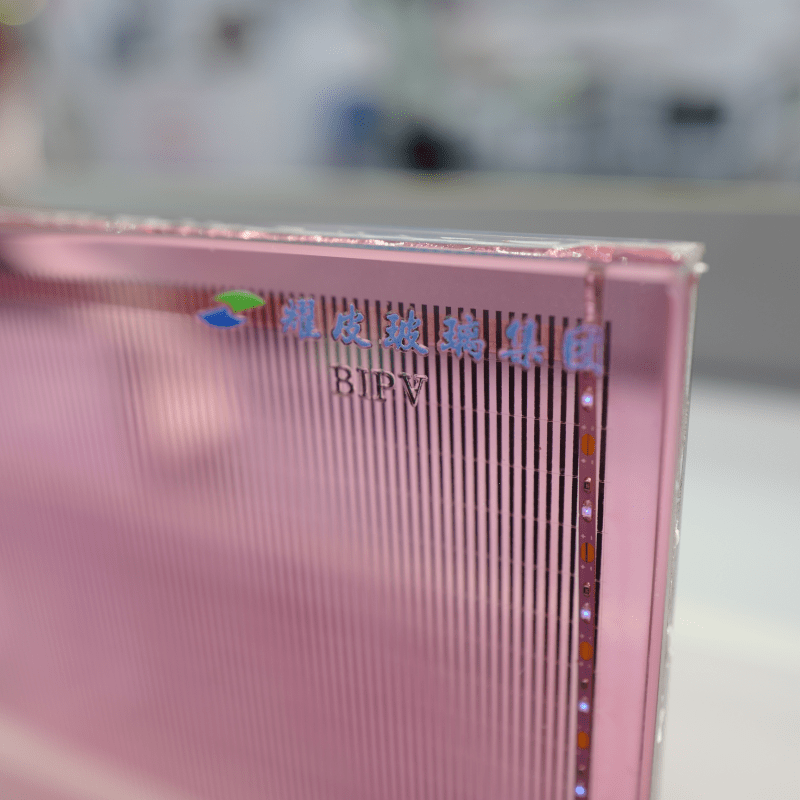
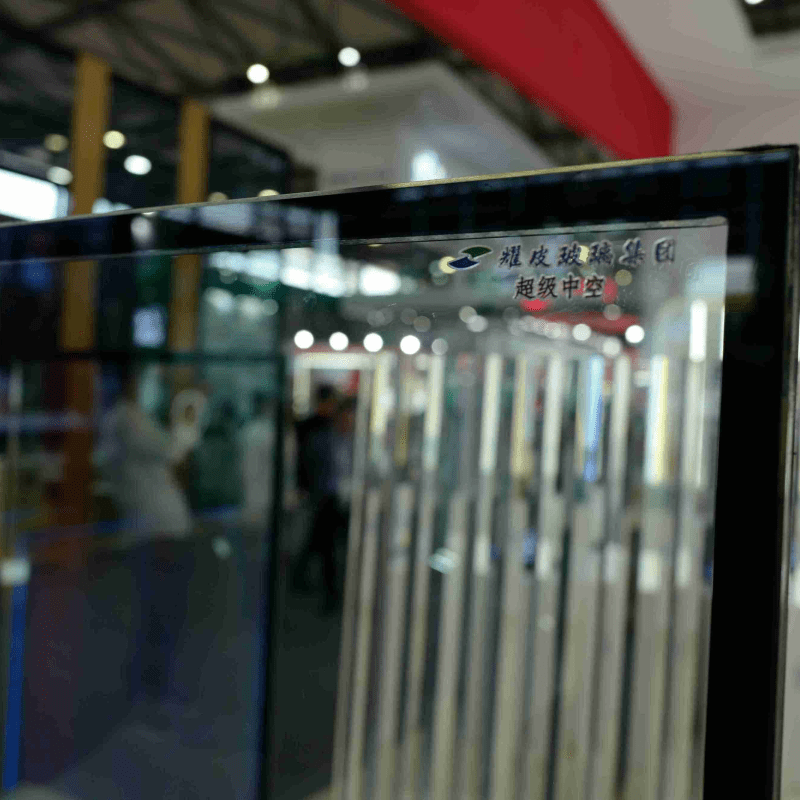
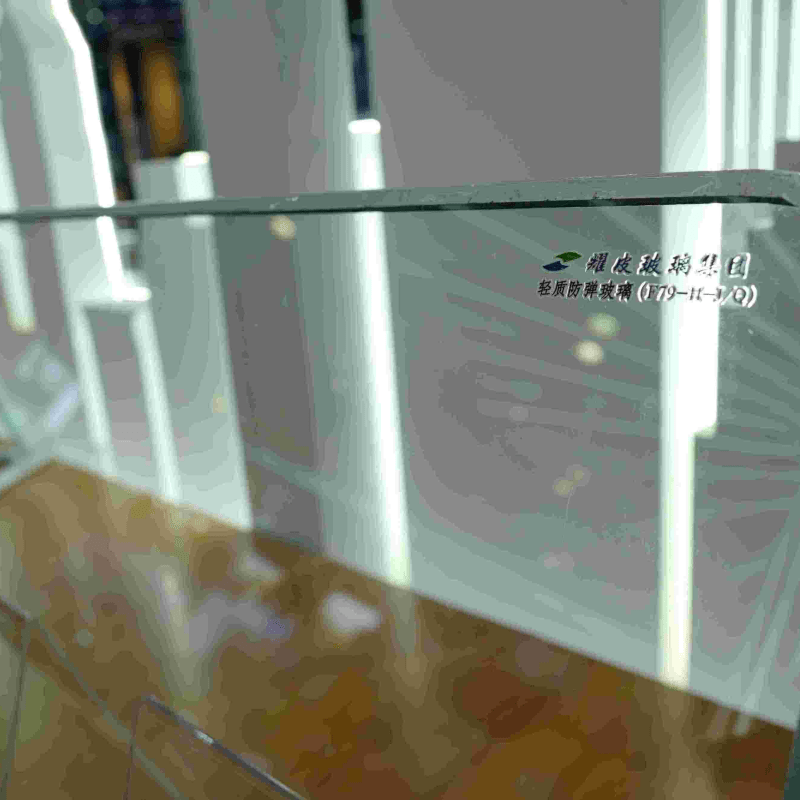
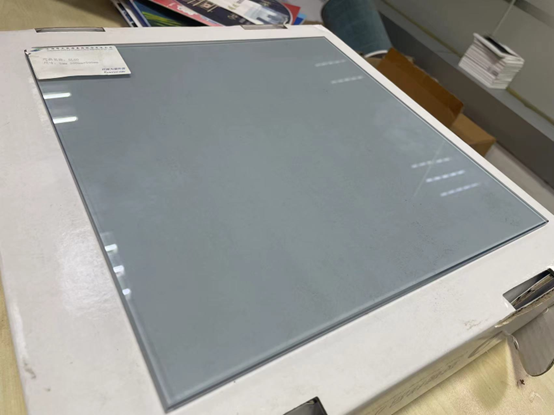
A special glass manufacturer represents a crucial pillar in modern industrial infrastructure, serving diverse sectors with precision-engineered glass solutions that exceed conventional material limitations. These specialized manufacturers focus on creating high-performance glass products through advanced technological processes, delivering materials that withstand extreme conditions while maintaining optical clarity and structural integrity. The primary function of a special glass manufacturer encompasses developing customized glass formulations, implementing cutting-edge production techniques, and ensuring quality control standards that meet stringent industry requirements. These manufacturers utilize sophisticated furnace systems, precision molding equipment, and automated quality inspection systems to produce glass materials with specific chemical compositions, thermal properties, and mechanical characteristics. The technological features include temperature-controlled melting processes that reach temperatures exceeding 1600 degrees Celsius, computer-controlled forming techniques that ensure dimensional accuracy, and specialized annealing procedures that eliminate internal stresses. Advanced chemical strengthening processes enhance surface compression, while ion-exchange treatments improve impact resistance and thermal shock tolerance. Applications span across multiple industries including automotive, aerospace, electronics, construction, medical devices, and renewable energy sectors. In automotive applications, special glass manufacturers produce windshields with enhanced safety features, heat-resistant windows, and smart glass technologies with integrated electronics. Aerospace applications demand lightweight, high-strength glass components that maintain performance under extreme altitude and temperature variations. Electronics industry applications include substrate materials for semiconductors, display panels for electronic devices, and fiber optic components for telecommunications infrastructure. Construction applications encompass energy-efficient building materials, decorative architectural elements, and safety glass systems. Medical device applications require biocompatible glass materials for implants, laboratory equipment, and diagnostic instruments. The special glass manufacturer industry continues evolving through research and development initiatives that explore new material compositions and manufacturing methodologies.


Popular Products

The advantages of partnering with a special glass manufacturer extend far beyond standard material procurement, offering transformative benefits that directly impact operational efficiency and product performance. Cost reduction emerges as a primary advantage through optimized manufacturing processes that eliminate waste, reduce energy consumption, and minimize material defects. Special glass manufacturers achieve economies of scale by consolidating multiple production techniques under unified quality control systems, passing savings directly to customers through competitive pricing structures. Quality assurance represents another significant advantage, as special glass manufacturers implement rigorous testing protocols that verify material properties before shipment. These manufacturers maintain ISO certification standards, conduct regular audits of production facilities, and employ trained quality control specialists who monitor every stage of the manufacturing process. Technical expertise provides customers with access to specialized knowledge that accelerates product development timelines and reduces design iteration cycles. Engineering teams at special glass manufacturers possess decades of experience in material science, thermal processing, and application-specific requirements. This expertise enables rapid problem-solving when customers encounter material challenges or require custom formulations for unique applications. Supply chain reliability ensures consistent material availability through strategic inventory management and diversified supplier networks. Special glass manufacturers maintain safety stock levels that prevent production delays while establishing backup supply sources that guarantee continuity during unexpected demand fluctuations. Innovation capabilities allow customers to access cutting-edge materials before they become widely available in the marketplace. Research and development departments continuously explore new glass compositions, processing techniques, and application possibilities. Environmental responsibility demonstrates commitment to sustainable manufacturing practices through energy-efficient production methods, waste reduction programs, and recyclable material options. Many special glass manufacturers invest in renewable energy sources, implement closed-loop water systems, and participate in industry sustainability initiatives. Customer support services provide ongoing technical assistance, application guidance, and troubleshooting expertise that extends beyond initial product delivery. Dedicated account managers maintain regular communication with customers, ensuring their evolving needs receive prompt attention and appropriate solutions.

Latest News

Sustainable Architectural Glass: Design & Benefits

27

Nov

Sustainable Architectural Glass: Design & Benefits

Sustainable Architectural Glass: Design & Benefits Modern construction has embraced architectural glass as a fundamental material that combines aesthetics with functionality. This versatile building component has revolutionized contemporary architect...
View More
Bulletproof Glass Testing: Standards and Certification

14

Jan

Bulletproof Glass Testing: Standards and Certification

The security industry has witnessed unprecedented growth in demand for reliable protection systems, with bulletproof glass emerging as a critical component in safeguarding lives and assets. This transparent armor technology has evolved dramatically o...
View More
Comparing Different Coated Glass Options for Your Home

04

Mar

Comparing Different Coated Glass Options for Your Home

Selecting the right coated glass for your home can significantly impact energy efficiency, comfort levels, and long-term utility costs. Modern architectural glazing solutions have evolved beyond basic clear glass, offering homeowners sophisticated co...
View More
CSP Glass vs Tempered Glass: Which Is Better?

04

Mar

CSP Glass vs Tempered Glass: Which Is Better?

In the rapidly evolving world of solar energy technology, the choice of materials can significantly impact both performance and longevity of solar installations. Two primary types of glass dominate the market: csp glass and tempered glass. Understand...
View More

Get a Free Quote

Our representative will contact you soon.
Email
Name
Company Name
Products
Message
0/1000

special glass manufacturer

Advanced Manufacturing Technology Integration

Advanced Manufacturing Technology Integration

The integration of advanced manufacturing technology represents a cornerstone advantage that distinguishes leading special glass manufacturers from conventional glass producers. Modern special glass manufacturers invest heavily in state-of-the-art equipment that incorporates artificial intelligence, machine learning algorithms, and precision control systems to optimize every aspect of the production process. These technological investments enable unprecedented levels of accuracy in temperature control, chemical composition management, and dimensional tolerancing that directly translate to superior product performance and consistency. The manufacturing process begins with computer-controlled batch preparation systems that precisely measure and mix raw materials according to proprietary formulations. Automated feeding mechanisms ensure consistent material flow into high-temperature furnaces equipped with advanced combustion control systems that maintain optimal thermal profiles throughout the melting process. Temperature monitoring systems utilizing infrared sensors and thermocouples provide real-time feedback that enables instant adjustments to maintain ideal processing conditions. Forming operations benefit from precision molding equipment that utilizes servo-controlled positioning systems to achieve exact dimensional specifications with minimal variation between production runs. Quality control integration throughout the manufacturing process employs sophisticated inspection technologies including laser measurement systems, optical scanning devices, and automated defect detection algorithms that identify and reject non-conforming materials before they reach customers. Data collection and analysis capabilities provide comprehensive production metrics that enable continuous process improvement and predictive maintenance scheduling. This technological sophistication allows special glass manufacturers to guarantee material properties that meet or exceed customer specifications while maintaining production efficiency levels that support competitive pricing. The result is a manufacturing environment that consistently delivers high-quality special glass products with reliability that customers can depend upon for their most critical applications. Furthermore, these advanced systems enable rapid prototype development and small-batch production capabilities that support customer innovation initiatives without compromising production efficiency or quality standards.
Comprehensive Quality Assurance Systems

Comprehensive Quality Assurance Systems

Comprehensive quality assurance systems implemented by special glass manufacturers provide customers with absolute confidence in material performance and consistency across all product deliveries. These quality systems encompass every stage of production from raw material verification through final product inspection, creating multiple checkpoints that ensure only materials meeting strict specifications reach customer facilities. The quality assurance process begins with incoming material inspection protocols that verify chemical composition, physical properties, and contamination levels of all raw materials before they enter the production process. Certified testing laboratories equipped with spectrographic analysis equipment, thermal analysis instruments, and mechanical testing devices provide detailed material characterizations that confirm compliance with established standards. In-process quality monitoring utilizes continuous measurement systems that track critical parameters including temperature profiles, pressure levels, and dimensional accuracy throughout production operations. Statistical process control methodologies identify trends and variations that might affect final product quality, enabling proactive adjustments that prevent defective materials from progressing through subsequent manufacturing stages. Final product testing encompasses comprehensive evaluation of optical properties, mechanical strength, thermal resistance, and chemical durability using standardized test procedures recognized by industry organizations. Certificate of compliance documentation accompanies every shipment, providing detailed test results and material property data that customers require for their own quality systems and regulatory compliance requirements. Traceability systems maintain complete production records that enable rapid identification of material lots should questions arise regarding specific deliveries. Quality management systems certified to international standards demonstrate commitment to continuous improvement and customer satisfaction through regular audits and performance reviews. Customer feedback integration ensures quality systems evolve to address emerging requirements and changing application demands. These comprehensive quality assurance measures eliminate uncertainty regarding material performance while providing customers with documentation necessary for their own quality certifications and regulatory approvals.
Customization and Technical Support Excellence

Customization and Technical Support Excellence

Customization and technical support excellence distinguish premier special glass manufacturers through their ability to develop tailored solutions that address unique customer requirements while providing ongoing expertise that ensures successful implementation and optimal performance. This comprehensive approach begins with detailed application analysis where experienced engineers collaborate with customers to understand specific performance requirements, environmental conditions, and integration constraints that affect material selection and design parameters. Technical consultation services leverage decades of collective experience in glass science, thermal processing, and application engineering to recommend optimal material compositions and manufacturing approaches that balance performance requirements with cost considerations. Custom formulation development capabilities enable special glass manufacturers to create entirely new glass compositions that possess specific combinations of properties not available in standard materials. Research and development laboratories equipped with pilot-scale production equipment allow thorough testing and validation of new formulations before full-scale production implementation. Prototyping services provide customers with sample materials for evaluation and testing in actual application environments, enabling verification of performance characteristics before committing to large-volume orders. Design optimization consultation helps customers modify component geometries, assembly methods, and installation procedures to maximize the benefits of special glass materials while minimizing potential complications or limitations. Technical documentation support includes detailed material property data sheets, installation guidelines, handling procedures, and application-specific recommendations that ensure proper utilization of special glass products. Training programs for customer personnel provide hands-on instruction in proper handling techniques, installation procedures, and maintenance requirements that preserve material performance throughout service life. Ongoing technical support maintains communication channels that enable rapid response to application questions, performance issues, or modification requirements that arise during product implementation or operation. Field service capabilities provide on-site technical assistance for complex installations or troubleshooting situations that require direct expertise from special glass manufacturer personnel. This comprehensive approach to customization and technical support ensures customers receive not just materials but complete solutions that deliver optimal performance and value.

Get a Free Quote

Our representative will contact you soon.
Email
Name
Company Name
Products
Message
0/1000
Newsletter
Contact Us