Premium Solar Special Glass Solutions - Enhanced Efficiency & Durability for Solar Panels

All Categories
Get a Quote

Get a Free Quote

Our representative will contact you soon.
Email
Name
Company Name
Products
Message
0/1000

solar special glass

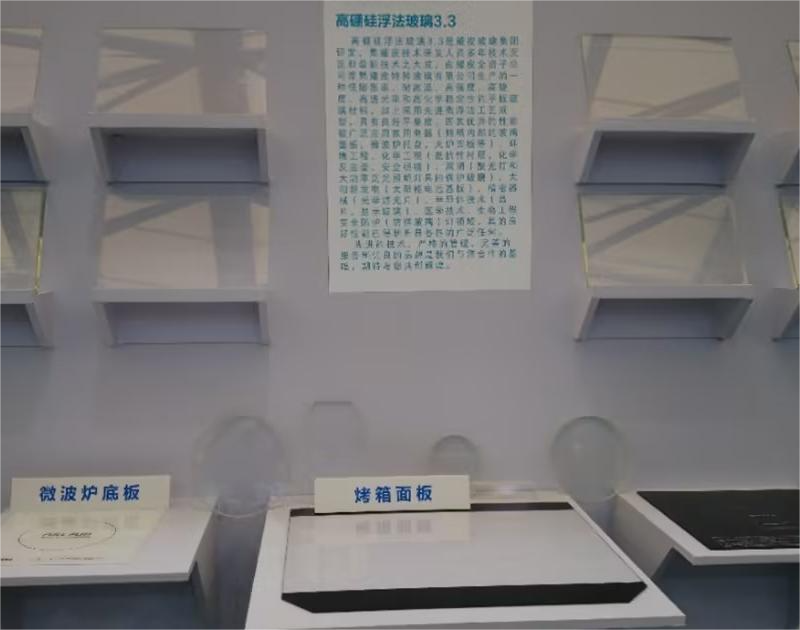
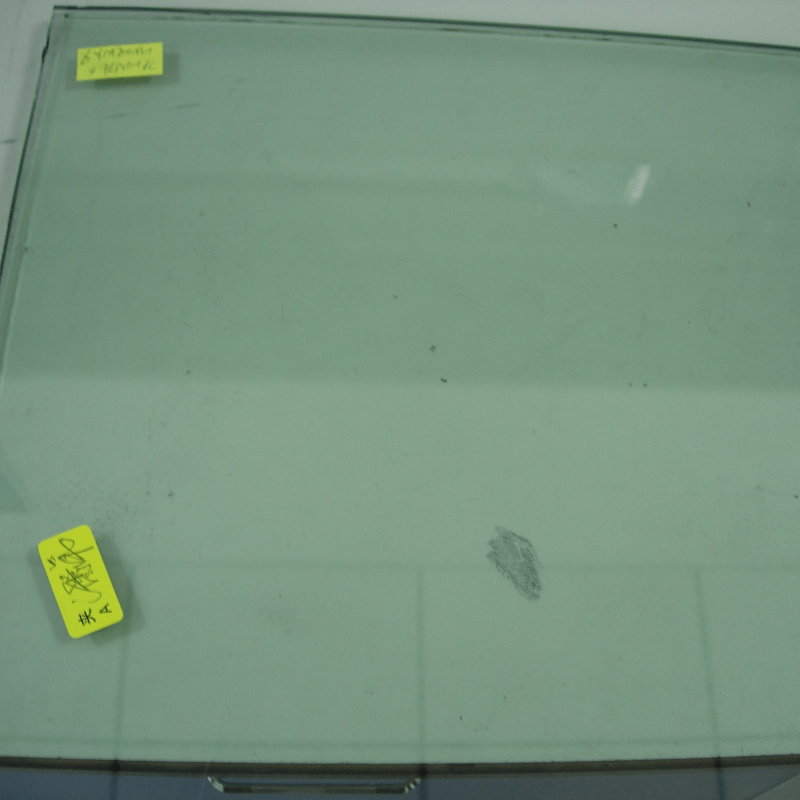
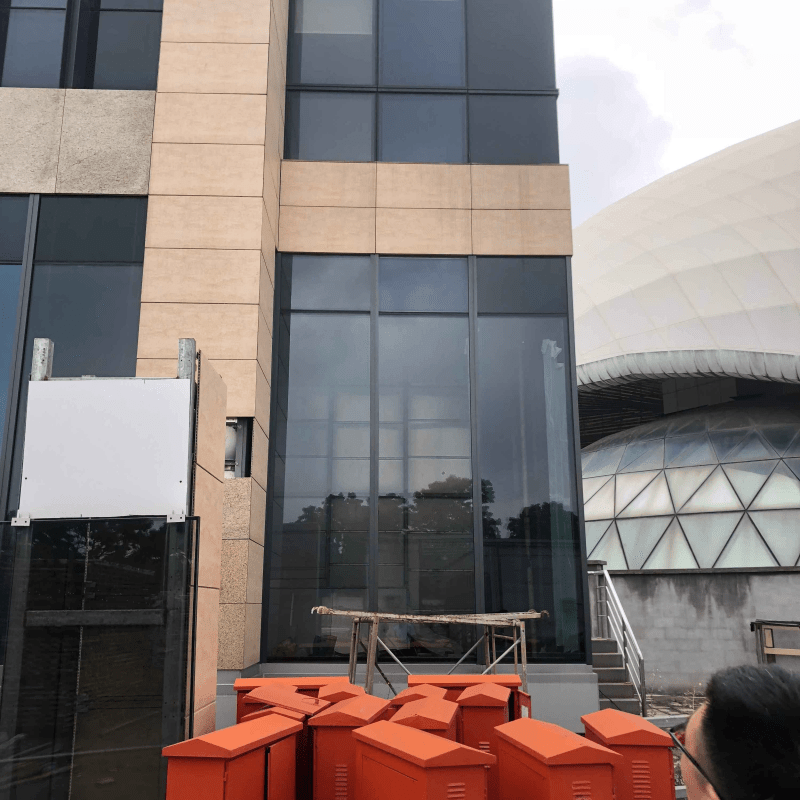
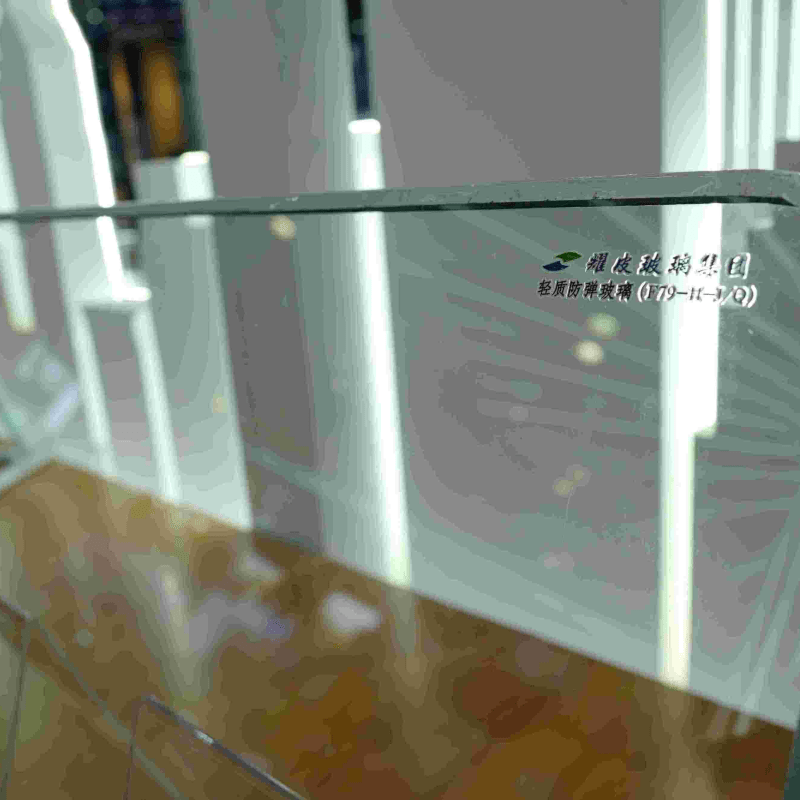
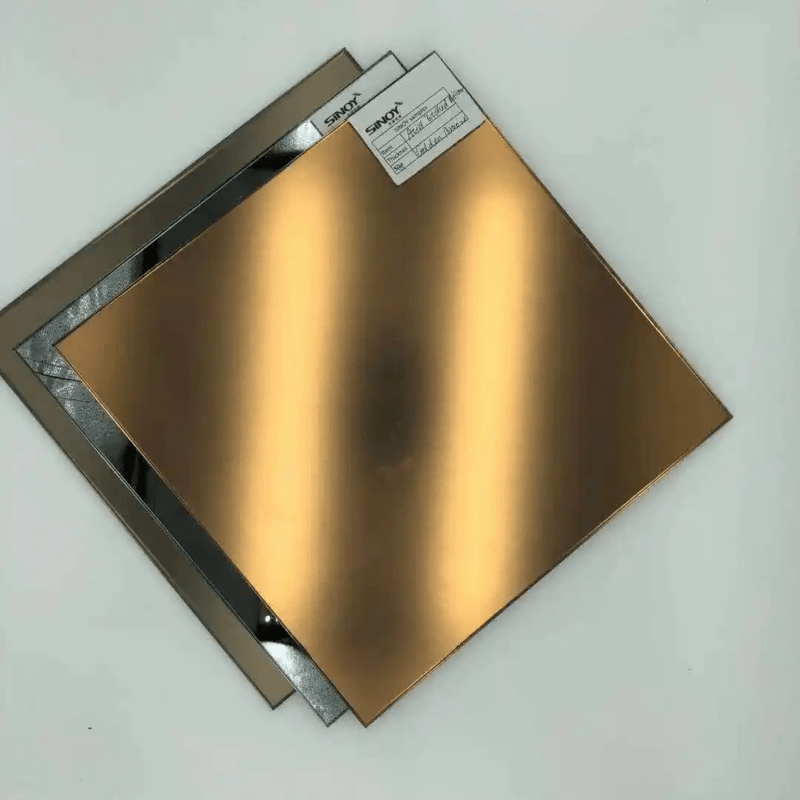
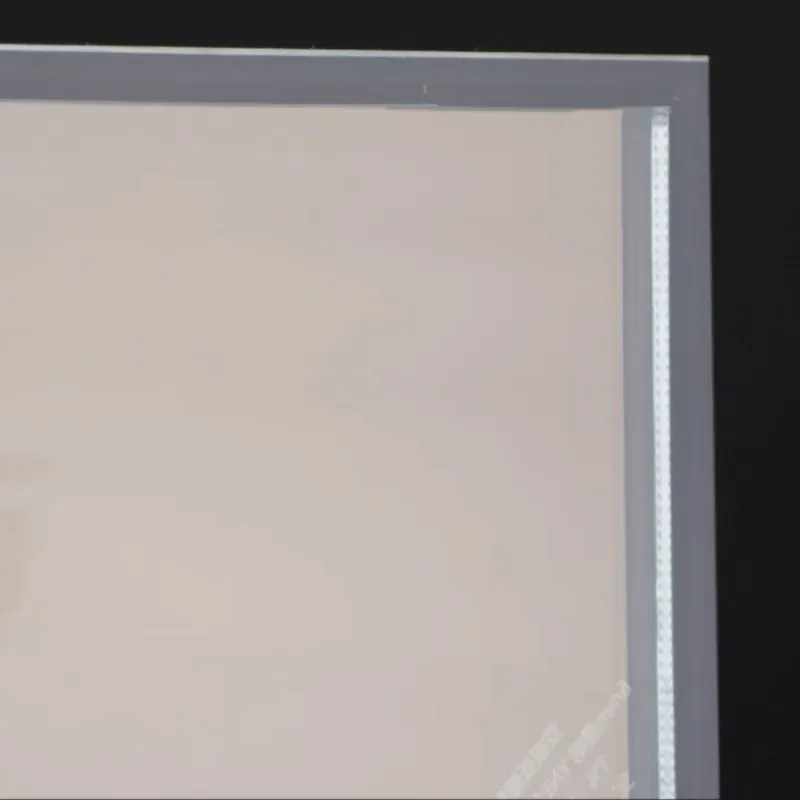
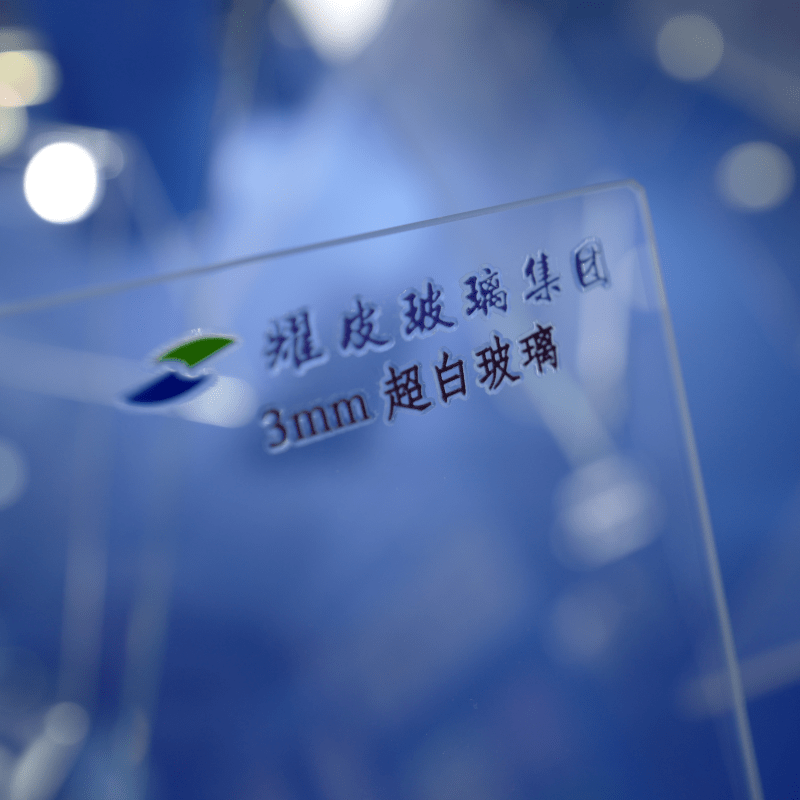
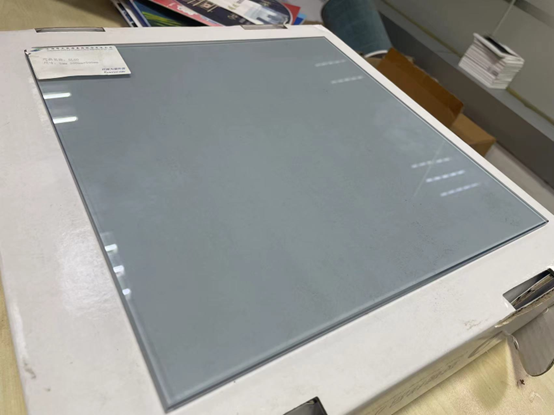
Solar special glass represents a revolutionary advancement in photovoltaic technology, serving as a critical component that maximizes energy conversion efficiency while providing essential protection for solar panels. This specialized glass material differs significantly from conventional window glass through its unique composition and engineering properties designed specifically for solar energy applications. The primary function of solar special glass involves allowing maximum sunlight transmission while protecting delicate photovoltaic cells from environmental hazards including moisture, dust, ultraviolet radiation, and mechanical damage. This protective barrier ensures optimal performance and extends the operational lifespan of solar installations significantly. Technologically, solar special glass incorporates advanced anti-reflective coatings that minimize light reflection and maximize photon absorption by the underlying solar cells. These coatings typically reduce surface reflection from approximately 8 percent to less than 2 percent, resulting in substantial improvements in energy output. The glass features enhanced light transmission properties, achieving transparency levels exceeding 91 percent across the solar spectrum range. Manufacturing processes involve precise temperature control and chemical composition optimization to achieve the desired optical and mechanical characteristics. The glass substrate undergoes specialized tempering processes that increase impact resistance and thermal shock tolerance. Applications for solar special glass span residential rooftop installations, commercial solar farms, concentrated solar power systems, and building-integrated photovoltaics. In residential settings, this glass enables homeowners to achieve higher energy yields from their solar investments while maintaining aesthetic appeal. Commercial installations benefit from the durability and performance consistency that solar special glass provides across large-scale deployments. The material also finds applications in solar thermal collectors, where its thermal properties contribute to efficient heat transfer and retention. Advanced manufacturing techniques ensure consistent quality and performance across various environmental conditions, making solar special glass an indispensable component in modern renewable energy systems.


New Products

Solar special glass delivers numerous practical benefits that directly impact the performance and value of solar energy systems for customers across all market segments. The most significant advantage lies in its superior light transmission capabilities, which directly translate to increased electricity generation and higher returns on investment. Standard window glass typically allows only 85-87 percent of sunlight to pass through, while solar special glass achieves transmission rates exceeding 91 percent, representing a meaningful boost in energy production that accumulates substantial savings over the system's lifetime. Durability constitutes another major advantage, as this specialized glass withstands harsh weather conditions including hail, high winds, temperature fluctuations, and prolonged ultraviolet exposure without degradation. This resilience reduces maintenance costs and minimizes the risk of system downtime, ensuring consistent energy production throughout the installation's operational life. The anti-reflective properties of solar special glass eliminate the glare issues commonly associated with standard solar installations, making them more visually appealing and neighborhood-friendly. This feature proves particularly valuable for residential applications where aesthetic considerations influence purchasing decisions. Customers benefit from enhanced system reliability due to the glass's excellent moisture barrier properties, which prevent water ingress that could damage expensive photovoltaic cells and electrical components. The material's thermal stability ensures consistent performance across varying temperature ranges, maintaining efficiency levels even during extreme weather conditions. Installation flexibility represents another key advantage, as solar special glass accommodates various mounting systems and architectural requirements without compromising performance. The material's standardized dimensions and specifications simplify procurement and installation processes, reducing project complexity and costs. Quality assurance measures built into the manufacturing process guarantee consistent performance characteristics across production batches, providing customers with predictable system behavior and energy output. Long-term cost effectiveness emerges through reduced replacement needs, minimal maintenance requirements, and sustained high performance levels that preserve the initial investment value. Environmental benefits include supporting clean energy production while utilizing recyclable materials in manufacturing, aligning with sustainability goals many customers prioritize in their energy choices.

Tips And Tricks

How Solar Glass Technology Powers Modern Buildings

27

Nov

How Solar Glass Technology Powers Modern Buildings

How Solar Glass Technology Powers Modern Buildings The integration of solar glass into modern architecture represents one of the most significant advances in sustainable building design. This innovative technology transforms ordinary windows and buil...
View More
How Is Coated Glass Made? Manufacturing Process Guide

12

Dec

How Is Coated Glass Made? Manufacturing Process Guide

The manufacturing of coated glass represents one of the most sophisticated processes in modern glass production, combining advanced materials science with precision engineering. This specialized glass product features thin metallic or ceramic layers ...
View More
Bulletproof Glass vs Regular Glass: Key Differences

14

Jan

Bulletproof Glass vs Regular Glass: Key Differences

Security concerns in modern architecture have transformed how we approach glazing solutions, with bulletproof glass emerging as a critical component in high-risk environments. Unlike conventional glazing materials, bulletproof glass represents a soph...
View More
2026 Power Glass Guide: Top Features and Benefits

20

Jan

2026 Power Glass Guide: Top Features and Benefits

The construction and architectural industry continues to evolve with innovative glazing solutions that enhance both energy efficiency and aesthetic appeal. Power glass technology represents a significant advancement in building materials, offering ar...
View More

Get a Free Quote

Our representative will contact you soon.
Email
Name
Company Name
Products
Message
0/1000

solar special glass

Maximum Light Transmission Technology

Maximum Light Transmission Technology

The cornerstone feature of solar special glass lies in its exceptional light transmission technology that fundamentally transforms solar panel efficiency and energy output capabilities. This advanced optical engineering achieves transmission rates exceeding 91 percent across the solar spectrum, representing a quantum leap beyond conventional glass materials used in construction and other applications. The technology employs sophisticated anti-reflective coatings applied through precision manufacturing processes that eliminate surface reflection losses typically encountered with standard glass. These coatings utilize multiple layers of specialized materials with precisely controlled refractive indices that create destructive interference for reflected light while allowing transmitted light to pass through unimpeded. The result produces measurably higher energy yields that directly benefit customers through increased electricity generation and faster payback periods on their solar investments. Manufacturing processes involve carefully controlled application temperatures and atmospheric conditions to ensure coating uniformity and durability across the entire glass surface. Quality control measures verify transmission performance at multiple wavelengths to guarantee consistent results that meet strict industry standards. This technology proves particularly valuable in regions with varying sunlight conditions, as it maximizes energy capture during both peak and off-peak solar hours. The enhanced light transmission directly correlates with improved system return on investment, making solar installations more economically attractive for residential and commercial customers. Field testing demonstrates that solar panels equipped with high-transmission solar special glass consistently outperform those using standard glass by 3-5 percent annually, accumulating significant energy production advantages over the system's 25-year operational lifespan. This performance differential becomes especially important as energy costs continue rising and utility incentives evolve. Customers appreciate the technology's reliability and consistency, as transmission properties remain stable throughout the glass's service life without degradation from environmental exposure or aging effects.
Superior Durability and Weather Resistance

Superior Durability and Weather Resistance

Solar special glass incorporates advanced durability engineering that provides exceptional weather resistance and mechanical strength, ensuring reliable long-term performance under challenging environmental conditions. This durability advantage stems from specialized tempering processes that create internal stress patterns within the glass structure, significantly increasing impact resistance and thermal shock tolerance compared to standard glass products. The tempering process involves precise heating cycles followed by controlled rapid cooling that transforms the glass molecular structure to achieve superior mechanical properties. Testing protocols demonstrate that solar special glass withstands hail impacts up to 25 millimeters in diameter at terminal velocity, providing crucial protection for expensive photovoltaic cells underneath. Wind load resistance capabilities exceed standard building code requirements, ensuring structural integrity during severe weather events including hurricanes and tornadoes. Thermal cycling tests confirm the glass maintains structural integrity and optical properties through temperature variations ranging from -40°C to +85°C, accommodating the extreme conditions encountered in various geographic locations worldwide. Chemical resistance properties prevent degradation from acid rain, salt spray in coastal environments, and industrial pollutants that could compromise system performance over time. UV stability ensures that prolonged sun exposure does not affect the glass's optical or mechanical properties, maintaining consistent performance throughout the installation's operational lifetime. Manufacturing quality controls include stress testing, thermal shock evaluation, and impact resistance verification to guarantee each glass panel meets stringent durability standards. Customers benefit from reduced maintenance requirements and lower lifetime system costs due to the exceptional durability that minimizes replacement needs and system downtime. Warranty coverage reflects manufacturer confidence in durability performance, with many suppliers offering extended warranties that provide customer protection and peace of mind. Field experience across diverse climate zones confirms the reliability of solar special glass under real-world conditions, validating laboratory test results through actual operational performance data.
Cost-Effective Energy Production Enhancement

Cost-Effective Energy Production Enhancement

Solar special glass delivers exceptional cost-effectiveness by maximizing energy production efficiency while minimizing total system ownership costs throughout the installation's operational lifetime. This economic advantage results from the combination of enhanced light transmission, reduced maintenance requirements, and extended service life that collectively improve the financial returns on solar energy investments. Performance testing demonstrates that solar panels equipped with high-quality solar special glass generate 3-6 percent more electricity annually compared to systems using standard glass, creating measurable improvements in system payback periods and lifetime energy yields. Energy production calculations show that this performance differential translates to substantial monetary savings over typical 25-year system lifespans, often exceeding the initial premium cost within the first few years of operation. Maintenance cost reductions stem from the glass's superior resistance to environmental degradation, eliminating the need for frequent cleaning, replacement, or repair activities that burden system owners with ongoing expenses. Insurance benefits may apply to installations using certified solar special glass due to its proven durability and reduced risk of damage claims, potentially lowering coverage costs for commercial and residential customers. Manufacturing economies of scale continue improving cost-effectiveness as production volumes increase and technology advances reduce manufacturing complexity and expenses. Quality assurance programs ensure consistent performance that customers can rely upon for financial planning and energy production forecasting purposes. Financing advantages emerge as lenders recognize the enhanced reliability and performance of systems incorporating solar special glass, potentially offering improved loan terms and conditions for qualified installations. Utility interconnection benefits may include streamlined approval processes for systems meeting enhanced performance standards, reducing project development costs and timeline risks. Resale value improvements for properties with high-performance solar installations provide additional financial benefits that enhance overall investment attractiveness. Market trends indicate growing recognition of solar special glass benefits among system designers, installers, and end customers, driving broader adoption and continued technological advancement that further improves cost-effectiveness for future installations.

Get a Free Quote

Our representative will contact you soon.
Email
Name
Company Name
Products
Message
0/1000
Newsletter
Contact Us