
 EN
EN
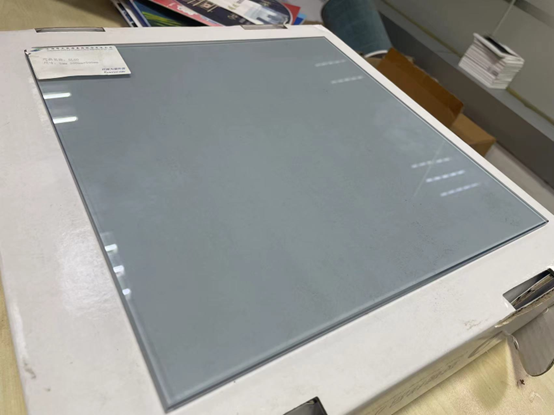
In today's increasingly unpredictable world, the demand for enhanced security measures has never been higher. From corporate headquarters to residential properties, property owners are exploring advanced protection solutions that offer peace of mind without compromising aesthetics. Among these options, bulletproof glass stands out as a sophisticated barrier that combines transparency with exceptional protection. This transparent armor represents a significant investment that many consider essential for safeguarding valuable assets, personnel, and loved ones against various threats.
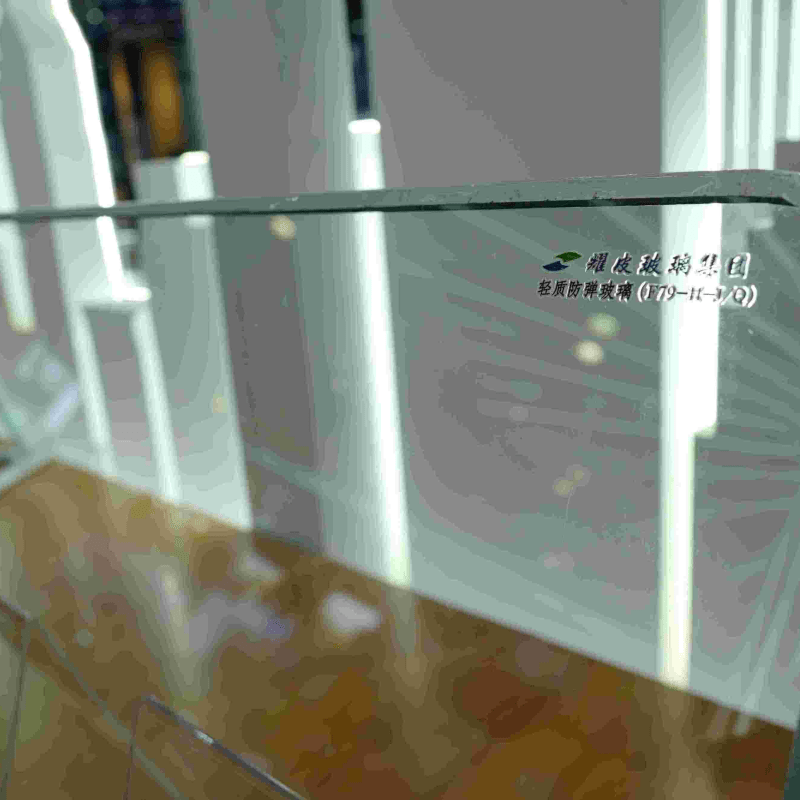
The technology behind bulletproof glass has evolved dramatically over the past decades, incorporating advanced materials and manufacturing processes that deliver superior performance. Modern security glazing solutions utilize multiple layers of specialized glass and polymer interlayers that work together to absorb and dissipate the energy from ballistic impacts. This engineering marvel maintains optical clarity while providing protection levels that were previously unimaginable in traditional glazing applications.
Understanding Bulletproof Glass Technology
Composition and Manufacturing Process
The construction of bulletproof glass involves sophisticated layering techniques that combine multiple materials to achieve optimal protection. Typically, these systems incorporate alternating layers of glass and polycarbonate or other transparent polymers, creating a composite structure that offers exceptional strength. The manufacturing process requires precise temperature control and pressure application to ensure proper bonding between layers, resulting in a monolithic appearance that maintains excellent optical properties.
Advanced production facilities utilize specialized equipment to create these security glazing systems with consistent quality and performance characteristics. Each layer serves a specific purpose in the overall protection scheme, with outer glass layers designed to distribute impact forces while inner polymer layers provide flexibility and energy absorption. The thickness and configuration of these layers vary depending on the required protection level and specific application requirements.
Protection Levels and Standards
Security glazing systems are classified according to internationally recognized standards that define their resistance to various threat levels. These classifications range from basic protection against handgun rounds to advanced systems capable of withstanding high-powered rifle ammunition. Understanding these protection levels is crucial for making informed decisions about the appropriate bulletproof glass specification for specific security requirements.
The testing procedures for these systems involve rigorous ballistic evaluations using standardized ammunition types and firing conditions. Independent testing laboratories verify performance claims through comprehensive testing protocols that simulate real-world threat scenarios. These standards ensure that security glazing products deliver consistent and reliable protection when properly installed and maintained.
Applications Across Different Sectors
Commercial and Government Facilities
Government buildings, banks, and other high-security commercial facilities represent the primary markets for advanced bulletproof glass installations. These applications often require the highest levels of protection due to the sensitive nature of operations and the potential for targeted attacks. Security glazing in these environments must balance protection requirements with operational needs, ensuring that natural light transmission and visual communication remain possible.
Modern commercial installations frequently incorporate bulletproof glass into comprehensive security systems that include access control, surveillance, and alarm components. The integration of these systems requires careful planning and coordination to ensure optimal performance while maintaining architectural aesthetics. Many facilities also require specialized features such as transaction windows or communication ports that must be integrated into the security glazing system.
Residential Security Applications
High-net-worth individuals and celebrities increasingly invest in residential bulletproof glass installations to protect their families and property. These applications often require customized solutions that blend seamlessly with existing architectural elements while providing enhanced security. Residential installations must consider factors such as natural light transmission, thermal performance, and aesthetic integration with surrounding design elements.
The residential market for security glazing has expanded significantly as manufacturing costs have decreased and awareness of personal security threats has increased. Modern residential bulletproof glass systems can be designed to appear identical to standard glazing while providing substantial protection against various threats. These installations often include features such as laminated construction for safety, energy-efficient coatings, and specialized framing systems that enhance overall security.
Cost Analysis and Financial Considerations
Initial Investment Requirements
The upfront cost of bulletproof glass installations varies significantly depending on protection level requirements, system size, and installation complexity. Basic protection systems may cost several times more than standard glazing, while advanced systems capable of stopping high-powered rifle rounds represent substantial investments. These costs must be evaluated against the potential losses that could result from security breaches or violent incidents.
Installation expenses often represent a significant portion of the total project cost, as specialized expertise is required to properly integrate security glazing systems into existing or new construction. The complexity of installation increases with system size and protection level requirements, as heavier glazing units require enhanced structural support and specialized handling equipment. Project timelines may also be extended due to the custom nature of most security glazing applications.
Long-term Value and Return on Investment
While the initial investment in bulletproof glass systems may seem substantial, the long-term value proposition often justifies the expense for many applications. These systems provide decades of reliable protection with minimal maintenance requirements, representing excellent value when compared to the potential costs of security incidents or the ongoing expenses of alternative security measures such as armed guards or extensive surveillance systems.
Insurance considerations also play a significant role in the financial analysis of security glazing investments. Many insurance providers offer reduced premiums for properties equipped with certified bulletproof glass systems, recognizing the reduced risk of loss associated with these installations. The documentation of appropriate security measures may also be required for certain types of commercial insurance coverage, making these investments necessary for business operations.
Installation and Maintenance Requirements
Professional Installation Considerations
Proper installation of bulletproof glass systems requires specialized knowledge and equipment that only experienced security glazing contractors possess. The installation process involves careful measurement, structural assessment, and precise fitting to ensure optimal performance and appearance. Improper installation can compromise the protective capabilities of even the highest-quality security glazing systems, making professional installation essential.
The installation timeline for security glazing projects depends on system complexity and site conditions, with most projects requiring several days to weeks for completion. Coordination with other construction activities is often necessary to ensure proper integration of the bulletproof glass system with surrounding architectural elements. Site preparation may include structural reinforcement to support the additional weight of security glazing systems.
Ongoing Maintenance and Support
Maintenance requirements for bulletproof glass systems are generally minimal compared to other security technologies, though regular inspections and cleaning are necessary to maintain optimal performance and appearance. The robust construction of these systems typically provides decades of reliable service with proper care, making them cost-effective security solutions over their operational lifetime.
Cleaning procedures for security glazing differ from standard glass maintenance due to the specialized coatings and surface treatments often applied to bulletproof glass systems. Manufacturers typically provide specific cleaning guidelines and approved products to prevent damage to protective coatings or optical properties. Regular inspection by qualified professionals helps identify any potential issues before they compromise system performance.
Comparing Alternatives to Bulletproof Glass
Traditional Security Measures
Traditional security approaches such as armed guards, surveillance systems, and access controls offer different advantages and limitations compared to bulletproof glass installations. While these measures can provide effective deterrence and response capabilities, they do not offer the passive protection that security glazing provides. The ongoing operational costs of traditional security measures often exceed the amortized cost of bulletproof glass systems over time.
Physical barriers such as steel shutters or concrete walls can provide excellent protection but completely eliminate transparency and natural light transmission. The aesthetic impact of these alternatives often makes them unsuitable for many commercial and residential applications where maintaining normal appearance and functionality is important. Security glazing offers the unique advantage of providing protection while maintaining normal building operations and appearance.
Advanced Security Technologies
Modern security technology solutions include sophisticated alarm systems, biometric access controls, and AI-powered surveillance systems that complement bulletproof glass installations. These technologies excel at detection and notification but cannot physically prevent penetration or provide protection during active threat situations. The combination of security glazing with advanced electronic systems creates comprehensive protection strategies that address multiple threat scenarios.
The reliability advantages of bulletproof glass become apparent when comparing passive protection systems to active technologies that require power, maintenance, and human intervention to function effectively. Security glazing continues to provide protection even during power outages or system failures that might compromise electronic security measures. This reliability factor makes bulletproof glass an essential component of comprehensive security strategies for critical facilities.
FAQ
How long does bulletproof glass typically last?
High-quality bulletproof glass systems can provide reliable protection for 20 to 30 years or more when properly installed and maintained. The longevity of these systems depends on environmental conditions, usage patterns, and maintenance practices. Most manufacturers provide warranties ranging from 10 to 20 years, reflecting confidence in their products' durability and performance consistency over time.
Can bulletproof glass be repaired if damaged?
Minor surface damage to bulletproof glass can sometimes be repaired using specialized techniques, but significant damage typically requires complete replacement of the affected panel. The multi-layer construction of security glazing makes repairs complex and potentially costly. Most security experts recommend replacement rather than repair for any damage that could compromise the system's protective capabilities or optical clarity.
Does bulletproof glass affect natural light transmission?
Modern bulletproof glass systems maintain excellent optical clarity with light transmission rates typically ranging from 85% to 95% of standard glass performance. Advanced manufacturing techniques and high-quality materials minimize optical distortion while maintaining protection capabilities. Some systems incorporate low-emissivity coatings or other energy-efficient features that may slightly reduce light transmission but provide additional benefits such as UV protection and thermal performance.
What factors should be considered when choosing bulletproof glass?
Key considerations include required protection level, installation environment, aesthetic requirements, and budget constraints. The threat assessment should drive protection level selection, while architectural integration requirements influence system design and installation approach. Professional security consultants can help evaluate specific needs and recommend appropriate bulletproof glass solutions that balance protection, performance, and cost considerations for each unique application.