
 EN
EN
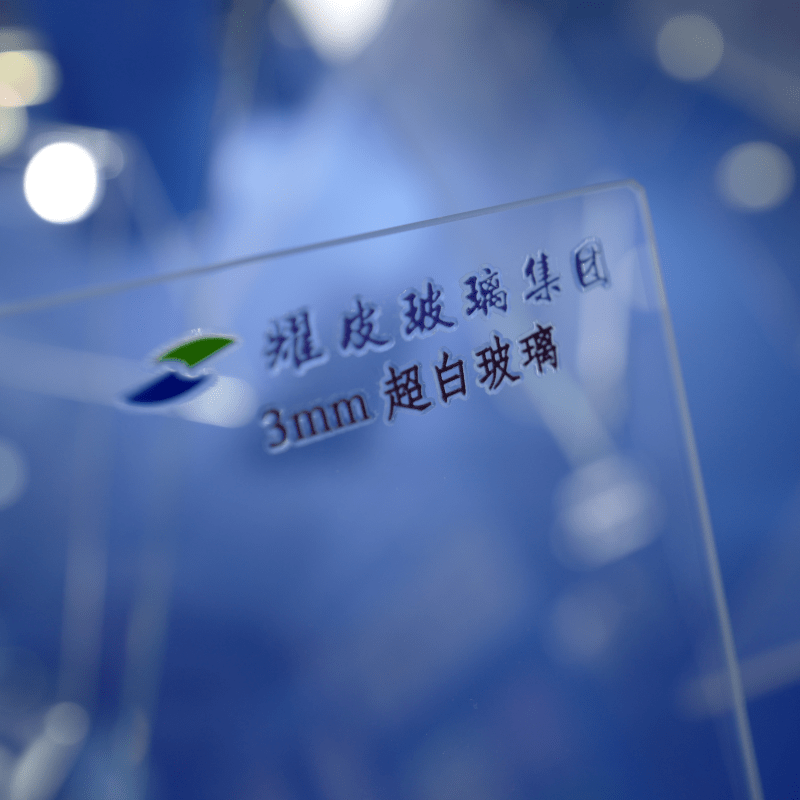
The construction and architectural industries have witnessed remarkable innovations in glass technology over recent decades. Among these breakthroughs, power glass stands out as a revolutionary material that transforms traditional building concepts. Unlike conventional glazing solutions, power glass incorporates advanced engineering principles that deliver superior performance characteristics essential for modern construction projects.
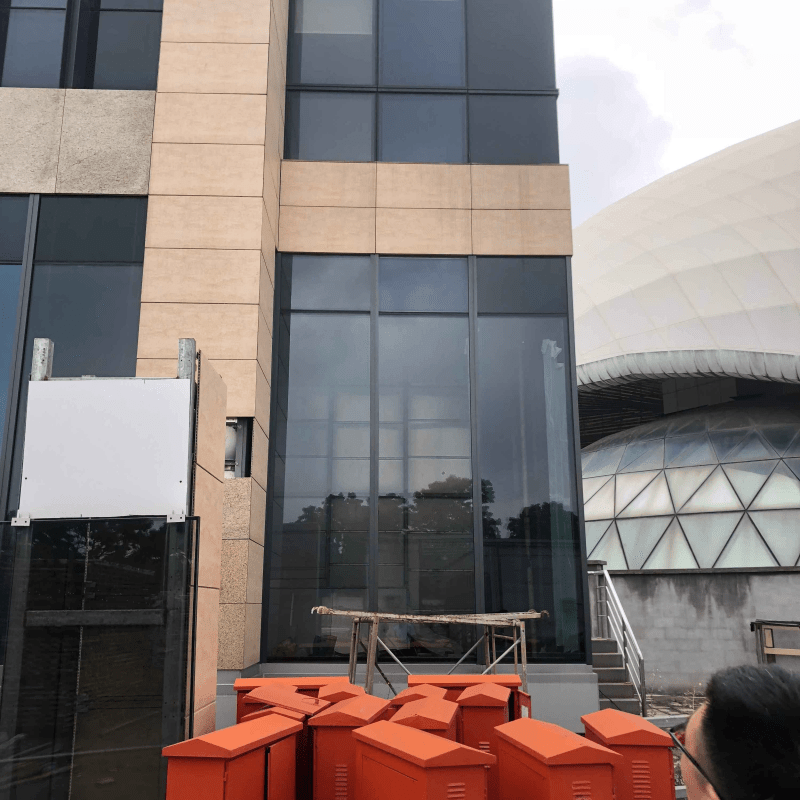
Understanding the fundamental differences between power glass and regular glass becomes crucial when selecting materials for commercial buildings, residential projects, or industrial applications. These distinctions impact everything from energy efficiency and structural integrity to long-term maintenance costs and environmental sustainability. Professional architects, contractors, and building owners increasingly recognize that the initial investment in advanced glazing technology pays substantial dividends through reduced operational expenses and enhanced occupant comfort.
Advanced Engineering Behind Power Glass Technology
Multi-Layer Coating Systems
Power glass incorporates sophisticated multi-layer coating systems that fundamentally alter its thermal and optical properties. These microscopic metallic layers, typically silver-based, are applied through precise magnetron sputtering processes under controlled atmospheric conditions. The result creates a transparent barrier that selectively manages solar radiation while maintaining excellent visible light transmission.
The coating architecture in power glass involves multiple functional layers including antireflective films, protective oxides, and primary metallic components. Each layer serves specific purposes in optimizing thermal performance and durability. Regular glass lacks these sophisticated coatings, limiting its ability to control heat transfer and solar gain effectively.
Triple Silver Low-E Technology
Modern power glass frequently utilizes triple silver low-emissivity technology that represents the pinnacle of glazing innovation. This advanced configuration employs three distinct silver layers separated by dielectric materials, creating unprecedented control over electromagnetic radiation across different wavelength ranges.
The triple silver configuration allows power glass to achieve remarkable thermal performance metrics while preserving natural daylight quality. Each silver layer targets specific portions of the solar spectrum, enabling precise tuning of solar heat gain coefficients and visible light transmission ratios. Regular glass cannot achieve these sophisticated optical characteristics without additional treatments or modifications.
Thermal Performance Characteristics
Insulation Properties
Thermal insulation represents one of the most significant advantages of power glass over conventional alternatives. The low-emissivity coatings dramatically reduce radiative heat transfer, creating effective thermal barriers that minimize energy loss during heating seasons and reduce cooling loads during summer months.
Power glass typically achieves U-values significantly lower than regular glass, often reaching performance levels between 0.15 and 0.25 W/m²K when used in insulated glazing units. Regular glass systems rarely achieve U-values below 1.0 W/m²K without additional insulation measures. This substantial performance difference translates directly into energy savings and improved indoor climate control.
Solar Heat Gain Control
Managing solar heat gain becomes increasingly important in modern building design, particularly for structures with extensive glazed facades. Power glass provides precise control over solar energy admission through selective wavelength filtering that blocks infrared radiation while permitting beneficial daylight penetration.
The solar heat gain coefficient of power glass can be tailored to specific climate conditions and building orientations, typically ranging from 0.15 to 0.40 depending on coating specifications. Regular glass offers limited control over solar heat gain, usually maintaining coefficients above 0.70, which can lead to overheating and increased cooling requirements.
Optical Performance and Light Management
Visible Light Transmission
Despite its advanced thermal properties, power glass maintains excellent visible light transmission characteristics essential for occupant comfort and productivity. The engineered coatings selectively filter electromagnetic radiation, allowing beneficial daylight wavelengths to pass through while blocking problematic infrared and ultraviolet components.
Modern power glass formulations achieve visible light transmission rates between 60% and 80%, providing ample natural illumination for interior spaces. The neutral color characteristics ensure minimal visual distortion, maintaining accurate color perception for occupants. Regular glass typically offers higher visible light transmission but cannot provide the selective filtering capabilities that make power glass superior for energy management.
Glare Reduction and Comfort
Power glass technology addresses glare concerns through sophisticated light management techniques that improve visual comfort without compromising natural illumination levels. The selective coatings reduce harsh reflections and excessive brightness that commonly occur with regular glass installations.
The optical properties of power glass create more uniform light distribution throughout interior spaces, reducing hot spots and shadows that can cause visual discomfort. This enhanced light quality contributes to improved productivity and reduced eye strain for building occupants compared to environments with regular glass installations.
Durability and Longevity Considerations
Weather Resistance
Power glass incorporates protective layers and advanced manufacturing techniques that enhance long-term durability under various environmental conditions. The coating systems resist degradation from ultraviolet exposure, thermal cycling, and moisture infiltration that commonly affect regular glass performance over time.
Laboratory testing demonstrates that power glass maintains its thermal and optical properties for decades under normal operating conditions. The protective oxide layers shield the functional metallic components from oxidation and corrosion, ensuring consistent performance throughout the building's service life. Regular glass lacks these protective mechanisms, making it more susceptible to performance degradation over time.
Maintenance Requirements
Maintenance considerations differ significantly between power glass and regular glass installations. While power glass incorporates sophisticated coatings, these systems are designed for durability and require minimal specialized maintenance beyond standard cleaning procedures.
The surface characteristics of power glass often include easy-clean properties that reduce maintenance frequency and simplify cleaning procedures. Regular glass may require more frequent maintenance to achieve comparable appearance and performance levels, particularly in challenging environmental conditions or high-traffic applications.
Economic Impact and Cost Analysis
Initial Investment Considerations
The initial cost differential between power glass and regular glass reflects the advanced manufacturing processes and sophisticated materials involved in production. While power glass commands premium pricing, the investment must be evaluated against long-term operational benefits and energy savings potential.
Comprehensive cost analysis reveals that power glass often provides positive return on investment through reduced energy consumption, lower HVAC operating costs, and potential utility rebates or tax incentives. The payback period varies depending on climate conditions, building usage patterns, and local energy costs, but typically ranges from five to ten years for most commercial applications.
Long-Term Value Proposition
Beyond immediate energy savings, power glass contributes to enhanced building values through improved sustainability ratings, tenant satisfaction, and reduced operational expenses. These factors become increasingly important in competitive real estate markets where energy efficiency drives leasing decisions and property valuations.
The longevity of power glass performance characteristics ensures that initial investments continue generating returns throughout the building's operational life. Regular glass may require replacement or retrofitting to achieve comparable performance levels, resulting in additional costs and disruptions that power glass installations avoid.
Environmental Impact and Sustainability
Energy Consumption Reduction
Power glass directly contributes to building energy efficiency goals by reducing heating and cooling loads throughout the year. This energy reduction translates into lower carbon emissions and reduced environmental impact compared to buildings utilizing regular glass systems.
Studies indicate that power glass installations can reduce building energy consumption by 15% to 30% compared to regular glass alternatives, depending on climate conditions and building design characteristics. This substantial energy reduction supports corporate sustainability initiatives and helps buildings achieve green certification standards.
Manufacturing and Lifecycle Considerations
While power glass manufacturing requires additional processing steps compared to regular glass production, the environmental benefits realized during the operational phase typically offset the increased production energy requirements within the first few years of service.
The extended service life of power glass reduces replacement frequency and associated environmental impacts from manufacturing, transportation, and installation activities. This lifecycle advantage becomes increasingly significant as buildings operate for decades, making power glass a more sustainable choice compared to regular glass systems that may require earlier replacement or performance upgrades.
Application Considerations and Selection Criteria
Climate-Specific Performance
Selecting between power glass and regular glass depends heavily on local climate conditions, building orientation, and specific performance requirements. Power glass excels in applications where thermal performance and energy efficiency are priorities, particularly in extreme climates with significant heating or cooling loads.
Different power glass formulations optimize performance for specific climate zones, allowing designers to select products that maximize benefits for particular geographic locations. Regular glass provides adequate performance in moderate climates but may not deliver optimal results in challenging environmental conditions where advanced thermal management becomes essential.
Building Type and Usage Patterns
Commercial buildings with high occupancy densities, extended operating hours, or strict environmental control requirements benefit significantly from power glass installations. The enhanced thermal performance and light management capabilities support productivity while reducing operational costs.
Residential applications increasingly specify power glass for premium homes and energy-efficient construction projects where occupant comfort and utility cost reduction justify the initial investment. Regular glass remains suitable for basic residential applications where advanced performance characteristics are not required or economically justified.
FAQ
How long does power glass maintain its energy-saving properties
Power glass maintains its energy-saving properties for 20 to 25 years under normal operating conditions. The advanced coating systems are engineered for long-term stability and resist degradation from environmental factors. Regular maintenance and proper installation ensure optimal performance throughout the glazing system's service life.
Can power glass be used in all window frame types
Power glass is compatible with most modern window frame systems including aluminum, vinyl, wood, and composite materials. The glazing units are manufactured to standard dimensions and can be integrated into various frame configurations. Proper sealing and installation techniques are essential for achieving optimal thermal performance regardless of frame material selection.
What maintenance procedures are required for power glass
Power glass requires standard glass cleaning procedures using mild detergents and soft cleaning materials. Avoid abrasive cleaners or tools that could damage the coating surfaces. Regular inspection of seals and hardware ensures continued performance, and professional cleaning services familiar with coated glass products provide optimal results.
Does power glass affect wireless signal transmission
Modern power glass formulations are designed to minimize interference with wireless communications including cellular, WiFi, and radio frequencies. While some signal attenuation may occur compared to regular glass, the impact is typically minimal and does not significantly affect normal communication device operation in most applications.