architectural special glass
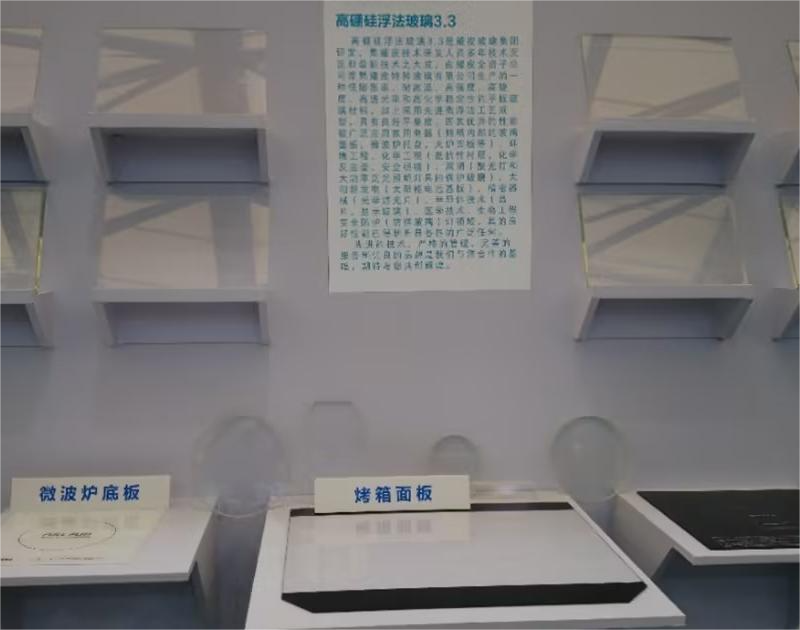
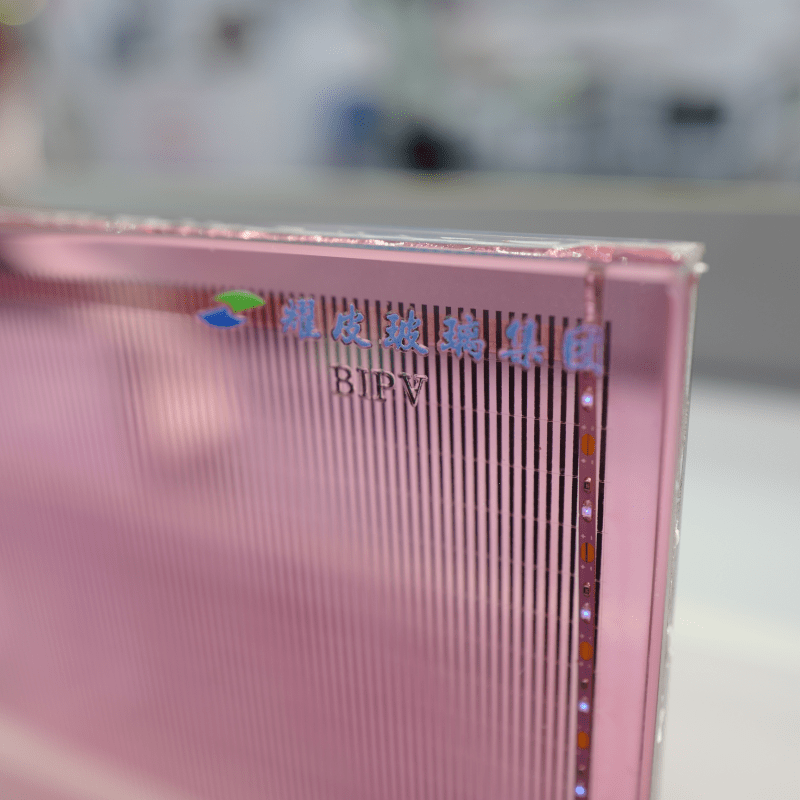
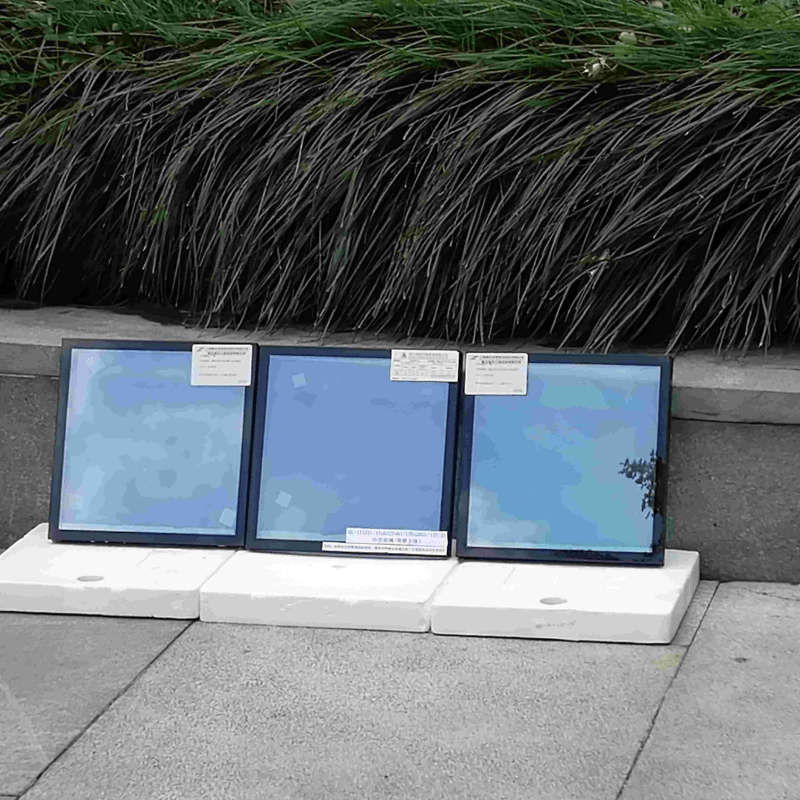
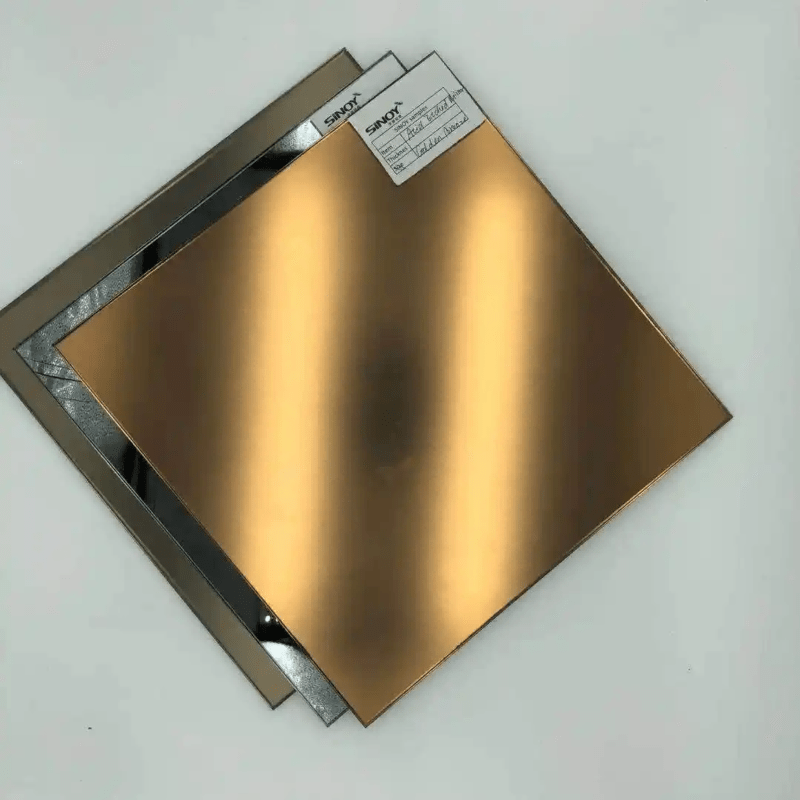
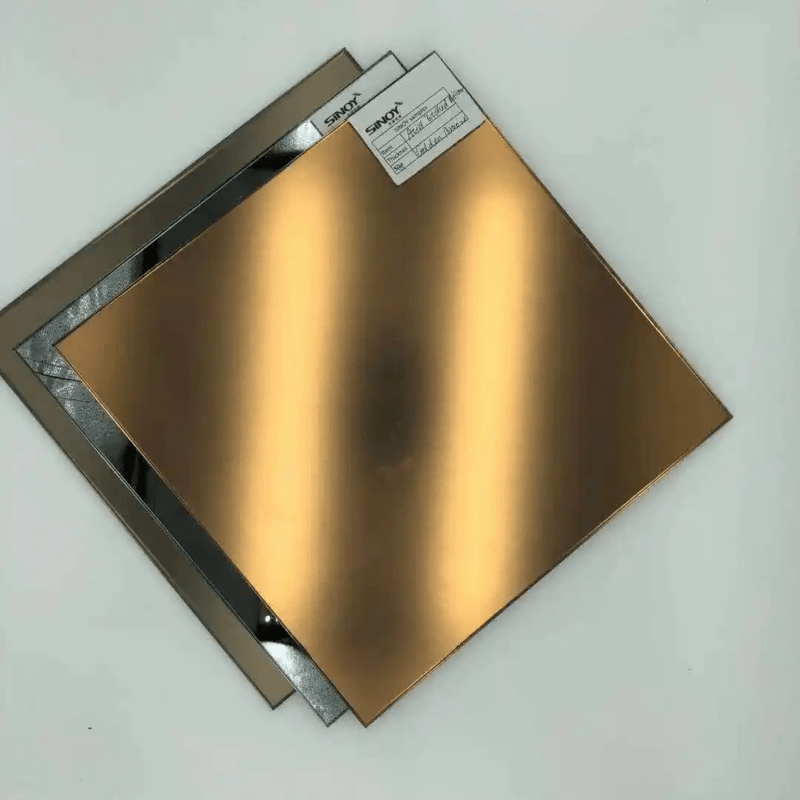
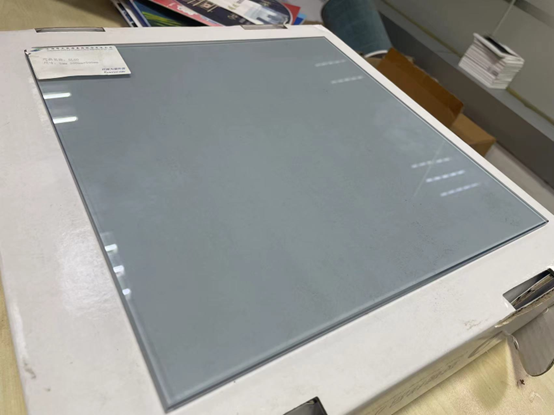
Architectural special glass represents a revolutionary advancement in building materials, designed specifically to meet the demanding requirements of modern construction projects. This sophisticated glazing solution combines cutting-edge technology with practical functionality to deliver superior performance across residential, commercial, and industrial applications. Architectural special glass encompasses various specialized types including low-emissivity glass, laminated safety glass, tempered glass, and smart glass technologies that respond to environmental conditions. The primary functions of architectural special glass extend far beyond traditional glazing materials, offering enhanced thermal insulation, acoustic control, security features, and energy efficiency benefits. These high-performance glazing systems incorporate multiple layers of specialized coatings and interlayers that work together to regulate heat transfer, reduce noise transmission, and provide superior structural integrity. The technological features of architectural special glass include advanced coating systems that selectively filter solar radiation while maintaining optimal visible light transmission. These coatings utilize microscopic metallic layers and ceramic materials that create barriers against unwanted heat gain during summer months while retaining interior warmth during winter periods. Modern architectural special glass also incorporates electrochromic technology, allowing dynamic control over transparency and solar heat gain through electrical activation. Applications for architectural special glass span across diverse building types including office towers, residential complexes, healthcare facilities, educational institutions, and retail establishments. These specialized glazing systems prove particularly valuable in curtain wall installations, skylights, windows, and architectural facades where performance requirements exceed standard glass capabilities. The integration of architectural special glass into building designs contributes significantly to achieving green building certifications and meeting increasingly stringent energy codes while providing occupants with improved comfort and wellbeing through superior indoor environmental quality.

 EN
EN