
 EN
EN
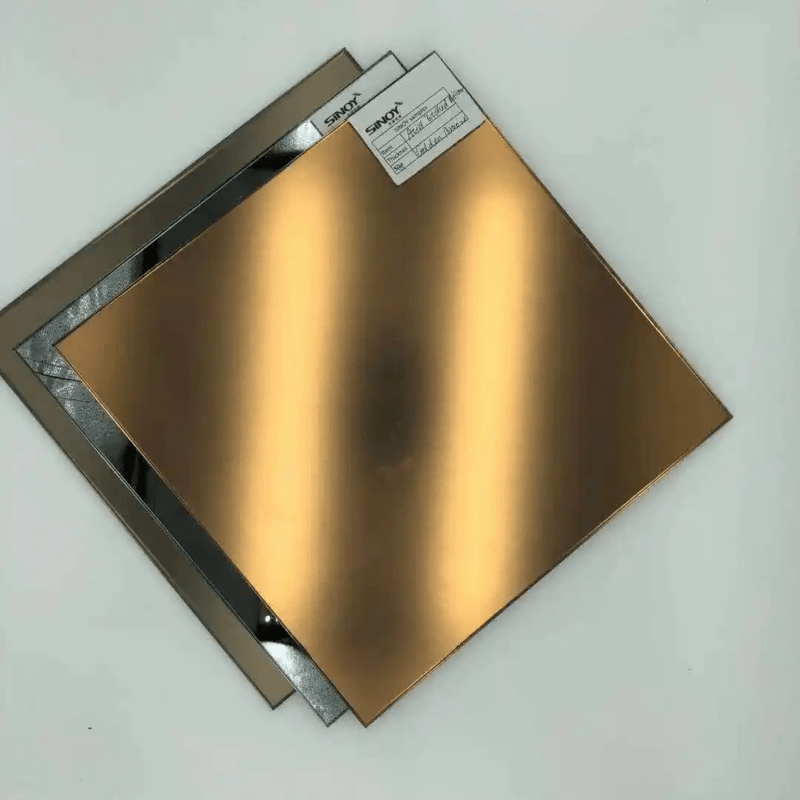
Solar glass represents a revolutionary advancement in renewable energy technology, transforming how we harness and utilize solar power. This specialized glass material serves as the protective front cover for photovoltaic panels and solar thermal collectors, playing a crucial role in maximizing energy efficiency while ensuring long-term durability. The development of various solar glass types has enabled manufacturers to optimize performance characteristics for different environmental conditions and applications, making solar energy systems more reliable and cost-effective than ever before.
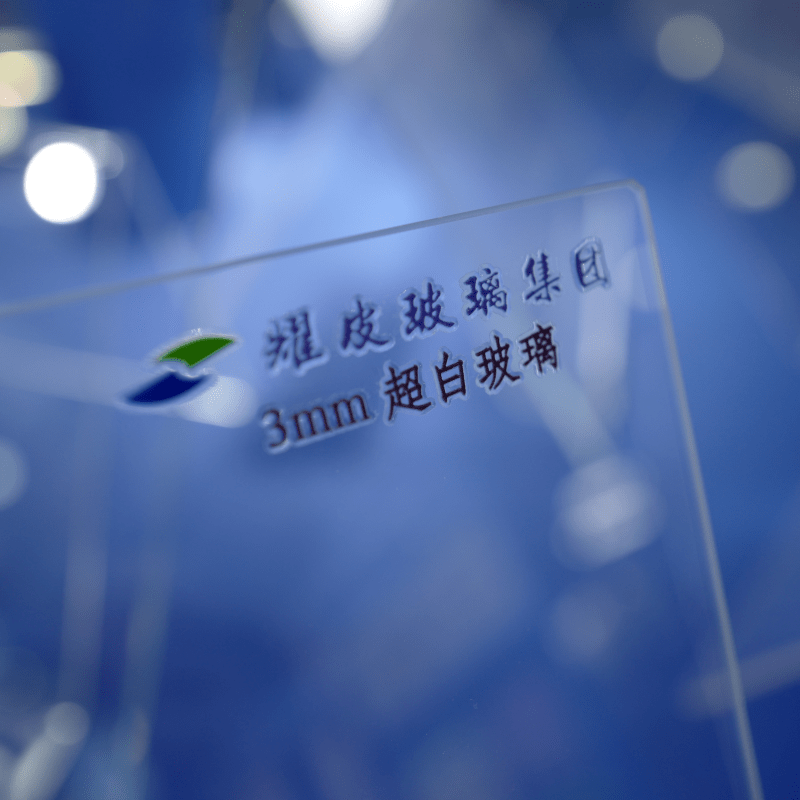
Understanding the different types of solar glass available in today's market is essential for engineers, project developers, and manufacturers seeking to optimize their solar installations. Each variety of solar glass offers unique properties that can significantly impact energy output, maintenance requirements, and overall system longevity. From ultra-white low-iron compositions to specialized anti-reflective coatings, the selection of appropriate solar glass can determine the success of solar energy projects across residential, commercial, and utility-scale applications.
Understanding Solar Glass Fundamentals
Core Properties and Characteristics
Solar glass must possess exceptional optical properties to maximize light transmission while maintaining structural integrity under extreme weather conditions. The primary requirement for effective solar glass is high transparency, typically achieving light transmission rates exceeding 91% across the solar spectrum. This enhanced transparency is achieved through careful control of iron oxide content, which naturally occurs in standard glass and creates a greenish tint that reduces light transmission efficiency.
The mechanical properties of solar glass are equally important, as panels must withstand thermal cycling, wind loads, and potential impact from hail or debris. Quality solar glass exhibits low thermal expansion coefficients and high mechanical strength, ensuring dimensional stability throughout decades of operation. Surface hardness and scratch resistance are critical factors that determine long-term performance, as any surface damage can create hotspots or reduce overall energy conversion efficiency.
Manufacturing Process Considerations
The production of high-quality solar glass involves precise control of raw material composition and manufacturing parameters. The float glass process, commonly used for solar glass production, requires careful temperature management and atmosphere control to achieve the desired optical and mechanical properties. Advanced manufacturing techniques include specialized annealing processes that relieve internal stresses and improve thermal shock resistance.
Quality control during solar glass manufacturing involves extensive testing of optical properties, mechanical strength, and surface quality. Manufacturers must ensure consistent thickness uniformity, minimal optical distortion, and absence of inclusions or bubbles that could compromise performance. The integration of anti-reflective coatings and other surface treatments requires additional processing steps that demand precise control to maintain coating adhesion and durability.
Low-Iron Ultra-White Solar Glass
Composition and Optical Performance
Low-iron solar glass represents the premium standard for photovoltaic applications, featuring iron oxide content reduced to less than 0.015% compared to 0.1% in standard glass. This dramatic reduction in iron content eliminates the characteristic green tint and increases light transmission to over 91% in the 380-1100nm wavelength range. The enhanced transparency directly translates to improved energy output, making low-iron solar glass the preferred choice for high-performance installations.
The optical clarity of ultra-white solar glass provides consistent performance across different lighting conditions, ensuring maximum energy harvest throughout the day. The neutral color appearance also offers aesthetic advantages for building-integrated photovoltaic applications where visual appeal is important. Advanced low-iron formulations can achieve light transmission rates approaching 92%, representing the current industry benchmark for premium solar applications.
Applications and Performance Benefits
Ultra-white solar glass finds widespread application in utility-scale photovoltaic installations where maximizing energy output is paramount. The superior light transmission characteristics enable higher power ratings per panel, improving the overall economics of large solar projects. Commercial and residential installations also benefit from the enhanced performance, particularly in regions with moderate solar irradiance where every percentage point of additional efficiency matters.
The durability characteristics of low-iron solar glass make it suitable for challenging environmental conditions, including high-temperature desert installations and coastal environments with salt air exposure. The reduced iron content actually improves resistance to thermal stress and UV degradation, contributing to longer service life and maintained performance over time. These performance advantages justify the premium cost of ultra-white solar glass in applications where long-term energy output is prioritized.
Anti-Reflective Coated Solar Glass
Coating Technologies and Mechanisms
Anti-reflective coated solar glass incorporates thin-film optical coatings designed to minimize surface reflections and maximize light transmission into the photovoltaic cells. These coatings typically consist of multiple layers of metal oxides with precisely controlled thickness and refractive indices to create destructive interference for reflected light. Common coating materials include silicon dioxide, titanium dioxide, and aluminum oxide, applied through various deposition techniques.
The effectiveness of anti-reflective coatings depends on careful optimization of layer thickness and composition for the specific wavelength range of interest. Single-layer coatings can reduce surface reflections from 8% to approximately 2-3%, while multi-layer systems can achieve even lower reflectance levels. The coating design must balance optical performance with durability requirements, as the surface treatment must withstand decades of UV exposure, thermal cycling, and weather-related stress.
Performance Enhancement and Durability
Anti-reflective coated solar glass can increase energy output by 3-5% compared to uncoated alternatives, representing a significant improvement in system performance. This enhancement is particularly valuable during low-light conditions such as early morning, late afternoon, or overcast weather when every additional photon becomes important for maintaining power generation. The improved light coupling also reduces the angular dependence of solar panel performance, maintaining efficiency across a wider range of sun positions.
The long-term stability of anti-reflective coatings requires careful selection of materials and application processes to ensure adhesion and resistance to environmental degradation. Quality coatings maintain their optical properties for 25 years or more, matching the expected service life of solar panels. Advanced coating formulations include self-cleaning properties that help maintain performance by reducing dust and debris accumulation on the panel surface.
Textured and Structured Solar Glass
Surface Texturing Techniques
Textured solar glass features deliberately created surface patterns designed to reduce reflections and improve light trapping within photovoltaic cells. The texturing process can be achieved through various methods including acid etching, embossing during the float process, or roll imprinting techniques. These surface modifications create microscale or mesoscale structures that scatter incoming light and reduce specular reflections that would otherwise be lost.
The design of surface textures requires careful consideration of pattern geometry, depth, and distribution to optimize optical performance without compromising mechanical strength or cleaning characteristics. Pyramid-like structures, hemispherical dimples, and random roughening are common texturing approaches, each offering different advantages in terms of light management and manufacturing feasibility. The texture depth typically ranges from a few microns to several tens of microns, depending on the desired optical effect and application requirements.
Light Management and Efficiency Gains
Structured solar glass surfaces can achieve light transmission improvements of 2-4% through reduced front-surface reflections and enhanced light coupling into the photovoltaic material. The textured surface acts as a graded-index interface that gradually transitions the refractive index from air to glass, minimizing reflection losses. This approach is particularly effective for thin-film solar cells where light trapping becomes critical for achieving adequate absorption in the active layer.
The angular response of textured solar glass shows improved performance compared to smooth surfaces, particularly for off-normal incidence angles common during morning and evening hours. This characteristic helps maintain consistent energy output throughout the day and across seasons. However, the textured surface may present challenges for cleaning and maintenance, requiring consideration of self-cleaning properties or specialized cleaning techniques to maintain long-term performance.
Tempered vs Annealed Solar Glass
Thermal Processing Differences
The thermal treatment process fundamentally determines the mechanical properties and safety characteristics of solar glass. Annealed solar glass undergoes controlled cooling to relieve internal stresses, resulting in a relatively soft material with moderate strength characteristics. Tempered solar glass experiences rapid cooling that creates compressive stresses in the surface layers while maintaining tensile stress in the core, dramatically increasing mechanical strength and impact resistance.
The tempering process for solar glass requires precise control of heating and cooling rates to achieve optimal stress distribution without introducing optical distortions. The temperature profile during tempering must account for the specific composition and thickness of the solar glass to ensure uniform properties across the entire surface. Quality tempered solar glass exhibits consistent stress patterns that can be verified through polarized light examination and stress measurement techniques.
Strength and Safety Considerations
Tempered solar glass typically exhibits 3-5 times higher mechanical strength compared to annealed alternatives, making it the preferred choice for applications where impact resistance is important. The safety advantage of tempered glass lies in its fracture behavior, which creates small granular pieces rather than large sharp shards when broken. This characteristic is particularly important for rooftop installations where worker safety during installation and maintenance is paramount.
The enhanced thermal shock resistance of tempered solar glass enables it to withstand rapid temperature changes without cracking, a common requirement in desert installations or locations with extreme diurnal temperature variations. However, the tempering process slightly reduces optical quality due to minor surface distortions, and the glass cannot be cut or drilled after tempering. These considerations must be balanced against the mechanical advantages when selecting between tempered and annealed solar glass options.
Specialized Solar Glass Applications
Concentrated Solar Power Systems
Concentrated solar power applications demand specialized solar glass capable of withstanding extreme thermal conditions while maintaining optical precision. These systems require glass with exceptional thermal shock resistance, low thermal expansion, and maintained optical properties at elevated temperatures exceeding 500°C. The solar glass used in concentrating collectors must also exhibit excellent durability against thermal cycling between ambient and operating temperatures.
Mirror substrates for concentrated solar power systems represent another specialized application requiring ultra-flat solar glass with minimal optical distortion. The surface quality requirements are extremely stringent, as any deviation from perfect flatness can defocus concentrated sunlight and reduce system efficiency. Advanced manufacturing techniques including precision polishing and stress relief are essential for producing solar glass suitable for high-concentration applications.
Building-Integrated Photovoltaics
Building-integrated photovoltaic applications require solar glass that combines energy generation capabilities with architectural functionality. Aesthetic considerations become important, driving demand for solar glass with specific colors, patterns, or transparency levels that complement building design requirements. Semi-transparent solar glass enables windows and facades that generate electricity while allowing natural light to enter the building.
The structural requirements for building-integrated solar glass often exceed those of traditional ground-mounted installations, as the glass must meet building codes for wind loads, thermal cycling, and safety requirements. Laminated solar glass constructions are common in these applications, providing enhanced safety characteristics and enabling integration with building structural elements. The solar glass must maintain its electrical and optical properties while serving as a functional building component for decades of service life.
Manufacturing Quality and Standards
International Standards and Certifications
Solar glass manufacturing must comply with rigorous international standards that define performance requirements, testing procedures, and quality assurance protocols. The IEC 61215 and IEC 61730 standards establish comprehensive testing requirements for photovoltaic modules, including specific provisions for solar glass performance. These standards address optical properties, mechanical strength, thermal cycling, humidity exposure, and UV resistance testing protocols.
Certification processes for solar glass involve extensive testing at accredited laboratories to verify compliance with performance specifications. The testing regime includes accelerated aging tests that simulate decades of field exposure in compressed time periods. Quality solar glass manufacturers maintain certified quality management systems and conduct regular internal testing to ensure consistent product characteristics and long-term reliability.
Quality Control and Testing Methods
Manufacturing quality control for solar glass encompasses raw material inspection, process monitoring, and finished product testing across multiple performance criteria. Optical testing includes measurement of light transmission, reflection characteristics, and haze levels using spectrophotometric equipment. Mechanical testing evaluates flexural strength, thermal shock resistance, and impact resistance through standardized test procedures.
Advanced quality control systems incorporate real-time process monitoring and statistical process control to identify and correct variations before they impact product quality. Automated inspection systems can detect surface defects, thickness variations, and optical distortions that might compromise solar glass performance. The implementation of comprehensive quality systems ensures that solar glass meets performance expectations throughout its intended service life.
Future Trends and Innovations
Emerging Technologies
The future of solar glass development focuses on advanced functional coatings that provide multiple benefits beyond simple light transmission enhancement. Self-cleaning coatings incorporating photocatalytic properties can maintain solar glass surface cleanliness through UV-activated decomposition of organic contaminants. These coatings reduce maintenance requirements and help maintain peak performance in dusty environments where regular cleaning is challenging or expensive.
Electrically conductive solar glass represents another innovation area, enabling heated glass surfaces that can prevent snow accumulation or ice formation in cold climates. The integration of transparent conductive oxides or metal mesh electrodes allows controlled heating while maintaining high optical transmission. This technology extends the effective operating season for solar installations in northern climates where snow coverage traditionally reduces winter energy production.
Market Development and Cost Trends
The solar glass market continues to evolve with increasing demand driving economies of scale and technological improvements. Manufacturing capacity expansion and process optimization are reducing costs while improving quality and consistency. The development of larger format solar glass enables bigger photovoltaic panels and reduced installation costs, contributing to overall system economics improvement.
Recycling and circular economy considerations are becoming increasingly important in solar glass development, with manufacturers focusing on recyclable materials and end-of-life recovery processes. The long service life of solar glass makes recycling challenging, but emerging technologies for glass separation and reprocessing may enable closed-loop manufacturing systems. Environmental impact reduction through improved manufacturing efficiency and renewable energy use in production facilities represents another important trend in sustainable solar glass development.
FAQ
What is the difference between regular glass and solar glass
Solar glass differs from regular glass primarily in its iron content and optical properties. Regular glass contains approximately 0.1% iron oxide, which gives it a greenish tint and reduces light transmission to about 85-87%. Solar glass, particularly low-iron varieties, contains less than 0.015% iron oxide, achieving light transmission rates exceeding 91%. Solar glass also undergoes specialized thermal treatments and may include anti-reflective coatings to optimize performance for photovoltaic applications.
How long does solar glass typically last
High-quality solar glass is designed to maintain its performance for 25-30 years or more under normal operating conditions. The durability depends on environmental factors, glass quality, and maintenance practices. Tempered solar glass with appropriate coatings can withstand decades of UV exposure, thermal cycling, and weather-related stress while maintaining acceptable optical and mechanical properties. Manufacturers typically provide 25-year warranties on premium solar glass products, reflecting confidence in long-term performance.
Can solar glass be recycled
Solar glass can be recycled, though the process is more complex than standard glass recycling due to the laminated construction of photovoltaic panels and potential coating materials. The recycling process typically involves separation of the glass from other panel components, removal of any polymer interlayers, and reprocessing into new glass products. While not all solar glass recycling facilities are widely available, the industry is developing improved recycling technologies to handle the expected increase in end-of-life solar panels over the coming decades.
What factors should be considered when selecting solar glass
Solar glass selection should consider several key factors including light transmission requirements, mechanical strength needs, environmental conditions, and cost considerations. Applications in high-impact environments may require tempered glass, while premium installations might benefit from low-iron ultra-white varieties. Anti-reflective coatings provide performance benefits but add cost and complexity. The specific photovoltaic technology, installation method, and local climate conditions all influence the optimal solar glass selection for each project.