standard float glass
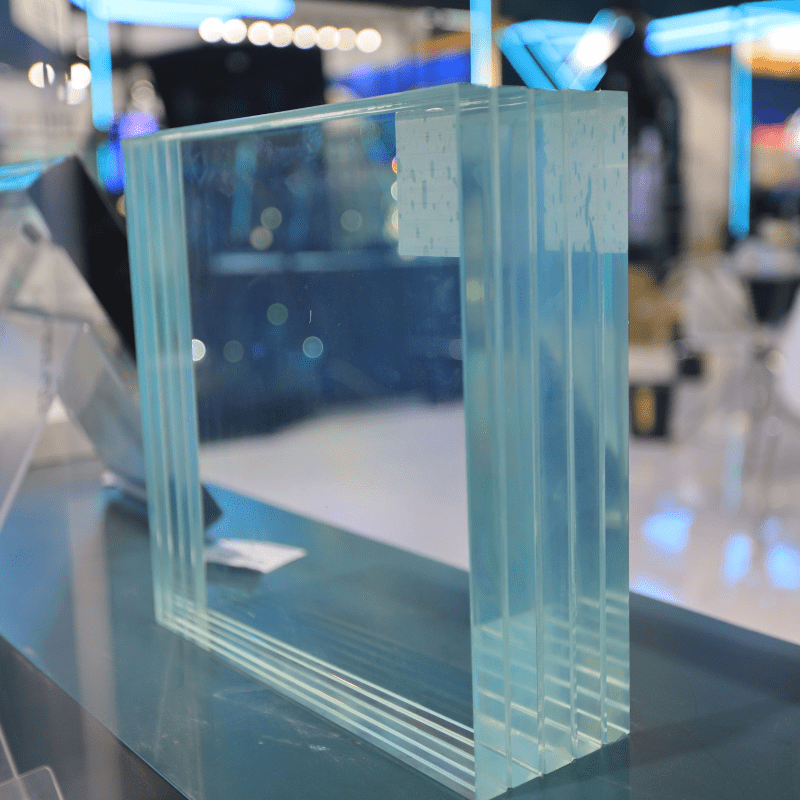
Standard float glass represents one of the most significant innovations in modern glass manufacturing, serving as the foundation for countless architectural and commercial applications worldwide. This revolutionary production method involves floating molten glass on a bed of liquid tin, creating a perfectly smooth and uniform surface that requires minimal post-production processing. The standard float glass process produces sheets with exceptional clarity, consistent thickness, and outstanding optical properties that make it ideal for windows, doors, facades, and numerous other construction applications. The manufacturing process begins with carefully selected raw materials including silica sand, soda ash, limestone, and recycled glass cullet, which are melted in furnaces at temperatures exceeding 1500 degrees Celsius. The molten glass flows continuously onto the tin bath, where it spreads naturally to form a ribbon of uniform thickness. This controlled environment eliminates surface imperfections and creates glass with parallel surfaces and minimal distortion. Standard float glass typically ranges from 3mm to 19mm in thickness, with standard sizes accommodating various construction requirements. The technological advancement of standard float glass production has revolutionized the construction industry by providing reliable, cost-effective glazing solutions. Its versatility extends beyond basic window applications to include structural glazing, interior partitions, shower enclosures, and furniture components. The consistent quality and optical clarity of standard float glass make it an essential material for modern architecture, where natural light transmission and visual aesthetics play crucial roles. Environmental considerations have also influenced standard float glass production, with manufacturers implementing energy-efficient furnaces and increased recycled content to reduce environmental impact while maintaining superior product quality and performance standards.

 EN
EN