Versatile Design Flexibility and Aesthetic Enhancement
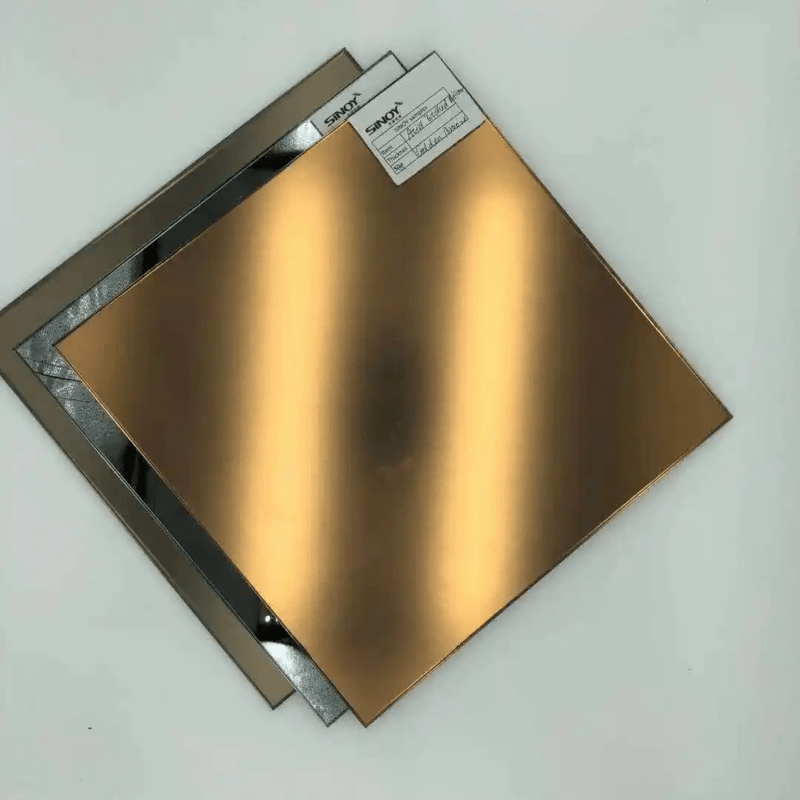
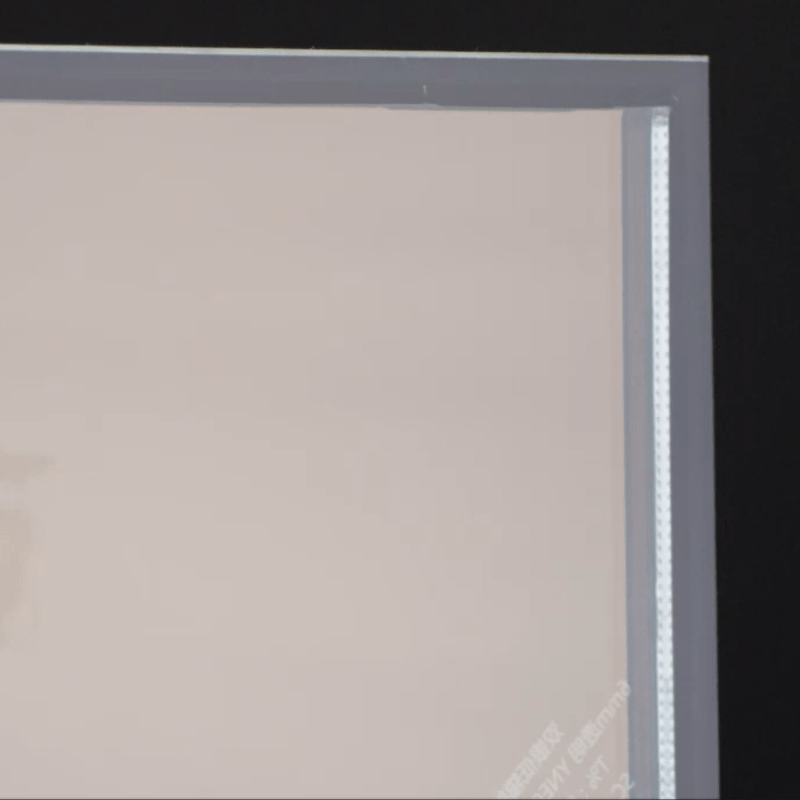
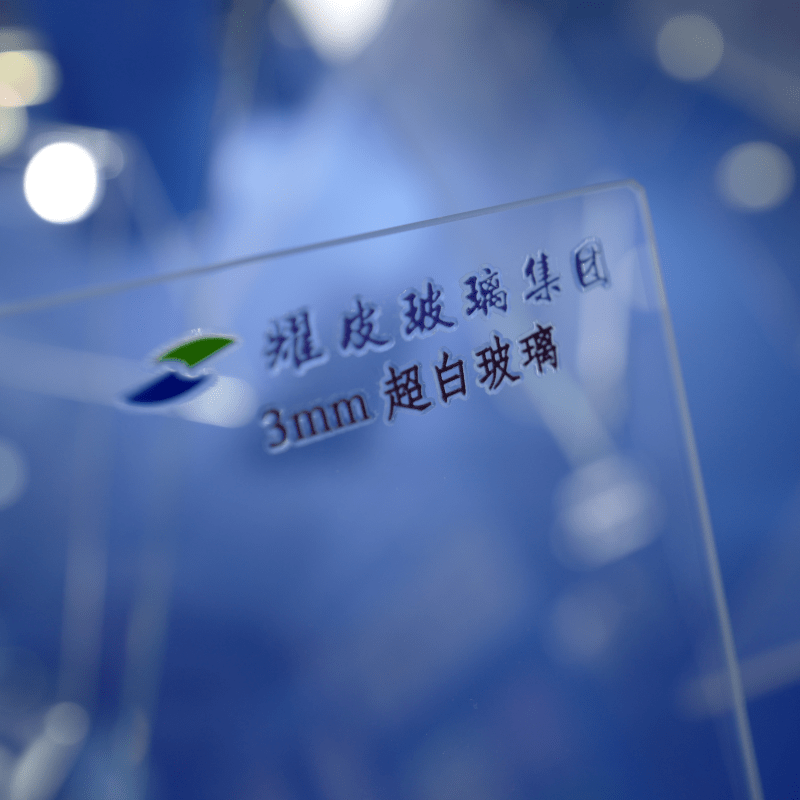
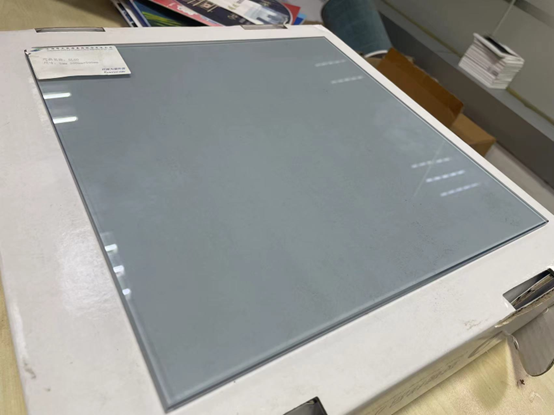
Frosted float glass offers exceptional design flexibility that enables architects and designers to create sophisticated, functional spaces while maintaining aesthetic excellence. The material's ability to seamlessly integrate into various architectural styles, from contemporary minimalist designs to traditional settings, makes it an invaluable tool for creative professionals seeking to balance form and function. The neutral appearance of frosted float glass complements virtually any color scheme or design theme, providing a timeless backdrop that won't conflict with evolving interior design trends or corporate branding requirements. The manufacturing process allows for customization of frosting intensity and pattern, enabling designers to specify the exact level of opacity and light transmission required for specific applications. This control over optical properties means that frosted float glass can be tailored to meet precise functional requirements while maintaining design integrity. Some manufacturers offer graduated frosting effects, partial frosting patterns, or incorporation of clear areas within the frosted surface, creating unique visual effects that enhance architectural interest while serving practical purposes. Thickness options for frosted float glass range from standard glazing thicknesses to heavy structural applications, providing flexibility in meeting both aesthetic and performance requirements. The glass can be further processed through tempering, laminating, or insulated glazing unit assembly to meet specific safety codes, security requirements, or energy performance standards without compromising its frosted appearance or privacy properties. This processing flexibility ensures that frosted float glass can meet the most demanding technical specifications while delivering desired aesthetic outcomes. Integration capabilities with modern glazing systems make frosted float glass suitable for curtain wall applications, storefront systems, interior partition frameworks, and custom architectural installations. The material works effectively with aluminum, steel, and timber framing systems, accommodating various construction methods and design preferences. Edge finishing options, including polished, ground, or beveled edges, provide additional opportunities for aesthetic enhancement and seamless integration with surrounding materials. The psychological impact of frosted float glass on space perception contributes significantly to its design value. The material creates visual separation while maintaining spatial connectivity, helping to define distinct areas within open-plan environments without creating claustrophobic enclosed spaces. This characteristic proves particularly valuable in modern workplace design, where flexibility and openness must be balanced with privacy and concentration requirements. The interplay of light and shadow through frosted float glass creates dynamic visual interest throughout the day as lighting conditions change, adding depth and movement to static architectural elements.

 EN
EN