
 EN
EN
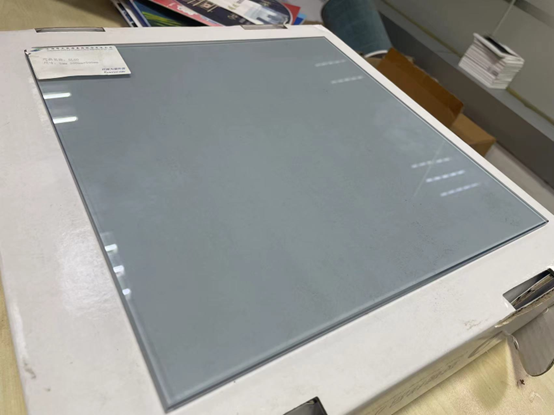
Modern architecture demands materials that combine aesthetic appeal with superior performance, and coated glass has emerged as the cornerstone of contemporary building design. This advanced glazing technology represents a revolutionary approach to energy efficiency, environmental control, and architectural flexibility. As construction standards evolve and sustainability becomes paramount, coated glass solutions are transforming how architects and builders approach fenestration systems. The integration of specialized coatings on glass surfaces enables unprecedented control over thermal performance, light transmission, and visual comfort while maintaining the transparency that defines modern architectural aesthetics.
Understanding Advanced Coating Technologies
Low-E Coating Fundamentals
Low emissivity coatings represent the most significant advancement in coated glass technology, utilizing microscopic metallic layers to control heat transfer while preserving visible light transmission. These ultra-thin coatings, typically measuring less than 0.1 microns, are applied through sophisticated magnetron sputtering processes that ensure uniform distribution and optimal performance. The coating reflects long-wave infrared radiation back into interior spaces during winter months while preventing unwanted heat gain during summer conditions. This selective spectral performance makes coated glass an essential component in high-performance building envelopes where energy efficiency is crucial.
Silver-based low-E coatings dominate the market due to their exceptional optical properties and thermal performance characteristics. The silver layer acts as the primary functional component, providing excellent infrared reflection while maintaining high visible light transmission rates. Multiple dielectric layers surround the silver coating, protecting it from oxidation and enhancing its optical properties through interference effects. This sophisticated layered structure enables coated glass manufacturers to fine-tune performance characteristics for specific climate conditions and building applications.
Solar Control Coating Systems
Solar control coatings extend beyond basic low-E functionality by incorporating additional layers designed to manage solar heat gain coefficient and daylight transmission. These advanced coated glass systems utilize selective absorption and reflection principles to reduce cooling loads while maintaining adequate natural illumination levels. The coating formulations include various metallic and ceramic components that target specific portions of the solar spectrum, effectively filtering unwanted infrared and ultraviolet radiation.
Chrome, titanium, and stainless steel components are frequently incorporated into solar control coated glass formulations to achieve desired color rendering and performance metrics. The precise layering sequence determines both the aesthetic appearance and functional characteristics of the finished product. Advanced coating facilities employ real-time monitoring systems to ensure consistent layer thickness and composition throughout the production process, guaranteeing uniform performance across large architectural installations.
Performance Benefits and Energy Efficiency
Thermal Performance Optimization
The thermal performance of coated glass directly impacts building energy consumption, with properly specified systems reducing heating and cooling loads by up to forty percent compared to conventional glazing. U-values of coated glass assemblies can achieve levels below 1.0 W/m²K when combined with appropriate gas fills and frame systems. This exceptional thermal performance stems from the coating's ability to reflect radiant heat while minimizing conductive and convective heat transfer through the glazing assembly.
Seasonal performance variations demonstrate the adaptability of well-designed coated glass systems, providing heating benefits during cold months and cooling advantages during warm periods. The emissivity characteristics of the coating surface determine how effectively the glass manages radiant heat exchange with interior and exterior environments. Advanced coated glass products achieve emissivity values as low as 0.03, compared to approximately 0.84 for uncoated glass surfaces.
Daylight Management and Visual Comfort
Effective daylight management through coated glass systems balances natural illumination requirements with glare control and visual comfort considerations. The visible light transmission characteristics can be precisely controlled through coating design, enabling architects to achieve desired interior lighting conditions while maintaining exterior views. Spectral selectivity allows coated glass to transmit beneficial daylight wavelengths while filtering harmful ultraviolet radiation that causes material degradation and occupant discomfort.
Color rendering properties of coated glass influence both interior and exterior aesthetic appearances, with neutral coatings maintaining true color perception under various lighting conditions. Advanced coating formulations minimize color distortion while providing necessary solar control and thermal performance. The angular dependence of coated glass optical properties ensures consistent performance characteristics across different sun angles throughout the day and seasonal cycles.
Manufacturing Processes and Quality Control
Magnetron Sputtering Technology
Magnetron sputtering represents the industry standard for applying high-performance coatings to architectural glass substrates, utilizing ionized metal atoms to create uniform, adherent layers with precise thickness control. The vacuum-based process occurs in specialized chambers where target materials are bombarded with energetic ions, causing atomic-level deposition onto moving glass surfaces. This sophisticated manufacturing approach enables the production of complex multi-layer coated glass systems with exceptional uniformity and reproducibility.
Process parameters including chamber pressure, power density, gas composition, and substrate temperature must be carefully controlled to achieve optimal coating characteristics. Modern sputtering facilities incorporate automated process control systems that monitor and adjust critical parameters in real-time, ensuring consistent coated glass quality across production runs. The ability to deposit multiple layers in sequence without breaking vacuum enables the creation of sophisticated coating stacks with precisely controlled optical and thermal properties.
Quality Assurance and Testing Protocols
Comprehensive quality control measures ensure that coated glass products meet specified performance criteria and durability requirements throughout their service life. Optical testing protocols evaluate transmittance, reflectance, and absorptance characteristics across relevant spectral ranges to verify compliance with design specifications. Thermal performance testing validates U-values, solar heat gain coefficients, and other energy-related metrics under standardized conditions.
Durability testing subjects coated glass samples to accelerated aging conditions that simulate years of environmental exposure in compressed timeframes. These evaluations assess coating adhesion, optical stability, and resistance to environmental factors including humidity, temperature cycling, and chemical exposure. Advanced testing facilities utilize specialized equipment to evaluate coating performance under various stress conditions, ensuring long-term reliability in building applications.
Installation and Design Considerations
Glazing System Integration
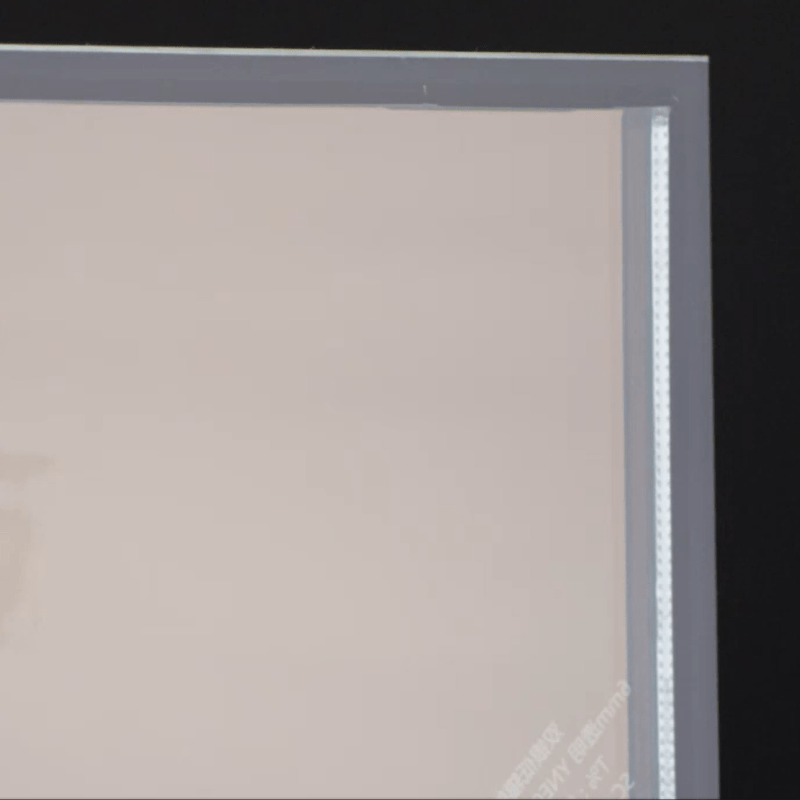
Successful coated glass installation requires careful attention to system integration factors including frame selection, glazing compounds, and thermal bridging considerations. The coating surface position within the glazing assembly significantly impacts thermal performance, with low-E coated glass typically installed with the coating facing the interior airspace or gas-filled cavity. Proper edge seal design prevents moisture infiltration and coating degradation while maintaining the thermal integrity of the insulated glazing unit.
Structural glazing applications require specialized adhesives and sealants compatible with coated glass surfaces to ensure long-term adhesion and weather resistance. The coefficient of thermal expansion differences between coated glass and framing materials must be accommodated through appropriate design details and expansion joints. Professional installation practices include surface protection measures during construction to prevent coating damage from construction activities.
Architectural Design Flexibility
Contemporary coated glass products offer extensive design flexibility through varied color options, transmission levels, and reflection characteristics that complement diverse architectural styles. Architects can specify custom coating formulations to achieve specific aesthetic goals while maintaining required performance criteria. The availability of curved and shaped coated glass expands design possibilities for complex geometric facades and specialty architectural features.
Coordination between architectural design intent and coated glass performance requirements ensures optimal integration of aesthetic and functional objectives. Advanced visualization tools enable designers to preview how different coating options will appear under various lighting conditions and viewing angles. The compatibility of coated glass with other facade materials and systems requires careful consideration of thermal movement, structural loads, and maintenance access requirements.
Market Trends and Future Developments
Smart Glass Technologies
Emerging smart glass technologies incorporate dynamic coated glass systems that respond to environmental conditions or occupant preferences through electrochromic, thermochromic, or photochromic mechanisms. These adaptive systems represent the next evolution in coated glass technology, providing real-time optimization of thermal and optical properties. Electrochromic coated glass enables precise control over transmission levels through low-voltage electrical signals, offering unprecedented flexibility in managing solar heat gain and glare control.
Integration with building automation systems allows smart coated glass to respond automatically to solar conditions, occupancy patterns, and energy management strategies. The potential for reduced energy consumption and improved occupant comfort drives continued development of these advanced systems. Manufacturing scalability and cost reduction efforts focus on making smart coated glass economically viable for mainstream architectural applications.
Sustainability and Environmental Impact
The environmental benefits of coated glass extend beyond operational energy savings to include reduced carbon footprint through decreased HVAC system sizing requirements and improved building longevity. Life cycle analysis studies demonstrate the positive environmental impact of high-performance coated glass over building operational periods spanning decades. Recycling initiatives address end-of-life considerations for coated glass products, with specialized processes recovering valuable materials from decommissioned glazing systems.
Green building certification programs increasingly recognize the contributions of advanced coated glass systems to overall building sustainability metrics. The alignment of coated glass performance characteristics with evolving energy codes and standards drives continued innovation in coating technology and manufacturing processes. Future developments focus on bio-based coating materials and manufacturing processes with reduced environmental impact while maintaining superior performance characteristics.
FAQ
What is the expected lifespan of coated glass in commercial applications
High-quality coated glass systems typically provide reliable performance for twenty-five to thirty years in commercial building applications when properly manufactured, installed, and maintained. The durability depends on factors including coating quality, environmental exposure conditions, and glazing system design. Manufacturer warranties often cover coating performance for ten to twenty years, with many installations exceeding warranty periods without significant degradation.
How does coated glass compare to traditional tinted glass for energy efficiency
Coated glass systems significantly outperform traditional tinted glass in energy efficiency applications due to their selective spectral characteristics that target specific wavelengths while maintaining visible light transmission. While tinted glass reduces both heat and light equally, coated glass can achieve superior solar control while preserving natural daylight levels. The thermal performance advantages of low-E coated glass provide year-round energy benefits that tinted glass cannot match.
Can coated glass be used in residential applications effectively
Residential applications benefit substantially from coated glass technology, with energy savings often justifying the additional investment through reduced utility costs and improved comfort levels. Modern residential coated glass products are designed for standard window configurations and installation practices, making them accessible for home construction and renovation projects. The variety of available coating options allows homeowners to select products that match their aesthetic preferences while achieving desired performance characteristics.
What maintenance requirements are associated with coated glass installations
Routine maintenance for coated glass involves regular cleaning using appropriate materials and techniques that preserve coating integrity and optical clarity. Standard glass cleaning solutions and soft cleaning materials are typically suitable for most coated glass surfaces, though specific manufacturer recommendations should be followed. Professional maintenance programs can include periodic performance evaluation and preventive measures to ensure continued optimal performance throughout the glazing system's service life.