Versatile Thickness Control and Product Customization
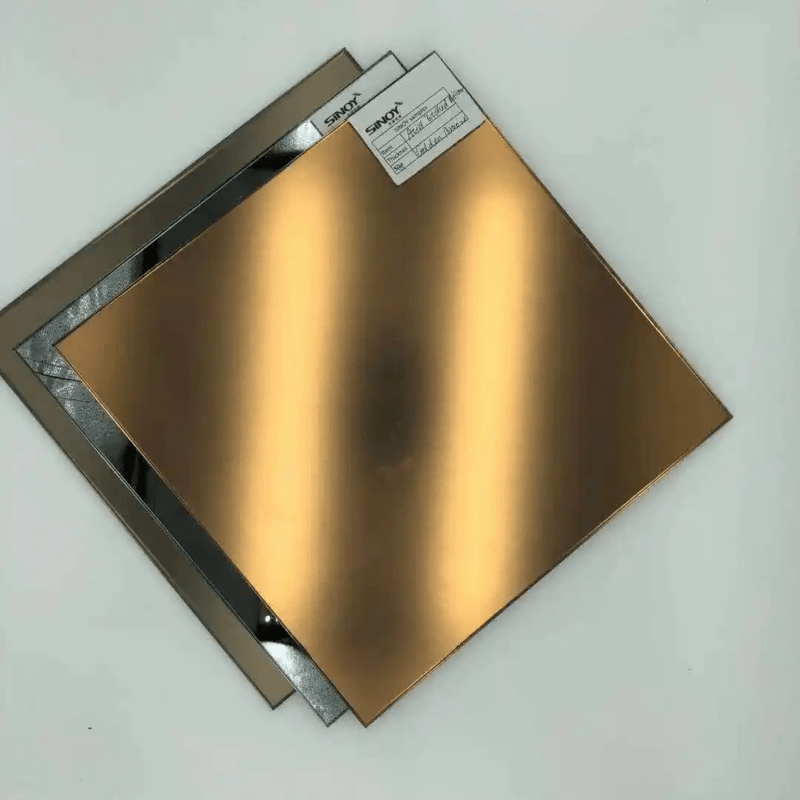
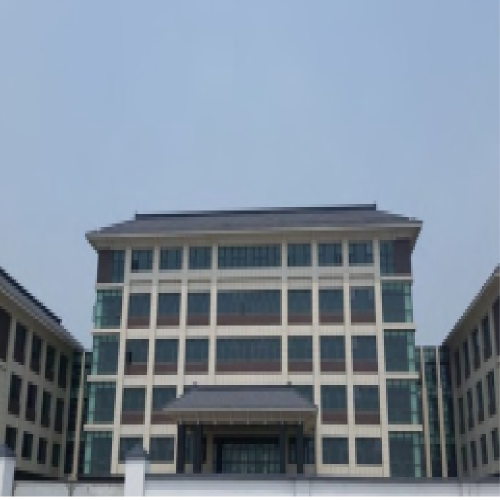
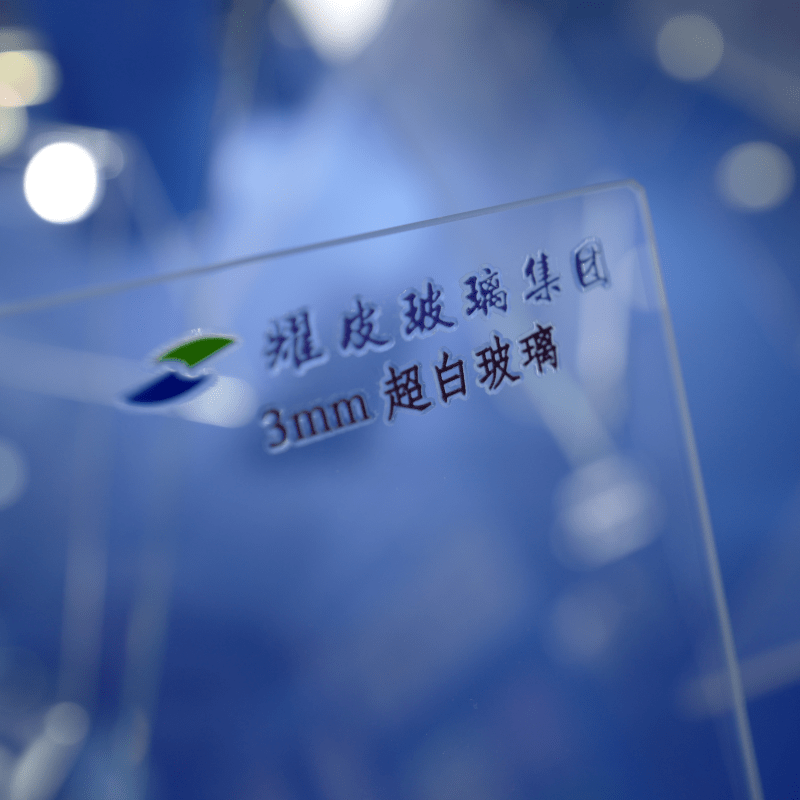
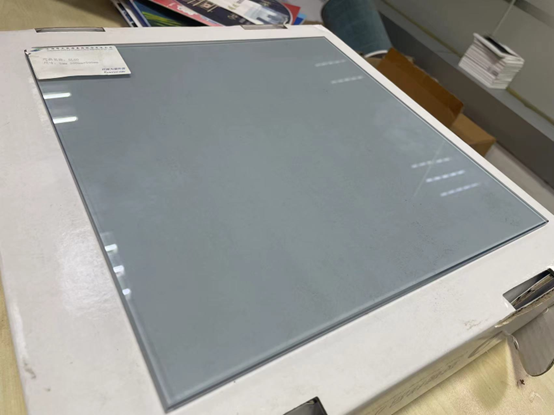
Float glass making provides unparalleled versatility in thickness control and product customization, enabling manufacturers to meet diverse market requirements through a single, highly flexible production process. The innovative thickness control system allows for precise adjustment of glass thickness during production by modifying the pulling speed and thermal conditions within the tin bath, achieving tolerances as tight as ±0.1mm across the entire glass ribbon width. This remarkable precision is achieved through sophisticated process control systems that continuously monitor and adjust key parameters including tin bath temperature profiles, glass flow rates, and cooling curves to maintain exact thickness specifications. The float glass making process accommodates thickness ranges from ultra-thin 2mm glass for electronic applications to thick 25mm panels for structural glazing, all within the same production line configuration. Advanced edge control systems ensure consistent thickness from edge to edge, eliminating the variations typically associated with traditional glass manufacturing methods. Product customization extends beyond thickness control to include surface treatments, chemical composition modifications, and specialized cooling protocols that enhance specific glass properties for targeted applications. Float glass making enables in-line coating applications during the production process, allowing for the creation of low-emissivity, solar control, and self-cleaning glass products without additional processing steps. The continuous ribbon format facilitates the production of large glass sizes that would be impossible with other manufacturing methods, supporting the architectural trend toward expansive glazing systems and curtain wall applications. Quality consistency across different thickness ranges is maintained through sophisticated mathematical modeling that predicts and compensates for thermal variations throughout the glass formation zone. Custom annealing schedules can be programmed for specific thickness requirements, ensuring optimal stress patterns and performance characteristics for each application. The flexibility of float glass making allows for rapid product changeovers between different specifications, enabling manufacturers to respond quickly to market demands and customer requirements without significant production delays. Research and development capabilities are enhanced by the process flexibility, allowing manufacturers to develop new glass formulations and treatments that meet emerging market needs in areas such as smart glass technologies, enhanced safety applications, and energy-efficient building solutions. This versatility positions float glass making as the ideal platform for both standard commodity production and specialized high-value products that command premium pricing in competitive markets.

 EN
EN