
 EN
EN
Concentrated solar power technology continues to revolutionize the renewable energy landscape, with csp glass serving as a critical component that determines the efficiency and longevity of solar thermal systems. As we move into 2026, understanding the various types, benefits, and applications of csp glass becomes essential for engineers, project developers, and industry professionals seeking to optimize their solar installations. The specialized optical properties and thermal resistance characteristics of csp glass make it indispensable for capturing and concentrating solar radiation effectively. Modern manufacturing techniques have significantly enhanced the performance capabilities of csp glass, enabling higher operating temperatures and improved energy conversion rates in concentrated solar power facilities worldwide.
Understanding CSP Glass Fundamentals
Material Composition and Properties
The foundation of effective csp glass lies in its unique material composition, which typically incorporates low-iron content to minimize absorption losses and maximize light transmission. High-quality csp glass exhibits exceptional solar transmittance values exceeding 91%, ensuring minimal energy loss during the concentration process. The thermal expansion coefficient of csp glass must be carefully controlled to withstand extreme temperature variations experienced in concentrated solar power applications. Advanced manufacturing processes utilize specialized furnace technologies to achieve the precise chemical composition required for optimal optical performance in solar thermal systems.
Mechanical strength represents another crucial aspect of csp glass design, as these materials must endure significant thermal stress cycles throughout their operational lifetime. The surface quality of csp glass directly impacts its light-gathering efficiency, with ultra-smooth finishes reducing scattering losses and improving overall system performance. Chemical durability ensures that csp glass maintains its optical properties even when exposed to harsh environmental conditions including sandstorms, temperature fluctuations, and UV radiation over extended periods.
Optical Characteristics and Performance Metrics
Solar transmittance serves as the primary performance indicator for csp glass, measuring the percentage of incident solar radiation that successfully passes through the material without absorption or reflection losses. Premium csp glass products achieve transmittance values approaching 92-94% across the solar spectrum, significantly enhancing the energy collection efficiency of concentrated solar power systems. The spectral selectivity of csp glass ensures optimal performance across different wavelengths, with particular emphasis on maximizing transmission in the visible and near-infrared regions where solar irradiance peaks.
Reflection losses from csp glass surfaces can be minimized through advanced anti-reflective coating technologies, which create interference patterns that cancel reflected light waves. These specialized coatings can improve the effective transmittance of csp glass by 3-4%, representing substantial gains in overall system efficiency. The angular dependence of transmission properties becomes critical in tracking solar concentrator applications, where csp glass must maintain high performance across varying incidence angles throughout the day.
Types of CSP Glass Technologies
Ultra-White Low-Iron Glass
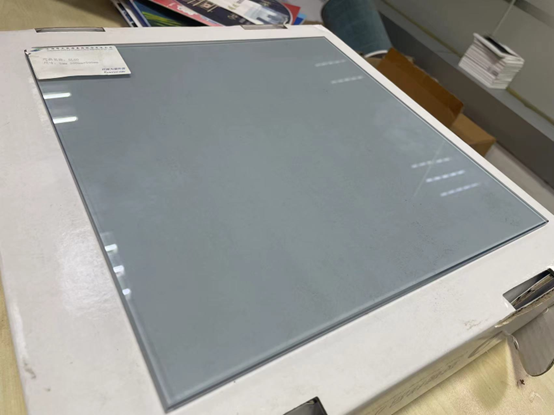
Ultra-white low-iron csp glass represents the premium tier of solar glass technology, featuring iron content reduced to less than 0.01% to eliminate the greenish tint characteristic of standard glass materials. This specialized csp glass achieves superior light transmission properties, making it ideal for high-concentration applications where maximum optical efficiency is paramount. The manufacturing process for ultra-white csp glass requires precise control of raw material purity and melting conditions to achieve the desired optical characteristics consistently.
The enhanced clarity of ultra-white csp glass translates directly into improved energy yield for concentrated solar power installations, particularly in regions with high direct normal irradiance. Quality control standards for this grade of csp glass include rigorous testing protocols to verify transmittance uniformity, stress resistance, and long-term optical stability. The premium pricing of ultra-white csp glass is justified by its superior performance characteristics and extended service life in demanding solar thermal applications.
Textured and Structured Glass Surfaces
Textured csp glass incorporates micro-structured surface patterns designed to optimize light collection and reduce reflection losses under varying solar angles. These specialized surface treatments can improve the effective aperture area of solar concentrators by directing scattered light toward the focal region. The manufacturing of textured csp glass requires sophisticated rolling or etching processes to create consistent surface patterns that enhance optical performance without compromising mechanical integrity.
Structured csp glass surfaces offer advantages in applications where dust accumulation represents a significant concern, as the textured patterns can promote self-cleaning effects through improved water drainage during rain events. The design of surface structures must balance optical benefits with practical considerations such as cleaning accessibility and long-term durability under environmental exposure. Advanced computer modeling techniques enable optimization of surface patterns to maximize light collection efficiency while maintaining the structural integrity required for csp glass applications.
Manufacturing Processes and Quality Control
Float Glass Production Methods
The float glass process serves as the foundation for most csp glass manufacturing, utilizing molten tin baths to create perfectly flat surfaces with exceptional optical quality. Temperature control throughout the float process becomes critical for csp glass production, as variations can introduce optical distortions that reduce concentration efficiency. Specialized annealing procedures ensure that csp glass products exhibit minimal internal stress, preventing optical distortion and improving resistance to thermal cycling.
Quality monitoring systems during float production include continuous measurement of thickness uniformity, surface quality, and optical transmission properties. The controlled atmosphere within float furnaces prevents oxidation and contamination that could degrade the optical performance of finished csp glass products. Post-production processing steps such as cutting, edge finishing, and tempering must be carefully optimized to maintain the superior optical characteristics achieved during the float process.
Coating Application Techniques
Anti-reflective coatings applied to csp glass surfaces utilize sophisticated vacuum deposition or sol-gel processes to create precisely controlled interference layers. The thickness and refractive index of coating layers must be optimized for the specific wavelength range and incidence angles encountered in concentrated solar power applications. Multi-layer coating systems can achieve broader spectral coverage and improved durability compared to single-layer alternatives, though they require more complex manufacturing processes.
Adhesion testing protocols ensure that anti-reflective coatings maintain their integrity throughout the thermal cycling experienced during csp glass operation. Environmental testing of coated csp glass includes exposure to humidity, temperature extremes, and UV radiation to verify long-term performance stability. The application of protective overcoats can enhance the durability of anti-reflective treatments while maintaining their optical benefits.
Applications in Concentrated Solar Power Systems
Parabolic Trough Concentrators
Parabolic trough systems represent the most mature application for csp glass, utilizing curved reflective surfaces to focus solar radiation onto receiver tubes containing heat transfer fluid. The csp glass used in trough concentrators must maintain precise curvature tolerances to ensure accurate focusing characteristics throughout the system's operational lifetime. Thermal expansion considerations become critical in trough applications, where large glass panels experience significant temperature variations between day and night cycles.
The tracking requirements of parabolic trough systems place additional demands on csp glass durability, as the continuous movement subjects the material to dynamic loading conditions. Wind loading calculations must account for the aerodynamic properties of curved csp glass surfaces, ensuring adequate structural support without compromising optical performance. Maintenance protocols for trough-mounted csp glass include regular cleaning procedures and inspection routines to maintain optimal light collection efficiency.
Central Receiver Tower Systems
Central receiver applications utilize flat csp glass mirrors arranged in heliostat fields to concentrate solar radiation onto elevated tower-mounted receivers. The precision requirements for heliostat csp glass include extremely tight flatness tolerances to maintain accurate beam steering across long distances. Optical quality standards for tower applications often exceed those required for trough systems due to the longer optical path lengths involved.
The installation and alignment of csp glass heliostats requires sophisticated positioning systems capable of maintaining mirror orientation accuracy within fractions of a degree. Environmental factors such as wind loading and foundation settling can affect the optical alignment of csp glass heliostats, necessitating robust support structures and periodic recalibration procedures. The large quantity of csp glass required for utility-scale tower systems drives the need for cost-effective manufacturing processes while maintaining high optical performance standards.
Performance Benefits and Advantages
Energy Conversion Efficiency
High-performance csp glass directly contributes to improved energy conversion efficiency in concentrated solar power systems through enhanced light collection and reduced optical losses. The superior transmittance properties of premium csp glass can increase overall system efficiency by 5-8% compared to standard glass alternatives. This efficiency improvement translates into substantial increases in annual energy production and improved project economics for commercial solar installations.
The spectral optimization of csp glass ensures maximum energy capture across the solar spectrum, particularly in the high-intensity wavelength ranges that contribute most significantly to thermal energy generation. Reduced reflection losses from advanced csp glass surfaces improve the effective concentration ratio of optical systems, enabling higher operating temperatures and enhanced thermodynamic cycle efficiency. Long-term stability of optical properties ensures that csp glass maintains its performance benefits throughout the 25-30 year design life of concentrated solar power facilities.
Durability and Longevity
The exceptional durability of quality csp glass materials enables reliable operation in harsh environmental conditions including desert locations with extreme temperature variations and frequent sandstorms. Thermal shock resistance allows csp glass to withstand rapid temperature changes without developing stress cracks or optical distortions that could compromise system performance. The chemical inertness of properly formulated csp glass prevents degradation from environmental exposure, maintaining optical clarity throughout extended service periods.
Mechanical strength characteristics of csp glass provide resistance to impact damage from hail, wind-blown debris, and thermal expansion forces within concentrator structures. The low thermal expansion coefficient of specialized csp glass formulations minimizes dimensional changes during thermal cycling, reducing stress on mounting systems and maintaining optical alignment. Rigorous testing protocols verify the long-term performance stability of csp glass under accelerated aging conditions that simulate decades of field exposure.
Installation and Maintenance Considerations
Handling and Installation Procedures
Proper handling procedures for csp glass during transportation and installation are critical to prevent damage that could compromise optical performance or structural integrity. Specialized lifting equipment and support systems distribute loads evenly across csp glass surfaces to avoid stress concentrations that might lead to failure. Installation crews require specific training in csp glass handling techniques to minimize the risk of damage during assembly operations.
Environmental conditions during csp glass installation must be carefully controlled to prevent thermal stress from rapid temperature changes or uneven heating. Protective measures during construction include temporary shading systems and climate-controlled storage facilities to maintain csp glass integrity before final installation. Quality control inspections verify proper installation alignment and identify any damage that might affect long-term performance of csp glass components.
Cleaning and Maintenance Protocols
Regular cleaning protocols are essential to maintain the optical performance of csp glass surfaces, as dust accumulation can significantly reduce light transmission and concentration efficiency. Automated cleaning systems for large-scale installations utilize robotics and water recycling technologies to minimize operational costs while ensuring consistent cleaning quality. The selection of cleaning agents and procedures must consider the specific surface treatments and coatings applied to csp glass products.
Inspection routines for installed csp glass components include visual assessment for cracks, chips, or coating degradation that might indicate the need for replacement or repair. Preventive maintenance schedules account for environmental factors such as dust loading, humidity levels, and temperature extremes that affect the cleaning frequency and maintenance requirements for csp glass installations. Performance monitoring systems track the optical efficiency of csp glass surfaces over time, enabling predictive maintenance strategies that optimize system availability and energy production.
Future Developments and Innovations
Advanced Material Technologies
Emerging developments in csp glass technology include advanced anti-soiling coatings that reduce dust adhesion and enable extended periods between cleaning cycles. Photocatalytic surface treatments show promise for self-cleaning csp glass applications, utilizing UV radiation to break down organic contaminants automatically. Nanotechnology approaches to surface modification offer potential improvements in optical performance and environmental resistance for next-generation csp glass products.
Research into new glass compositions focuses on enhanced thermal shock resistance and improved optical properties for high-temperature concentrated solar power applications. Smart glass technologies that can dynamically adjust their optical properties in response to environmental conditions represent a potential breakthrough for adaptive csp glass systems. The integration of sensors and monitoring capabilities directly into csp glass substrates could enable real-time performance optimization and predictive maintenance strategies.
Manufacturing Process Improvements
Automation advances in csp glass manufacturing processes promise improved quality consistency and reduced production costs for large-scale solar installations. Digital twin technologies enable real-time optimization of manufacturing parameters to maximize the optical performance and minimize defects in csp glass products. Advanced quality control systems utilizing machine vision and spectroscopic analysis ensure that every piece of csp glass meets stringent performance specifications before shipment.
Sustainable manufacturing practices for csp glass production focus on reducing energy consumption and minimizing environmental impact while maintaining product quality standards. Recycling technologies for end-of-life csp glass materials contribute to circular economy principles and reduce the environmental footprint of solar installations. Localized manufacturing capabilities reduce transportation costs and enable customization of csp glass products for specific regional requirements and applications.
FAQ
What is the typical lifespan of csp glass in solar installations?
High-quality csp glass is designed to operate effectively for 25-30 years in concentrated solar power applications, matching the expected service life of the overall solar installation. The actual lifespan depends on environmental conditions, maintenance practices, and the specific glass formulation used. Premium csp glass products often exceed their design life with proper care and maintenance, maintaining optical performance well beyond the initial warranty period.
How does csp glass performance vary with different environmental conditions?
Environmental factors such as dust loading, humidity, temperature extremes, and UV exposure can affect csp glass performance over time. Desert environments with high dust levels require more frequent cleaning to maintain optical efficiency, while coastal installations may face challenges from salt spray corrosion. Properly formulated csp glass materials are designed to withstand these environmental stresses while maintaining their optical properties throughout their service life.
What are the key differences between csp glass and standard solar panel glass?
Csp glass differs from photovoltaic panel glass primarily in its optical requirements and operating conditions. While PV glass focuses on light transmission to solar cells, csp glass must achieve precise concentration and reflection properties for thermal energy generation. The thermal cycling requirements for csp glass are typically more severe, requiring enhanced thermal shock resistance and dimensional stability compared to standard solar panel glass applications.
How can I determine the quality of csp glass for my project?
Quality assessment of csp glass involves evaluating key parameters including solar transmittance, thermal shock resistance, dimensional accuracy, and surface quality. Certification standards and independent testing reports provide verification of performance characteristics under standardized conditions. Working with established manufacturers who provide comprehensive technical documentation and performance warranties ensures reliable csp glass quality for critical solar installations.