Premium Coated Float Glass Solutions - Energy Efficient Architectural Glazing Systems

All Categories
Get a Quote

Get a Free Quote

Our representative will contact you soon.
Email
Name
Company Name
Products
Message
0/1000

coated float glass

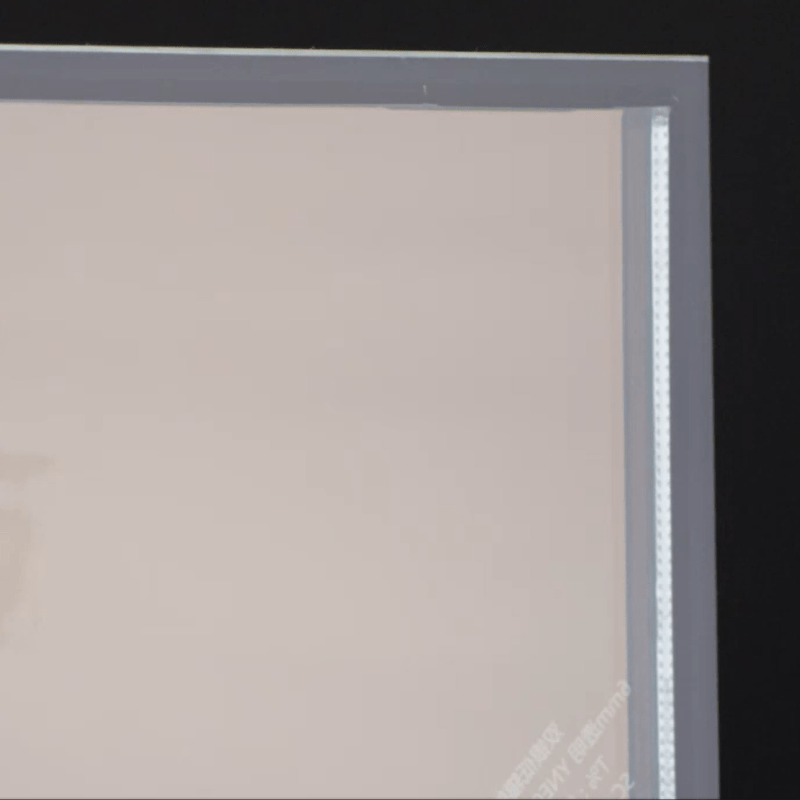
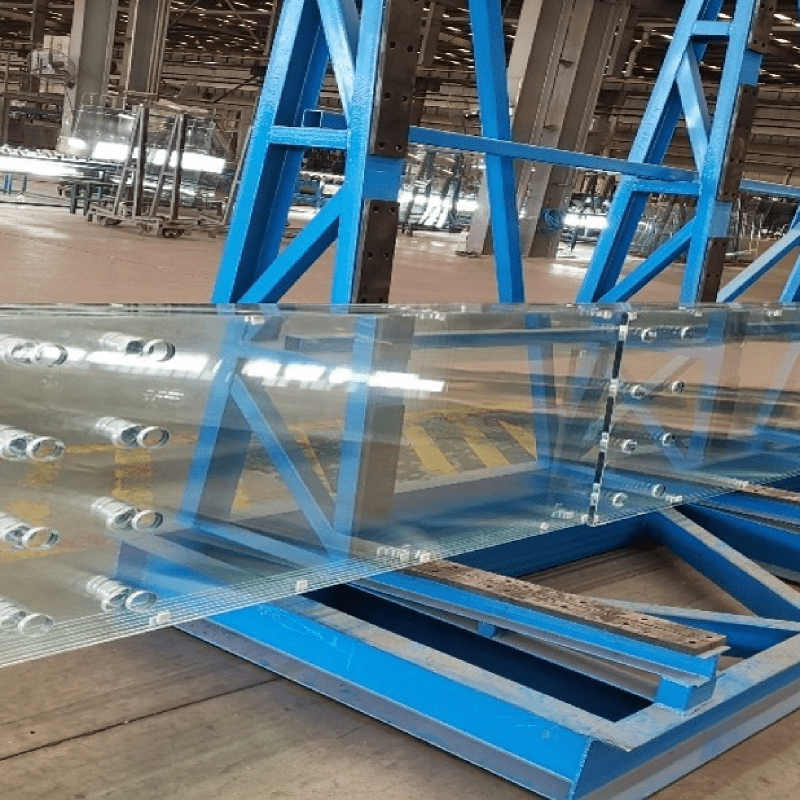
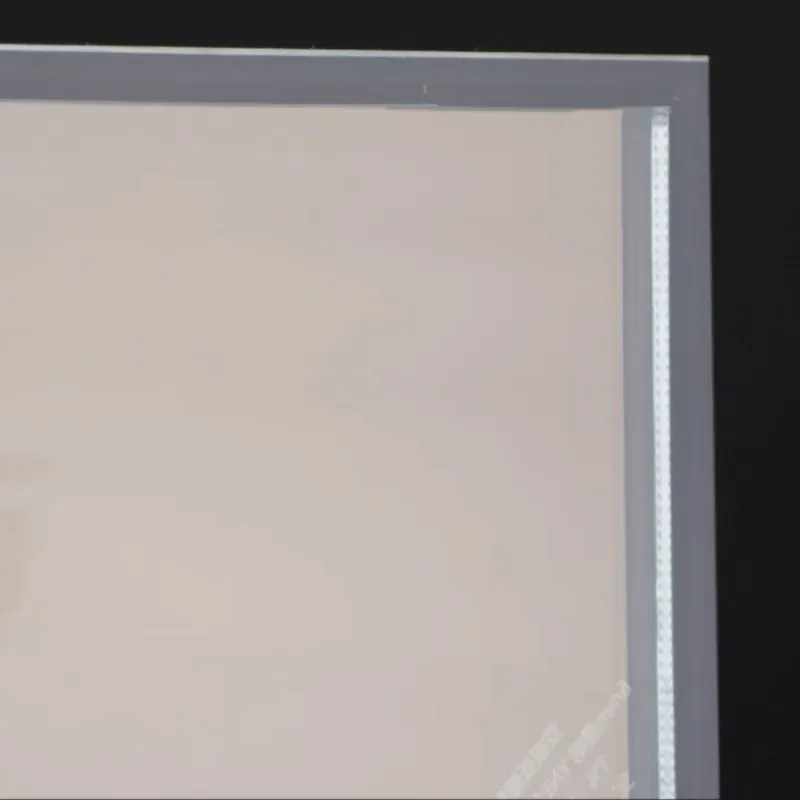
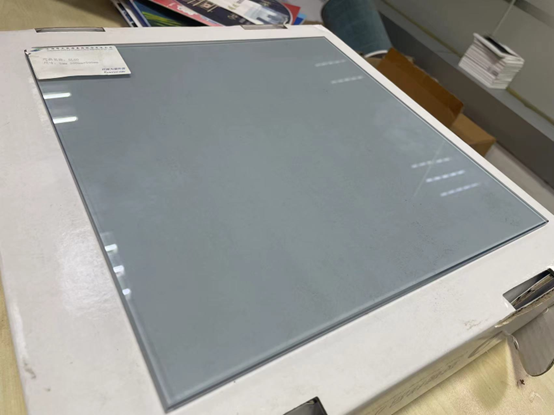
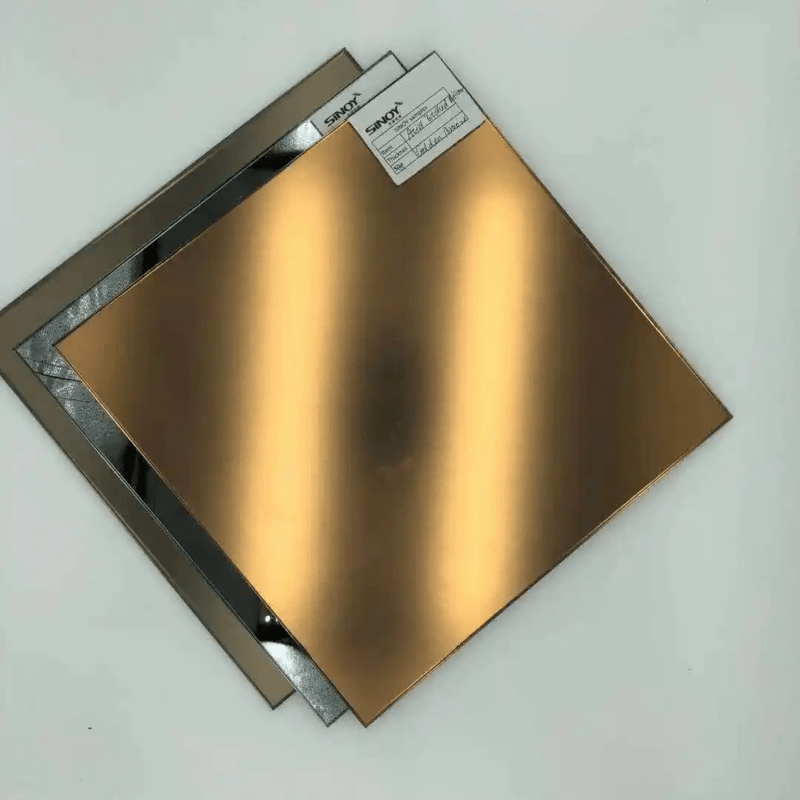
Coated float glass represents a revolutionary advancement in modern glass manufacturing, combining the smooth, uniform surface of traditional float glass with specialized coating technologies that enhance performance across multiple dimensions. This innovative material undergoes a precise manufacturing process where thin layers of metallic or ceramic compounds are applied to the glass surface during production, creating a product that delivers superior functionality compared to standard glass alternatives. The coated float glass manufacturing process begins with high-quality float glass as the base substrate, which provides an exceptionally flat and distortion-free foundation. Advanced coating techniques, including magnetron sputtering and chemical vapor deposition, are employed to apply microscopic layers of materials such as silver, titanium dioxide, or other specialized compounds. These coatings are engineered to modify the optical, thermal, and physical properties of the glass while maintaining structural integrity and visual clarity. The primary functions of coated float glass encompass energy efficiency, glare reduction, UV protection, and enhanced aesthetic appeal. The coating layers can be designed to reflect infrared radiation while allowing visible light transmission, creating an optimal balance between natural illumination and temperature control. This selective reflection capability makes coated float glass an essential component in modern building design, where energy conservation and occupant comfort are paramount considerations. Technological features of coated float glass include precise thickness control, uniform coating distribution, and exceptional durability. The manufacturing process ensures consistent performance characteristics across large glass panels, with coating thickness measured in nanometers to achieve optimal functionality. Advanced quality control systems monitor coating adhesion, optical properties, and surface finish throughout production, guaranteeing that each panel meets stringent performance standards. Applications for coated float glass span commercial architecture, residential construction, automotive manufacturing, and specialized industrial uses, where its unique combination of transparency, energy efficiency, and durability provides significant value to end users.


New Product Recommendations

Coated float glass offers numerous practical benefits that translate directly into cost savings and improved performance for building owners and occupants. Energy efficiency represents the most significant advantage, as the specialized coatings can reduce heating and cooling costs by up to thirty percent compared to standard glass installations. The coating technology works by reflecting unwanted solar heat during summer months while retaining interior heat during winter, creating a more stable indoor climate that requires less mechanical intervention. This thermal performance directly impacts utility bills and reduces the environmental footprint of buildings equipped with coated float glass systems. Enhanced comfort levels constitute another major benefit, as coated float glass eliminates hot spots near windows and reduces temperature variations throughout interior spaces. Occupants experience more consistent comfort levels regardless of their proximity to glazed areas, leading to increased productivity in office environments and improved satisfaction in residential settings. The glare reduction properties of coated float glass create more pleasant visual conditions by controlling harsh sunlight while maintaining adequate natural illumination levels. UV protection capabilities safeguard interior furnishings, artwork, and flooring materials from fading and deterioration caused by harmful ultraviolet radiation. This protective function extends the lifespan of interior investments and maintains aesthetic appeal over extended periods. The coating acts as a barrier that blocks up to ninety-nine percent of UV rays while allowing beneficial visible light to pass through unimpeded. Durability advantages include superior scratch resistance and easier maintenance requirements compared to alternative glazing solutions. The coating surface resists common forms of damage and can be cleaned using standard glass cleaning methods without special procedures or expensive maintenance products. Weather resistance properties ensure that coated float glass maintains its performance characteristics despite exposure to extreme temperatures, moisture, and atmospheric pollutants. The coating adhesion technology creates a permanent bond that will not peel, flake, or degrade over time. Privacy options are available through specialized coating formulations that provide one-way visibility or decorative effects while maintaining the functional benefits of energy efficiency and UV protection. These privacy coatings allow natural light penetration while obscuring interior views from external observers. Installation flexibility accommodates various glazing systems and architectural configurations, making coated float glass suitable for both new construction projects and retrofit applications where existing glazing systems require performance upgrades.

Latest News

Choosing the Right Architectural Glass: Expert Tips

27

Nov

Choosing the Right Architectural Glass: Expert Tips

Choosing the Right Architectural Glass: Expert Tips The selection of architectural glass plays a crucial role in modern building design, impacting everything from energy efficiency to aesthetic appeal. As construction technology advances, the importa...
View More
Solar Glass Cost Guide: Prices, ROI & Installation

27

Nov

Solar Glass Cost Guide: Prices, ROI & Installation

Solar Glass Cost Guide: Prices, ROI & Installation The renewable energy sector continues to evolve, and solar glass technology stands at the forefront of this transformation. As a critical component in solar panels and building-integrated photovoltai...
View More
Benefits of Low-E Coated Glass: Energy Savings Guide

12

Dec

Benefits of Low-E Coated Glass: Energy Savings Guide

Energy efficiency has become a critical consideration for modern building design, with coated glass emerging as one of the most effective solutions for reducing energy consumption while maintaining optimal comfort levels. This advanced glazing techno...
View More
CSP Glass vs Tempered Glass: Which Is Better?

04

Mar

CSP Glass vs Tempered Glass: Which Is Better?

In the rapidly evolving world of solar energy technology, the choice of materials can significantly impact both performance and longevity of solar installations. Two primary types of glass dominate the market: csp glass and tempered glass. Understand...
View More

Get a Free Quote

Our representative will contact you soon.
Email
Name
Company Name
Products
Message
0/1000

coated float glass

Superior Energy Performance and Thermal Control

Superior Energy Performance and Thermal Control

The energy performance capabilities of coated float glass represent a breakthrough in building efficiency technology, delivering measurable reductions in energy consumption while maintaining optimal indoor environmental conditions. The advanced coating systems utilize selective spectral transmission principles, allowing beneficial visible light wavelengths to pass through while reflecting infrared radiation that contributes to unwanted heat gain. This sophisticated optical engineering creates a dynamic barrier that responds to changing environmental conditions throughout the day and across seasons. During peak summer conditions, the coating reflects up to seventy percent of solar heat before it can penetrate the building envelope, significantly reducing air conditioning loads and associated energy costs. The thermal control mechanism operates continuously without requiring mechanical systems or manual intervention, providing consistent performance regardless of weather conditions or occupancy patterns. Winter performance characteristics demonstrate equal effectiveness, as the coating technology reflects interior heat back into occupied spaces, reducing heating system demands and improving overall thermal comfort. This bidirectional thermal management capability makes coated float glass an investment that pays dividends year-round through reduced utility expenses and enhanced occupant satisfaction. The energy savings potential extends beyond immediate utility cost reductions to encompass long-term building value appreciation and environmental impact mitigation. Buildings equipped with coated float glass systems often qualify for green building certifications and energy efficiency incentives, providing additional financial benefits to property owners. The reduced mechanical system loads also translate into lower maintenance requirements and extended equipment lifespan, creating comprehensive operational cost advantages. Real-world performance data consistently demonstrates energy consumption reductions ranging from twenty to forty percent in commercial applications, with residential installations achieving similar efficiency gains. These performance metrics are achieved while maintaining exceptional visual clarity and natural lighting quality, ensuring that energy efficiency improvements do not compromise occupant comfort or aesthetic appeal. The thermal performance stability of coated float glass remains consistent over decades of service life, providing reliable energy savings that compound over time into substantial financial returns on the initial investment.
Advanced UV Protection and Interior Preservation

Advanced UV Protection and Interior Preservation

The ultraviolet protection capabilities of coated float glass provide comprehensive interior preservation benefits that extend far beyond basic sun control, delivering long-term value through the protection of valuable furnishings, artwork, flooring, and architectural elements. The specialized coating formulations incorporate UV-blocking compounds that create an effective barrier against harmful radiation wavelengths while maintaining crystal-clear visibility and natural color rendition. This selective filtration technology blocks up to ninety-nine percent of UV-A and UV-B radiation, which are the primary causes of fading, discoloration, and material degradation in interior environments. The protection extends to all types of interior materials, including natural fabrics, synthetic textiles, leather upholstery, wood furniture, carpeting, and photographic displays. Museums, galleries, and high-end retail establishments rely on coated float glass systems to preserve irreplaceable artifacts and merchandise while maintaining optimal viewing conditions for visitors and customers. The economic impact of UV protection becomes apparent over time, as protected interiors maintain their original appearance and value significantly longer than those exposed to unfiltered sunlight. Furniture replacement cycles can be extended by several years, while flooring materials retain their color integrity and structural properties throughout their design lifespan. The UV protection also contributes to healthier indoor environments by reducing occupant exposure to harmful radiation that can contribute to skin damage and other health concerns during prolonged sun exposure through windows. This health benefit aspect adds another dimension of value for building occupants who spend significant time near glazed areas. The coating technology achieves these protective benefits without compromising natural lighting quality or creating artificial color casts that can affect interior ambiance and visual comfort. The selective transmission characteristics ensure that beneficial visible light wavelengths pass through unimpeded, maintaining the connection between interior and exterior environments that is essential for occupant wellbeing. Installation of coated float glass UV protection systems often results in reduced insurance premiums for valuable collections and interior investments, as insurance providers recognize the proven effectiveness of these protective measures. The long-term preservation benefits create a compelling return on investment that extends well beyond the initial installation costs, making coated float glass an intelligent choice for any application where interior protection and longevity are important considerations.
Exceptional Durability and Low Maintenance Requirements

Exceptional Durability and Low Maintenance Requirements

The durability characteristics of coated float glass systems represent a significant advancement in glazing technology, delivering exceptional performance longevity while requiring minimal maintenance intervention throughout the service life. The advanced coating adhesion technology creates a molecular bond between the functional layers and the glass substrate, ensuring that the coating becomes an integral part of the glass structure rather than a surface treatment that can deteriorate over time. This permanent integration eliminates common coating failure modes such as peeling, flaking, or delamination that can compromise performance and require costly replacement or refinishing procedures. The durability extends to resistance against environmental factors including temperature extremes, moisture exposure, atmospheric pollutants, and physical impacts that commonly affect glazing systems in real-world applications. Accelerated aging tests demonstrate that coated float glass maintains its optical and thermal performance characteristics for decades without significant degradation, providing long-term value and predictable performance throughout the building lifecycle. The maintenance requirements for coated float glass are remarkably simple, requiring only standard glass cleaning procedures using conventional cleaning solutions and techniques. No special cleaning products, abrasive materials, or complex maintenance protocols are necessary to preserve the coating integrity and performance characteristics. This maintenance simplicity translates into reduced ongoing operational costs and eliminates the need for specialized maintenance training or equipment. The scratch resistance properties of modern coating formulations provide additional durability benefits, as the surface can withstand normal cleaning procedures and minor physical contact without sustaining permanent damage. Weather resistance testing confirms that coated float glass performs consistently across diverse climate conditions, from desert heat and intense solar radiation to arctic cold and freeze-thaw cycling. The coating stability under these extreme conditions ensures reliable performance regardless of geographic location or seasonal weather patterns. Quality assurance protocols implemented during manufacturing include rigorous adhesion testing, thermal cycling evaluation, and accelerated weathering assessment to verify long-term performance reliability. These comprehensive testing procedures ensure that each coated float glass panel meets strict durability standards before leaving the manufacturing facility. The combination of exceptional durability and minimal maintenance requirements creates a total cost of ownership advantage that makes coated float glass an economically attractive choice for both new construction and renovation projects where long-term performance and reliability are essential considerations for project success and occupant satisfaction.

Get a Free Quote

Our representative will contact you soon.
Email
Name
Company Name
Products
Message
0/1000
Newsletter
Contact Us