
 EN
EN
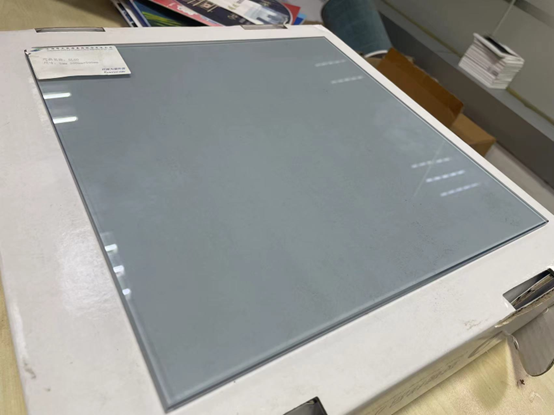
Selecting the right coated glass for your home can significantly impact energy efficiency, comfort levels, and long-term utility costs. Modern architectural glazing solutions have evolved beyond basic clear glass, offering homeowners sophisticated coated glass technologies that provide superior thermal performance and solar control. Understanding the various coated glass options available helps property owners make informed decisions that enhance both residential aesthetics and functional performance.
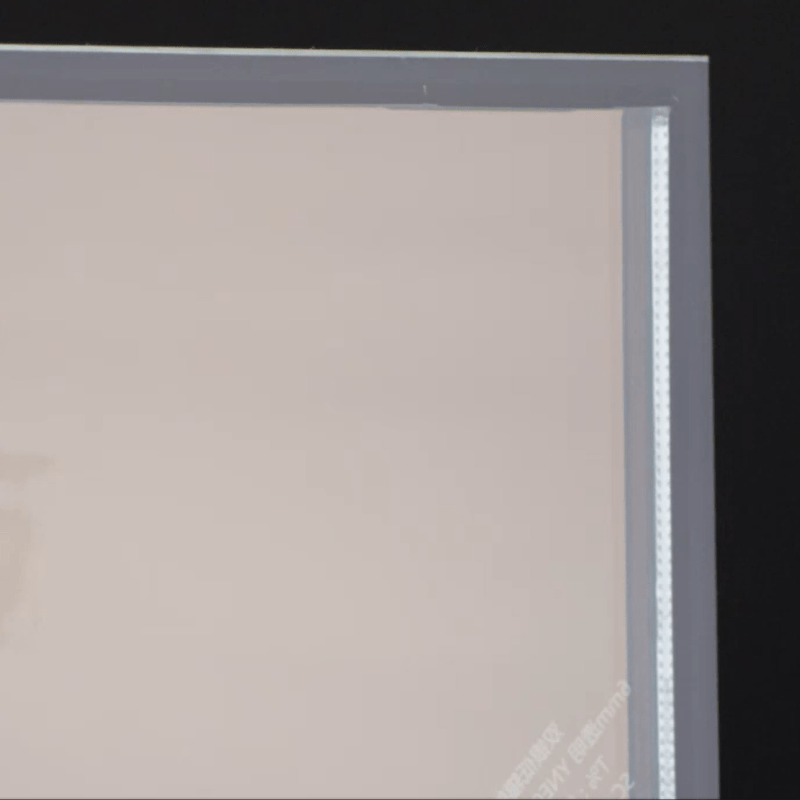
The residential glazing market presents numerous coated glass variations, each engineered to address specific environmental challenges and performance requirements. From low-emissivity coatings that minimize heat transfer to solar control films that reduce unwanted glare, these advanced glass technologies represent significant improvements over traditional uncoated alternatives. Property owners benefit from reduced heating and cooling expenses while maintaining optimal indoor environmental conditions throughout seasonal changes.
Understanding Low-E Coated Glass Technologies
Single Silver Low-E Coatings
Single silver low-emissivity coated glass incorporates microscopic metallic layers that reflect infrared radiation while allowing visible light transmission. This technology prevents heat loss during winter months by reflecting interior warmth back into living spaces, reducing heating system workload and associated energy consumption. The coating thickness measures only nanometers but provides substantial thermal performance improvements compared to standard glazing materials.
Manufacturing processes for single silver coated glass involve precise sputtering techniques that deposit silver particles onto glass substrates under controlled atmospheric conditions. Quality control measures ensure uniform coating distribution and optimal adhesion properties throughout the glass surface. Professional installation considerations include proper handling procedures to prevent coating damage during transportation and fitting processes.
Double Silver Low-E Systems
Double silver coated glass configurations feature two distinct metallic layers separated by dielectric materials, providing enhanced thermal performance characteristics. These sophisticated systems offer improved solar heat gain control while maintaining excellent visible light transmission rates. The dual-layer approach enables fine-tuning of spectral selectivity, allowing architects and homeowners to optimize both energy efficiency and visual comfort simultaneously.
Advanced manufacturing techniques create precise layer sequences that maximize coating durability and long-term performance stability. Double silver systems typically demonstrate superior condensation resistance and enhanced structural integrity compared to single-layer alternatives. Installation requirements may involve specialized glazing compounds and sealants to maintain optimal coating protection throughout the service lifecycle.
Solar Control Coated Glass Solutions
Reflective Coating Applications
Reflective coated glass technologies utilize metallic oxides and specialized films to reduce solar heat gain while providing effective glare control for residential applications. These coating systems reflect substantial portions of incoming solar radiation, preventing excessive interior temperature increases during peak summer conditions. Homeowners experience improved comfort levels and reduced air conditioning demands through strategic implementation of reflective glazing solutions.
Color variations in reflective coated glass include bronze, gray, blue, and green tints that complement diverse architectural styles while maintaining functional performance standards. Surface durability characteristics ensure long-term appearance retention and continued solar control effectiveness. Maintenance requirements remain minimal, with standard cleaning procedures sufficient to preserve both aesthetic appeal and technical performance capabilities.
Absorptive Heat Control Coatings
Absorptive coated glass systems incorporate specialized additives that absorb solar energy within the glass substrate rather than transmitting heat into interior spaces. This approach provides effective temperature regulation while maintaining relatively neutral visual appearance characteristics. Heat absorption processes convert incoming solar radiation into manageable thermal energy that dissipates through natural convection and radiation mechanisms.
Thermal stress considerations become important factors when specifying absorptive coated glass for residential applications, particularly in climates with significant temperature fluctuations. Proper structural glazing design accommodates thermal expansion and contraction cycles to prevent stress-related failures. Professional assessment of orientation, shading conditions, and local climate patterns ensures appropriate product selection and installation specifications.
Specialized Coating Technologies
Self-Cleaning Coated Glass
Photocatalytic coated glass incorporates titanium dioxide layers that break down organic contaminants when exposed to ultraviolet radiation. This self-cleaning technology reduces maintenance requirements while preserving optical clarity and coated glass performance characteristics. Hydrophilic surface properties encourage uniform water distribution, preventing spot formation and streaking during natural precipitation events.
Installation considerations for self-cleaning coated glass include adequate exposure to natural light sources and proper drainage design to facilitate effective cleaning action. Long-term performance benefits include reduced cleaning frequency and maintained aesthetic appearance throughout extended service periods. Cost-benefit analysis often demonstrates favorable economics for applications with challenging maintenance access or high cleaning frequency requirements.
Anti-Reflective Coating Systems
Anti-reflective coated glass technologies minimize surface reflections to maximize light transmission and visual clarity for residential glazing applications. These specialized coatings prove particularly beneficial for picture windows, display areas, and applications where optical performance takes priority over thermal control characteristics. Multilayer interference coatings create destructive interference patterns that eliminate unwanted reflections across visible light spectrums.
Durability considerations for anti-reflective coated glass include resistance to environmental contaminants and mechanical wear from cleaning procedures. Surface hardness treatments often accompany anti-reflective coatings to maintain long-term performance and appearance standards. Installation techniques require careful handling to prevent coating damage and ensure optimal optical performance throughout the service lifecycle.
Performance Comparison Factors
Energy Efficiency Metrics
Evaluating coated glass performance requires understanding key metrics including U-value, solar heat gain coefficient, and visible light transmission ratings. These standardized measurements enable direct comparison between different coating technologies and their respective energy efficiency contributions. Lower U-values indicate superior thermal insulation properties, while optimized solar heat gain coefficients balance heating and cooling season performance requirements.
Seasonal performance variations affect coated glass selection decisions, particularly in climates with distinct heating and cooling requirements. Winter performance emphasizes thermal retention capabilities, while summer conditions prioritize solar control effectiveness. Comprehensive energy modeling software helps predict annual energy savings and payback periods for various coated glass alternatives.
Durability and Longevity Considerations
Long-term performance stability represents a critical factor when comparing coated glass options for residential applications. Environmental exposure conditions including temperature cycling, moisture infiltration, and ultraviolet radiation affect coating integrity over extended service periods. Quality coated glass products demonstrate minimal performance degradation and maintained optical properties throughout decades of normal residential use.
Warranty provisions and manufacturer support services provide additional confidence in coated glass selection decisions. Comprehensive testing protocols verify coating adhesion, durability, and performance stability under accelerated aging conditions. Professional installation and appropriate glazing system design contribute significantly to achieving projected coated glass service life expectations.
Installation and Maintenance Requirements
Professional Installation Considerations
Proper installation techniques ensure optimal coated glass performance and longevity in residential glazing applications. Qualified glazing contractors understand handling procedures, storage requirements, and installation specifications that preserve coating integrity throughout the construction process. Specialized tools and techniques prevent coating damage while ensuring proper sealant adhesion and weatherproofing performance.
Structural glazing considerations include appropriate support systems, thermal movement accommodation, and drainage design that complement coated glass performance characteristics. Quality installation practices contribute significantly to energy efficiency achievements and long-term system reliability. Post-installation inspection procedures verify proper installation and identify potential issues before they affect performance or durability.
Maintenance and Care Procedures
Routine maintenance requirements for coated glass remain straightforward, typically involving standard cleaning procedures with appropriate cleaning solutions and techniques. Avoiding abrasive materials and harsh chemicals preserves coating integrity and maintains optical performance throughout the service lifecycle. Regular inspection schedules identify potential issues early and enable proactive maintenance interventions.
Seasonal maintenance considerations may include condensation management, sealant inspection, and hardware lubrication to ensure continued performance. Professional maintenance services provide comprehensive system evaluation and preventive care that extends coated glass service life. Proper documentation of maintenance activities supports warranty compliance and performance monitoring objectives.
FAQ
What is the typical lifespan of residential coated glass
Quality coated glass installations typically provide 20-30 years of effective service when properly installed and maintained. Advanced coating technologies demonstrate excellent durability under normal residential exposure conditions, with minimal performance degradation over extended periods. Manufacturer warranties often reflect this longevity with comprehensive coverage periods that provide confidence in long-term performance expectations.
How much energy savings can homeowners expect from coated glass
Energy savings from coated glass installations vary based on climate conditions, home orientation, and existing glazing characteristics, but typically range from 15-40% reduction in heating and cooling costs. Comprehensive energy audits and modeling studies provide more precise savings projections for specific residential applications. Return on investment periods often fall within 5-10 years depending on local utility rates and installation costs.
Can coated glass be retrofitted into existing window frames
Retrofitting coated glass into existing frames is often possible, though structural evaluation ensures adequate support and proper fit. Frame condition, glazing compound compatibility, and hardware adequacy require professional assessment before proceeding with coated glass replacement projects. Modern coated glass products offer various thickness options to accommodate existing frame specifications while providing improved performance characteristics.
Are there any disadvantages to using coated glass in residential applications
Potential disadvantages of coated glass include higher initial costs compared to standard glazing and possible aesthetic changes due to surface reflectivity or tinting. Some coating types may affect plant growth near windows due to altered light transmission characteristics. However, these considerations are typically outweighed by significant energy efficiency benefits and improved comfort levels for most residential applications.