
 EN
EN

Security concerns in modern architecture have transformed how we approach glazing solutions, with bulletproof glass emerging as a critical component in high-risk environments. Unlike conventional glazing materials, bulletproof glass represents a sophisticated engineering achievement that combines multiple layers of specialized materials to create barriers capable of withstanding ballistic impacts. Understanding the fundamental differences between bulletproof glass and regular glass becomes essential for architects, security professionals, and facility managers who must balance protection requirements with aesthetic and functional considerations. This comprehensive analysis explores the technical specifications, manufacturing processes, performance characteristics, and practical applications that distinguish these two glazing technologies in contemporary security architecture.
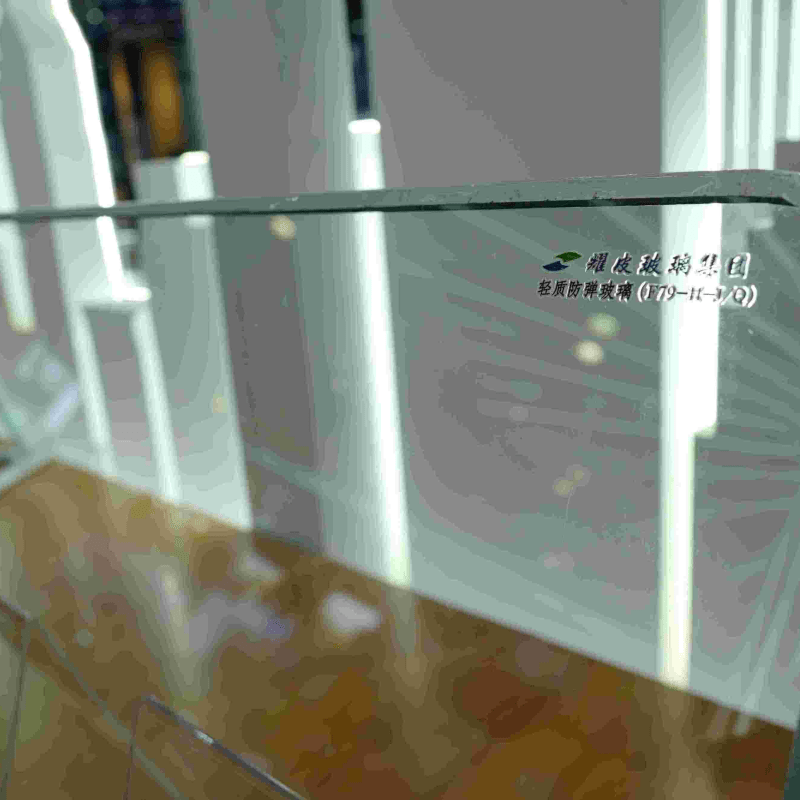
Manufacturing and Material Composition
Bulletproof Glass Construction Methods
The manufacturing process for bulletproof glass involves sophisticated lamination techniques that bond multiple layers of specialized materials under controlled temperature and pressure conditions. Each layer serves a specific purpose in the overall protective system, with alternating sheets of polycarbonate, tempered glass, and polyvinyl butyral creating a composite structure. The precision required in this manufacturing process ensures uniform thickness distribution and optimal adhesion between layers, preventing delamination under stress. Quality control measures throughout production include ballistic testing of sample panels to verify protection levels meet specified standards.
Advanced manufacturing facilities utilize autoclave processes to eliminate air bubbles and achieve perfect lamination between layers, resulting in optical clarity that rivals conventional glazing. The curing process can take several hours under specific temperature and pressure conditions, allowing the interlayer materials to form molecular bonds with the glass substrates. This meticulous approach to manufacturing ensures that bulletproof glass maintains structural integrity even when subjected to repeated impacts or environmental stress over extended periods.
Regular Glass Production Techniques
Standard glass production relies on the float glass process, where molten silica is poured onto a bed of molten tin to create perfectly flat sheets with consistent thickness. This traditional manufacturing method produces single-layer glazing materials that prioritize transparency and cost-effectiveness over protective capabilities. The cooling process, known as annealing, relieves internal stresses that could cause spontaneous breakage, but results in relatively weak failure characteristics when compared to engineered security glazing.
Tempered glass production involves reheating annealed glass to specific temperatures before rapid cooling, creating surface compression that increases strength by approximately four times. However, even tempered regular glass lacks the multi-layer construction necessary for ballistic resistance, relying instead on controlled fracture patterns that create small, relatively harmless fragments when broken. The simplicity of regular glass manufacturing allows for high-volume production at significantly lower costs than specialized security glazing systems.
Performance Characteristics and Protection Levels
Ballistic Resistance Standards
Bulletproof glass undergoes rigorous testing according to internationally recognized standards such as UL 752 and EN 1063, which define specific protection levels based on ammunition types and impact velocities. These standards classify bulletproof glass into multiple protection levels, ranging from handgun rounds to high-powered rifle ammunition. Testing protocols involve firing specified ammunition at sample panels from predetermined distances, measuring penetration, spalling, and overall structural integrity after impact.
The multi-layer construction of bulletproof glass allows it to absorb and dissipate kinetic energy through controlled deformation and layer separation, preventing complete penetration while maintaining barrier integrity. Higher protection levels require increased thickness and additional layers, with some applications demanding glazing systems exceeding four inches in total thickness. Understanding these protection classifications enables specifiers to select appropriate bulletproof glass configurations for specific threat assessments and security requirements.
Regular Glass Failure Modes
Regular glass exhibits predictable failure characteristics that prioritize occupant safety through controlled fracture patterns rather than ballistic resistance. Annealed glass breaks into large, sharp fragments that can cause severe injuries, while tempered glass shatters into small, cube-shaped pieces that minimize laceration risks. Neither failure mode provides meaningful protection against ballistic threats, as projectiles easily penetrate the single-layer construction with minimal energy dissipation.
The brittle nature of regular glass makes it unsuitable for security applications where maintaining barrier integrity under attack is critical. Impact resistance testing for regular glass focuses on accidental human contact or environmental loads rather than intentional assault scenarios. This fundamental difference in design philosophy highlights why regular glass cannot be considered a substitute for engineered bulletproof glass in security-critical applications.
Optical Properties and Visual Characteristics
Transparency and Clarity Considerations
Modern bulletproof glass achieves remarkable optical clarity despite its complex multi-layer construction, with high-quality systems providing light transmission rates exceeding 85 percent. Advanced interlayer materials and precision manufacturing techniques minimize optical distortion, allowing bulletproof glass to meet architectural glazing standards for commercial and residential applications. However, increased thickness requirements for higher protection levels can result in slight green tinting due to iron content in glass layers.
Optical quality considerations for bulletproof glass include minimizing parallax effects that can occur when viewing through thick laminated sections. Manufacturing tolerances must be extremely tight to prevent visual distortion that could affect surveillance capabilities or general visibility. Premium bulletproof glass products incorporate low-iron glass formulations and anti-reflective coatings to maximize optical performance while maintaining required protection levels.
Regular Glass Optical Performance
Regular glass provides superior optical clarity due to its single-layer construction and standardized manufacturing processes that optimize light transmission. Float glass typically achieves light transmission rates of 90 percent or higher, making it ideal for applications where maximum visibility is required without security considerations. The uniform thickness and smooth surfaces of regular glass minimize optical distortion and reflective irregularities.
Specialized coatings can be applied to regular glass to enhance performance characteristics such as solar control, low-emissivity properties, or decorative effects. These treatments are generally less expensive to apply than similar coatings on bulletproof glass due to the simpler substrate and reduced handling requirements. The optical superiority of regular glass makes it the preferred choice for applications where security threats are minimal and maximum transparency is desired.
Installation and Structural Requirements
Bulletproof Glass Mounting Systems
Installing bulletproof glass requires specialized framing systems designed to accommodate the increased weight and thickness of multi-layer glazing while maintaining structural integrity under ballistic impact. Frame materials must be engineered to resist deformation that could compromise the protective barrier, often requiring steel or reinforced aluminum construction. Gasket systems must provide weathersealing while allowing for thermal expansion of the thicker glazing assembly.
Structural calculations for bulletproof glass installations must account for both dead loads from the increased glazing weight and dynamic loads from potential impacts. Foundation and framing modifications are often necessary to support the additional weight, particularly in retrofit applications where existing structures were not designed for security glazing. Professional installation by certified glaziers familiar with bulletproof glass requirements ensures proper performance and warranty compliance.
Regular Glass Installation Methods
Regular glass installation utilizes standard glazing techniques and conventional framing systems that prioritize cost-effectiveness and ease of handling. Lightweight construction allows for simplified mounting hardware and reduced structural requirements, making regular glass suitable for a wide range of architectural applications. Installation procedures are well-established and can be performed by general glazing contractors without specialized training.
The reduced weight and thickness of regular glass enable larger panel sizes without exceeding structural load limits, providing design flexibility that may not be achievable with bulletproof glass. Replacement and maintenance procedures are straightforward, with readily available materials and standard tools sufficient for most applications. This simplicity contributes to lower lifecycle costs for regular glass installations in non-security applications.
Cost Analysis and Economic Considerations
Bulletproof Glass Investment Requirements
The initial cost of bulletproof glass significantly exceeds regular glass due to specialized materials, complex manufacturing processes, and rigorous testing requirements. Protection level requirements directly impact pricing, with higher-level bulletproof glass systems costing substantially more than basic configurations. Installation costs also increase due to specialized handling requirements, reinforced framing needs, and certified installer requirements.
Long-term economic considerations for bulletproof glass include reduced insurance premiums in high-risk locations, potential liability reduction from improved security, and extended service life compared to replacement costs following security incidents. The investment in bulletproof glass should be evaluated against the total cost of security measures, potential loss prevention, and business continuity benefits. Some applications may qualify for tax incentives or insurance discounts that partially offset the initial investment.
Regular Glass Economic Factors
Regular glass provides the most cost-effective glazing solution for applications without security requirements, with material costs representing a fraction of bulletproof glass alternatives. Mass production techniques and standardized sizes enable competitive pricing and ready availability from multiple suppliers. Installation and replacement costs remain minimal due to standard procedures and widely available contractor expertise.
Maintenance costs for regular glass are typically lower than bulletproof glass due to simpler cleaning requirements and easier access for routine servicing. Replacement glass panels can be sourced quickly and installed without specialized equipment or extensive downtime. The economic advantages of regular glass make it the logical choice for residential, commercial, and institutional applications where security threats are minimal.
Applications and Industry Usage
Security-Critical Bulletproof Glass Applications
Government facilities, financial institutions, and high-risk commercial properties rely on bulletproof glass to protect occupants and assets from ballistic threats. Embassy buildings, courthouses, and police stations incorporate bulletproof glass in windows, transaction windows, and security barriers to maintain operational capability during security incidents. The protection provided by bulletproof glass enables continued operation of essential services even in hostile environments.
Retail applications for bulletproof glass include jewelry stores, pharmacies, and cash-intensive businesses where robbery attempts pose significant risks to employees and customers. Transportation applications encompass armored vehicles, public transit systems in high-crime areas, and aircraft cockpit doors where bulletproof glass provides critical protection. Each application requires careful analysis of threat levels and appropriate bulletproof glass specification to ensure adequate protection.
Standard Regular Glass Applications
Residential construction utilizes regular glass extensively in windows, doors, and architectural features where security threats are minimal and cost considerations are paramount. Commercial office buildings, retail spaces, and hospitality facilities employ regular glass to maximize natural light while maintaining comfortable indoor environments. The versatility and affordability of regular glass make it suitable for countless architectural applications.
Specialized regular glass applications include greenhouse construction, display cases, and decorative installations where security is not a concern but specific performance characteristics are required. Automotive applications use regular glass in side windows and rear windshields, while laminated regular glass provides basic safety benefits in windshields without ballistic protection capabilities. The widespread availability and proven performance of regular glass ensure its continued dominance in non-security applications.
FAQ
What makes bulletproof glass different from regular glass in terms of stopping power
Bulletproof glass achieves its stopping power through a multi-layer construction that combines glass sheets with specialized interlayer materials like polycarbonate and polyvinyl butyral. When a projectile strikes bulletproof glass, the outer layer may crack but the energy is absorbed and distributed across multiple layers, preventing complete penetration. Regular glass lacks this layered construction and will shatter completely when struck by a bullet, providing no meaningful protection against ballistic threats.
How much thicker is bulletproof glass compared to regular glass
Bulletproof glass thickness varies significantly based on the required protection level, typically ranging from 0.75 inches for basic handgun protection to over 4 inches for high-powered rifle resistance. Regular glass commonly measures between 0.125 to 0.75 inches thick for most applications. The substantial thickness difference reflects the multiple layers required for ballistic protection and directly impacts weight, installation requirements, and optical characteristics of the glazing system.
Can regular glass be upgraded to bulletproof glass without complete replacement
Regular glass cannot be retrofitted or upgraded to achieve bulletproof glass performance characteristics due to fundamental differences in construction and materials. Bulletproof glass requires specialized manufacturing processes that bond multiple layers under controlled conditions, which cannot be replicated in field installations. Converting from regular glass to bulletproof glass necessitates complete replacement of glazing panels and often requires structural modifications to support the increased weight and thickness requirements.
Does bulletproof glass require special maintenance compared to regular glass
Bulletproof glass requires more careful maintenance procedures due to its laminated construction and specialized coatings, with cleaning agents and techniques specifically designed to avoid damaging the interlayer materials. Regular glass can be cleaned with standard commercial cleaners and conventional methods without concern for delamination or layer separation. Professional maintenance services may be recommended for bulletproof glass to ensure warranty compliance and optimal performance throughout the service life of the glazing system.
Table of Contents
- Manufacturing and Material Composition
- Performance Characteristics and Protection Levels
- Optical Properties and Visual Characteristics
- Installation and Structural Requirements
- Cost Analysis and Economic Considerations
- Applications and Industry Usage
-
FAQ
- What makes bulletproof glass different from regular glass in terms of stopping power
- How much thicker is bulletproof glass compared to regular glass
- Can regular glass be upgraded to bulletproof glass without complete replacement
- Does bulletproof glass require special maintenance compared to regular glass