metal coated glass
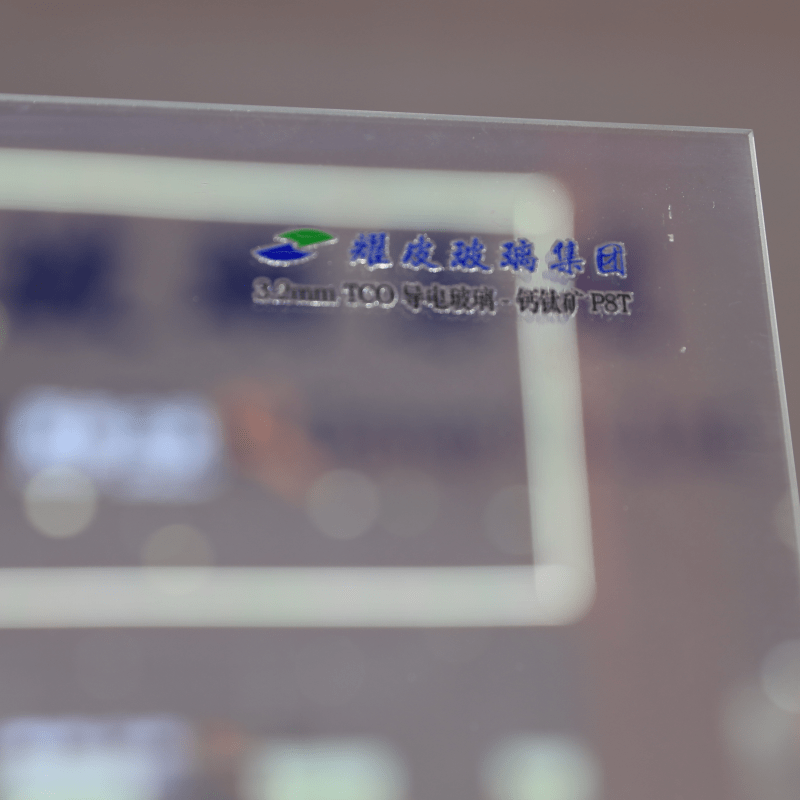
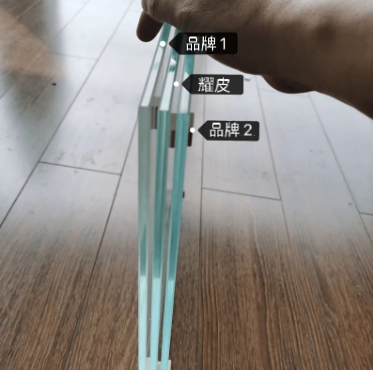
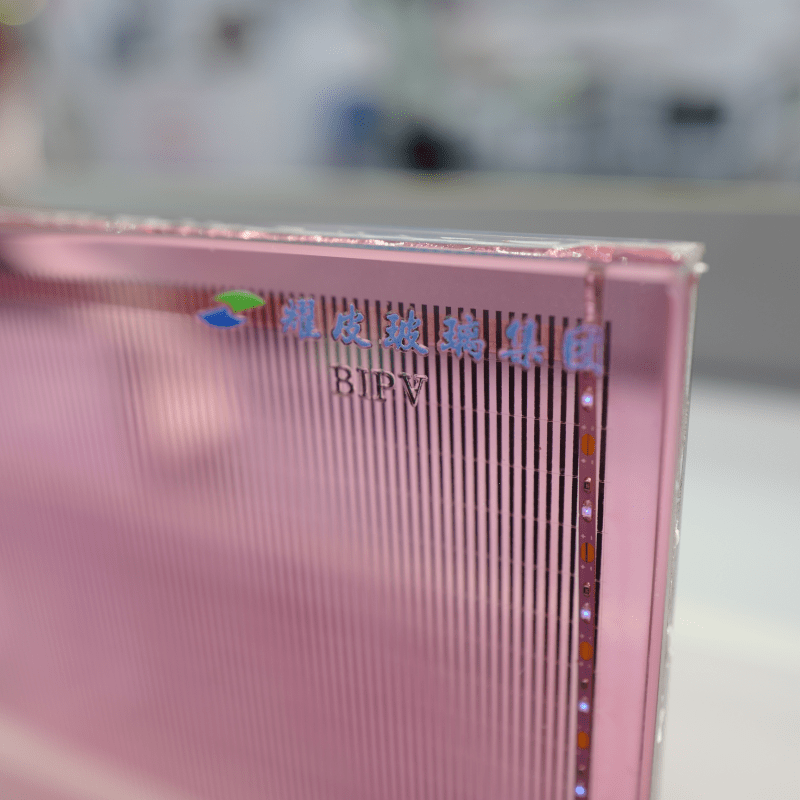
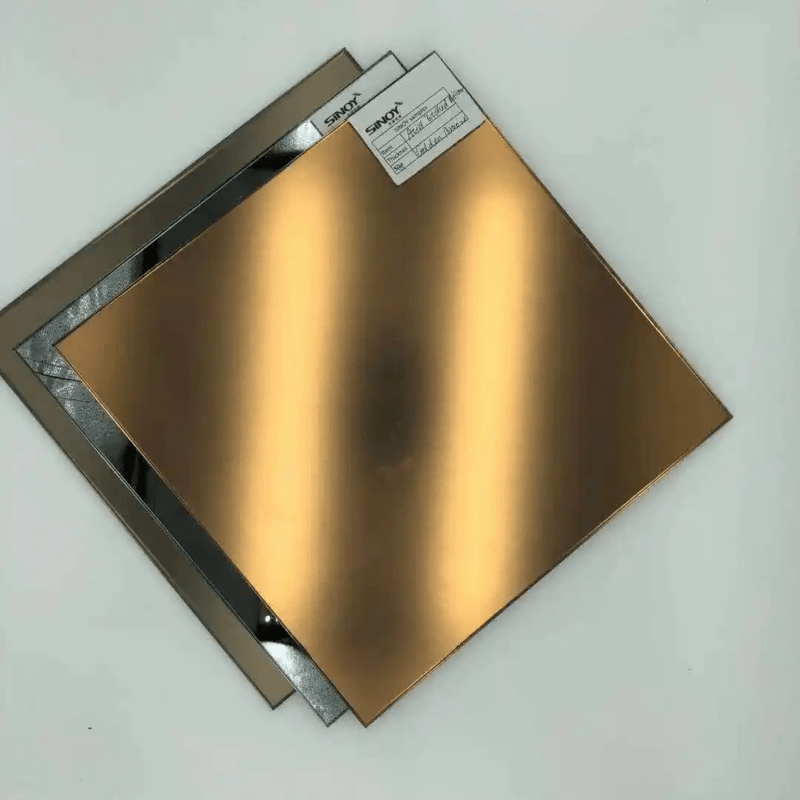
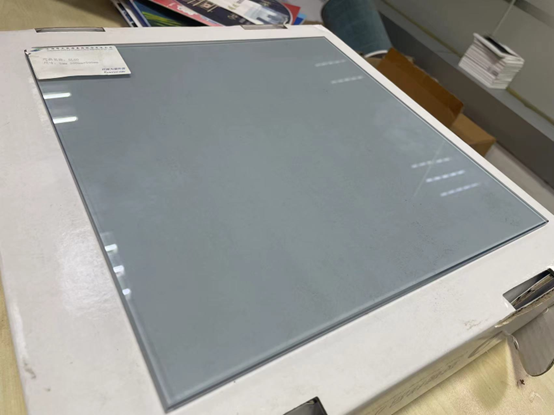
Metal coated glass represents a revolutionary advancement in architectural and industrial materials, combining the transparency of traditional glass with enhanced performance characteristics through specialized metallic surface treatments. This innovative technology involves applying ultra-thin layers of metals or metallic compounds onto glass surfaces using sophisticated deposition techniques such as sputtering, chemical vapor deposition, or vacuum coating processes. The resulting product delivers exceptional functionality while maintaining optical clarity and aesthetic appeal. The primary functions of metal coated glass encompass solar control, thermal insulation, electromagnetic shielding, and decorative enhancement. These coated surfaces effectively regulate heat transfer, reduce glare, and provide superior energy efficiency compared to conventional glazing solutions. The technological features include precise control over light transmission, selective wavelength filtering, and customizable optical properties. Advanced coating formulations utilize materials like silver, titanium, aluminum oxide, and various metallic alloys to achieve specific performance targets. The manufacturing process ensures uniform coating thickness, excellent adhesion, and long-term durability under diverse environmental conditions. Applications span across commercial buildings, residential construction, automotive industry, electronics manufacturing, and specialized optical equipment. In architectural projects, metal coated glass serves as curtain walls, windows, and facades that contribute to sustainable building design and LEED certification requirements. The automotive sector employs these materials for windshields, sunroofs, and side windows to enhance passenger comfort and vehicle efficiency. Electronics applications include display screens, touch panels, and electromagnetic interference shielding components. The versatility of metal coated glass makes it indispensable for modern construction projects seeking to balance natural lighting with energy conservation, creating comfortable indoor environments while reducing operational costs and environmental impact.

 EN
EN