Premium Double Coated Glass Solutions - Advanced Thermal Insulation and Energy Efficiency

All Categories
Get a Quote

Get a Free Quote

Our representative will contact you soon.
Email
Name
Company Name
Products
Message
0/1000

double coated glass

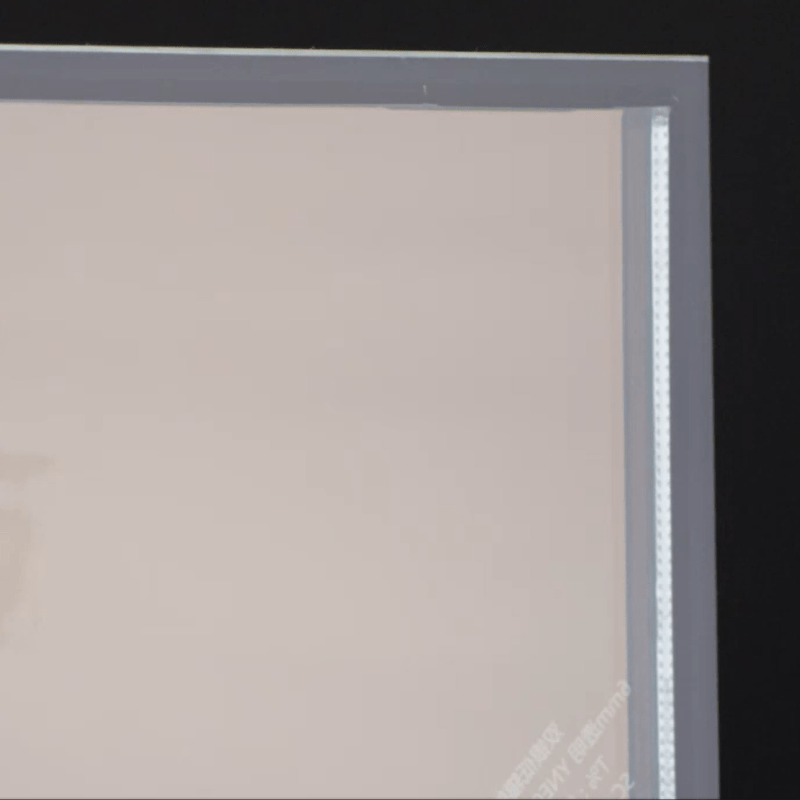
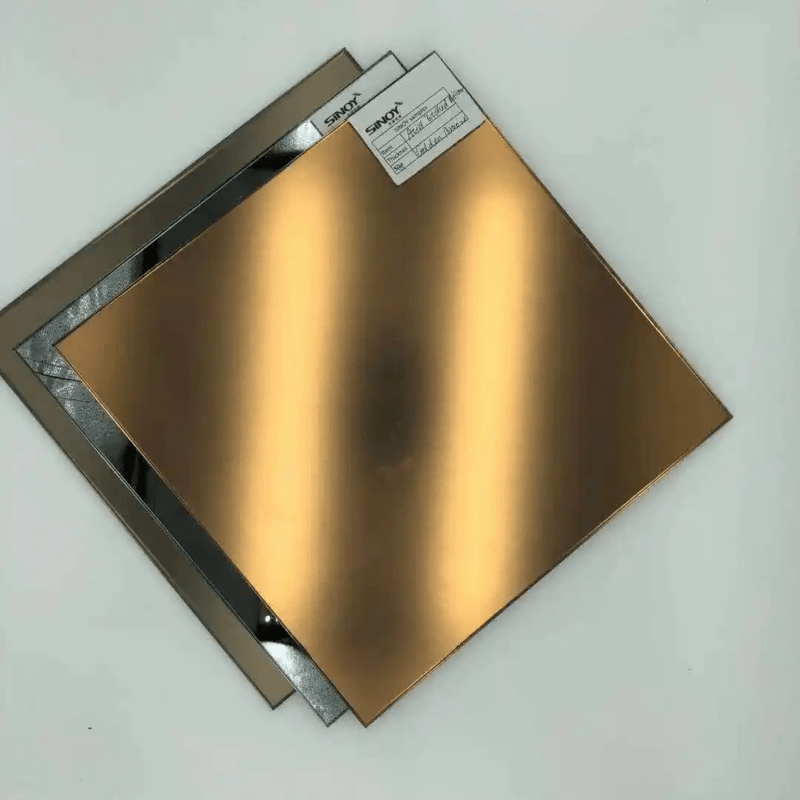
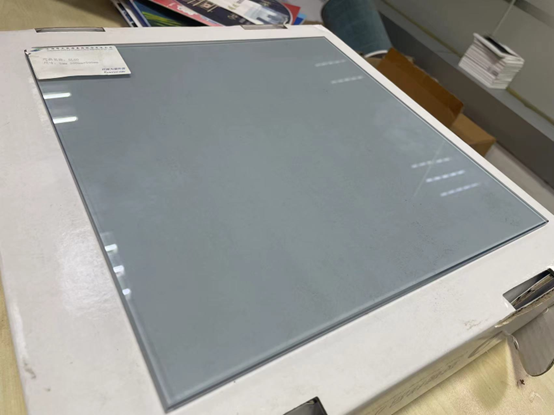
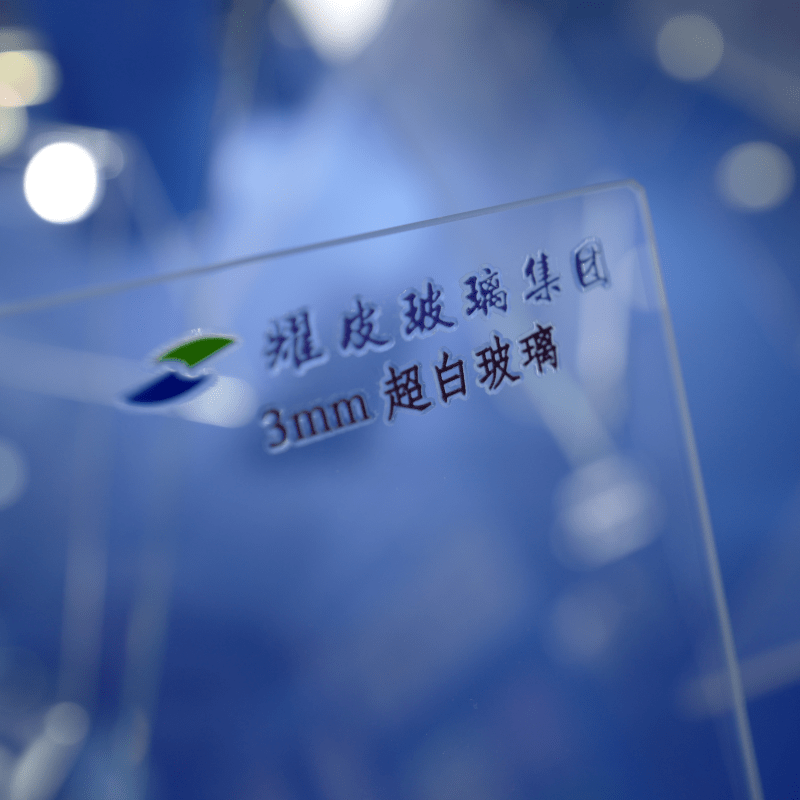
Double coated glass represents a revolutionary advancement in glazing technology that transforms ordinary glass surfaces into high-performance architectural solutions. This innovative material features two distinct coating layers applied to glass substrates, creating a sophisticated barrier system that enhances thermal efficiency, optical performance, and durability. The primary function of double coated glass centers on energy conservation, where specialized metallic and dielectric coatings work together to regulate heat transfer and light transmission. The first coating typically consists of low-emissivity materials that reflect infrared radiation while maintaining visible light transparency, while the second coating provides additional thermal control and surface protection. Technological features of double coated glass include advanced sputter coating processes that deposit microscopic layers with precision thickness control, ensuring consistent performance across large glass panels. These coatings utilize silver, titanium dioxide, and various metal oxides to achieve specific optical and thermal properties. The manufacturing process involves magnetron sputtering in controlled vacuum environments, where atoms are deposited layer by layer to create uniform coatings with exceptional adhesion properties. Applications for double coated glass span residential, commercial, and industrial sectors, including curtain wall systems, skylights, residential windows, automotive glazing, and solar control applications. In architectural projects, double coated glass serves as an essential component for achieving green building certifications and energy efficiency standards. The material excels in climate-controlled environments where temperature regulation and natural lighting balance are crucial. Modern double coated glass systems can achieve U-values as low as 0.8 W/m²K while maintaining visible light transmission rates exceeding 70 percent. This combination of thermal performance and optical clarity makes double coated glass an indispensable solution for contemporary building design and energy-conscious construction projects.


New Products

Double coated glass delivers substantial energy savings that directly impact utility costs for building owners and occupants. The dual coating system creates an effective thermal barrier that reduces heat transfer by up to 60 percent compared to standard single-pane glass, resulting in lower heating and cooling expenses throughout the year. This enhanced insulation performance means HVAC systems work less intensively to maintain comfortable indoor temperatures, extending equipment lifespan and reducing maintenance requirements. The superior thermal control provided by double coated glass maintains consistent interior temperatures, eliminating hot spots near windows during summer months and cold drafts during winter seasons. Occupants experience improved comfort levels with more stable room temperatures and reduced temperature fluctuations near glazed areas. Natural lighting optimization represents another significant advantage, as double coated glass allows abundant daylight penetration while filtering harmful ultraviolet rays that cause furniture fading and interior material degradation. The selective transmission properties enable buildings to maximize daylighting benefits without compromising thermal performance or creating glare issues. Double coated glass systems demonstrate exceptional durability and longevity, with coating technologies that resist scratching, weathering, and chemical degradation over extended periods. The protective nature of the outer coating shields the inner functional layer from environmental factors, ensuring consistent performance for decades. Installation flexibility makes double coated glass suitable for various architectural applications, from residential replacement windows to large-scale commercial curtain walls. The material integrates seamlessly with existing window systems and can be customized to meet specific performance requirements. Maintenance requirements remain minimal, as the smooth coated surfaces resist dirt accumulation and clean easily with standard window cleaning procedures. Environmental benefits include reduced carbon footprint through lower energy consumption and potential contribution to LEED certification points for sustainable building projects. The manufacturing process utilizes recyclable materials and generates minimal waste, supporting green construction initiatives. Sound insulation properties improve acoustic comfort by reducing external noise transmission, creating quieter indoor environments. The combination of thermal efficiency, optical performance, durability, and environmental responsibility makes double coated glass a smart investment that provides immediate and long-term value for property owners while contributing to global energy conservation efforts.

Practical Tips

How Solar Glass Technology Powers Modern Buildings

27

Nov

How Solar Glass Technology Powers Modern Buildings

How Solar Glass Technology Powers Modern Buildings The integration of solar glass into modern architecture represents one of the most significant advances in sustainable building design. This innovative technology transforms ordinary windows and buil...
View More
Sustainable Architectural Glass: Design & Benefits

27

Nov

Sustainable Architectural Glass: Design & Benefits

Sustainable Architectural Glass: Design & Benefits Modern construction has embraced architectural glass as a fundamental material that combines aesthetics with functionality. This versatile building component has revolutionized contemporary architect...
View More
Bulletproof Glass vs Regular Glass: Key Differences

14

Jan

Bulletproof Glass vs Regular Glass: Key Differences

Security concerns in modern architecture have transformed how we approach glazing solutions, with bulletproof glass emerging as a critical component in high-risk environments. Unlike conventional glazing materials, bulletproof glass represents a soph...
View More
Power Glass vs Regular Glass: What's the Difference?

20

Jan

Power Glass vs Regular Glass: What's the Difference?

The construction and architectural industries have witnessed remarkable innovations in glass technology over recent decades. Among these breakthroughs, power glass stands out as a revolutionary material that transforms traditional building concepts. ...
View More

Get a Free Quote

Our representative will contact you soon.
Email
Name
Company Name
Products
Message
0/1000

double coated glass

Advanced Thermal Insulation Technology

Advanced Thermal Insulation Technology

The thermal insulation capabilities of double coated glass represent a breakthrough in building envelope performance, utilizing sophisticated coating chemistry to create an invisible barrier that dramatically reduces heat transfer. The dual coating system employs low-emissivity materials that reflect long-wave infrared radiation back into interior spaces during cold weather while preventing unwanted solar heat gain during warm seasons. This selective thermal control is achieved through precisely engineered metallic layers, typically incorporating silver particles suspended in dielectric matrices that maintain optical transparency while blocking thermal radiation. The inner coating layer focuses on emissivity reduction, creating a mirror-like surface for infrared wavelengths that prevents heat loss through conduction and radiation. Meanwhile, the outer coating layer provides solar control properties that filter specific wavelengths of sunlight, reducing cooling loads without compromising natural lighting levels. This dual-action approach results in U-values that can reach as low as 0.6 W/m²K in triple-glazed applications, representing a 75 percent improvement over standard double-pane units. The thermal bridge reduction achieved through advanced spacer systems and gas fills between panes further enhances insulation performance. Argon or krypton gas fills between glazing layers provide additional thermal resistance while maintaining structural integrity. The cumulative effect of these technologies creates building envelopes that maintain comfortable interior temperatures with minimal energy input, reducing heating and cooling costs by 30 to 50 percent annually. This exceptional thermal performance enables architects and builders to design larger glazed areas without compromising energy efficiency, opening new possibilities for daylighting and architectural expression. The long-term thermal stability of double coated glass ensures consistent performance throughout its service life, with coating systems designed to withstand thermal cycling and environmental stresses without degradation.
Superior Optical Performance and Light Management

Superior Optical Performance and Light Management

Double coated glass excels in optical performance through sophisticated light management capabilities that balance natural illumination needs with glare control and privacy requirements. The engineered coating system selectively transmits visible light wavelengths while filtering ultraviolet and infrared radiation, creating optimal indoor lighting conditions without harmful side effects. Visible light transmission rates typically range from 60 to 80 percent, ensuring adequate natural lighting while the coatings block up to 99 percent of UV radiation that causes material fading and degradation. This selective transmission is achieved through carefully calibrated interference effects between coating layers that create constructive interference for desired wavelengths and destructive interference for unwanted radiation. The optical clarity maintained by double coated glass rivals that of uncoated materials, with minimal color distortion or visual artifacts that could compromise aesthetic appeal. Anti-reflective properties built into the coating system reduce surface reflections by up to 80 percent, eliminating glare issues and improving visual comfort for building occupants. This reduction in reflectivity also enhances the transparency of the glass, creating clearer views to the exterior while maintaining privacy control through selective reflection properties. The light shelf effect created by specific coating configurations can redirect daylight deeper into interior spaces, improving illumination distribution and reducing dependence on artificial lighting systems. Color neutrality ensures that transmitted light maintains natural spectral characteristics, supporting circadian rhythm regulation and visual comfort. The scratch-resistant nature of advanced coatings protects optical performance over time, maintaining clarity and transmission properties throughout the product's lifespan. Customizable optical properties allow architects to specify exact performance parameters for different orientations and applications, with options for increased solar control in south-facing installations or maximum light transmission in north-facing applications. This flexibility in optical design enables optimized building performance that responds to specific climate conditions and usage requirements while maintaining consistent aesthetic appearance across different glass orientations.
Enhanced Durability and Weather Resistance

Enhanced Durability and Weather Resistance

The durability characteristics of double coated glass surpass conventional glazing materials through advanced surface protection and weather resistance technologies that extend service life while maintaining performance standards. The multi-layer coating architecture creates a robust barrier system that protects the underlying glass substrate from environmental degradation, chemical attack, and mechanical damage. The outer coating layer incorporates hardening agents and protective compounds that increase surface hardness by up to 400 percent compared to uncoated glass, providing superior scratch resistance and impact tolerance. This enhanced surface durability reduces maintenance requirements and preserves optical clarity throughout the product's service life. Weather resistance testing demonstrates exceptional performance under extreme temperature cycling, with coatings remaining stable through temperature ranges from -40°C to +80°C without cracking, peeling, or delamination. UV stability testing shows minimal degradation after extended exposure equivalent to 25 years of natural weathering, ensuring long-term performance in challenging climatic conditions. The adhesion strength between coating layers and glass substrate exceeds industry standards by significant margins, with pull-off strength values indicating permanent bonding that withstands thermal expansion differences and mechanical stresses. Corrosion resistance properties protect the metallic components within the coating system from oxidation and chemical degradation, maintaining thermal and optical performance over decades of service. Salt spray testing confirms excellent performance in coastal environments where chloride exposure can accelerate material degradation. The self-cleaning properties incorporated into advanced double coated glass systems reduce maintenance requirements through photocatalytic surface treatments that break down organic contaminants when exposed to sunlight. This technology keeps glass surfaces cleaner for longer periods while reducing cleaning frequency and associated costs. Impact resistance improvements result from the energy-absorbing properties of coating layers that distribute stress across larger areas, reducing the likelihood of crack propagation and catastrophic failure. The thermal shock resistance of double coated glass exceeds standard requirements, withstanding rapid temperature changes that occur during extreme weather events or building system cycling. These durability enhancements translate into lower lifecycle costs through reduced replacement frequency, decreased maintenance requirements, and sustained performance levels that maintain building efficiency standards throughout the glazing system's operational life.

Get a Free Quote

Our representative will contact you soon.
Email
Name
Company Name
Products
Message
0/1000
Newsletter
Contact Us