Professional Glass Coating Solutions - Enhanced Performance & Energy Efficiency

All Categories
Get a Quote

Get a Free Quote

Our representative will contact you soon.
Email
Name
Company Name
Products
Message
0/1000

coating of glass

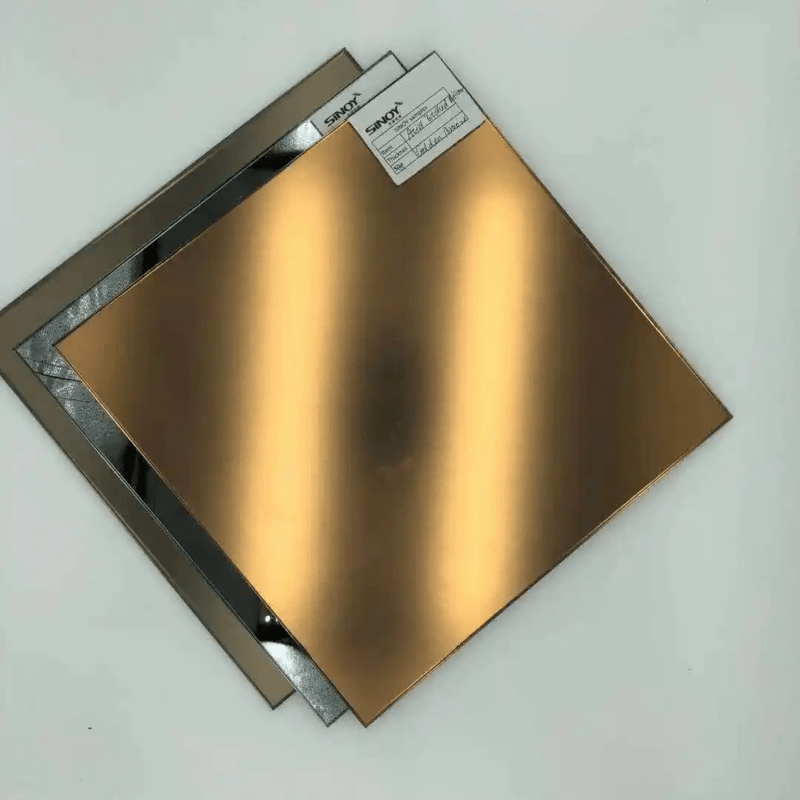
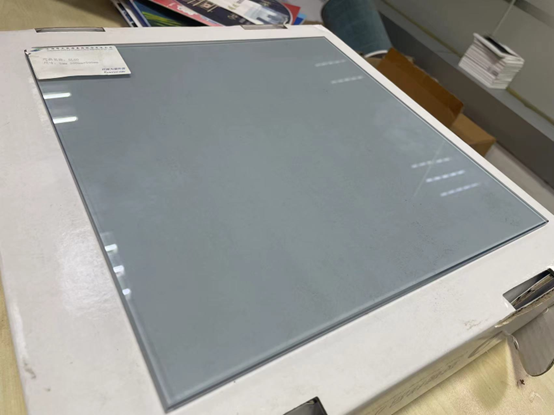
The coating of glass represents a revolutionary advancement in modern material science that transforms ordinary glass into high-performance surfaces with enhanced functionality. This sophisticated process involves applying ultra-thin layers of specialized materials onto glass substrates to create surfaces that offer superior properties compared to untreated glass. The coating of glass technology encompasses various methods including physical vapor deposition, chemical vapor deposition, and sol-gel processes, each designed to achieve specific performance characteristics. These coatings can be metallic, ceramic, or polymer-based, with thicknesses ranging from nanometers to micrometers. The primary functions of glass coating include thermal insulation, solar control, anti-reflective properties, self-cleaning capabilities, and enhanced durability. Thermal insulation coatings help regulate indoor temperatures by reflecting infrared radiation while allowing visible light transmission. Solar control coatings manage heat gain by selectively filtering solar energy, reducing cooling costs in buildings. Anti-reflective coatings minimize glare and improve optical clarity for applications in displays, lenses, and architectural glazing. Self-cleaning coatings utilize photocatalytic properties to break down organic contaminants when exposed to UV light. The coating of glass finds extensive applications across multiple industries including construction, automotive, electronics, aerospace, and renewable energy sectors. In architecture, coated glass enhances energy efficiency in smart buildings and green construction projects. Automotive applications include windshields with improved visibility and reduced maintenance requirements. Electronic devices benefit from anti-glare and fingerprint-resistant coatings on touchscreens and displays. The aerospace industry utilizes specialized coatings for cockpit windows and satellite components. Solar panel manufacturers employ anti-reflective coatings to maximize light transmission and energy conversion efficiency. The technological features of the coating of glass include precise thickness control, uniform application, excellent adhesion, and customizable properties tailored to specific requirements.


Popular Products

The coating of glass delivers substantial practical benefits that directly impact performance, cost savings, and user experience across diverse applications. Energy efficiency stands as one of the most compelling advantages, where coated glass significantly reduces heating and cooling costs by up to 30% compared to standard glass. This translates to immediate financial savings on utility bills while contributing to environmental sustainability goals. The enhanced durability provided by glass coatings extends product lifespan considerably, reducing replacement costs and maintenance frequency. Coated glass surfaces resist scratching, chemical corrosion, and weathering effects that typically degrade unprotected glass over time. Maintenance requirements decrease dramatically with self-cleaning coatings that break down dirt, grime, and organic deposits automatically through photocatalytic reactions. This feature proves particularly valuable for high-rise buildings, solar installations, and automotive applications where regular cleaning presents logistical challenges and safety concerns. The coating of glass improves optical performance by eliminating unwanted reflections that cause glare and reduce visibility. Anti-reflective properties enhance user comfort in office environments, reduce eye strain for computer users, and improve display readability in bright ambient conditions. Temperature regulation capabilities of thermal coatings maintain consistent indoor climates while reducing HVAC system workload. This creates more comfortable living and working environments while extending equipment lifespan. The coating of glass offers customizable properties allowing manufacturers to tailor performance characteristics to specific application requirements. This flexibility enables optimization for unique environmental conditions, performance specifications, and aesthetic preferences. Installation versatility allows coated glass integration into existing structures through retrofit applications or incorporation into new construction projects. Quality control improvements result from consistent coating application processes that deliver predictable performance outcomes. The coating of glass technology continues advancing with new formulations that provide enhanced functionality, improved durability, and expanded application possibilities. Cost-effectiveness emerges through reduced energy consumption, extended product lifecycles, and decreased maintenance requirements that collectively deliver excellent return on investment for both commercial and residential applications.

Tips And Tricks

Types of Solar Glass: A Comprehensive Comparison

12

Dec

Types of Solar Glass: A Comprehensive Comparison

Solar glass represents a revolutionary advancement in renewable energy technology, transforming how we harness and utilize solar power. This specialized glass material serves as the protective front cover for photovoltaic panels and solar thermal col...
View More
Bulletproof Glass vs Regular Glass: Key Differences

14

Jan

Bulletproof Glass vs Regular Glass: Key Differences

Security concerns in modern architecture have transformed how we approach glazing solutions, with bulletproof glass emerging as a critical component in high-risk environments. Unlike conventional glazing materials, bulletproof glass represents a soph...
View More
Bulletproof Glass Testing: Standards and Certification

14

Jan

Bulletproof Glass Testing: Standards and Certification

The security industry has witnessed unprecedented growth in demand for reliable protection systems, with bulletproof glass emerging as a critical component in safeguarding lives and assets. This transparent armor technology has evolved dramatically o...
View More
2026 Power Glass Guide: Top Features and Benefits

20

Jan

2026 Power Glass Guide: Top Features and Benefits

The construction and architectural industry continues to evolve with innovative glazing solutions that enhance both energy efficiency and aesthetic appeal. Power glass technology represents a significant advancement in building materials, offering ar...
View More

Get a Free Quote

Our representative will contact you soon.
Email
Name
Company Name
Products
Message
0/1000

coating of glass

Superior Energy Performance and Thermal Management

Superior Energy Performance and Thermal Management

The coating of glass revolutionizes building energy efficiency through advanced thermal management capabilities that deliver measurable performance improvements and cost savings. Low-emissivity coatings applied to glass surfaces create invisible barriers that selectively control heat transfer while maintaining excellent visible light transmission. These sophisticated coatings reflect long-wave infrared radiation back into interior spaces during winter months, preventing heat loss and reducing heating demands. Conversely, during summer periods, solar control variants of the coating of glass reflect excessive solar heat gain while permitting natural daylight penetration, significantly reducing air conditioning requirements. The scientific principle underlying this technology involves microscopically thin metallic or ceramic layers that interact with specific wavelengths of electromagnetic radiation. Silver-based low-E coatings demonstrate exceptional performance with emissivity values as low as 0.03 compared to 0.84 for uncoated glass, representing a dramatic improvement in thermal efficiency. Commercial buildings utilizing the coating of glass achieve LEED certification points and comply with increasingly stringent energy codes worldwide. Residential applications show energy savings ranging from 25-40% annually, with payback periods typically occurring within 3-5 years through reduced utility costs. The coating of glass technology enables architects and designers to incorporate larger glass areas without compromising energy performance, facilitating modern design aesthetics while maintaining sustainability objectives. Multi-layer coating systems provide even greater control over solar heat gain coefficients and visible light transmission ratios, allowing customization for specific climatic conditions and building orientations. Quality thermal coatings maintain their performance characteristics throughout decades of service life, providing long-term value and consistent energy savings. Advanced manufacturing processes ensure uniform coating distribution across large glass panels, eliminating performance variations that could compromise overall system efficiency.
Enhanced Durability and Weather Resistance

Enhanced Durability and Weather Resistance

The coating of glass significantly extends service life and maintains aesthetic appeal through superior resistance to environmental degradation factors that typically damage unprotected glass surfaces. Protective coatings create robust barriers against chemical corrosion, UV radiation, thermal cycling, and mechanical abrasion that cause premature failure in standard glass applications. Hard coating technologies utilize ceramic or glass-like materials that achieve exceptional scratch resistance with hardness ratings approaching 9H on the Mohs scale. These protective layers prevent surface damage from wind-borne debris, cleaning activities, and normal wear patterns that accumulate over years of service. Weather-resistant formulations of the coating of glass withstand extreme temperature fluctuations without cracking, peeling, or delaminating from substrates. Acid rain, salt spray, and industrial pollutants that typically etch and stain glass surfaces have minimal impact on properly coated glass products. UV-stable coating materials maintain their optical and physical properties despite prolonged solar exposure that degrades conventional materials. Hydrophobic surface treatments repel water and contaminants, preventing water spotting and mineral deposits that create unsightly staining patterns. The coating of glass technology incorporates anti-aging additives that prevent oxidation and chemical breakdown at the molecular level. Thermal shock resistance enables coated glass to survive rapid temperature changes that cause stress fractures in untreated glass. Flexural strength improvements allow coated glass to withstand higher wind loads and structural stresses without failure. Quality assurance testing verifies coating adhesion strength, ensuring long-term bonding between protective layers and glass substrates. Accelerated weathering tests demonstrate coating performance equivalence to decades of real-world exposure conditions. Warranty periods for premium coating of glass products often extend 10-20 years, reflecting manufacturer confidence in durability performance. Maintenance intervals decrease substantially compared to uncoated glass, reducing lifecycle costs and service disruptions.
Advanced Optical Clarity and Visual Comfort

Advanced Optical Clarity and Visual Comfort

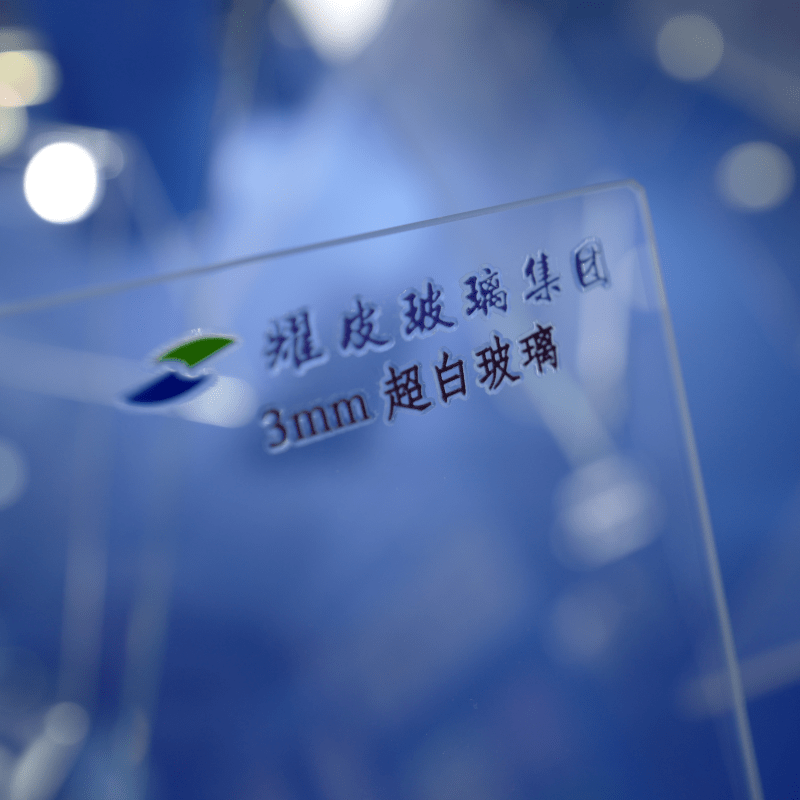
The coating of glass transforms visual experiences through sophisticated optical engineering that eliminates unwanted reflections, reduces glare, and enhances color accuracy for superior viewing comfort and performance. Anti-reflective coating technology utilizes precise refractive index matching between multiple thin film layers to achieve destructive interference of reflected light waves. This scientific approach reduces surface reflections from typical 8% levels in uncoated glass to less than 1% in high-performance anti-reflective coatings. The dramatic reduction in surface reflections eliminates distracting glare that causes eye strain and reduces productivity in office environments. Display applications benefit enormously from the coating of glass technology, with improved contrast ratios, enhanced color saturation, and better readability under various lighting conditions. Museum and gallery installations utilize ultra-clear coated glass to provide unobstructed views of artwork while protecting valuable collections from environmental damage. Automotive applications of anti-reflective coating of glass improve driver safety by reducing dashboard reflections on windshields and enhancing visibility during challenging lighting conditions. Prescription eyewear incorporating advanced optical coatings provides clearer vision with reduced reflections from both front and back lens surfaces. Photography and cinematography equipment utilizes specialized coatings to eliminate lens flare and improve image quality in professional applications. The coating of glass technology enables larger window installations without visual barriers, creating seamless connections between interior and exterior spaces. Light transmission optimization allows maximum natural daylight penetration while maintaining thermal performance requirements. Color-neutral formulations preserve accurate color perception without introducing unwanted tints or hues that alter visual experiences. Multi-layer optical coatings can selectively filter specific wavelengths while maintaining overall transparency for specialized applications. Scratch-resistant properties ensure optical clarity remains consistent throughout the service life of coated glass products. Quality optical coatings undergo rigorous testing for transmission, reflection, and durability characteristics to guarantee consistent performance standards.

Get a Free Quote

Our representative will contact you soon.
Email
Name
Company Name
Products
Message
0/1000
Newsletter
Contact Us