
 EN
EN
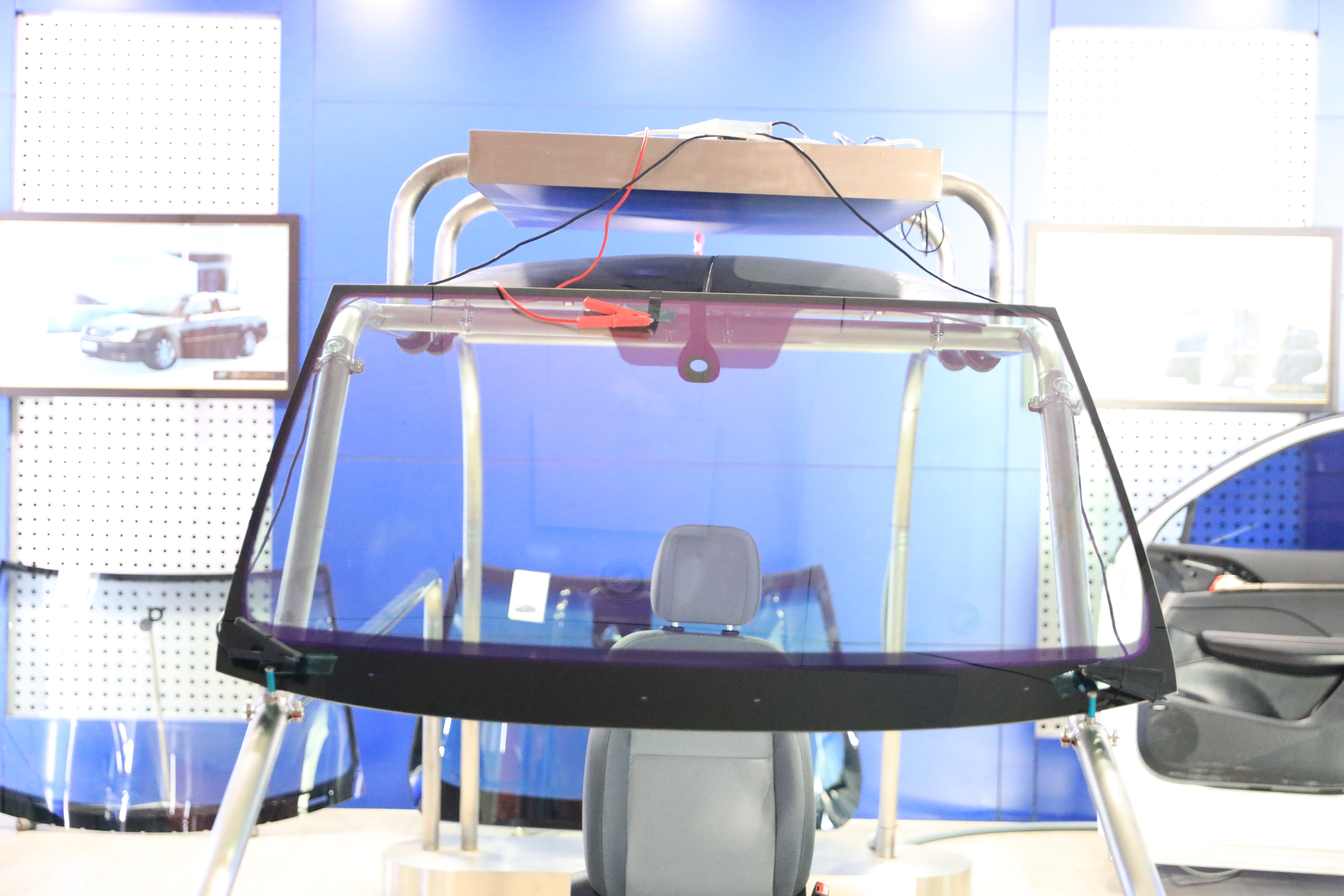
Deciding whether to repair or replace damaged autoglass is one of the most common maintenance questions vehicle owners face. Damage to your autoglass—whether it's a small chip or a large crack—can compromise your vehicle's structural integrity and safety. Understanding when autoglass repair makes sense and when full replacement is necessary helps you make informed decisions that protect both your safety and your budget. The answer depends on several critical factors including damage size, location, depth, and your vehicle's safety standards.

The distinction between autoglass repair and autoglass replacement is essential for vehicle maintenance planning. Modern autoglass serves multiple functions beyond providing visibility—it contributes to structural rigidity, supports airbag deployment, and helps maintain vehicle aerodynamics. When your autoglass sustains damage, determining the right course of action requires understanding both technical specifications and practical economic factors. This guide walks you through the decision-making process for autoglass damage assessment.
Assessing Autoglass Damage: Size and Location Criteria
Understanding Damage Dimensions for Autoglass
The size of autoglass damage is the primary determinant in the repair versus replace decision. Industry standards generally permit autoglass repair for chips smaller than one inch in diameter and cracks shorter than three inches in length. Autoglass damage exceeding these dimensions typically requires complete replacement rather than repair. Repairing oversized autoglass damage compromises the integrity of the repair and creates safety risks, as the resin cannot adequately reinforce larger damaged areas.
Location matters significantly when evaluating autoglass damage. Damage in the driver's direct line of sight cannot be repaired under safety regulations—even small chips in this critical zone require autoglass replacement. Damage near the edges of your autoglass also presents complications, as the structural support near perimeter regions makes effective repair difficult. When autoglass damage occurs in these sensitive locations, replacement becomes the only compliant option.
Depth Assessment for Autoglass Damage
Autoglass damage depth determines whether repair technology can effectively restore the glass. Damage penetrating all three layers of laminated windshield autoglass typically requires replacement rather than repair. When autoglass sustains damage that breaks through to the middle layer or reaches the inner safety layer, the structural compromise is too severe for repair methods to address safely. Surface-level autoglass damage confined to the outer layer presents the best candidates for successful repair.
Safety Standards and Regulatory Considerations for Autoglass
Federal and State Regulations Governing Autoglass
Federal Motor Vehicle Safety Standard (FMVSS) 205 establishes specific requirements for autoglass in passenger vehicles. This standard defines when autoglass must be replaced based on damage characteristics and location. Many states have adopted additional regulations that restrict visible damage in the driver's field of vision, making autoglass replacement mandatory for violations. Understanding these regulatory requirements ensures your autoglass replacement or repair maintains legal compliance and safety certification.
Insurance companies also reference these autoglass safety standards when determining coverage and claim eligibility. Most insurers will approve autoglass replacement claims when damage exceeds repairable dimensions or violates driver visibility regulations. However, minor autoglass damage within repairable limits may fall under your collision deductible if repair is selected. Checking your specific insurance policy helps clarify whether autoglass damage qualifies for full coverage under comprehensive or collision coverage.
Structural Integrity and Airbag Deployment
Modern vehicles rely on autoglass as a structural component that contributes to roof rigidity and rollover protection. Damaged autoglass that requires replacement must be reinstalled using manufacturer-approved adhesives and techniques to maintain structural performance. When autoglass contains large cracks or damage requiring replacement, the compromised structural integrity poses risks during vehicle rollovers or side-impact collisions. Additionally, the airbag system in many vehicles deploys against the autoglass, so any compromise to autoglass integrity can affect airbag function during emergency situations.
Cost Analysis and Economic Decision-Making for Autoglass
Comparing Repair Costs Versus Autoglass Replacement Expenses
Autoglass repair typically costs between $50 and $150 per incident, making it the budget-friendly option when damage permits repair. Autoglass replacement, by contrast, ranges from $300 to $1,000 depending on your vehicle type, glass complexity, and whether advanced features like heads-up display integration are present. Modern vehicles with smart autoglass—incorporating sensors or display technology—incur significantly higher autoglass replacement costs due to component recalibration and specialized installation requirements.
Your insurance coverage directly impacts the financial calculus of autoglass decision-making. Many comprehensive policies cover autoglass replacement with minimal or zero deductible, making replacement financially equivalent to repair despite the higher retail cost. Checking your coverage before making autoglass decisions prevents unexpected out-of-pocket expenses. For uninsured or underinsured situations, the autoglass repair option becomes more appealing even when replacement offers better long-term durability and safety assurance.
Long-Term Durability and Reliability of Autoglass Solutions
Autoglass repair provides a permanent solution for qualifying damage when performed under controlled conditions with quality materials. Properly repaired autoglass maintains structural integrity and optical clarity for the vehicle's remaining lifespan. However, repairs may leave slight visual artifacts or stress points that differ from brand-new autoglass replacement. If you prioritize aesthetic perfection or are concerned about future resale value, autoglass replacement offers the cleaner, more uniform solution despite higher upfront costs.
Autoglass replacement becomes economically superior when considering that most vehicles encounter multiple damage incidents during their ownership period. After your initial autoglass repair, subsequent chips or cracks in different locations may again test whether repair or replacement makes sense. Replacing autoglass early can eliminate future repair cycles and associated deductibles across your vehicle ownership period. The strategic decision depends on your vehicle's age, remaining ownership timeline, and anticipated exposure to further autoglass damage.
FAQ
Can small chips in autoglass always be safely repaired?
Small chips under one inch can typically be repaired if they don't penetrate deeply into the autoglass or appear in the driver's direct line of sight. However, location and depth must be assessed by a professional. If the chip is positioned in a high-stress area near the edge of the autoglass or shows multiple stress cracks radiating outward, the structural damage may require autoglass replacement instead. Always have a technician inspect the damage before committing to repair.
Does insurance cover autoglass replacement differently than repair?
Most comprehensive insurance policies cover both autoglass repair and replacement with the same deductible or no deductible at all. However, some policies impose coverage limits on replacement frequency or total claim amounts per year. It's important to contact your insurer immediately after autoglass damage occurs to understand your specific coverage details. Some policies offer special glass coverage that eliminates deductibles, making replacement financially preferable to repair even when repair would be technically possible.
What factors make autoglass replacement necessary rather than repair?
Autoglass replacement becomes necessary when damage exceeds three inches in length, penetrates multiple layers of the laminate structure, appears in the driver's critical viewing zone, or affects the integrity of door frames or seals. Additionally, if your autoglass damage involves areas where sensors, cameras, or heating elements are embedded, replacement with proper recalibration is required. Safety regulations and manufacturer specifications take precedence over cost considerations when these factors are present in your autoglass damage assessment.