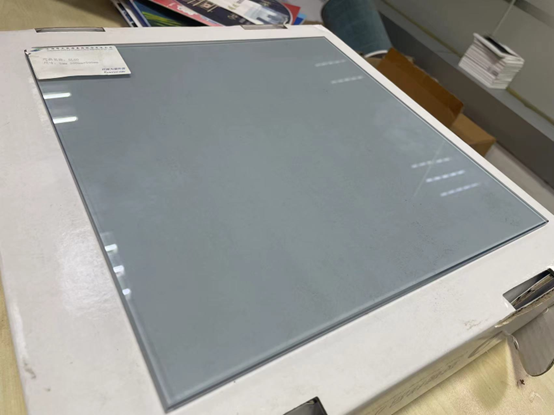
insulated glass panel
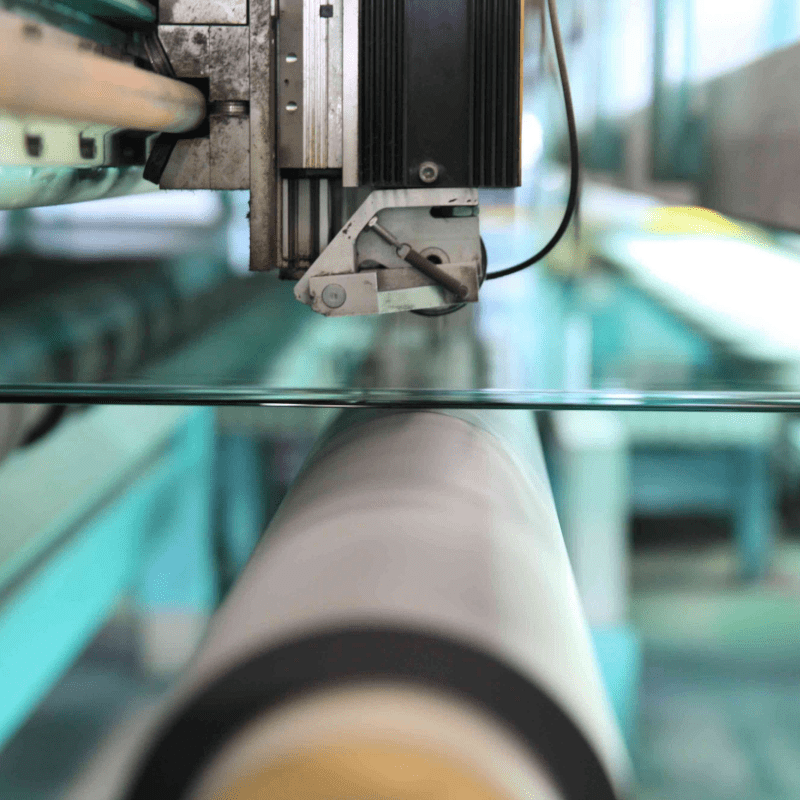
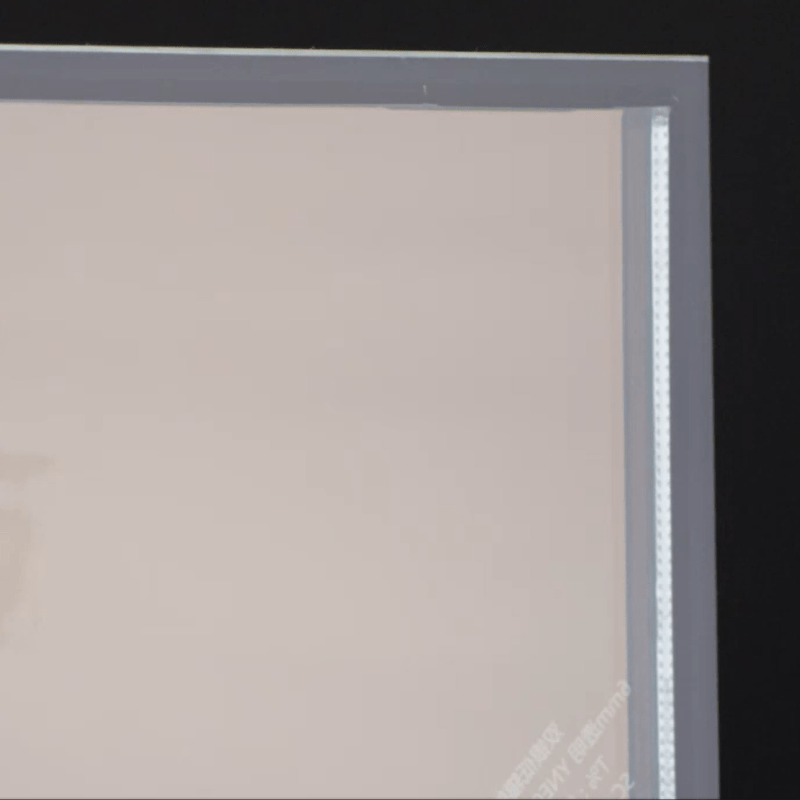
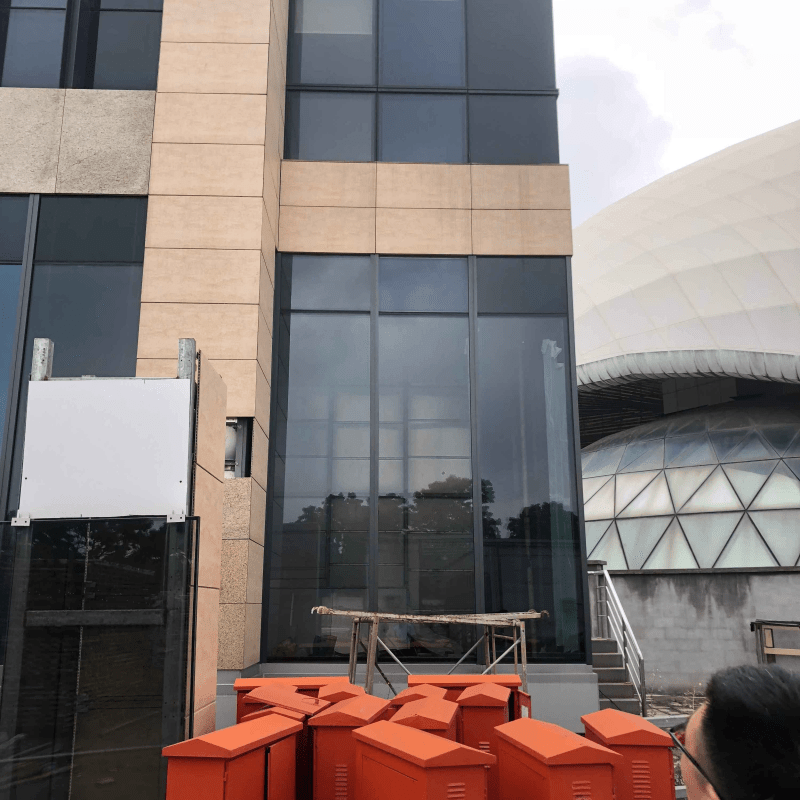
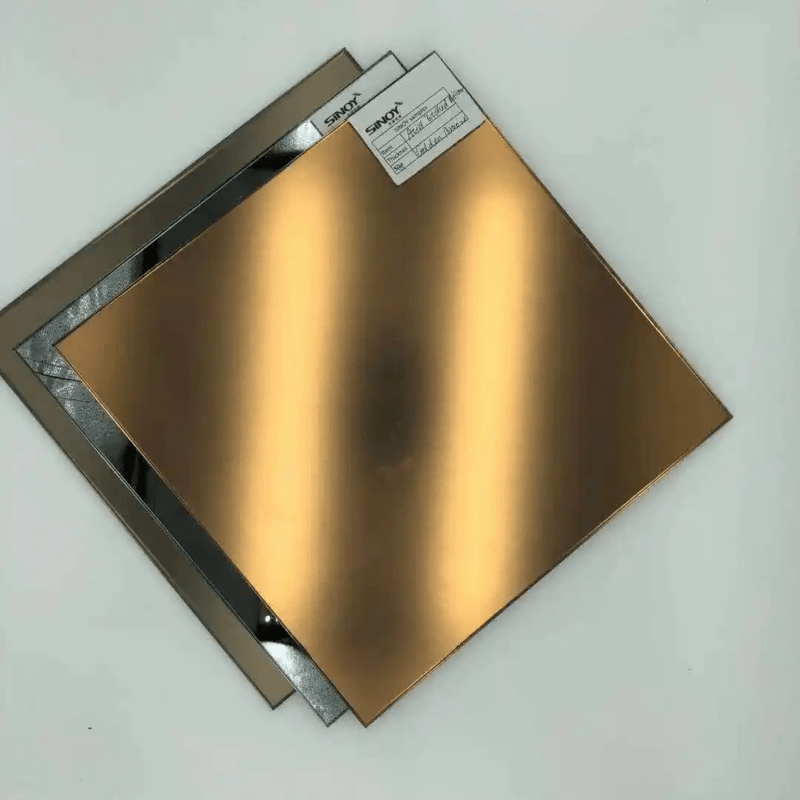
An insulated glass panel represents a sophisticated glazing solution that consists of two or more glass panes separated by a sealed air or gas-filled space, creating a barrier that significantly enhances thermal performance and energy efficiency. This advanced glazing technology incorporates multiple layers of glass with precise spacing maintained by structural spacers, typically made from aluminum or thermally broken materials. The sealed cavity between glass layers contains either dry air or inert gases like argon or krypton, which possess superior insulating properties compared to standard air. The entire assembly is sealed around the perimeter using primary and secondary sealants that prevent moisture infiltration and gas leakage, ensuring long-term performance stability. Modern insulated glass panels feature low-emissivity coatings on interior glass surfaces, which reflect infrared radiation while allowing visible light transmission, further improving thermal efficiency. The technological framework includes warm-edge spacer systems that minimize thermal bridging and condensation formation. These panels integrate seamlessly into various architectural designs while providing exceptional acoustic dampening capabilities, reducing external noise penetration by up to 50 percent compared to single-pane alternatives. Manufacturing processes involve precision cutting, cleaning, and assembly under controlled conditions to maintain optimal performance standards. Quality control measures ensure proper seal integrity and gas retention rates throughout the product lifecycle. Contemporary insulated glass panel systems accommodate diverse architectural requirements, from residential windows to commercial curtain walls and skylights. Advanced variants incorporate smart glass technologies, self-cleaning surfaces, and enhanced security features. The structural design accommodates thermal expansion and contraction while maintaining weatherproofing integrity across temperature variations. Installation compatibility extends across aluminum, vinyl, wood, and composite window frames, making this glazing solution versatile for retrofit and new construction projects.

 EN
EN