Architectural Glass Panel Solutions: Advanced Building Facades for Modern Construction

All Categories
Get a Quote

Get a Free Quote

Our representative will contact you soon.
Email
Name
Company Name
Products
Message
0/1000

architectural glass panel

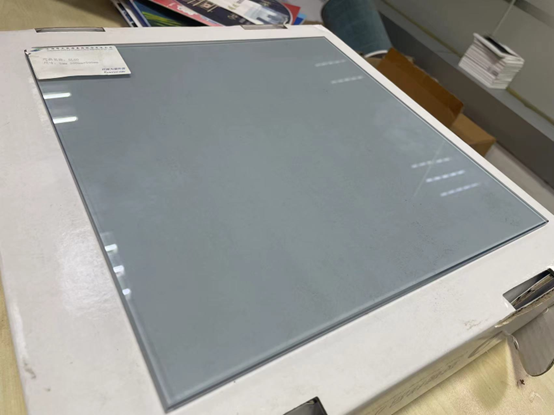
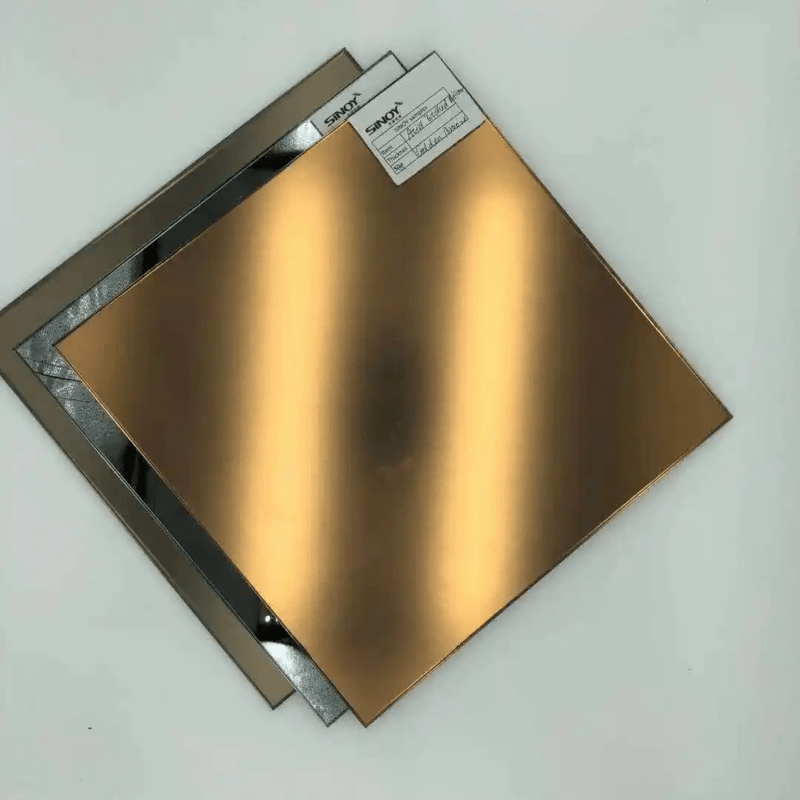
Architectural glass panel represents a revolutionary advancement in modern building design, serving as both functional building components and aesthetic masterpieces. These sophisticated glazing systems combine cutting-edge engineering with architectural innovation to create versatile solutions for contemporary construction projects. The architectural glass panel transforms traditional building facades into dynamic, light-filled environments while maintaining structural integrity and energy performance. Modern manufacturing techniques enable these panels to achieve remarkable clarity, durability, and customization options that meet diverse architectural requirements. The architectural glass panel incorporates advanced coating technologies, lamination processes, and thermal treatments that enhance performance characteristics significantly. These systems provide essential functions including weather protection, thermal insulation, acoustic control, and natural illumination management. Technological features of architectural glass panel include low-emissivity coatings that reflect infrared radiation while allowing visible light transmission, reducing cooling costs substantially. Multi-layer constructions incorporate insulating gas fills between panes, creating superior thermal barriers that minimize heat transfer. Safety features integrate tempered or laminated glass compositions that provide enhanced impact resistance and security benefits. Smart glass technologies enable dynamic opacity control, allowing users to adjust transparency levels electronically for privacy and glare management. Applications span residential, commercial, institutional, and industrial sectors where architectural glass panel installations create striking visual impacts. High-rise office buildings utilize these systems for curtain wall applications, maximizing natural lighting while controlling solar heat gain effectively. Retail environments employ architectural glass panel solutions to create inviting storefronts that showcase merchandise while providing weather protection. Educational facilities integrate these systems to create bright, inspiring learning environments that connect interior spaces with outdoor landscapes. Healthcare facilities benefit from architectural glass panel installations that provide infection control barriers while maintaining visual connections between spaces.


Popular Products

The architectural glass panel delivers exceptional energy efficiency benefits that significantly reduce operational costs for building owners and occupants. These advanced glazing systems minimize heating and cooling expenses through superior insulation properties and solar heat gain control. The architectural glass panel reflects unwanted heat during summer months while retaining interior warmth during winter seasons, creating year-round comfort with reduced HVAC system demands. Natural lighting optimization represents another major advantage, as architectural glass panel installations maximize daylight penetration while controlling glare and UV radiation exposure. This natural illumination reduces artificial lighting requirements during daytime hours, lowering electricity consumption and creating healthier indoor environments. Enhanced visual aesthetics constitute a primary benefit, with architectural glass panel systems offering unlimited design possibilities for architects and designers. These panels create seamless connections between interior and exterior spaces, expanding perceived room dimensions and creating sophisticated architectural statements. Customization options allow architects to specify exact dimensions, shapes, and performance characteristics to match specific project requirements perfectly. The architectural glass panel provides superior acoustic performance through specialized laminated constructions that reduce noise transmission effectively. Urban environments benefit particularly from these sound control properties, creating peaceful interior spaces despite external noise sources. Safety and security advantages include impact-resistant constructions that protect against weather events, break-ins, and accidental damage. Laminated architectural glass panel systems hold together when broken, preventing dangerous shard formation and maintaining barrier integrity. Maintenance requirements remain minimal compared to traditional building materials, with self-cleaning coatings available on premium architectural glass panel products. These coatings utilize photocatalytic reactions and hydrophilic properties to break down organic dirt and allow rain to wash surfaces clean automatically. Installation flexibility accommodates various mounting systems and structural configurations, making architectural glass panel suitable for renovation projects and new construction alike. Environmental sustainability benefits include recyclable materials and energy savings that contribute to green building certification requirements effectively.

Latest News

Solar Glass Cost Guide: Prices, ROI & Installation

27

Nov

Solar Glass Cost Guide: Prices, ROI & Installation

Solar Glass Cost Guide: Prices, ROI & Installation The renewable energy sector continues to evolve, and solar glass technology stands at the forefront of this transformation. As a critical component in solar panels and building-integrated photovoltai...
View More
Is Bulletproof Glass Worth the Investment?

14

Jan

Is Bulletproof Glass Worth the Investment?

In today's increasingly unpredictable world, the demand for enhanced security measures has never been higher. From corporate headquarters to residential properties, property owners are exploring advanced protection solutions that offer peace of mind ...
View More
2026 Power Glass Guide: Top Features and Benefits

20

Jan

2026 Power Glass Guide: Top Features and Benefits

The construction and architectural industry continues to evolve with innovative glazing solutions that enhance both energy efficiency and aesthetic appeal. Power glass technology represents a significant advancement in building materials, offering ar...
View More
Power Glass vs Regular Glass: What's the Difference?

20

Jan

Power Glass vs Regular Glass: What's the Difference?

The construction and architectural industries have witnessed remarkable innovations in glass technology over recent decades. Among these breakthroughs, power glass stands out as a revolutionary material that transforms traditional building concepts. ...
View More

Get a Free Quote

Our representative will contact you soon.
Email
Name
Company Name
Products
Message
0/1000

architectural glass panel

Advanced Energy Performance Technology

Advanced Energy Performance Technology

The architectural glass panel incorporates state-of-the-art energy performance technology that revolutionizes building efficiency standards through innovative coating systems and multi-pane constructions. Low-emissivity coatings applied to architectural glass panel surfaces utilize microscopic metallic layers that selectively filter electromagnetic radiation, allowing beneficial visible light transmission while reflecting unwanted infrared heat energy back to its source. This sophisticated technology reduces cooling loads by up to 40 percent during peak summer conditions while maintaining optimal interior illumination levels throughout the day. The architectural glass panel features advanced gas fills between multiple panes, typically argon or krypton, which provide superior insulation properties compared to standard air-filled units. These noble gases possess lower thermal conductivity ratings that significantly reduce heat transfer rates through conduction and convection mechanisms. Triple-pane architectural glass panel configurations achieve exceptional U-values as low as 0.15 BTU per hour per square foot per degree Fahrenheit, surpassing traditional wall insulation performance in many applications. Warm-edge spacer systems in architectural glass panel units eliminate thermal bridging effects that compromise energy performance in conventional glazing systems. These advanced spacers utilize low-conductivity materials that maintain consistent temperatures across glass edges, preventing condensation formation and improving overall thermal performance. Dynamic glazing options available in architectural glass panel systems enable real-time performance adjustments based on environmental conditions and occupancy requirements. Electrochromic technology allows building managers to modify glass transparency levels electronically, optimizing solar heat gain and glare control throughout changing daily and seasonal conditions. Smart sensors integrated with architectural glass panel systems automatically adjust tinting levels based on sun angles, interior temperatures, and occupancy patterns, maximizing energy savings without compromising occupant comfort or productivity levels.
Exceptional Design Versatility and Customization

Exceptional Design Versatility and Customization

The architectural glass panel offers unmatched design versatility that empowers architects to realize ambitious aesthetic visions while meeting stringent performance requirements across diverse building types and applications. Custom fabrication capabilities enable architectural glass panel production in virtually unlimited sizes, shapes, and configurations to accommodate unique architectural geometries and design concepts. Curved architectural glass panel installations create dramatic building facades that challenge traditional rectilinear design conventions, allowing architects to develop flowing, organic forms that integrate harmoniously with landscape elements. Digital printing technology available for architectural glass panel surfaces enables incorporation of decorative patterns, corporate branding, or artistic elements directly into the glass structure without compromising performance characteristics. These printing capabilities utilize ceramic frits that fuse permanently with glass surfaces during tempering processes, creating durable, fade-resistant designs that maintain their appearance for decades. Laminated architectural glass panel constructions accommodate colored interlayers that provide consistent tinting without the maintenance requirements associated with applied films or coatings. These interlayers offer unlimited color options while maintaining structural integrity and safety performance required for commercial applications. Textured surfaces available in architectural glass panel products create visual interest and privacy control while maintaining light transmission properties essential for interior illumination. Acid-etched, sandblasted, or embossed textures provide subtle visual effects that enhance architectural character without requiring additional treatments or maintenance procedures. Structural glazing capabilities enable architectural glass panel installations that eliminate visible frame elements, creating seamless glass facades that maximize transparency and minimize visual disruptions. These systems transfer structural loads directly through high-performance structural adhesives, allowing architects to achieve continuous glass surfaces that would be impossible with conventional frame systems. Insulated architectural glass panel units can incorporate decorative elements between panes, including muntins, blinds, or artistic installations that remain protected from weather and maintenance requirements while providing desired aesthetic effects.
Superior Safety and Durability Standards

Superior Safety and Durability Standards

The architectural glass panel meets the highest safety and durability standards through advanced manufacturing processes and rigorous quality control measures that ensure reliable long-term performance in demanding architectural applications. Tempered glass production involves controlled heating and rapid cooling cycles that create internal stress patterns, resulting in architectural glass panel products that exhibit four to five times the strength of standard annealed glass materials. When breakage occurs, tempered architectural glass panel units fracture into small, relatively harmless fragments that minimize injury risks compared to large, sharp shards produced by conventional glass products. Laminated architectural glass panel constructions utilize specialized interlayer materials, typically polyvinyl butyral or ethylene vinyl acetate, that maintain glazing integrity even after impact damage occurs. These interlayers hold glass fragments in place, preventing dangerous shard formation while maintaining barrier properties essential for weather protection and security applications. Hurricane-rated architectural glass panel systems undergo rigorous testing procedures that simulate extreme weather conditions, including large missile impact and cyclic pressure loading that exceeds natural storm intensities. These tests verify that architectural glass panel installations can withstand Category 5 hurricane conditions while maintaining protective integrity throughout extended storm events. Bullet-resistant architectural glass panel options utilize multiple glass layers and specialized interlayers that provide ballistic protection levels suitable for high-security applications including government buildings, financial institutions, and critical infrastructure facilities. Security glazing maintains optical clarity while providing protection against forced entry attempts and ballistic threats without compromising architectural aesthetics or natural lighting benefits. Quality assurance protocols for architectural glass panel manufacturing include extensive stress testing, optical analysis, and performance verification procedures that ensure consistent product quality and reliability. Edge finishing processes eliminate stress concentrators that could compromise long-term durability, while quality control inspections verify that each architectural glass panel unit meets specified performance criteria before shipment to construction sites. Weathering resistance testing validates that architectural glass panel systems maintain their performance characteristics through decades of exposure to ultraviolet radiation, temperature cycling, and moisture infiltration that typically degrade building materials over time.

Get a Free Quote

Our representative will contact you soon.
Email
Name
Company Name
Products
Message
0/1000
Newsletter
Contact Us