High Quality Insulating Glass - Superior Energy Efficient Windows & Glazing Solutions

All Categories
Get a Quote

Get a Free Quote

Our representative will contact you soon.
Email
Name
Company Name
Products
Message
0/1000

high quality insulating glass

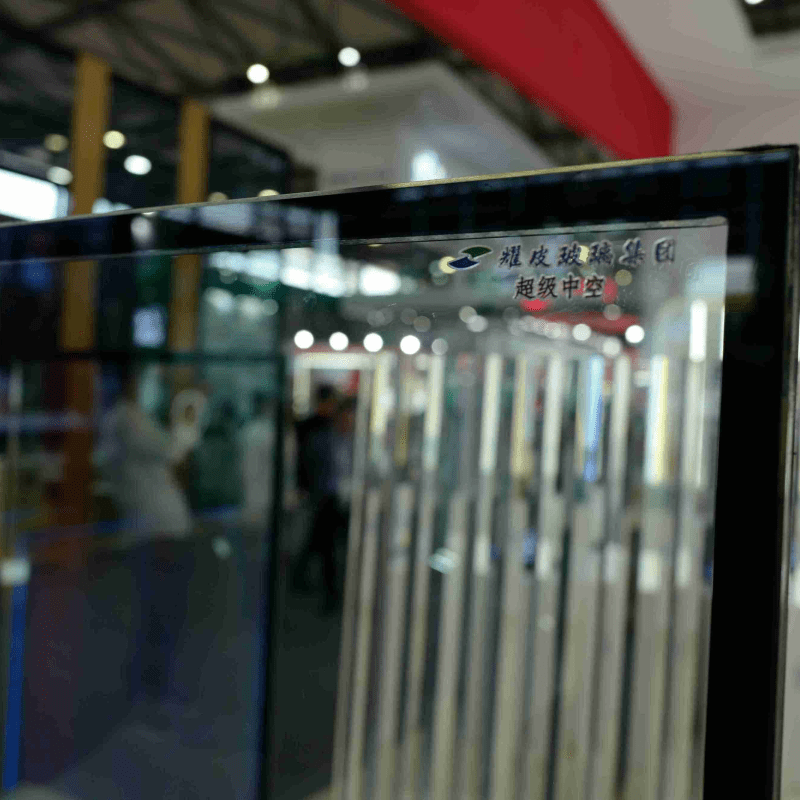
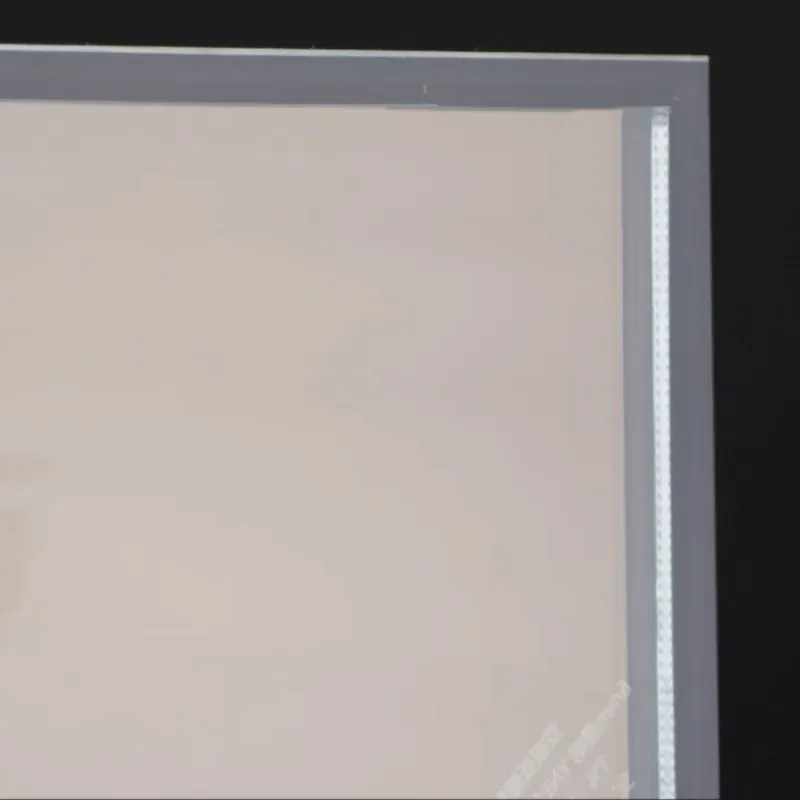
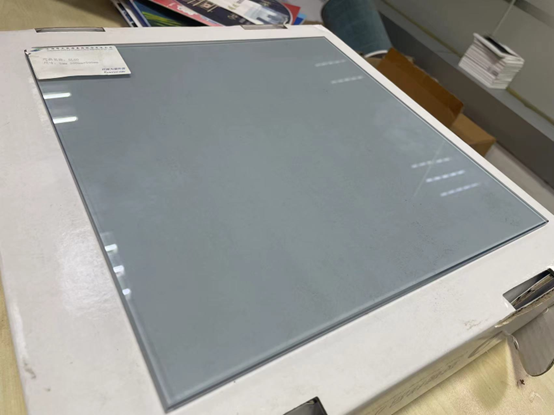
High quality insulating glass represents a revolutionary advancement in modern construction and architectural design, offering superior thermal performance and energy efficiency for residential and commercial buildings. This sophisticated glazing system consists of two or more glass panes separated by a sealed air space or inert gas-filled cavity, creating an effective barrier against heat transfer and temperature fluctuations. The primary functions of high quality insulating glass include thermal insulation, condensation control, sound reduction, and enhanced comfort levels within interior spaces. Manufacturing processes incorporate advanced sealing technologies, precision spacer systems, and specialized coatings that maximize performance while maintaining optical clarity. The technological features encompass dual-seal construction with primary and secondary sealants, low-emissivity coatings that reflect infrared radiation, and argon or krypton gas fills that reduce thermal conductivity. Quality control measures ensure consistent spacing between panes, proper desiccant placement for moisture absorption, and structural integrity under varying environmental conditions. Applications span across residential windows, commercial facades, skylights, curtain walls, and specialty glazing installations where energy conservation and comfort are priorities. The versatility of high quality insulating glass allows for customization in terms of glass thickness, spacer width, and gas fill options to meet specific performance requirements. Installation considerations include proper framing systems, weathersealing, and structural support to maintain the integrity of the insulating glass units over their operational lifespan. Performance metrics demonstrate significant improvements in thermal resistance values compared to single-pane glazing, with U-values often reduced by sixty percent or more depending on the specific configuration and additional performance enhancements incorporated into the system design.

Popular Products

High quality insulating glass delivers substantial energy savings that directly translate to reduced utility bills throughout the year. Homeowners and building operators experience lower heating costs during winter months because the advanced thermal barrier prevents warm indoor air from escaping through windows. Similarly, cooling expenses decrease during summer periods as the insulating properties block external heat from penetrating interior spaces. These energy efficiency benefits compound over time, creating long-term financial advantages that often offset the initial investment within several years of installation. The enhanced comfort levels provided by high quality insulating glass create more pleasant living and working environments year-round. Temperature variations near windows are minimized, eliminating cold drafts and hot spots that traditionally occur with standard glazing systems. Occupants enjoy consistent room temperatures and improved thermal comfort without relying heavily on heating and cooling systems to compensate for heat loss or gain through windows. Condensation problems are virtually eliminated with properly installed high quality insulating glass units. The sealed design prevents moisture accumulation between panes while the thermal properties reduce the likelihood of condensation forming on interior glass surfaces. This protection preserves window frames, prevents mold growth, and maintains clear visibility regardless of outdoor weather conditions. Sound reduction capabilities make high quality insulating glass particularly valuable in urban environments or areas with significant noise pollution. The dual-pane construction with air or gas-filled spaces creates an effective acoustic barrier that diminishes external noise transmission. Traffic sounds, construction activities, and other environmental disturbances are substantially reduced, creating quieter interior spaces conducive to rest, work, and daily activities. Durability and longevity are hallmarks of quality insulating glass systems, with properly manufactured units maintaining their performance characteristics for decades with minimal maintenance requirements. The sealed construction protects against environmental factors while advanced materials resist degradation from ultraviolet exposure and temperature cycling. Property values often increase when high quality insulating glass is installed, as energy-efficient features are increasingly sought after by buyers and tenants. The improved aesthetics, performance benefits, and reduced operating costs make properties more attractive in competitive real estate markets.

Tips And Tricks

Types of Solar Glass: A Comprehensive Comparison

12

Dec

Types of Solar Glass: A Comprehensive Comparison

Solar glass represents a revolutionary advancement in renewable energy technology, transforming how we harness and utilize solar power. This specialized glass material serves as the protective front cover for photovoltaic panels and solar thermal col...
View More
Benefits of Low-E Coated Glass: Energy Savings Guide

12

Dec

Benefits of Low-E Coated Glass: Energy Savings Guide

Energy efficiency has become a critical consideration for modern building design, with coated glass emerging as one of the most effective solutions for reducing energy consumption while maintaining optimal comfort levels. This advanced glazing techno...
View More
Bulletproof Glass vs Regular Glass: Key Differences

14

Jan

Bulletproof Glass vs Regular Glass: Key Differences

Security concerns in modern architecture have transformed how we approach glazing solutions, with bulletproof glass emerging as a critical component in high-risk environments. Unlike conventional glazing materials, bulletproof glass represents a soph...
View More
Power Glass vs Regular Glass: What's the Difference?

20

Jan

Power Glass vs Regular Glass: What's the Difference?

The construction and architectural industries have witnessed remarkable innovations in glass technology over recent decades. Among these breakthroughs, power glass stands out as a revolutionary material that transforms traditional building concepts. ...
View More

Get a Free Quote

Our representative will contact you soon.
Email
Name
Company Name
Products
Message
0/1000

high quality insulating glass

Superior Thermal Performance and Energy Efficiency

Superior Thermal Performance and Energy Efficiency

High quality insulating glass achieves exceptional thermal performance through advanced engineering that creates multiple barriers against heat transfer. The dual or triple-pane configuration establishes insulating air spaces that significantly reduce thermal conductivity compared to single-pane windows. Low-emissivity coatings applied to glass surfaces reflect infrared radiation back into interior spaces during winter while preventing solar heat gain during summer months. These specialized coatings are virtually invisible yet provide substantial energy savings by controlling radiant heat transfer. Inert gas fills such as argon or krypton between panes further enhance thermal resistance because these gases have lower thermal conductivity than regular air. The sealed spacer system maintains precise gaps between glass panes while incorporating desiccant materials that absorb residual moisture to prevent fogging or condensation within the sealed unit. Advanced warm-edge spacer technologies minimize thermal bridging at the glass edges, reducing heat loss and improving overall window performance. The combination of these technologies creates insulating glass units with U-values significantly lower than conventional glazing, often achieving thermal resistance values three to five times better than single-pane windows. This superior thermal performance translates to substantial energy savings, with many installations reducing heating and cooling costs by twenty-five to forty percent annually. The enhanced efficiency also contributes to reduced carbon footprints and environmental sustainability goals. Professional installation ensures optimal performance by maintaining proper sealing, structural support, and integration with building envelope systems. Quality manufacturers provide warranties spanning fifteen to twenty years, reflecting confidence in the durability and sustained performance of their high quality insulating glass products. Regular maintenance requirements are minimal, typically involving standard window cleaning and periodic inspection of seals and hardware components.
Advanced Manufacturing and Quality Control Standards

Advanced Manufacturing and Quality Control Standards

High quality insulating glass manufacturing employs sophisticated production processes that ensure consistent performance, durability, and reliability across all units. Automated production lines maintain precise tolerances in glass cutting, edge polishing, and spacer application to create uniform products that meet stringent quality specifications. Primary sealant application creates the initial moisture barrier while secondary structural sealants provide long-term adhesion and weather resistance. Quality control testing includes pressure differential testing, accelerated aging protocols, and thermal cycling evaluations that simulate decades of real-world conditions. Glass selection processes ensure optimal optical clarity, structural integrity, and compatibility with coatings and treatments. Surface preparation procedures remove contaminants and create ideal conditions for sealant adhesion and coating application. Desiccant materials are carefully selected and placed to maintain dry conditions within sealed units throughout their operational lifespan. Spacer systems incorporate thermal breaks and structural reinforcement to maintain glass separation under wind loads and temperature variations. Advanced quality assurance programs monitor production parameters continuously, with statistical process control methods identifying and correcting variations before they affect product performance. Certification programs verify compliance with industry standards and building codes, providing assurance to architects, contractors, and building owners. Traceability systems track materials and production parameters for each unit, enabling quality investigations and warranty support when needed. Environmental testing protocols evaluate performance under extreme temperature conditions, humidity variations, and ultraviolet exposure to validate long-term durability predictions. Packaging and handling procedures protect finished units during transportation and storage, maintaining quality from factory to installation. Training programs ensure installation professionals understand proper handling techniques and installation requirements to preserve product integrity and performance.
Versatile Applications and Customization Options

Versatile Applications and Customization Options

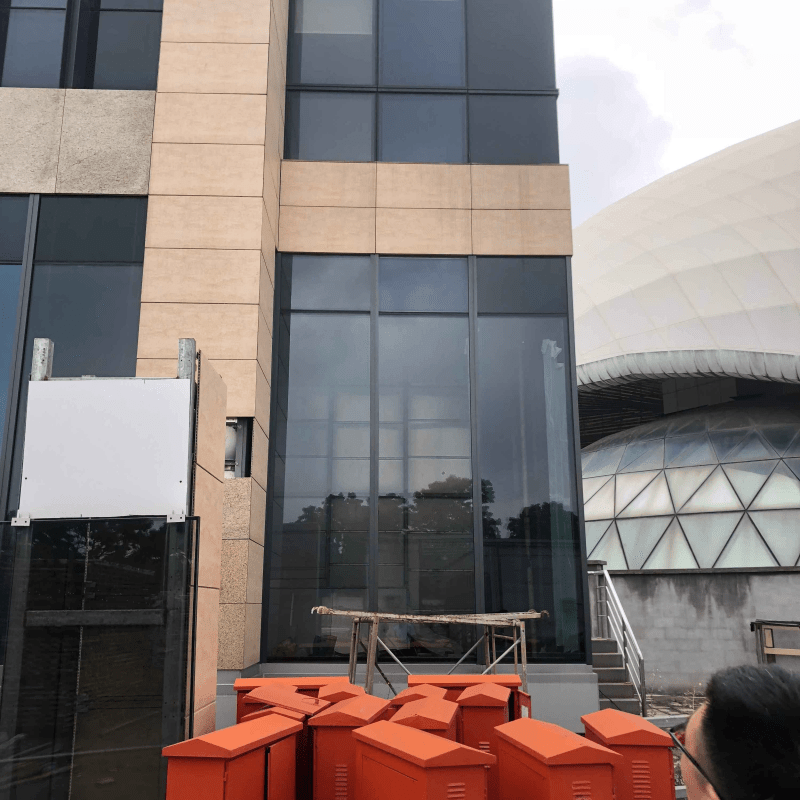
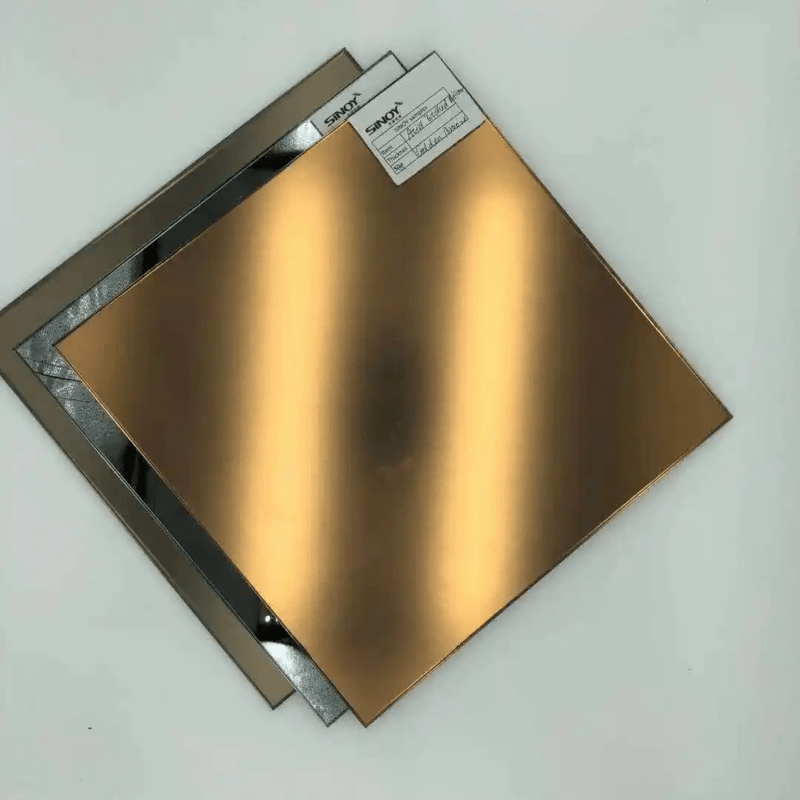
High quality insulating glass adapts to diverse architectural applications while offering extensive customization options that meet specific performance requirements and aesthetic preferences. Residential applications include standard windows, patio doors, bay windows, and specialty shapes that enhance home comfort and energy efficiency. Commercial installations encompass curtain wall systems, storefronts, office windows, and institutional glazing where performance and durability are critical. Specialty applications include skylights, sloped glazing, and structural glazing systems that require enhanced strength and weather resistance. Glass options range from clear float glass to tinted, reflective, and specialty performance glasses that provide specific optical or thermal characteristics. Thickness combinations can be customized to optimize acoustic performance, structural requirements, or specific thermal targets. Spacer widths are adjustable to achieve desired thermal and acoustic properties while maintaining structural integrity under design loads. Gas fill options include air, argon, krypton, or specialized gas mixtures that optimize thermal performance for specific climates and applications. Multiple low-emissivity coating options provide varying levels of thermal control, solar heat gain management, and visible light transmission to suit different orientation and climate requirements. Decorative options include patterns, textures, and integrated blinds or shades that combine functionality with aesthetic appeal. Security and safety features can be incorporated through laminated glass, tempered glass, or specialized security glazing that meets specific threat levels or safety codes. Fire-rated configurations meet building code requirements for fire separation and egress routes in commercial and institutional buildings. Hurricane and impact-resistant options provide protection against extreme weather conditions in vulnerable geographic regions. Retrofit applications allow existing buildings to upgrade to high quality insulating glass while maintaining existing frame systems and architectural details. Professional design services help specify optimal configurations for specific projects, considering climate conditions, building orientation, energy codes, and performance targets.


Get a Free Quote

Our representative will contact you soon.
Email
Name
Company Name
Products
Message
0/1000
Newsletter
Contact Us