Revolutionary Thermal Performance and Energy Efficiency
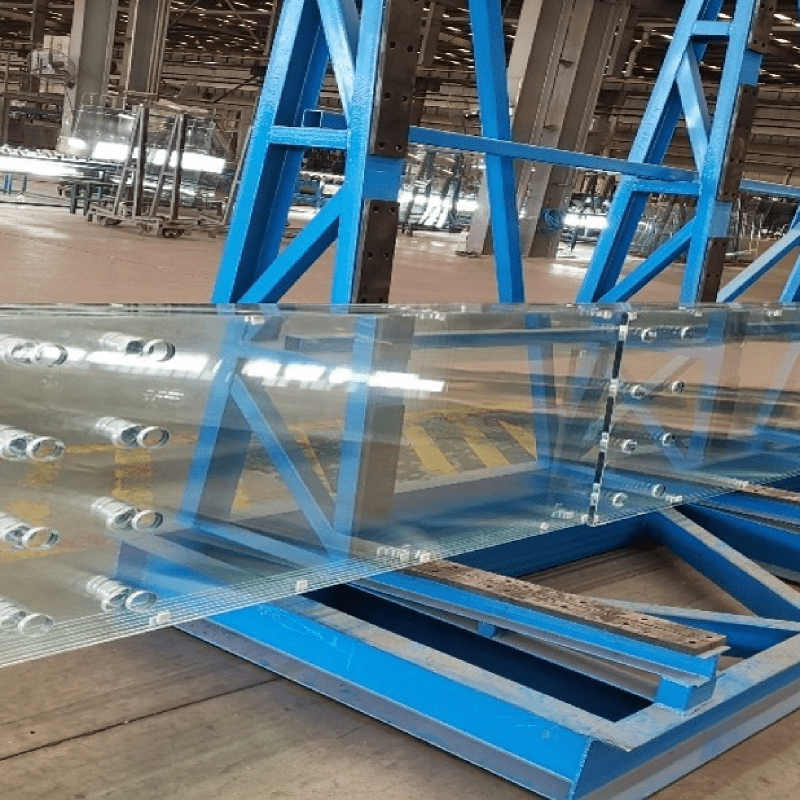
The thermal performance capabilities of curved insulated glass represent a quantum leap forward in building envelope technology, delivering unmatched energy efficiency that transforms how buildings consume and conserve energy. The sophisticated multi-layer construction creates an advanced thermal barrier system that dramatically reduces heat transfer between interior and exterior environments. Low-emissivity coatings applied to specific glass surfaces reflect radiant heat while allowing visible light transmission, optimizing the balance between natural illumination and thermal control. Inert gas fills, typically argon or krypton, between glass panes provide superior insulation properties compared to standard air fills, further enhancing the thermal resistance of the curved insulated glass system. The curved geometry itself contributes to improved thermal performance by eliminating thermal bridging effects that commonly occur at corners and edges of traditional flat glazing systems. Advanced spacer bar technologies, including warm-edge spacers made from low-conductivity materials, minimize heat transfer around the perimeter of each insulated unit. These thermal improvements translate into measurable energy savings, with buildings incorporating curved insulated glass typically achieving 30-50% reductions in heating and cooling costs compared to conventional glazing systems. The consistent thermal barrier prevents cold spots and drafts near windows, maintaining uniform interior temperatures that enhance occupant comfort while reducing HVAC system strain. Condensation control represents another critical thermal benefit, as the improved interior surface temperatures prevent moisture formation that can lead to mold growth, frame deterioration, and vision obstruction. The long-term thermal stability of curved insulated glass ensures consistent performance throughout the building lifecycle, maintaining energy efficiency benefits for decades without degradation. Smart glass integration options allow for dynamic thermal control, enabling building operators to adjust thermal properties based on seasonal requirements or specific usage patterns, maximizing energy optimization potential.

 EN
EN