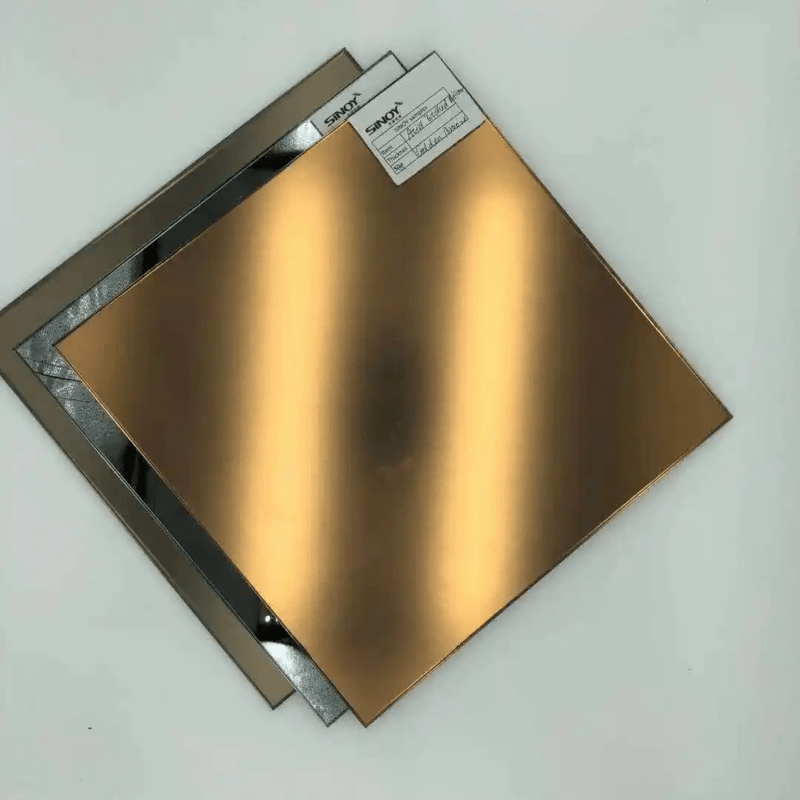
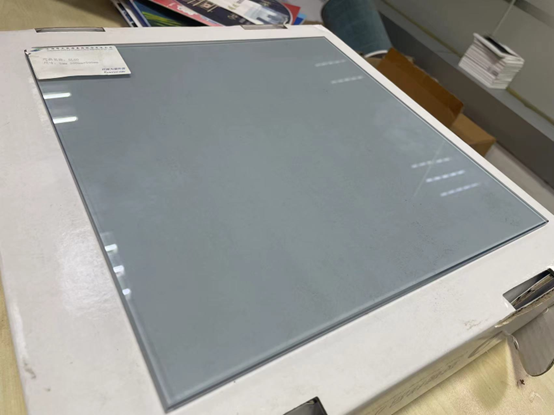
insulated tempered glass
Insulated tempered glass represents a revolutionary advancement in modern glazing technology, combining the strength and safety features of tempered glass with superior thermal performance through innovative insulation design. This specialized glass product consists of two or more panes of tempered glass separated by a sealed air or gas-filled space, creating an effective barrier against heat transfer and energy loss. The manufacturing process involves subjecting regular glass to controlled thermal treatment, heating it to approximately 620 degrees Celsius before rapidly cooling it with jets of cold air. This tempering process increases the glass strength by four to five times compared to standard annealed glass, while the insulated design significantly enhances energy efficiency. The spacer system between glass panes typically contains desiccant materials that absorb moisture, preventing condensation and maintaining optical clarity throughout the product's lifespan. Modern insulated tempered glass often incorporates low-emissivity coatings that reflect infrared radiation while allowing visible light to pass through, further improving thermal performance. The sealed unit construction prevents air leakage and maintains consistent insulation properties over time. Primary applications include commercial buildings, residential windows, curtain walls, skylights, and architectural facades where both structural integrity and energy performance are critical. The technology serves multiple functions including thermal insulation, sound dampening, UV protection, and enhanced safety through its breakage characteristics. When fractured, insulated tempered glass crumbles into small, relatively harmless pieces rather than sharp shards, significantly reducing injury risk. The dual-pane or triple-pane configuration provides excellent acoustic properties, reducing external noise transmission by up to 50 percent compared to single-pane alternatives. Advanced manufacturing techniques ensure precise dimensional tolerances and consistent quality, making insulated tempered glass suitable for demanding architectural applications where performance reliability is essential for long-term building operation and occupant comfort.

 EN
EN