Architecture Glass Building Solutions: Modern Design, Energy Efficiency & Sustainable Construction

All Categories
Get a Quote

Get a Free Quote

Our representative will contact you soon.
Email
Name
Company Name
Products
Message
0/1000

architecture glass building

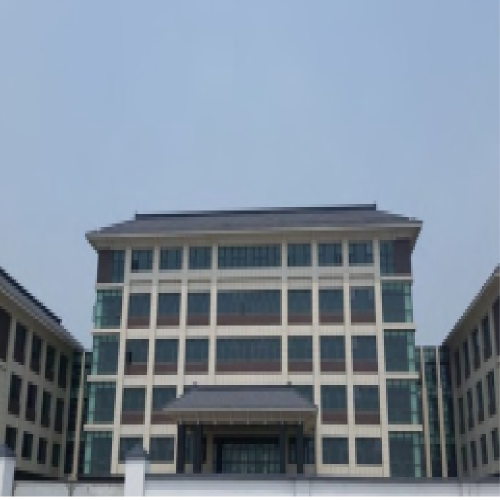
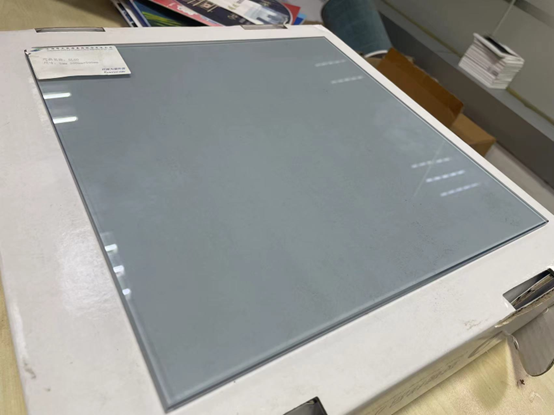
Architecture glass building represents the pinnacle of modern construction innovation, combining aesthetic appeal with functional excellence. These sophisticated structures utilize advanced glazing systems to create transparent, light-filled environments that transform both commercial and residential spaces. The architecture glass building incorporates cutting-edge materials including low-emissivity glass, laminated safety panels, and thermally efficient glazing units that deliver superior performance across multiple applications. Primary functions encompass natural illumination maximization, thermal regulation, weather protection, and visual connectivity between interior and exterior environments. The technological features of architecture glass building systems include advanced coating technologies that control solar heat gain while maintaining optical clarity, structural glazing methods that eliminate visible support frameworks, and smart glass integration enabling dynamic transparency control. These buildings serve diverse applications ranging from corporate headquarters and retail centers to educational institutions and healthcare facilities. The architecture glass building design philosophy emphasizes sustainability through passive solar heating, reduced artificial lighting requirements, and enhanced energy efficiency ratings. Modern installations incorporate triple-glazed units with inert gas fills, providing exceptional insulation properties while maintaining structural integrity. Specialized mounting systems distribute wind loads effectively across building frameworks, ensuring safety compliance with international building codes. The architecture glass building technology enables architects to create seamless facades that blur boundaries between indoor and outdoor spaces, fostering enhanced occupant wellbeing through increased natural light exposure. Contemporary applications extend to residential towers, mixed-use developments, and institutional buildings where transparency and openness are prioritized. Advanced manufacturing processes produce custom-sized panels that accommodate complex architectural geometries, enabling creative design freedom while maintaining structural performance standards.

New Product Releases

The architecture glass building offers numerous practical benefits that directly impact occupant comfort, operational costs, and environmental sustainability. Property owners experience significant energy savings through reduced lighting expenses, as these structures maximize natural daylight penetration throughout interior spaces. The enhanced thermal performance of modern architecture glass building systems minimizes heating and cooling requirements, resulting in lower utility bills and improved HVAC system efficiency. Occupants enjoy superior indoor environmental quality with abundant natural light that promotes productivity, reduces eye strain, and supports healthy circadian rhythms. The architecture glass building design creates impressive visual impact that enhances property values and attracts premium tenants or buyers seeking contemporary, prestigious spaces. Maintenance requirements are minimal compared to traditional building materials, as glass surfaces resist weathering, fading, and require only periodic cleaning to maintain their appearance. The durability of architecture glass building components ensures long-term performance with typical lifespans exceeding thirty years when properly installed and maintained. These structures provide excellent acoustical properties when equipped with laminated glass systems, effectively reducing external noise transmission for quieter indoor environments. The transparency offered by architecture glass building designs improves security by eliminating blind spots and enabling natural surveillance of surrounding areas. Flexibility in interior space planning increases as structural glazing systems eliminate the need for load-bearing walls in many applications, allowing for open floor plans and future reconfiguration options. The architecture glass building approach supports sustainable construction practices by utilizing recyclable materials and reducing the embodied energy associated with traditional building materials. Property owners benefit from faster construction timelines as prefabricated glass panels can be installed more quickly than conventional wall systems. The professional appearance of architecture glass building facades creates positive first impressions for visitors, clients, and customers, supporting business objectives and brand image enhancement. Insurance premiums may be reduced due to the fire-resistant properties of glass and the improved visibility that aids emergency response efforts.

Practical Tips

Cost Guide: Architectural Glass for Commercial Projects

12

Dec

Cost Guide: Architectural Glass for Commercial Projects

Commercial construction projects increasingly rely on architectural glass to create stunning facades, maximize natural light, and achieve energy efficiency goals. Understanding the cost factors associated with architectural glass installations helps ...
View More
Bulletproof Glass Testing: Standards and Certification

14

Jan

Bulletproof Glass Testing: Standards and Certification

The security industry has witnessed unprecedented growth in demand for reliable protection systems, with bulletproof glass emerging as a critical component in safeguarding lives and assets. This transparent armor technology has evolved dramatically o...
View More
2026 Power Glass Guide: Top Features and Benefits

20

Jan

2026 Power Glass Guide: Top Features and Benefits

The construction and architectural industry continues to evolve with innovative glazing solutions that enhance both energy efficiency and aesthetic appeal. Power glass technology represents a significant advancement in building materials, offering ar...
View More
Top 10 Coated Glass Manufacturers in 2026

04

Mar

Top 10 Coated Glass Manufacturers in 2026

The coated glass industry continues to evolve rapidly as manufacturers push the boundaries of energy efficiency and architectural innovation. Modern coated glass solutions have become indispensable in commercial and residential construction projects ...
View More

Get a Free Quote

Our representative will contact you soon.
Email
Name
Company Name
Products
Message
0/1000

architecture glass building

Revolutionary Energy Performance and Sustainability

Revolutionary Energy Performance and Sustainability

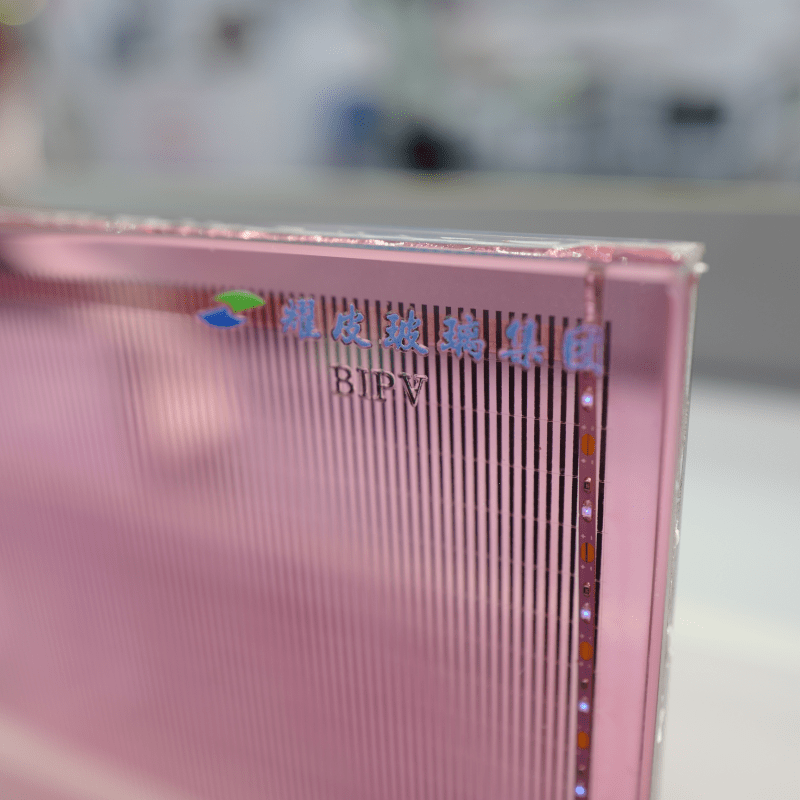
The architecture glass building delivers exceptional energy performance through innovative glazing technologies that dramatically reduce operational costs while supporting environmental sustainability goals. Advanced low-emissivity coatings applied to glass surfaces reflect infrared radiation back into interior spaces during winter months while blocking excessive solar heat gain during summer periods. This sophisticated thermal management capability allows the architecture glass building to maintain comfortable indoor temperatures with minimal reliance on mechanical heating and cooling systems. Triple-glazed units filled with argon or krypton gas provide superior insulation values that exceed traditional wall assemblies, creating thermal barriers that prevent energy loss through the building envelope. The architecture glass building design incorporates daylight harvesting strategies that automatically adjust artificial lighting levels based on available natural illumination, resulting in energy consumption reductions of up to forty percent compared to conventional structures. Photovoltaic integration options enable architecture glass building systems to generate renewable energy directly within the facade, transforming building surfaces into power generation assets. The thermal mass properties of glass help stabilize interior temperatures by absorbing and releasing heat gradually throughout daily cycles, reducing peak demand loads on HVAC equipment. Smart glass technologies integrated into architecture glass building designs offer dynamic control over transparency and thermal properties, allowing occupants to optimize comfort and energy performance in real-time. The reduced carbon footprint associated with architecture glass building construction supports LEED certification and other green building standards, qualifying property owners for tax incentives and utility rebates. Lifecycle assessments demonstrate that the architecture glass building approach generates lower environmental impact over building lifespans due to reduced material replacement requirements and energy consumption. The recyclability of glass materials ensures that architecture glass building components can be repurposed at the end of their service life, supporting circular economy principles and waste reduction objectives.
Enhanced Occupant Health and Wellbeing Benefits

Enhanced Occupant Health and Wellbeing Benefits

The architecture glass building creates optimal indoor environments that significantly improve occupant health, productivity, and overall wellbeing through carefully designed daylighting strategies and indoor air quality enhancements. Natural light exposure provided by architecture glass building systems helps regulate circadian rhythms, leading to improved sleep quality, reduced stress levels, and enhanced cognitive performance among building occupants. Studies demonstrate that workers in architecture glass building environments report higher job satisfaction, reduced absenteeism, and increased productivity compared to those in conventional structures with limited natural illumination. The psychological benefits of visual connectivity to outdoor environments through architecture glass building designs reduce feelings of confinement and claustrophobia commonly experienced in traditional enclosed spaces. Biophilic design principles incorporated into architecture glass building projects create stronger connections between occupants and nature, supporting mental health and emotional wellbeing. The architecture glass building approach eliminates many indoor air quality concerns associated with traditional building materials that may off-gas volatile organic compounds or harbor allergens and pollutants. Enhanced ventilation opportunities through operable glass panels in architecture glass building systems provide occupants with direct control over indoor air quality and thermal comfort. The abundance of natural light in architecture glass building environments reduces dependence on artificial illumination that can cause eye strain, headaches, and fatigue during extended work periods. Vitamin D synthesis is supported through controlled exposure to natural sunlight in architecture glass building spaces, contributing to bone health and immune system function. The architecture glass building design promotes social interaction and collaboration by creating open, transparent environments that encourage communication and teamwork among occupants. Noise reduction capabilities of laminated glass systems in architecture glass building applications create peaceful indoor environments that support concentration and reduce stress-related health impacts. The consistent thermal comfort provided by advanced architecture glass building technologies eliminates hot and cold spots that can negatively impact occupant satisfaction and health outcomes.
Unmatched Design Flexibility and Aesthetic Appeal

Unmatched Design Flexibility and Aesthetic Appeal

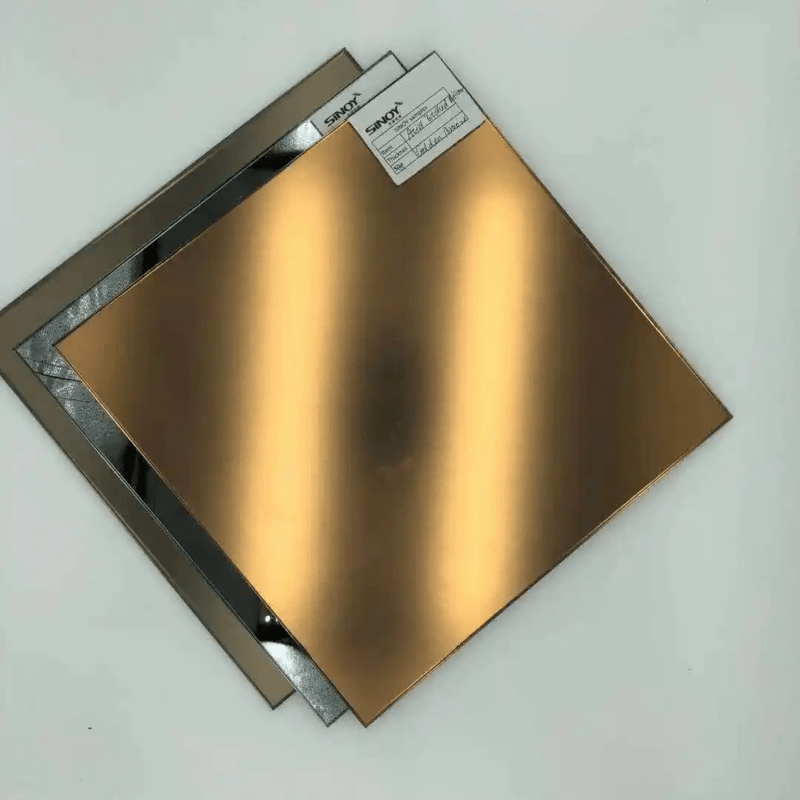
The architecture glass building offers unprecedented design flexibility that enables architects and developers to create stunning visual statements while meeting diverse functional requirements across various building types and applications. Structural glazing systems used in architecture glass building construction eliminate visible support elements, creating seamless glass surfaces that appear to float and defy traditional architectural constraints. Custom fabrication capabilities allow architecture glass building components to accommodate complex geometric shapes, curved surfaces, and unique architectural visions that would be impossible with conventional building materials. The transparency achieved through architecture glass building design creates dramatic visual effects that change throughout the day as lighting conditions vary, providing dynamic facades that engage viewers and create memorable architectural experiences. Color options available for architecture glass building applications include clear, tinted, reflective, and specialty coatings that can complement any architectural style while maintaining desired performance characteristics. The ability to integrate architectural elements such as fritting, etching, and digital printing directly onto glass surfaces in architecture glass building projects enables custom branding, artistic expression, and functional shading patterns. Structural capabilities of modern architecture glass building systems support large spans and cantilevers that create bold architectural statements while maintaining safety and code compliance. The modular nature of architecture glass building components allows for phased construction, future expansion, and renovation projects without disrupting existing occupied spaces. Integration possibilities with other building materials enable architecture glass building designs to incorporate stone, metal, wood, and concrete elements for rich textural contrasts and visual interest. The architecture glass building approach supports both contemporary and traditional architectural styles through appropriate glass selection, framing systems, and detail design that respect historical contexts while providing modern performance. Lighting design opportunities within architecture glass building systems include LED integration, decorative elements, and programmable displays that transform buildings into dynamic architectural landmarks during evening hours. The prestige associated with architecture glass building projects enhances property values and creates distinctive market positioning that attracts premium tenants and buyers seeking exceptional architectural environments.


Get a Free Quote

Our representative will contact you soon.
Email
Name
Company Name
Products
Message
0/1000
Newsletter
Contact Us