
 EN
EN
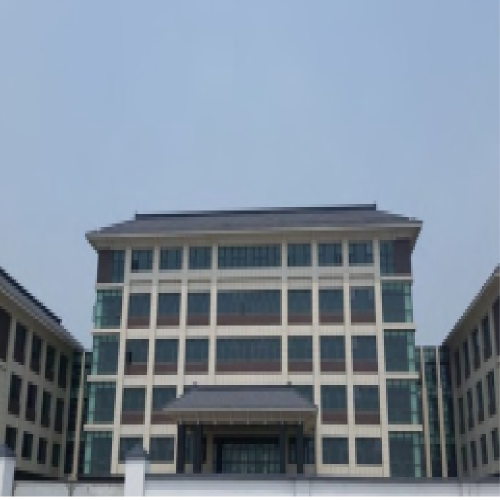
Commercial construction projects increasingly rely on architectural glass to create stunning facades, maximize natural light, and achieve energy efficiency goals. Understanding the cost factors associated with architectural glass installations helps project managers, architects, and developers make informed decisions that balance aesthetic vision with budget constraints. This comprehensive guide explores the various elements that influence pricing, from material specifications to installation complexity, providing essential insights for successful commercial glazing projects.
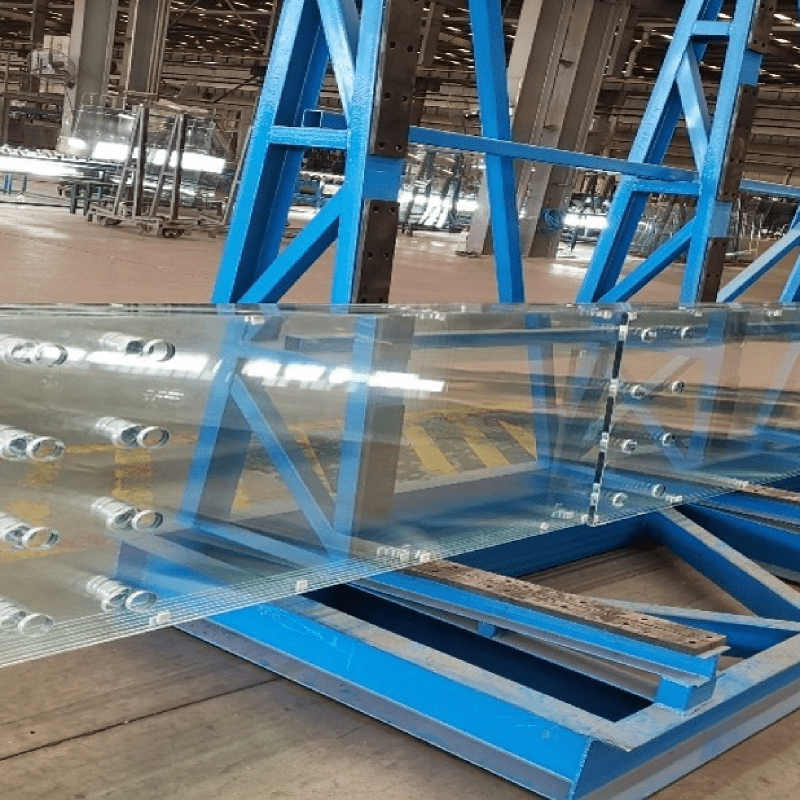
Architectural Glass Types and Material Costs
Standard Float Glass Applications
Standard float glass represents the most economical option for architectural glass applications in commercial buildings. This fundamental glazing material typically costs between $3 to $6 per square foot before installation, making it suitable for budget-conscious projects requiring basic transparency and weather protection. Float glass works well for interior partitions, secondary facades, and areas where specialized performance characteristics are not critical. However, architects should consider that standard float glass offers limited thermal performance and may require additional treatments for enhanced functionality.
The manufacturing process of float glass involves floating molten glass on a bed of molten tin, creating perfectly flat surfaces ideal for commercial applications. While cost-effective, standard architectural glass may not meet modern building codes for energy efficiency in certain climates. Project teams often specify float glass for temporary installations, warehouse facilities, or interior applications where premium performance features are unnecessary. Understanding these limitations helps contractors provide accurate cost estimates while meeting project requirements.
Low-E and Energy-Efficient Glazing
Low-emissivity coatings significantly enhance the performance profile of architectural glass while increasing material costs to approximately $8 to $15 per square foot. These specialized coatings reflect infrared energy while allowing visible light transmission, reducing heating and cooling loads in commercial buildings. Energy-efficient architectural glass often qualifies for tax incentives and utility rebates, potentially offsetting higher upfront costs through long-term operational savings. Building owners increasingly specify low-E glazing to achieve LEED certification and meet stringent energy codes.
Advanced low-E coatings can be applied during manufacturing or through retrofit processes, each approach offering distinct cost implications. Soft-coat low-E treatments provide superior performance but require protective glazing units, while hard-coat applications offer durability at moderate cost increases. The selection between different low-E technologies depends on climate zones, building orientation, and specific performance targets. Architectural glass with multiple low-E coatings can achieve exceptional energy performance but may double material costs compared to standard options.
Specialty and Decorative Glass Options
Specialty architectural glass encompasses a wide range of decorative and functional options, with costs ranging from $15 to $50 per square foot depending on complexity and customization requirements. Laminated glass provides enhanced security and acoustic performance, while tempered glass offers superior strength for high-traffic areas and structural applications. Decorative treatments such as acid etching, sandblasting, or digital printing can transform standard glass into unique architectural features that define building character and brand identity.
Smart glass technologies represent the premium segment of architectural glass, with electrochromic and thermochromic options commanding $50 to $100 per square foot. These advanced glazing systems automatically adjust transparency and solar heat gain based on environmental conditions or user preferences. While initial costs are substantial, smart glass can eliminate the need for traditional window coverings and reduce HVAC loads significantly. Forward-thinking developers increasingly specify smart glass for premium office buildings and hospitality projects where technology integration adds substantial value.
Installation and Labor Cost Considerations
Structural Glazing Systems
Structural glazing installations require specialized expertise and equipment, contributing significantly to overall project costs beyond material expenses. Professional glazing contractors typically charge $15 to $30 per square foot for structural architectural glass installation, depending on building height, access challenges, and system complexity. Curtain wall systems demand precise engineering and coordination with structural elements, often requiring custom fabrication and extensive quality control procedures. The installation timeline for structural glazing can extend project schedules, particularly for complex geometries or challenging site conditions.
Crane access and safety requirements substantially impact labor costs for high-rise installations of architectural glass systems. Projects exceeding four stories typically require specialized lifting equipment, fall protection systems, and additional insurance coverage. Weather dependencies also influence installation schedules, as structural glazing work cannot proceed during high winds, precipitation, or extreme temperatures. Contractors must factor these variables into their pricing models while maintaining quality standards essential for long-term performance and warranty compliance.
Retrofit and Replacement Projects
Retrofit installations of architectural glass present unique challenges that often increase labor costs by 25% to 50% compared to new construction projects. Existing building conditions may require structural modifications, updated anchoring systems, or compatibility assessments with legacy building materials. Removal and disposal of existing glazing adds complexity and expense, particularly when dealing with historical buildings or structures containing hazardous materials like asbestos or lead-based components.
Occupied building renovations require careful coordination to minimize disruption to business operations while maintaining safety protocols. Architectural glass replacement in active commercial environments often necessitates after-hours work, temporary weather protection, and phased installation approaches. These logistical requirements increase labor rates and extend project timelines, but proper planning can mitigate cost overruns while ensuring successful outcomes. Building owners should budget additional contingency funds for retrofit projects involving architectural glass upgrades.
Design Complexity and Custom Fabrication
Geometric and Dimensional Requirements
Complex architectural designs requiring curved, angled, or oversized glass panels significantly impact both material and fabrication costs. Custom architectural glass fabrication for unique geometries can increase material costs by 200% to 400% compared to standard rectangular panels. Specialized forming processes, custom tooling, and reduced production efficiency contribute to premium pricing for architectural projects featuring distinctive design elements. Architects must balance creative vision with budget realities when specifying complex glazing systems.
Large-format architectural glass panels exceeding standard manufacturing dimensions require specialized equipment and handling procedures throughout the supply chain. Transportation limitations often dictate maximum panel sizes, particularly for projects located far from manufacturing facilities. Custom architectural glass may also require longer lead times, impacting project schedules and potentially increasing overall construction costs. Early coordination between design teams and glazing suppliers helps identify cost-effective solutions that maintain design intent while controlling expenses.
Performance Testing and Certification
Commercial architectural glass installations must comply with various building codes and performance standards, requiring extensive testing and certification processes that add to project costs. Structural testing, thermal performance verification, and wind load calculations can add $5,000 to $25,000 to project budgets depending on system complexity and local requirements. Hurricane-resistant architectural glass for coastal regions requires impact testing and specialized framing systems that substantially increase material and installation costs.
Quality assurance programs for architectural glass projects include field testing, installation inspections, and long-term performance monitoring. These requirements ensure compliance with warranty terms and building standards but require additional professional services and documentation. Proper testing and certification protect building owners from potential liability while ensuring optimal performance of architectural glass systems over their intended service life. Budgeting for these essential services prevents costly delays and ensures project success.
Regional Market Factors and Supply Chain
Geographic Cost Variations
Regional market conditions significantly influence architectural glass pricing across different geographic areas. Urban markets with high construction activity often command premium pricing due to increased demand and limited contractor availability. Remote locations may face higher transportation costs and reduced supplier competition, increasing overall project expenses for architectural glass installations. Local building codes and climate requirements also impact material specifications and associated costs.
Labor rates for skilled glazing professionals vary considerably between markets, with metropolitan areas typically commanding 20% to 50% higher wages than rural regions. Union requirements in certain markets may mandate specific training certifications and working conditions that influence pricing structures. However, urban markets often provide access to specialized architectural glass suppliers and experienced contractors who can deliver complex projects more efficiently, potentially offsetting higher labor costs through improved productivity and reduced risk.
Supply Chain and Lead Time Management
Architectural glass supply chains have experienced significant disruption in recent years, affecting both pricing and availability for commercial projects. Standard architectural glass typically requires 4 to 8 weeks lead time, while custom fabricated products may require 12 to 20 weeks from order confirmation. Raw material shortages, transportation delays, and manufacturing capacity constraints can extend lead times and increase costs unexpectedly during project execution.
Proactive procurement strategies help mitigate supply chain risks associated with architectural glass projects. Early material ordering, alternative supplier identification, and flexible scheduling accommodate potential delays while controlling cost escalation. Storage and handling requirements for architectural glass also impact project logistics, as these materials require climate-controlled environments and careful handling to prevent damage. Proper planning and risk management ensure successful project delivery despite challenging supply chain conditions.
Maintenance and Lifecycle Cost Analysis
Cleaning and Maintenance Requirements
Long-term maintenance costs represent a significant portion of total ownership expenses for architectural glass installations in commercial buildings. Professional cleaning services typically cost $2 to $5 per square foot annually, depending on building height, accessibility, and local market rates. High-rise buildings require specialized equipment and trained personnel for safe architectural glass maintenance, increasing service costs substantially. Self-cleaning glass coatings can reduce maintenance frequency and costs but require higher upfront investment in specialized architectural glass products.
Preventive maintenance programs extend the service life of architectural glass systems while maintaining optimal performance and appearance. Regular inspections identify potential seal failures, frame deterioration, or coating degradation before costly repairs become necessary. Proper maintenance scheduling and contractor selection ensure that architectural glass continues to meet performance expectations throughout its intended service life, protecting the building owner's investment and maintaining occupant comfort.
Energy Performance and Operational Savings
High-performance architectural glass can generate substantial operational savings that justify premium material costs over the building's lifecycle. Energy-efficient glazing systems typically reduce HVAC loads by 15% to 30%, translating to significant utility cost savings in commercial applications. Daylight optimization through properly specified architectural glass can also reduce artificial lighting requirements while improving occupant productivity and satisfaction.
Return on investment calculations for premium architectural glass should consider energy savings, maintenance cost reductions, and potential tax incentives or utility rebates. Buildings with high-performance glazing systems often achieve higher lease rates and market values, providing additional financial benefits beyond operational savings. Lifecycle cost analysis helps building owners make informed decisions about architectural glass specifications that balance upfront costs with long-term value creation.
FAQ
What factors most significantly impact architectural glass pricing for commercial projects
The most significant cost drivers for architectural glass include material specifications, installation complexity, building height, and custom fabrication requirements. Energy-efficient coatings, structural glazing systems, and specialized performance features can double or triple material costs compared to standard float glass. Installation factors such as crane access, weather protection, and safety requirements substantially impact labor costs, particularly for high-rise buildings or challenging site conditions.
How do lead times affect architectural glass project costs and scheduling
Standard architectural glass typically requires 6 to 10 weeks lead time, while custom products may need 12 to 20 weeks from order confirmation. Extended lead times can impact project schedules and increase costs through schedule delays, temporary weather protection, or expedited shipping charges. Early material procurement and supplier coordination help mitigate these risks while maintaining project timelines and budget targets.
What maintenance costs should be budgeted for commercial architectural glass systems
Commercial architectural glass maintenance typically costs $2 to $5 per square foot annually, including professional cleaning, inspection, and minor repairs. High-rise buildings require specialized equipment and trained personnel, increasing service costs significantly. Preventive maintenance programs can extend system life and prevent costly emergency repairs, making regular maintenance investment essential for long-term cost control.
How do energy-efficient architectural glass options impact long-term building operating costs
High-performance architectural glass can reduce HVAC energy consumption by 15% to 30% through improved thermal performance and solar heat gain control. While premium glazing systems may cost 50% to 100% more than standard options, energy savings often provide payback periods of 5 to 10 years. Additional benefits include improved occupant comfort, potential LEED certification credits, and higher building values that justify the initial investment in quality architectural glass systems.
Table of Contents
- Architectural Glass Types and Material Costs
- Installation and Labor Cost Considerations
- Design Complexity and Custom Fabrication
- Regional Market Factors and Supply Chain
- Maintenance and Lifecycle Cost Analysis
-
FAQ
- What factors most significantly impact architectural glass pricing for commercial projects
- How do lead times affect architectural glass project costs and scheduling
- What maintenance costs should be budgeted for commercial architectural glass systems
- How do energy-efficient architectural glass options impact long-term building operating costs