Architectural Tempered Glass: Superior Strength, Safety & Energy Efficiency for Modern Buildings

All Categories
Get a Quote

Get a Free Quote

Our representative will contact you soon.
Email
Name
Company Name
Products
Message
0/1000

architectural tempered glass

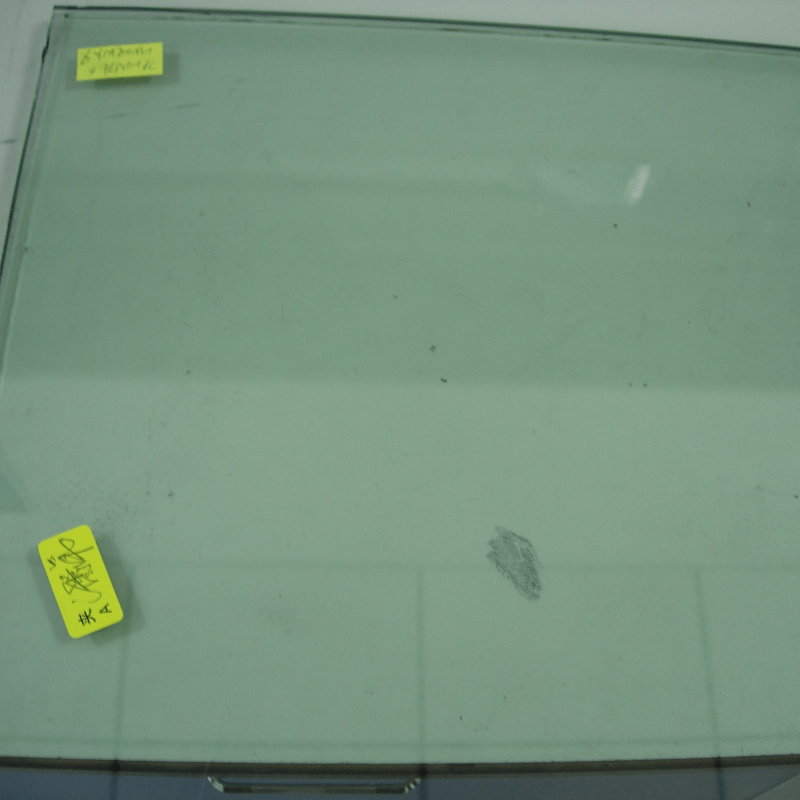
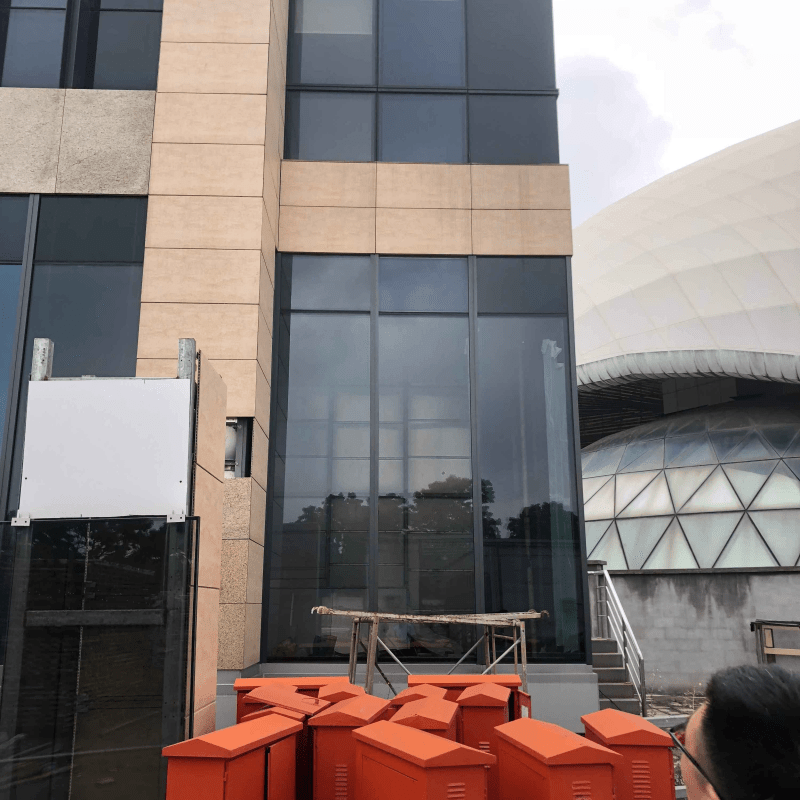
Architectural tempered glass represents a revolutionary advancement in building materials, combining exceptional strength with aesthetic versatility to meet modern construction demands. This specialized glass undergoes a controlled thermal treatment process that transforms ordinary glass into a material four to five times stronger than standard annealed glass. The manufacturing process involves heating architectural tempered glass to approximately 620 degrees Celsius, followed by rapid cooling with jets of cold air, creating internal stresses that significantly enhance its structural integrity. The primary functions of architectural tempered glass extend beyond basic transparency, serving as a critical safety component in building facades, interior partitions, and structural glazing systems. Its technological features include uniform stress distribution throughout the material, predictable breakage patterns that create small, relatively harmless fragments, and enhanced resistance to thermal shock and wind loads. These characteristics make architectural tempered glass indispensable in high-rise construction, where wind pressure and temperature fluctuations pose significant challenges. The applications of architectural tempered glass span numerous sectors, including commercial office buildings, residential towers, educational institutions, healthcare facilities, and retail environments. In curtain wall systems, architectural tempered glass provides weather protection while maximizing natural light penetration, contributing to energy efficiency and occupant comfort. Interior applications include partition walls, doors, and balustrades, where the material's safety properties protect building occupants without compromising visual connectivity. The glass can be further processed with coatings, lamination, or insulating glass units to enhance specific performance characteristics such as thermal insulation, solar control, or acoustic dampening. Modern architectural tempered glass manufacturing incorporates advanced quality control measures, ensuring consistent performance across large installations and meeting stringent building codes worldwide.


Popular Products

Architectural tempered glass offers compelling advantages that make it the preferred choice for contemporary building projects. Safety represents the most significant benefit, as architectural tempered glass breaks into small, cube-like pieces rather than dangerous sharp shards when fractured. This safety characteristic reduces injury risk and liability concerns for building owners and occupants. The enhanced strength of architectural tempered glass allows architects and engineers to design larger glazed areas with thinner glass sections, reducing structural loads while maximizing transparency. This strength advantage translates into cost savings through reduced supporting framework requirements and improved energy efficiency through larger glazed surfaces that optimize natural lighting. Thermal performance represents another crucial advantage, as architectural tempered glass withstands extreme temperature variations without failure. Buildings in climates with significant temperature swings benefit from this thermal stability, which prevents stress-related cracking and extends service life. The material's resistance to impact and wind loads makes it ideal for high-rise applications where weather conditions create substantial stresses on building envelopes. Architectural tempered glass maintains its optical clarity throughout its service life, resisting scratching and weathering that can degrade appearance in other materials. This durability advantage reduces maintenance costs and ensures consistent aesthetic appeal over decades of use. The manufacturing process allows for customization in thickness, size, and shape, enabling architects to realize complex design visions without compromising performance. Quality control during production ensures consistent strength and optical properties across entire projects, eliminating variations that could affect building performance or appearance. Installation advantages include reduced handling precautions compared to laminated alternatives, as the inherent safety properties of architectural tempered glass minimize risks during construction. The material's compatibility with various glazing systems and hardware makes it versatile for different architectural applications. Energy efficiency benefits arise from the ability to incorporate low-emissivity coatings and other performance enhancements during manufacturing. These coatings improve thermal insulation properties while maintaining the structural benefits of the tempering process. Long-term economic advantages include reduced replacement frequency, lower insurance premiums due to enhanced safety properties, and improved building value through superior performance characteristics.

Tips And Tricks

How Solar Glass Technology Powers Modern Buildings

27

Nov

How Solar Glass Technology Powers Modern Buildings

How Solar Glass Technology Powers Modern Buildings The integration of solar glass into modern architecture represents one of the most significant advances in sustainable building design. This innovative technology transforms ordinary windows and buil...
View More
Sustainable Architectural Glass: Design & Benefits

27

Nov

Sustainable Architectural Glass: Design & Benefits

Sustainable Architectural Glass: Design & Benefits Modern construction has embraced architectural glass as a fundamental material that combines aesthetics with functionality. This versatile building component has revolutionized contemporary architect...
View More
2025 Guide: Types of Coated Glass for Modern Buildings

12

Dec

2025 Guide: Types of Coated Glass for Modern Buildings

Modern architecture demands materials that combine aesthetic appeal with superior performance, and coated glass has emerged as the cornerstone of contemporary building design. As we enter 2025, the evolution of coated glass technology continues to re...
View More
Is Bulletproof Glass Worth the Investment?

14

Jan

Is Bulletproof Glass Worth the Investment?

In today's increasingly unpredictable world, the demand for enhanced security measures has never been higher. From corporate headquarters to residential properties, property owners are exploring advanced protection solutions that offer peace of mind ...
View More

Get a Free Quote

Our representative will contact you soon.
Email
Name
Company Name
Products
Message
0/1000

architectural tempered glass

Unmatched Safety Performance Through Advanced Tempering Technology

Unmatched Safety Performance Through Advanced Tempering Technology

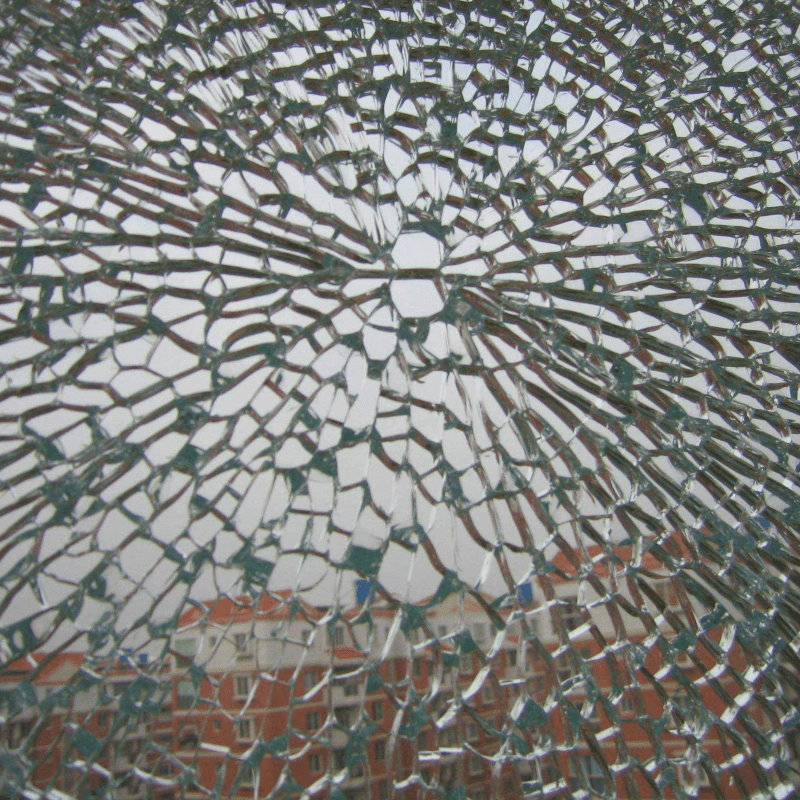
Architectural tempered glass delivers superior safety performance through its unique molecular structure created during the controlled tempering process. When ordinary glass undergoes the tempering treatment, the rapid heating and cooling cycle creates a complex stress pattern within the material that fundamentally alters its failure characteristics. This transformation makes architectural tempered glass break into thousands of small, relatively harmless pieces approximately the size of dice, rather than large, jagged shards that pose serious injury risks. The safety advantage extends beyond simple breakage patterns, as the internal stress distribution actually strengthens the entire glass panel, making it significantly more resistant to impact, thermal shock, and structural loads. Building codes worldwide recognize these safety benefits, often requiring architectural tempered glass in locations where human contact is likely, such as doors, low-level glazing, and areas adjacent to walkways. The consistent breakage pattern of architectural tempered glass provides predictable safety outcomes, allowing architects and safety engineers to design with confidence. In educational environments, healthcare facilities, and public buildings, this safety characteristic becomes particularly valuable, as it protects vulnerable populations while maintaining the aesthetic and functional benefits of glazing. The tempering process creates compressive stresses on the glass surface balanced by tensile stresses in the core, resulting in a material that can withstand impacts up to five times greater than standard glass. This enhanced impact resistance makes architectural tempered glass ideal for applications in high-traffic areas, sports facilities, and locations prone to accidental contact. Emergency situations benefit from the safety properties of architectural tempered glass, as the small fragment size facilitates safer evacuation while the material's strength helps maintain building envelope integrity during extreme events.
Superior Structural Strength for Modern Architectural Design

Superior Structural Strength for Modern Architectural Design

The exceptional structural capabilities of architectural tempered glass enable architects to push design boundaries while ensuring building safety and performance. Through the controlled tempering process, architectural tempered glass achieves compressive strength levels that exceed standard glass by 400 to 500 percent, allowing for larger spans, thinner sections, and more dramatic architectural expressions. This strength advantage translates directly into design freedom, enabling floor-to-ceiling glazing systems, expansive curtain walls, and structurally glazed facades that would be impossible with conventional glass products. The uniform stress distribution within architectural tempered glass ensures predictable performance under various loading conditions, including wind pressure, thermal expansion, and seismic forces. Engineering calculations for architectural tempered glass benefit from well-established strength values and safety factors, simplifying structural design while maintaining conservative safety margins. The material's ability to resist thermal stress makes it particularly valuable in climates with extreme temperature variations, where differential expansion and contraction could cause failure in standard glass. Large-scale installations benefit from the consistency of architectural tempered glass properties, as manufacturing quality control ensures uniform strength characteristics across entire building facades. The structural reliability of architectural tempered glass reduces maintenance requirements and extends service life, providing long-term economic benefits that offset initial material costs. Advanced manufacturing techniques allow architectural tempered glass to be produced in custom shapes and sizes, accommodating complex geometric designs without compromising structural integrity. The combination of strength and workability makes architectural tempered glass suitable for innovative applications such as structural glazing systems, where the glass itself becomes part of the building's load-bearing structure. This structural capability opens new possibilities for transparent architecture while maintaining the essential safety and performance requirements of modern building construction.
Optimal Thermal Performance and Energy Efficiency Benefits

Optimal Thermal Performance and Energy Efficiency Benefits

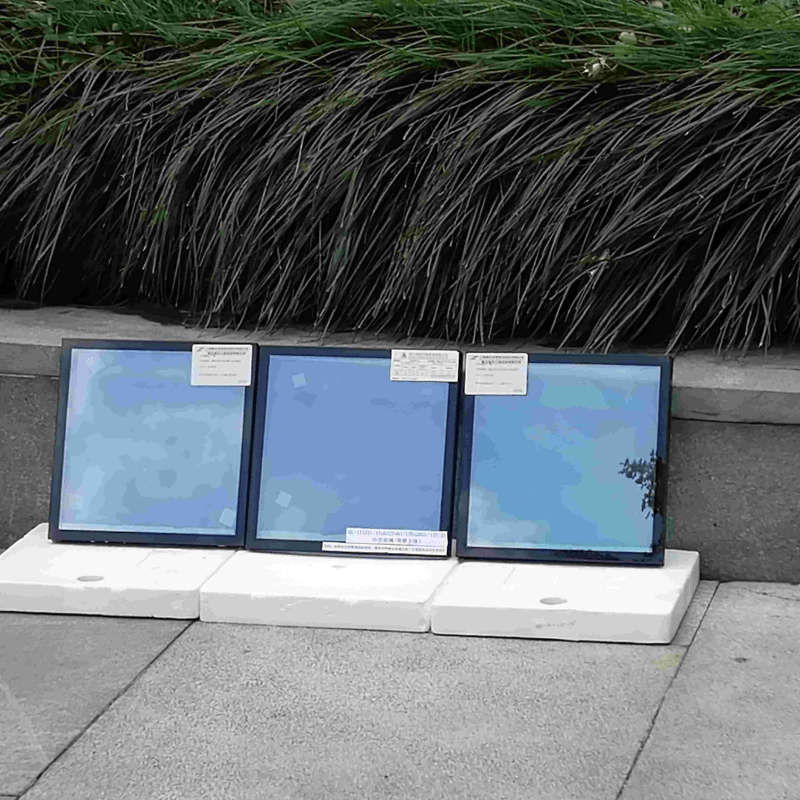
Architectural tempered glass provides exceptional thermal performance characteristics that contribute significantly to building energy efficiency and occupant comfort. The tempering process creates a glass product with superior resistance to thermal shock, allowing architectural tempered glass to withstand rapid temperature changes without cracking or failure. This thermal stability proves particularly valuable in applications where interior and exterior temperature differentials create significant stress on glazing systems. The manufacturing process for architectural tempered glass allows for the incorporation of advanced coating technologies that enhance thermal performance while maintaining the structural benefits of tempering. Low-emissivity coatings applied during production create architectural tempered glass units with superior insulating properties, reducing heat transfer and improving building energy efficiency. Solar control coatings can be integrated to manage solar heat gain while preserving natural lighting benefits, creating architectural tempered glass that optimizes daylighting while minimizing cooling loads. The thermal expansion characteristics of architectural tempered glass remain predictable and manageable, allowing glazing systems to accommodate building movement without compromising seal integrity or structural performance. Insulating glass units incorporating architectural tempered glass achieve superior thermal performance through the combination of low-conductivity spacers, high-performance sealants, and advanced gas fills. These systems reduce heating and cooling costs while maintaining the safety and strength advantages inherent in architectural tempered glass. The longevity of thermal performance in architectural tempered glass systems exceeds that of many alternatives, as the material resists degradation from ultraviolet exposure and temperature cycling. Building owners benefit from reduced energy costs, improved comfort conditions, and enhanced property values through the installation of high-performance architectural tempered glass systems. The environmental benefits include reduced carbon emissions through lower energy consumption and the recyclability of architectural tempered glass at the end of its service life. Advanced glazing systems using architectural tempered glass can achieve thermal performance levels that meet or exceed the most stringent building energy codes while providing the transparency and aesthetic appeal demanded by contemporary architecture.

Get a Free Quote

Our representative will contact you soon.
Email
Name
Company Name
Products
Message
0/1000
Newsletter
Contact Us