Premier Architectural Glass Company - Advanced Manufacturing & Custom Solutions

All Categories
Get a Quote

Get a Free Quote

Our representative will contact you soon.
Email
Name
Company Name
Products
Message
0/1000

architectural glass company

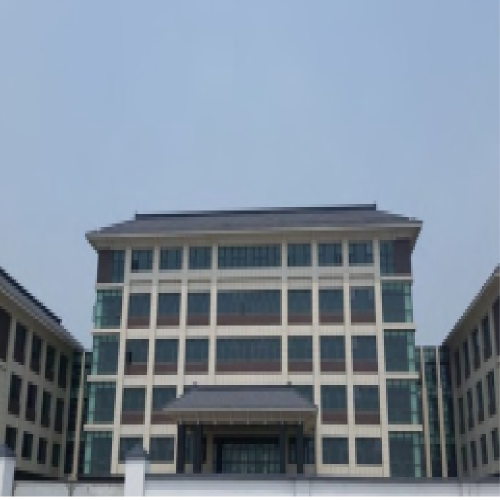
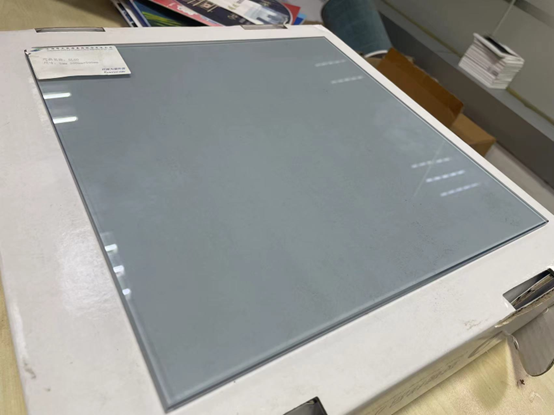
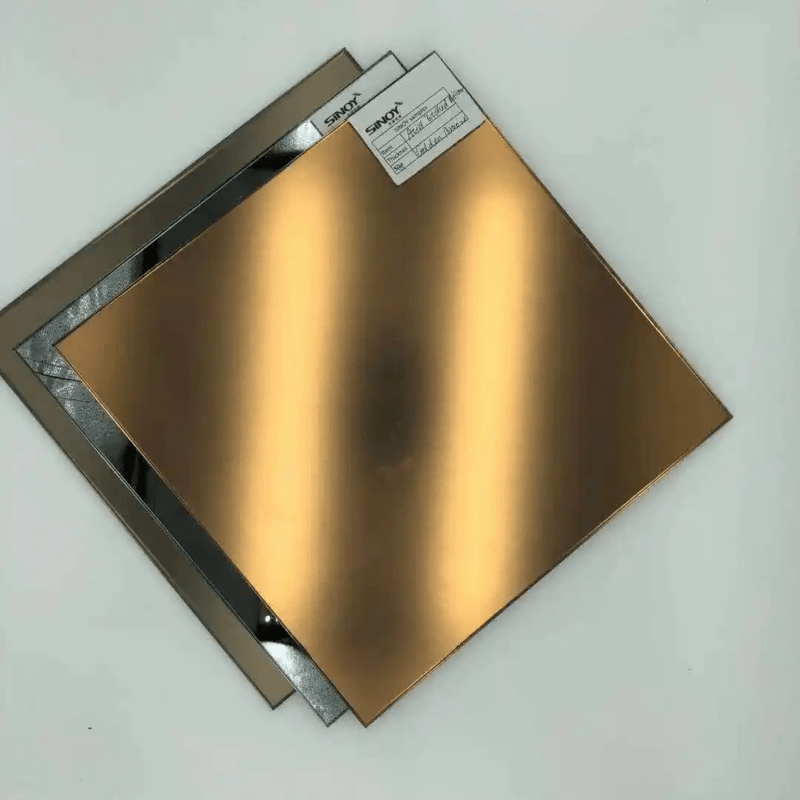
An architectural glass company serves as a specialized manufacturer and supplier of high-performance glass solutions designed specifically for modern building construction and design applications. These companies focus on producing advanced glazing systems that combine aesthetic appeal with functional performance to meet the demanding requirements of contemporary architecture. The primary functions of an architectural glass company encompass research and development of innovative glass technologies, manufacturing of custom glass products, and providing comprehensive technical support throughout project implementation. Modern architectural glass companies utilize cutting-edge production techniques including float glass manufacturing, tempering processes, lamination technologies, and specialized coating applications. These technological features enable the creation of glass products with enhanced thermal performance, structural integrity, and visual clarity. The manufacturing processes incorporate computer-controlled systems that ensure precise thickness control, optimal surface quality, and consistent performance characteristics across large production volumes. Applications for architectural glass span residential construction, commercial buildings, institutional facilities, and specialized structures such as curtain wall systems, window installations, skylights, and structural glazing applications. Contemporary architectural glass companies also focus on sustainable manufacturing practices, incorporating recycled materials and energy-efficient production methods to reduce environmental impact. The integration of smart glass technologies, including electrochromic and photochromic systems, represents another significant advancement in the field. These companies work closely with architects, contractors, and building owners to develop customized solutions that address specific project requirements while maintaining compliance with building codes and safety standards. Quality control measures throughout the production process ensure that each glass product meets stringent performance criteria for durability, safety, and energy efficiency in diverse environmental conditions.


New Products

Working with a professional architectural glass company provides numerous practical benefits that directly impact project success and long-term building performance. First, these companies offer extensive technical expertise that ensures proper glass selection for specific applications, eliminating costly mistakes and reducing installation complications. Their engineering teams provide detailed performance calculations and structural analysis to guarantee that glass systems meet all safety requirements and building code compliance. This technical support saves significant time during the design phase and prevents potential issues during construction. Second, architectural glass companies maintain strict quality control standards throughout their manufacturing processes, resulting in products that consistently meet specified performance criteria. This reliability reduces the risk of product failure and minimizes warranty claims, providing peace of mind for building owners and contractors. The quality assurance programs implemented by these companies include regular testing of mechanical properties, thermal performance, and optical characteristics to ensure each product meets industry standards. Third, these companies offer comprehensive project management services that streamline the procurement and delivery process. Their experienced teams coordinate production schedules with construction timelines, ensuring that glass products arrive on site when needed. This coordination reduces storage costs and minimizes the risk of damage during extended storage periods. Fourth, architectural glass companies provide ongoing technical support throughout the installation process, helping contractors avoid common installation errors that could compromise performance or safety. Their field representatives offer guidance on proper handling techniques, installation procedures, and maintenance requirements. Fifth, these companies often provide extensive warranty coverage that protects against manufacturing defects and performance issues, offering additional financial security for project stakeholders. The warranty programs typically include replacement guarantees and performance assurances that extend well beyond standard industry coverage. Finally, working with an established architectural glass company provides access to innovative products and emerging technologies that can enhance building performance and reduce operating costs over the structure's lifetime.

Latest News

Cost Guide: Architectural Glass for Commercial Projects

12

Dec

Cost Guide: Architectural Glass for Commercial Projects

Commercial construction projects increasingly rely on architectural glass to create stunning facades, maximize natural light, and achieve energy efficiency goals. Understanding the cost factors associated with architectural glass installations helps ...
View More
How Is Coated Glass Made? Manufacturing Process Guide

12

Dec

How Is Coated Glass Made? Manufacturing Process Guide

The manufacturing of coated glass represents one of the most sophisticated processes in modern glass production, combining advanced materials science with precision engineering. This specialized glass product features thin metallic or ceramic layers ...
View More
Is Bulletproof Glass Worth the Investment?

14

Jan

Is Bulletproof Glass Worth the Investment?

In today's increasingly unpredictable world, the demand for enhanced security measures has never been higher. From corporate headquarters to residential properties, property owners are exploring advanced protection solutions that offer peace of mind ...
View More
Top 10 Coated Glass Manufacturers in 2026

04

Mar

Top 10 Coated Glass Manufacturers in 2026

The coated glass industry continues to evolve rapidly as manufacturers push the boundaries of energy efficiency and architectural innovation. Modern coated glass solutions have become indispensable in commercial and residential construction projects ...
View More

Get a Free Quote

Our representative will contact you soon.
Email
Name
Company Name
Products
Message
0/1000

architectural glass company

Advanced Manufacturing Capabilities and Quality Assurance

Advanced Manufacturing Capabilities and Quality Assurance

The manufacturing capabilities of a leading architectural glass company represent the cornerstone of superior product quality and performance reliability. These companies invest heavily in state-of-the-art production equipment that incorporates the latest technological advances in glass manufacturing processes. Float glass production lines utilize computer-controlled systems that maintain precise temperature control and atmosphere management throughout the melting and forming stages, ensuring consistent glass thickness and optical quality. Tempering furnaces employ advanced heating and cooling systems that create uniform stress distribution across the glass surface, resulting in enhanced strength characteristics and improved safety performance. Laminating processes utilize specialized adhesive systems and pressure chambers that create strong bonds between glass layers while maintaining optical clarity and structural integrity. The coating application systems used by architectural glass companies employ magnetron sputtering technology and chemical vapor deposition processes to apply thin-film coatings with precise thickness control and uniform distribution. These coatings provide enhanced thermal performance, solar control, and aesthetic properties that meet specific project requirements. Quality assurance programs implemented throughout the manufacturing process include continuous monitoring of critical parameters such as glass thickness, surface quality, coating uniformity, and mechanical properties. Automated inspection systems utilize laser measurement technology and optical scanning equipment to detect defects and ensure compliance with dimensional tolerances. Laboratory testing facilities conduct comprehensive performance evaluations including thermal cycling tests, impact resistance measurements, and long-term durability assessments. Statistical process control methods track production variables and identify trends that could affect product quality, enabling proactive adjustments to maintain consistent performance. These manufacturing capabilities enable architectural glass companies to produce custom products that meet exact specifications while maintaining the highest quality standards throughout large-scale production runs.
Comprehensive Technical Support and Engineering Services

Comprehensive Technical Support and Engineering Services

The technical support and engineering services provided by an architectural glass company extend far beyond basic product supply, encompassing comprehensive project assistance that ensures optimal performance and successful implementation. These companies employ teams of experienced engineers and technical specialists who possess deep knowledge of glass properties, building physics, and construction methodologies. The engineering services begin during the early design phase, where technical teams collaborate with architects and engineers to develop glazing solutions that meet specific performance requirements while maintaining design intent. Structural analysis capabilities include finite element modeling and wind load calculations that verify the adequacy of glass systems under various loading conditions. Thermal performance modeling utilizes advanced computer simulation programs to predict energy transfer characteristics and optimize glazing specifications for maximum efficiency. The technical teams provide detailed drawings and specifications that clearly communicate installation requirements and performance expectations to construction teams. Field support services include pre-installation consultations where technical representatives review project conditions and provide guidance on proper handling and installation procedures. During installation, these specialists are available to address questions and resolve issues that may arise, ensuring that glass systems are installed correctly and perform as designed. Post-installation services include performance verification testing and ongoing technical assistance to address any concerns that may develop over time. Training programs offered by architectural glass companies educate contractors and installers on proper techniques for handling, cutting, and installing various glass products. These educational initiatives help reduce installation errors and improve overall project quality. Technical documentation provided by these companies includes comprehensive installation guides, maintenance procedures, and troubleshooting resources that serve as valuable references throughout the building's lifecycle. The depth of technical support available from established architectural glass companies represents a significant value proposition that extends well beyond the initial product purchase.
Sustainable Manufacturing Practices and Environmental Responsibility

Sustainable Manufacturing Practices and Environmental Responsibility

Environmental responsibility has become a central focus for leading architectural glass companies, driving the development of sustainable manufacturing practices that minimize ecological impact while maintaining product quality and performance standards. These companies implement comprehensive recycling programs that incorporate post-consumer and post-industrial glass waste into new production processes, significantly reducing the demand for raw materials and decreasing landfill waste. The recycling systems utilize advanced sorting and cleaning technologies that remove contaminants and prepare waste glass for remelting, creating closed-loop manufacturing cycles that conserve natural resources. Energy efficiency initiatives within manufacturing facilities include the implementation of waste heat recovery systems that capture thermal energy from furnace operations and redirect it for other production processes. Combined heat and power systems generate electricity on-site while utilizing waste heat for facility heating and process requirements, substantially reducing overall energy consumption. Water conservation programs implement closed-loop cooling systems and advanced filtration technologies that minimize water usage and eliminate discharge of contaminated water into local watersheds. Raw material sourcing practices prioritize suppliers who demonstrate environmental responsibility and sustainable extraction methods, ensuring that the entire supply chain aligns with environmental objectives. Product development efforts focus on creating glass solutions that enhance building energy efficiency and reduce operational carbon footprints throughout the structure's lifecycle. Low-emissivity coatings and advanced glazing systems help buildings achieve superior thermal performance, reducing heating and cooling energy requirements while maintaining occupant comfort. Life cycle assessment methodologies evaluate the environmental impact of glass products from raw material extraction through end-of-life disposal, identifying opportunities for improvement and guiding product development decisions. Carbon footprint reduction initiatives include transportation optimization, renewable energy adoption, and process efficiency improvements that collectively minimize greenhouse gas emissions associated with glass production. These sustainable practices demonstrate the commitment of architectural glass companies to environmental stewardship while providing customers with products that support green building initiatives and sustainability goals.

Get a Free Quote

Our representative will contact you soon.
Email
Name
Company Name
Products
Message
0/1000
Newsletter
Contact Us