frosted glass architecture
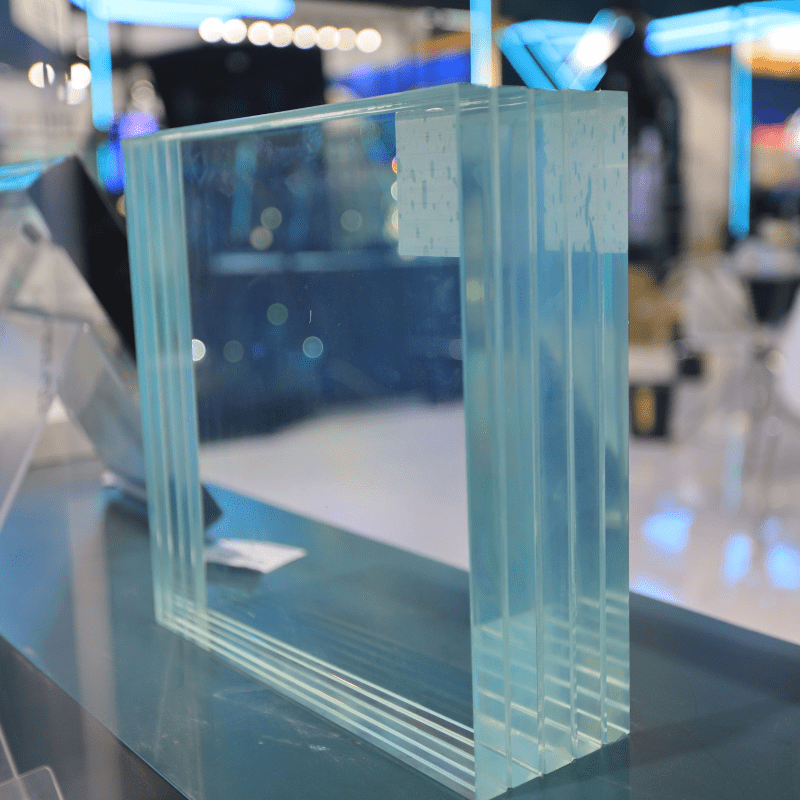
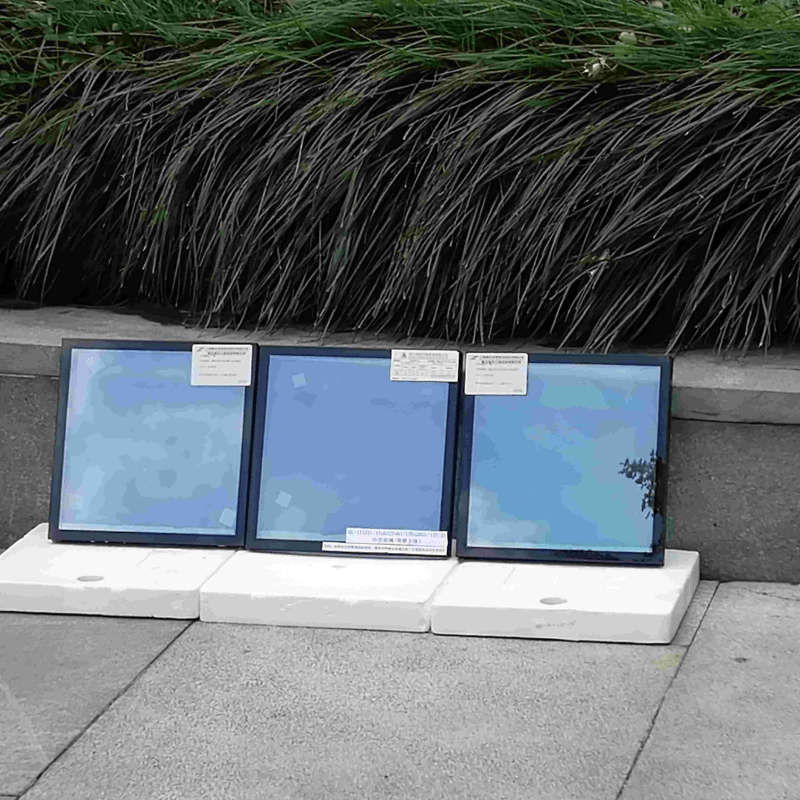
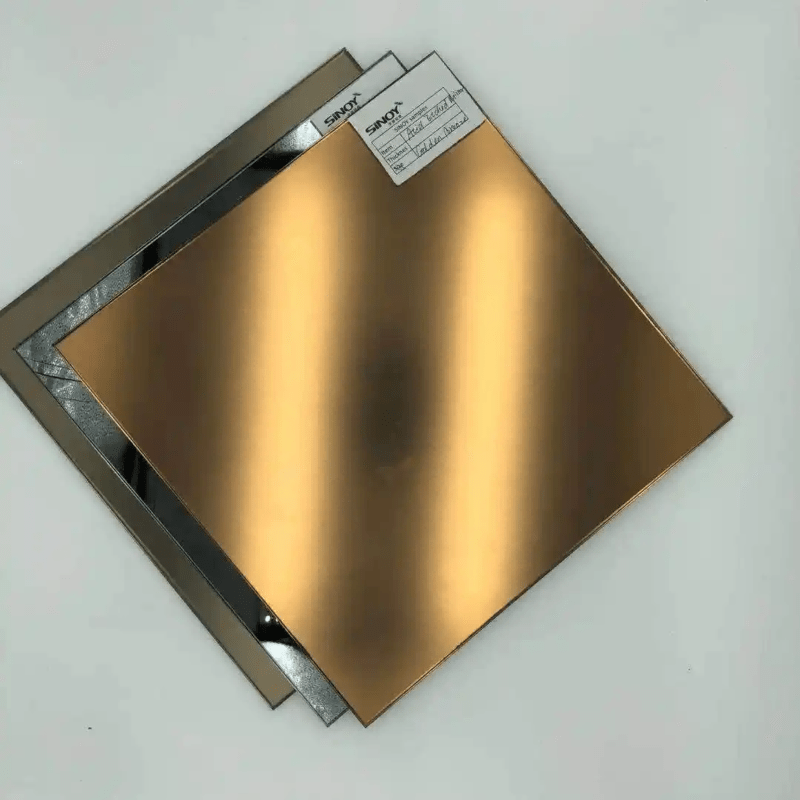
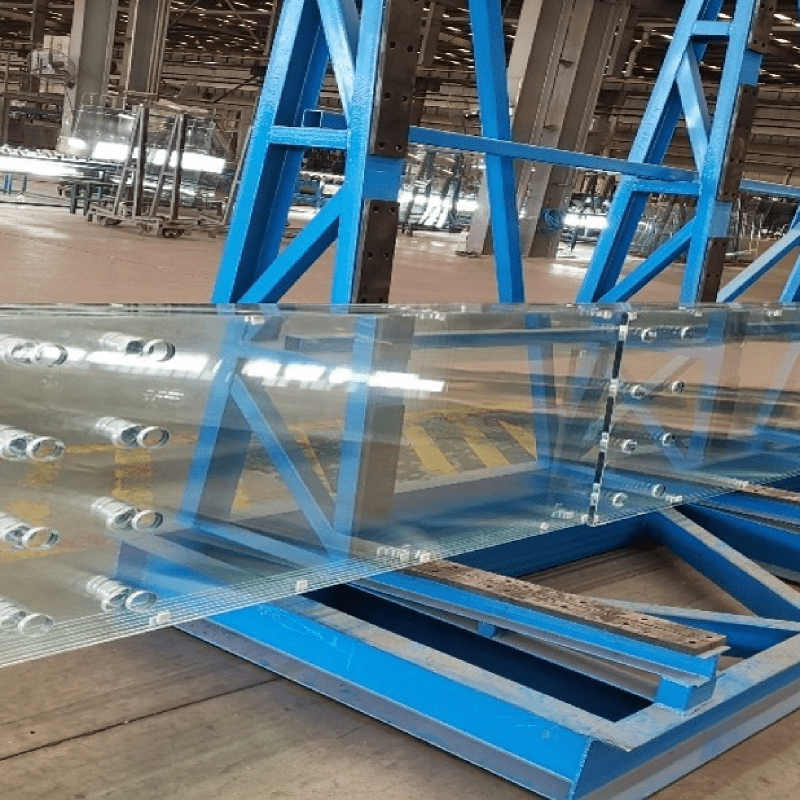
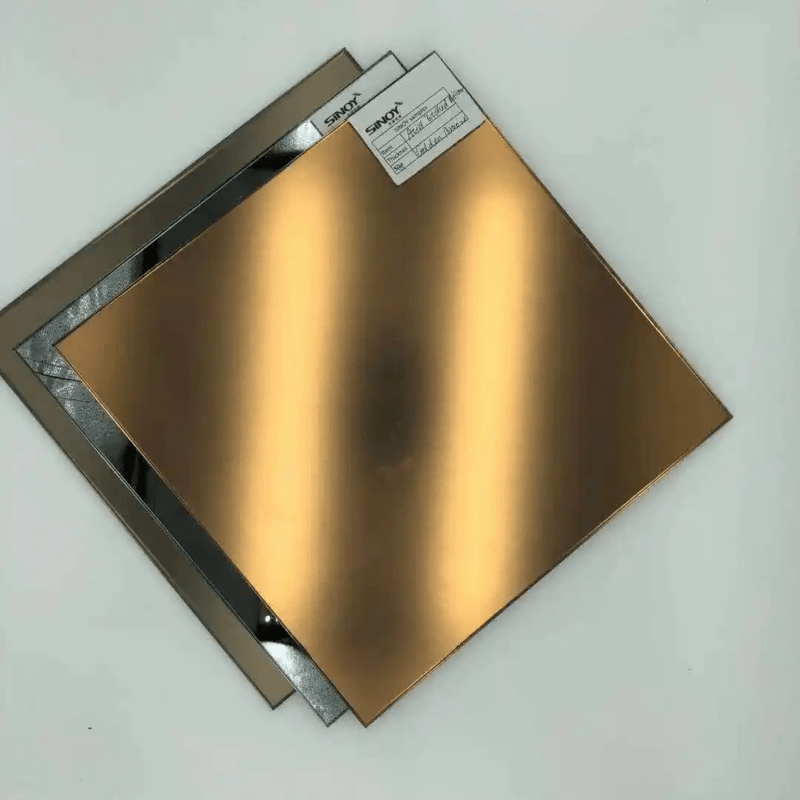
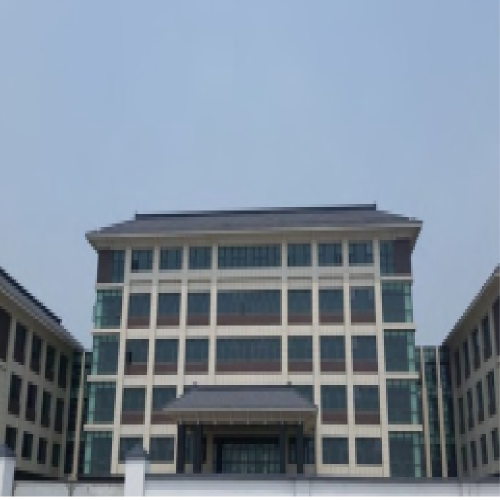
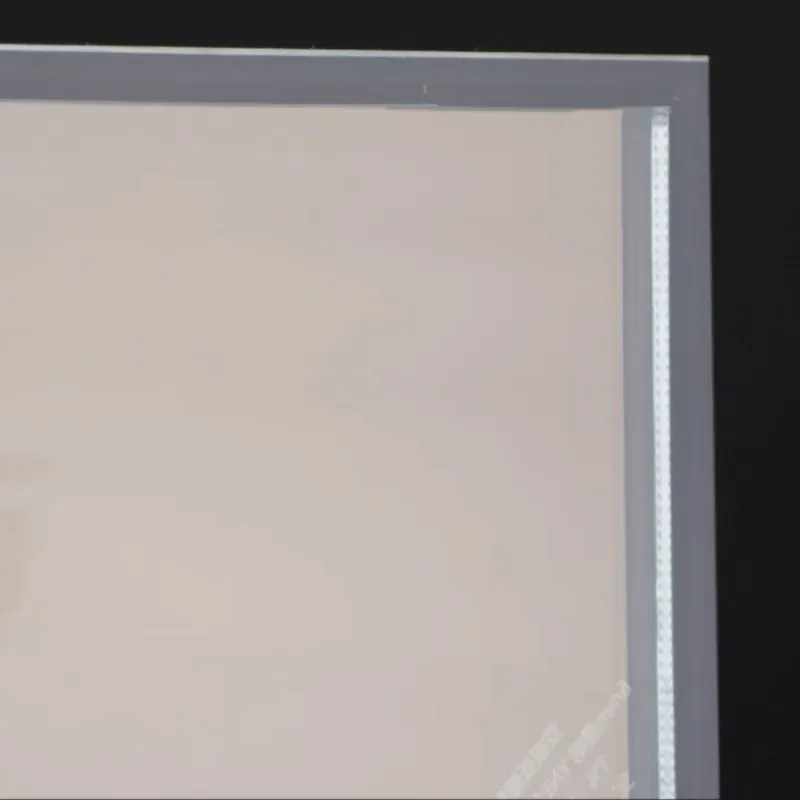
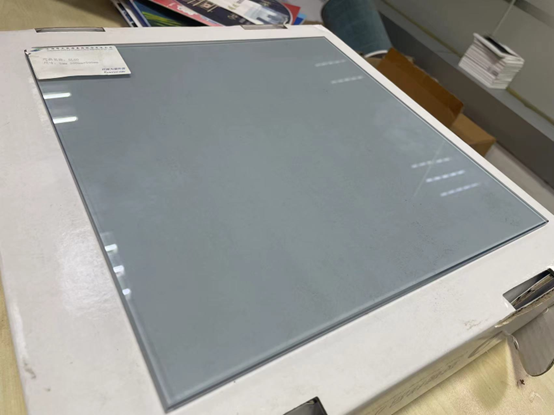
Frosted glass architecture represents a revolutionary approach to modern building design that combines aesthetic appeal with exceptional functionality. This innovative architectural method utilizes specially treated glass panels that diffuse light while maintaining structural integrity and visual appeal. The frosted glass architecture technique involves applying various surface treatments to standard glass panels, creating a translucent barrier that allows natural illumination to filter through while providing essential privacy protection. The main functions of frosted glass architecture extend beyond simple light diffusion to encompass thermal regulation, acoustic dampening, and enhanced interior ambiance. The technological features of this architectural approach include advanced etching processes, sandblasting techniques, and chemical treatments that create microscopic surface irregularities. These irregularities scatter incoming light rays, producing the characteristic soft, diffused illumination that defines frosted glass architecture installations. Modern frosted glass architecture also incorporates smart glass technologies, allowing dynamic opacity control through electrical stimulation or temperature changes. The applications of frosted glass architecture span residential, commercial, and institutional projects. Office buildings utilize frosted glass architecture for conference rooms, creating private meeting spaces while maintaining visual connectivity with surrounding areas. Residential applications include bathroom enclosures, room dividers, and decorative wall panels that enhance privacy without sacrificing natural light penetration. Healthcare facilities implement frosted glass architecture in patient rooms and consultation areas, balancing confidentiality requirements with the therapeutic benefits of natural illumination. Educational institutions employ frosted glass architecture in libraries, study areas, and administrative offices to create conducive learning environments. The versatility of frosted glass architecture makes it suitable for both interior and exterior applications, offering architects unprecedented design flexibility while addressing practical building performance requirements through innovative glass treatment technologies.

 EN
EN