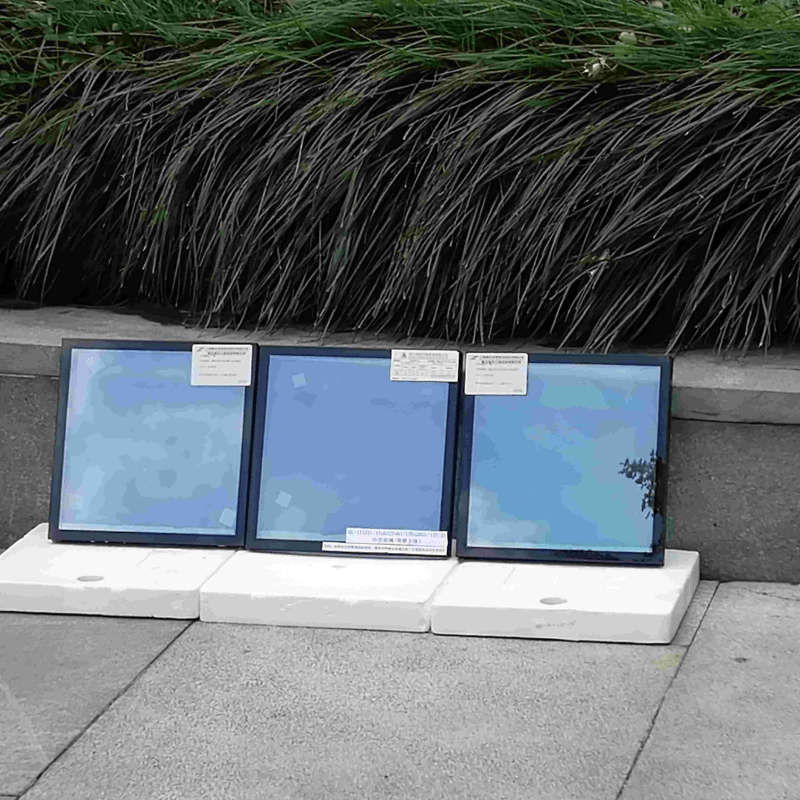
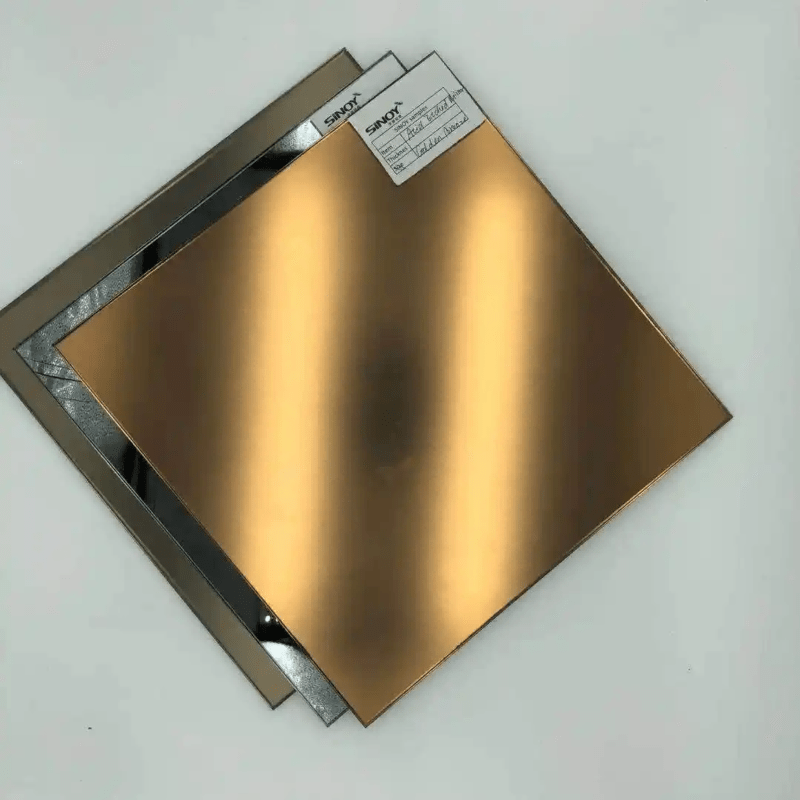
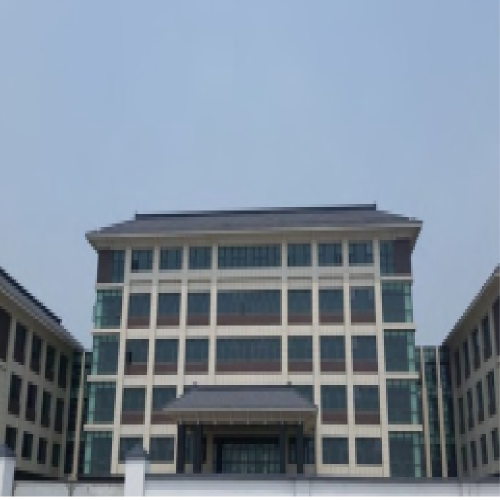
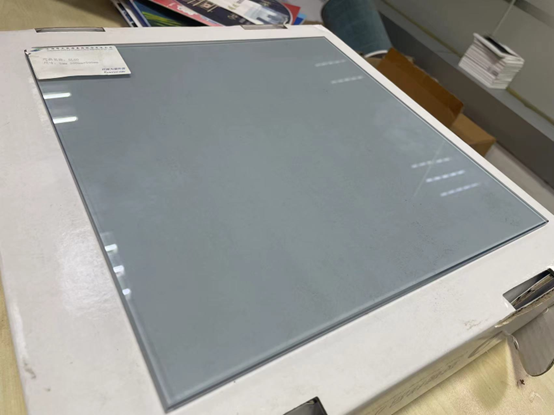
decorative architectural glass
Decorative architectural glass represents a sophisticated building material that transforms ordinary structures into stunning visual masterpieces while maintaining essential functional properties. This specialized glass combines aesthetic appeal with practical performance, making it an indispensable component in modern construction and renovation projects. The main functions of decorative architectural glass extend far beyond simple visual enhancement, encompassing light control, privacy management, energy efficiency, and structural integration. Modern decorative architectural glass utilizes advanced manufacturing techniques including acid etching, sandblasting, digital printing, laminating, and tempering processes to achieve desired visual effects and performance characteristics. These technological features enable architects and designers to create customized solutions that meet specific project requirements while ensuring safety and durability standards. The applications of decorative architectural glass span across residential, commercial, institutional, and industrial sectors, appearing in facades, interior partitions, windows, doors, skylights, and decorative panels. In residential settings, decorative architectural glass enhances living spaces through privacy screens, room dividers, and feature walls that create ambiance while managing natural light. Commercial applications include storefront displays, office partitions, conference rooms, and lobby installations that project professional aesthetics while maintaining functionality. Institutional buildings such as hospitals, schools, and government facilities utilize decorative architectural glass for wayfinding, branding, and creating welcoming environments. The manufacturing process incorporates cutting-edge technology to ensure consistent quality and performance, with options for custom patterns, colors, textures, and opacity levels. Safety considerations remain paramount, with decorative architectural glass meeting rigorous building codes and safety standards through proper tempering, laminating, and installation procedures. Environmental benefits include improved energy efficiency through selective light transmission and thermal performance optimization.

 EN
EN