Premium Insulating Glass: Advanced Energy-Efficient Windows for Modern Buildings

All Categories
Get a Quote

Get a Free Quote

Our representative will contact you soon.
Email
Name
Company Name
Products
Message
0/1000

premium insulating glass

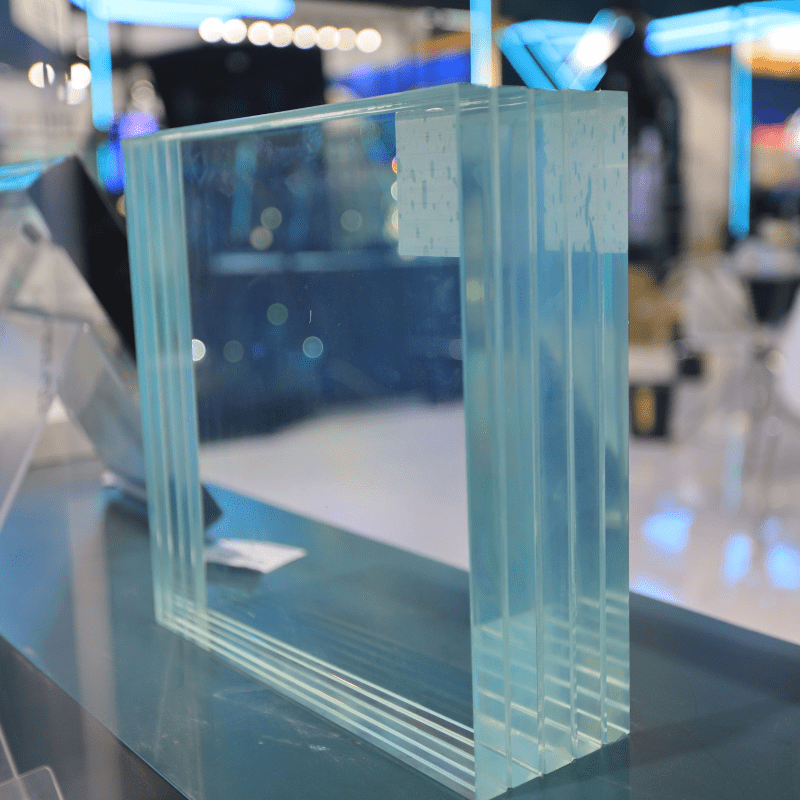
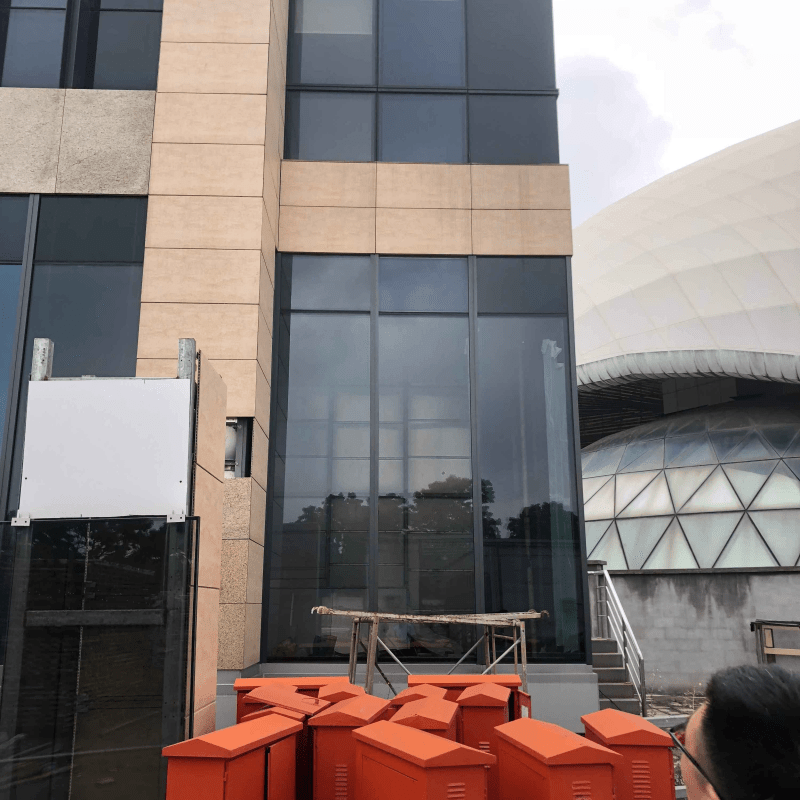
Premium insulating glass represents a revolutionary advancement in modern construction technology, offering superior thermal performance and energy efficiency for residential and commercial buildings. This sophisticated glazing system consists of two or more glass panes separated by a hermetically sealed air or gas-filled cavity, creating an exceptional barrier against heat transfer and sound transmission. The premium insulating glass incorporates cutting-edge manufacturing techniques that ensure optimal performance while maintaining aesthetic appeal and structural integrity. The primary function of premium insulating glass centers on thermal insulation, dramatically reducing heat loss during winter months and preventing unwanted heat gain in summer. This dual-action capability stems from its multi-layered construction, where the sealed cavity between glass panes acts as an insulating buffer zone. Advanced versions utilize noble gases like argon or krypton within the cavity, which possess lower thermal conductivity than regular air, further enhancing insulation properties. The technological features of premium insulating glass include low-emissivity coatings applied to specific glass surfaces, which reflect infrared radiation while allowing visible light to pass through. These microscopic metallic layers significantly improve energy efficiency without compromising natural illumination. Additionally, warm-edge spacer systems replace traditional aluminum spacers, reducing thermal bridging at the glass perimeter and preventing condensation formation. Modern premium insulating glass units incorporate structural glazing techniques that eliminate visible frames, creating sleek, contemporary appearances suitable for architectural designs. Applications span diverse sectors including residential windows, commercial curtain walls, skylights, and specialized glazing for healthcare facilities, educational institutions, and industrial buildings. The versatility of premium insulating glass makes it suitable for various climatic conditions, from harsh winter environments requiring maximum thermal retention to hot climates demanding superior solar control and cooling efficiency.


New Products

Premium insulating glass delivers substantial energy cost savings that directly impact your monthly utility bills, making it a smart long-term investment for property owners. The enhanced thermal performance reduces reliance on heating and cooling systems, typically cutting energy consumption by 20-40 percent compared to single-pane windows. This translates into immediate financial benefits that accumulate over years of ownership, often offsetting the initial installation costs within a reasonable payback period. The comfort level inside buildings improves dramatically with premium insulating glass installation. Occupants experience consistent indoor temperatures throughout different seasons, eliminating cold spots near windows during winter and reducing overheating during summer months. This thermal stability creates a more pleasant living or working environment while reducing the need for additional heating or cooling equipment. Sound insulation properties of premium insulating glass significantly reduce external noise pollution, creating peaceful indoor environments in urban areas or near busy transportation corridors. The multi-pane construction with sealed cavities acts as an effective sound barrier, dampening traffic noise, construction sounds, and other environmental disturbances that can disrupt daily activities or sleep patterns. Condensation control represents another major advantage, as the warm-edge technology and proper sealing prevent moisture buildup on interior glass surfaces. This feature protects window frames from water damage, prevents mold growth, and maintains clear visibility during temperature fluctuations. The elimination of condensation also preserves indoor air quality and protects surrounding building materials from moisture-related deterioration. Durability and longevity characterize premium insulating glass systems, which typically maintain their performance characteristics for 20-25 years when properly installed and maintained. The high-quality materials and precision manufacturing processes ensure reliable operation despite exposure to weather extremes, temperature cycling, and UV radiation. This longevity reduces replacement costs and maintenance requirements compared to standard glazing options. Enhanced security features include tempered or laminated glass options that provide additional protection against break-ins while maintaining the insulating properties. Some premium insulating glass configurations incorporate impact-resistant materials suitable for hurricane-prone regions or high-security applications. The aesthetic versatility allows integration with various architectural styles, from traditional residential designs to modern commercial structures, without compromising performance or visual appeal.

Practical Tips

Choosing the Right Architectural Glass: Expert Tips

27

Nov

Choosing the Right Architectural Glass: Expert Tips

Choosing the Right Architectural Glass: Expert Tips The selection of architectural glass plays a crucial role in modern building design, impacting everything from energy efficiency to aesthetic appeal. As construction technology advances, the importa...
View More
Cost Guide: Architectural Glass for Commercial Projects

12

Dec

Cost Guide: Architectural Glass for Commercial Projects

Commercial construction projects increasingly rely on architectural glass to create stunning facades, maximize natural light, and achieve energy efficiency goals. Understanding the cost factors associated with architectural glass installations helps ...
View More
2026 Power Glass Guide: Top Features and Benefits

20

Jan

2026 Power Glass Guide: Top Features and Benefits

The construction and architectural industry continues to evolve with innovative glazing solutions that enhance both energy efficiency and aesthetic appeal. Power glass technology represents a significant advancement in building materials, offering ar...
View More
Comparing Different Coated Glass Options for Your Home

04

Mar

Comparing Different Coated Glass Options for Your Home

Selecting the right coated glass for your home can significantly impact energy efficiency, comfort levels, and long-term utility costs. Modern architectural glazing solutions have evolved beyond basic clear glass, offering homeowners sophisticated co...
View More

Get a Free Quote

Our representative will contact you soon.
Email
Name
Company Name
Products
Message
0/1000

premium insulating glass

Advanced Low-E Coating Technology

Advanced Low-E Coating Technology

The sophisticated low-emissivity coating technology integrated into premium insulating glass represents a breakthrough in glazing performance, delivering exceptional energy efficiency while maintaining optimal natural light transmission. This invisible metallic layer, applied through precise vacuum deposition processes, selectively controls different wavelengths of electromagnetic radiation to maximize comfort and minimize energy consumption. The coating reflects up to 90 percent of long-wave infrared radiation back into the interior space during heating seasons, preventing valuable thermal energy from escaping through windows. Simultaneously, during cooling seasons, the same coating reflects solar heat gain away from the building interior, reducing air conditioning loads and associated energy costs. The selectivity of low-E coatings allows beneficial visible light to pass through unimpeded, ensuring bright, naturally illuminated interior spaces without the energy penalties associated with solar heat gain. Different coating formulations are available to suit specific climate conditions and building orientations, with hard-coat and soft-coat options providing varying levels of performance optimization. Hard-coat low-E treatments offer durability and can be exposed to air, making them suitable for certain single-glazed applications or as the exterior surface of insulating glass units. Soft-coat formulations provide superior performance characteristics but require protection within the sealed cavity of premium insulating glass systems. The coating placement within the insulating glass unit determines its primary function, with surface two positions optimizing heating season performance and surface three locations enhancing cooling season efficiency. Advanced spectral selectivity allows architects and building designers to specify premium insulating glass with coatings that complement specific aesthetic requirements while achieving targeted energy performance goals. The long-term stability of low-E coatings ensures consistent performance throughout the service life of premium insulating glass units, maintaining their energy-saving benefits without degradation or loss of effectiveness. Quality manufacturing processes guarantee uniform coating application and adhesion, preventing delamination or optical distortions that could compromise both performance and appearance. This technology contributes significantly to green building certifications and energy codes compliance, supporting sustainable construction practices and environmental responsibility initiatives.
Argon Gas Fill Technology

Argon Gas Fill Technology

Argon gas fill technology elevates the performance of premium insulating glass beyond conventional air-filled units, providing superior thermal insulation through the strategic use of this inert noble gas. Argon possesses approximately 34 percent lower thermal conductivity compared to air, creating a more effective insulating barrier within the sealed cavity between glass panes. This enhanced thermal resistance translates directly into reduced heat transfer rates, improving overall window performance and contributing to greater energy efficiency in buildings. The dense molecular structure of argon gas moves more slowly than air molecules, reducing convective heat transfer within the insulating cavity and maintaining more stable temperatures across the glass surfaces. Professional installation processes ensure optimal argon retention through precision filling techniques and high-quality sealing systems that prevent gas leakage over time. Quality premium insulating glass manufacturers guarantee argon retention rates exceeding 90 percent after 20 years of service, ensuring long-term performance benefits for building owners. The colorless, odorless, and chemically inert properties of argon make it completely safe for use in residential and commercial glazing applications, with no environmental concerns or health risks associated with potential exposure. Advanced gas-filling equipment monitors argon concentration during manufacturing, ensuring each premium insulating glass unit contains the optimal gas mixture for maximum thermal performance. The combination of argon gas fill with low-E coatings creates synergistic effects that further enhance energy efficiency, with the reduced convective heat transfer complementing the radiative heat control provided by metallic coatings. Different argon concentrations can be specified based on specific climate requirements and performance targets, allowing customization of premium insulating glass units for diverse applications. The thermal performance improvement achieved through argon gas fill technology contributes significantly to heating and cooling cost reductions, particularly in extreme climate conditions where thermal stress on building envelopes is greatest. Quality control measures during production include gas chromatography testing to verify argon concentrations and ensure each unit meets specified performance standards. The stable properties of argon gas prevent chemical reactions or degradation within the sealed cavity, maintaining consistent insulating performance throughout the service life of premium insulating glass installations.
Warm-Edge Spacer Systems

Warm-Edge Spacer Systems

Warm-edge spacer systems represent a critical advancement in premium insulating glass construction, addressing thermal bridging issues that compromise energy efficiency and cause condensation problems in traditional aluminum spacer designs. These innovative spacer materials utilize composite materials, stainless steel, or specialized polymer formulations that exhibit significantly lower thermal conductivity compared to conventional aluminum spacers. The reduced heat transfer through the spacer material minimizes temperature differences across the glass edge, preventing the cold surface conditions that lead to condensation formation and potential mold growth. Advanced warm-edge spacers incorporate structural design features that maintain the required separation between glass panes while providing exceptional sealing performance to prevent gas leakage and moisture infiltration. The flexible nature of many warm-edge spacer materials allows better accommodation of thermal expansion and contraction cycles, reducing stress concentrations that can lead to seal failures or glass breakage. Primary and secondary sealant systems work in conjunction with warm-edge spacers to create robust barriers against environmental moisture and maintain the integrity of the gas-filled cavity. Butyl rubber primary sealants provide immediate moisture protection, while structural silicone or polysulfide secondary sealants ensure long-term durability and weather resistance. The manufacturing precision required for warm-edge spacer installation demands sophisticated equipment and quality control processes to ensure proper adhesion, alignment, and sealing performance. Different spacer configurations are available to accommodate various glass thicknesses, cavity widths, and performance requirements, allowing customization of premium insulating glass units for specific applications. The improved edge seal performance achieved through warm-edge technology extends the service life of premium insulating glass units by preventing premature seal failures that compromise thermal and optical performance. Condensation resistance ratings improve substantially with warm-edge spacer systems, maintaining clear glass surfaces and protecting surrounding building materials from moisture damage. The enhanced durability of warm-edge systems reduces maintenance requirements and replacement costs associated with traditional spacer technologies, providing long-term value for building owners. Testing protocols for warm-edge spacer systems include accelerated aging studies, thermal cycling, and moisture penetration resistance evaluations to ensure consistent performance under diverse environmental conditions. Integration with other premium insulating glass technologies creates optimized systems that maximize energy efficiency, durability, and occupant comfort while meeting stringent building performance standards.

Get a Free Quote

Our representative will contact you soon.
Email
Name
Company Name
Products
Message
0/1000
Newsletter
Contact Us