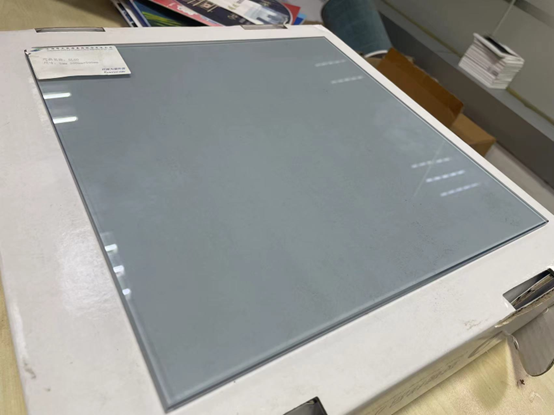
double pane insulated windows
Double pane insulated windows represent a significant advancement in residential and commercial glazing technology, offering superior performance compared to traditional single-pane alternatives. These innovative window systems consist of two parallel glass panels separated by a sealed airspace, creating an effective thermal barrier that dramatically improves building efficiency. The construction typically incorporates high-quality glass sheets held apart by spacer materials, with the cavity between them filled with air or inert gases like argon or krypton to enhance insulation properties. Modern double pane insulated windows feature advanced low-emissivity coatings that reflect heat while allowing natural light to pass through, maximizing comfort and energy savings. The sealed design prevents moisture infiltration and condensation between glass layers, ensuring long-lasting clarity and performance. These windows utilize sophisticated frame materials including vinyl, aluminum, wood, or composite materials, each engineered to complement the insulating properties of the dual-pane configuration. The spacer system maintains precise gap dimensions while incorporating desiccant materials that absorb residual moisture during manufacturing. Double pane insulated windows find extensive applications across residential homes, office buildings, retail spaces, educational facilities, and healthcare institutions where energy efficiency and occupant comfort are priorities. Their versatility extends to various architectural styles, from traditional colonial designs to contemporary minimalist structures. The technology accommodates different glass types including tempered safety glass, laminated security glass, and decorative options that maintain thermal performance standards. Installation methods vary depending on construction type, with options for new construction, replacement projects, and retrofit applications. Quality double pane insulated windows undergo rigorous testing for air leakage, water penetration, structural integrity, and thermal performance to meet industry standards and building codes.

 EN
EN