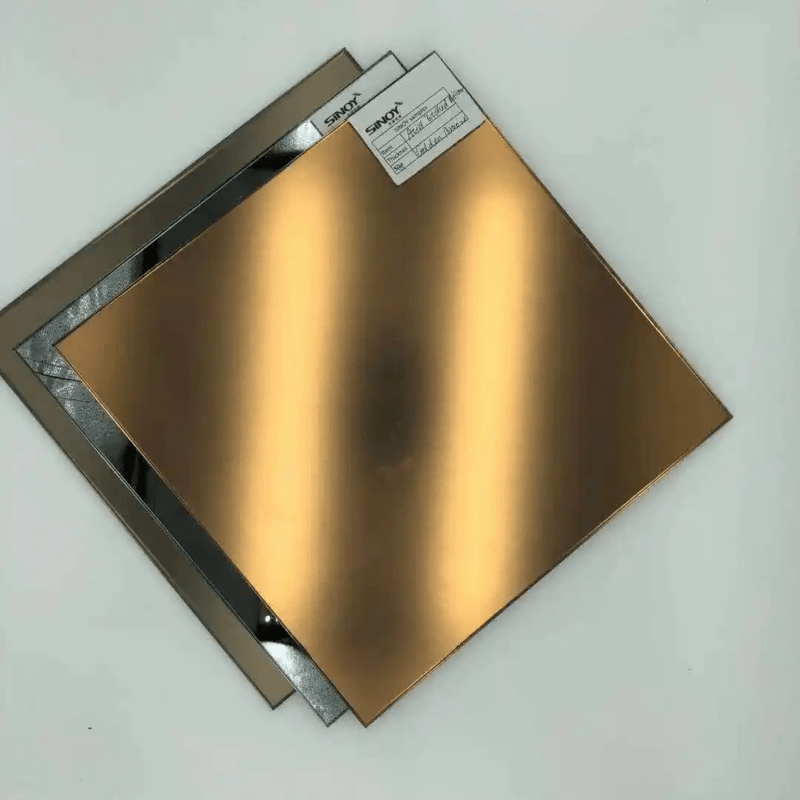
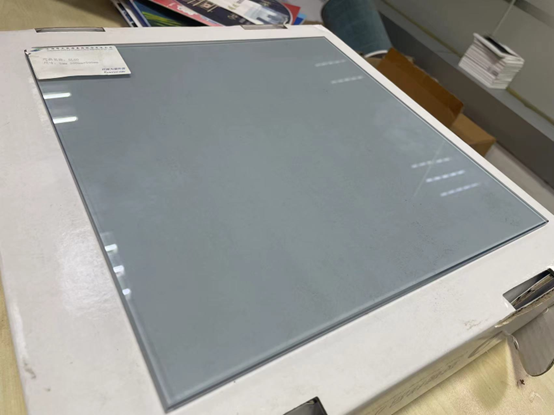
float glass panel
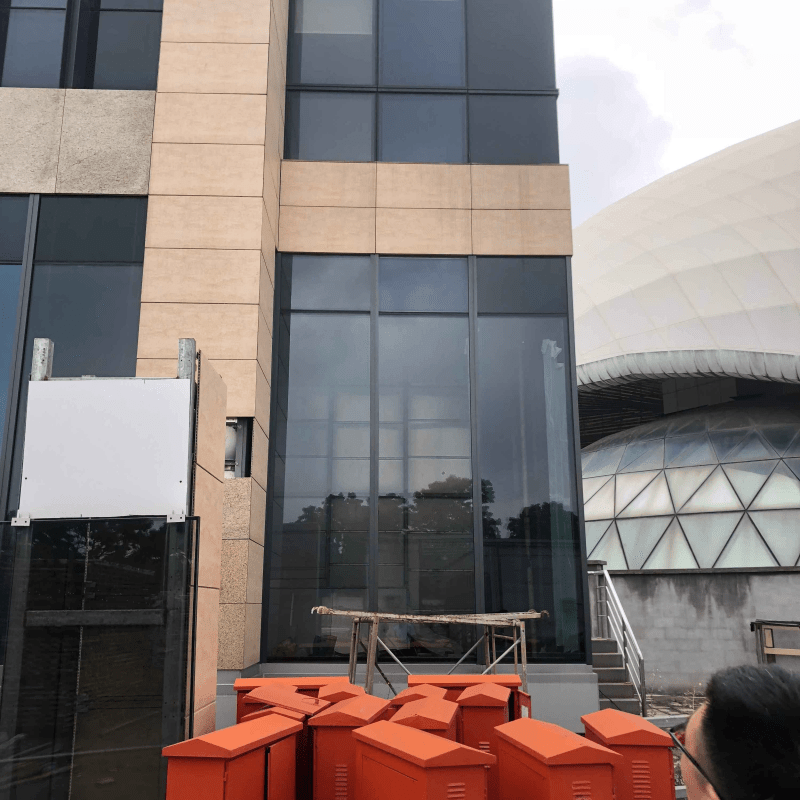
Float glass panel represents a revolutionary advancement in modern glass manufacturing technology that has transformed the construction and architectural industries. This innovative product emerges through the float glass process, where molten glass flows onto a bed of liquid tin, creating exceptionally flat and uniform surfaces. The float glass panel manufacturing technique eliminates the distortions and imperfections commonly found in traditional glass production methods, resulting in superior optical clarity and structural integrity. The primary functions of float glass panel include providing transparent barriers, allowing natural light transmission, and offering thermal insulation properties. These panels serve as essential building materials in both residential and commercial applications, where visual clarity and durability are paramount. The technological features of float glass panel encompass precise thickness control, excellent flatness, and consistent quality throughout the entire surface area. Advanced manufacturing processes ensure that each float glass panel meets stringent industry standards for optical performance and structural reliability. The smooth surface characteristics of float glass panel eliminate the need for additional polishing or grinding, making it an economically efficient choice for large-scale projects. Applications for float glass panel span across multiple industries, including residential window systems, commercial facades, automotive windshields, and specialty architectural installations. In residential settings, float glass panel provides homeowners with clear views while maintaining energy efficiency through improved thermal performance. Commercial buildings utilize float glass panel for curtain walls, storefronts, and interior partitions, creating modern aesthetic appeals while maximizing natural light penetration. The versatility of float glass panel extends to specialized applications such as solar panel covers, greenhouse construction, and decorative architectural elements, demonstrating its adaptability across diverse market segments.

 EN
EN