Premium CSP Glass Manufacturer - Advanced Solar Power Glass Solutions

All Categories
Get a Quote

Get a Free Quote

Our representative will contact you soon.
Email
Name
Company Name
Products
Message
0/1000

csp glass manufacturer

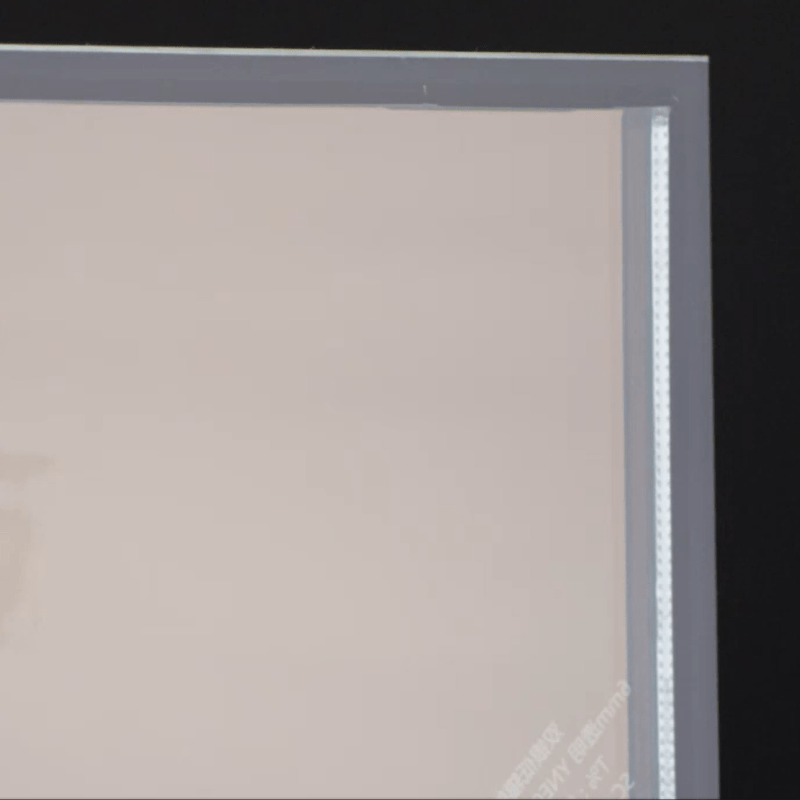
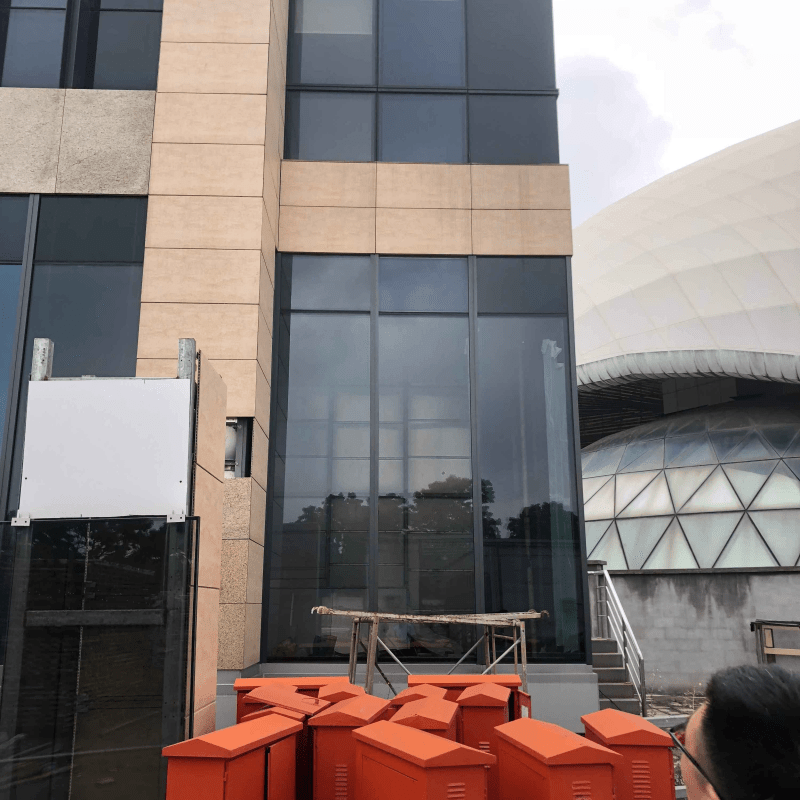
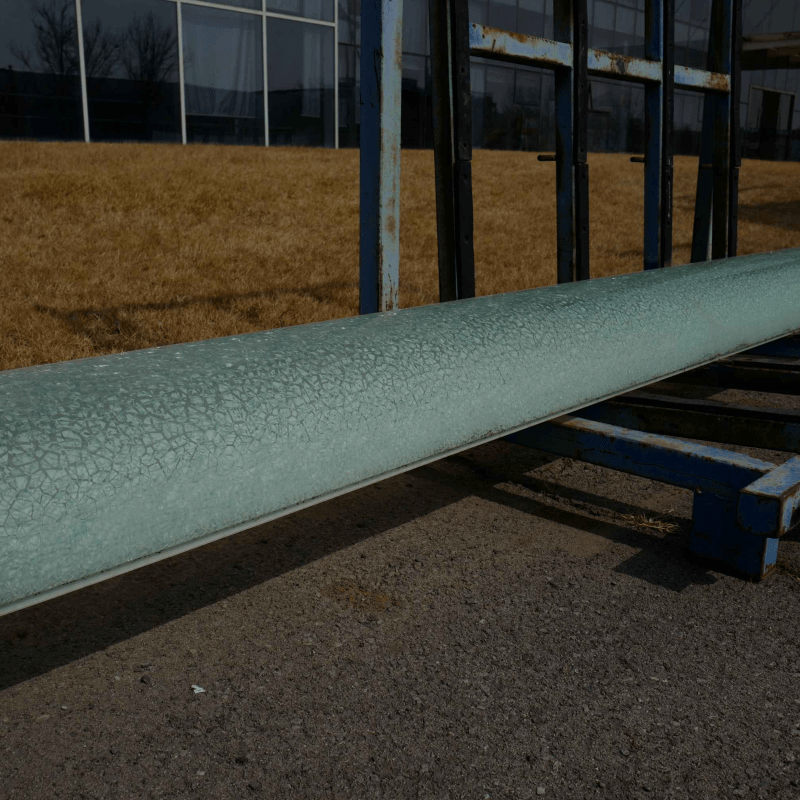
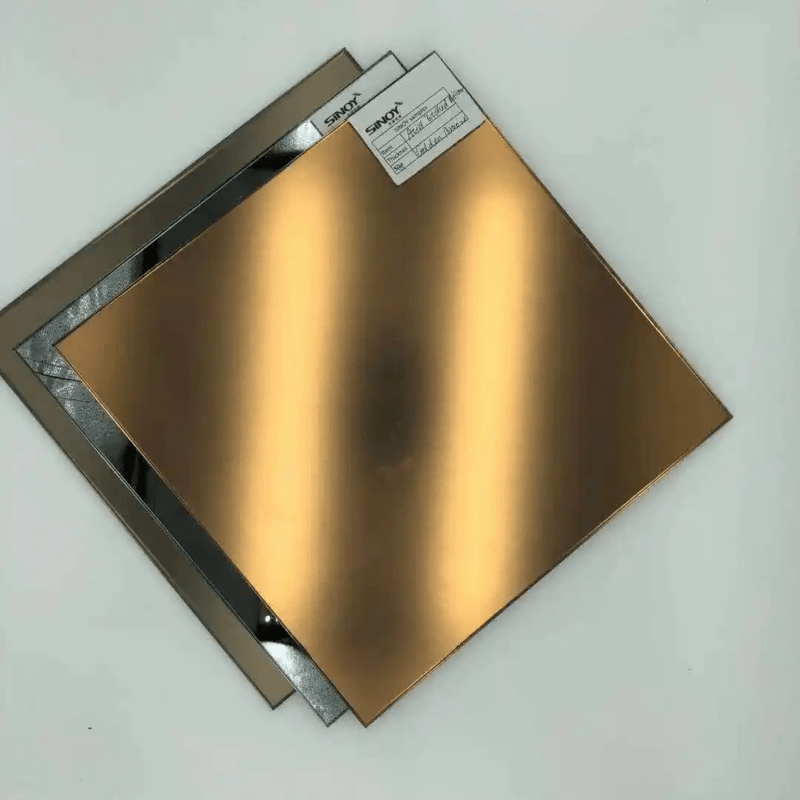
A CSP glass manufacturer represents a specialized industry leader focused on producing high-quality concentrated solar power glass components that serve as critical elements in solar thermal energy systems. These manufacturers engineer precision glass products specifically designed to withstand extreme temperatures while maintaining optimal light transmission properties essential for solar energy collection. The primary function of a CSP glass manufacturer involves creating curved and flat mirror segments, receiver tubes, and protective glass covers that form the backbone of concentrated solar power installations worldwide. The technological features of modern CSP glass manufacturing include advanced silvering processes that achieve reflectivity rates exceeding 95 percent, specialized low-iron glass formulations that minimize light absorption, and precision molding techniques that ensure perfect curvature for parabolic collectors. These manufacturers utilize state-of-the-art furnace systems operating at temperatures above 1500 degrees Celsius, automated cutting and shaping equipment, and sophisticated quality control systems that monitor thickness variations within micrometers. The production process incorporates computer-controlled tempering procedures that enhance durability and thermal shock resistance, making the glass suitable for desert environments where temperature fluctuations are extreme. Applications for CSP glass products span across utility-scale solar power plants, industrial heating systems, and residential solar thermal installations. Major solar farms in regions like California, Spain, and Morocco rely on components from leading CSP glass manufacturers to generate clean electricity for millions of homes. The manufacturing process also includes specialized coatings that protect against dust accumulation and environmental degradation, ensuring long-term performance in harsh climatic conditions. Quality CSP glass manufacturers maintain certifications from international standards organizations and implement rigorous testing protocols that validate optical properties, mechanical strength, and thermal cycling performance before products reach installation sites.


New Product Recommendations

CSP glass manufacturers offer substantial cost savings through economies of scale and optimized production processes that reduce per-unit expenses for large solar projects. These manufacturers invest heavily in research and development, resulting in continuously improved products that deliver higher energy conversion efficiency and longer operational lifespans. The advanced manufacturing capabilities enable precise customization of glass components to meet specific project requirements, whether for parabolic trough systems, solar power towers, or dish concentrators. Quality control systems implemented by professional CSP glass manufacturers ensure consistent product performance, reducing maintenance costs and system downtime throughout the operational life of solar installations. These manufacturers maintain extensive supply chain networks that guarantee reliable delivery schedules, helping solar project developers meet construction timelines and avoid costly delays. The technical expertise of established CSP glass manufacturers translates into superior product design that maximizes solar energy capture while minimizing material usage and environmental impact. Modern manufacturing facilities operate with enhanced automation that reduces human error, improves production consistency, and enables rapid scaling to meet growing market demand. CSP glass manufacturers provide comprehensive technical support services, including installation guidance, performance monitoring recommendations, and troubleshooting assistance that adds significant value for customers. The durability advantages of professionally manufactured CSP glass components result in extended warranty periods, often spanning 20 to 25 years, which provides financial security for long-term solar investments. Environmental benefits stem from sustainable manufacturing practices that minimize waste generation and energy consumption during production processes. Leading CSP glass manufacturers utilize recycled materials where possible and implement closed-loop water systems that reduce environmental footprint. The standardization of products from established manufacturers simplifies procurement processes for solar developers and enables better project planning and cost estimation. Innovation capabilities of major CSP glass manufacturers drive continuous improvements in anti-reflective coatings, self-cleaning surfaces, and enhanced weather resistance that directly translate to improved system performance and reduced operating costs for end users.

Practical Tips

Solar Glass vs Regular Glass: Key Differences Explained

27

Nov

Solar Glass vs Regular Glass: Key Differences Explained

Solar Glass vs Regular Glass: Key Differences Explained The evolution of renewable energy technology has brought significant advances in materials science, particularly in the development of specialized solar glass. This advanced material plays a cru...
View More
Power Glass vs Regular Glass: What's the Difference?

20

Jan

Power Glass vs Regular Glass: What's the Difference?

The construction and architectural industries have witnessed remarkable innovations in glass technology over recent decades. Among these breakthroughs, power glass stands out as a revolutionary material that transforms traditional building concepts. ...
View More
Top 10 Coated Glass Manufacturers in 2026

04

Mar

Top 10 Coated Glass Manufacturers in 2026

The coated glass industry continues to evolve rapidly as manufacturers push the boundaries of energy efficiency and architectural innovation. Modern coated glass solutions have become indispensable in commercial and residential construction projects ...
View More
2026 CSP Glass Guide: Types, Benefits & Applications

04

Mar

2026 CSP Glass Guide: Types, Benefits & Applications

Concentrated solar power technology continues to revolutionize the renewable energy landscape, with csp glass serving as a critical component that determines the efficiency and longevity of solar thermal systems. As we move into 2026, understanding t...
View More

Get a Free Quote

Our representative will contact you soon.
Email
Name
Company Name
Products
Message
0/1000

csp glass manufacturer

Advanced Optical Performance Technology

Advanced Optical Performance Technology

The optical performance technology developed by leading CSP glass manufacturers represents a breakthrough in solar energy collection efficiency that directly impacts the financial viability of concentrated solar power projects. These manufacturers employ sophisticated silvering processes and specialized glass formulations that achieve reflectivity rates exceeding 96 percent, significantly higher than standard mirror products. The low-iron glass substrates used in premium CSP applications contain less than 0.01 percent iron oxide, which dramatically reduces light absorption and increases transmission efficiency. Advanced coating technologies incorporate multiple layers of protective materials that maintain optical clarity while providing resistance against environmental degradation, including UV radiation, thermal cycling, and atmospheric pollutants. The precision manufacturing processes ensure consistent thickness control within 0.1 millimeters across entire glass surfaces, which is critical for maintaining focal accuracy in parabolic collector systems. Quality CSP glass manufacturers utilize computer-controlled cutting and polishing equipment that produces edges with minimal stress concentrations, reducing the risk of thermal breakage during operation. The optical testing procedures implemented during production include spectrophotometry measurements that verify transmission and reflection characteristics across the entire solar spectrum. These manufacturers also develop specialized anti-reflective coatings that can increase light transmission by up to 4 percent compared to uncoated surfaces, resulting in measurable improvements in overall system efficiency. The durability of optical coatings is enhanced through ion-beam sputtering techniques that create molecular bonds at the interface between coating and substrate, ensuring long-term adhesion under extreme temperature conditions. Research and development efforts focus on self-cleaning surface technologies that utilize photocatalytic properties to break down organic contaminants, reducing maintenance requirements and preserving optical performance throughout the operational life of solar installations.
Superior Thermal Durability Engineering

Superior Thermal Durability Engineering

The thermal durability engineering capabilities of professional CSP glass manufacturers address the most challenging operational requirements of concentrated solar power systems, where glass components must withstand temperature differentials exceeding 500 degrees Celsius without failure. These manufacturers implement specialized tempering processes that create controlled stress patterns within the glass structure, dramatically improving resistance to thermal shock and mechanical impact. The annealing procedures utilized by quality manufacturers involve precise temperature control during cooling phases, which eliminates internal stresses that could lead to spontaneous breakage under thermal cycling conditions. Advanced glass compositions incorporate specific additives that modify the coefficient of thermal expansion, ensuring compatibility with metal mounting systems and preventing stress-induced failures at connection points. The manufacturing process includes thermal cycling tests that simulate decades of operational conditions, subjecting glass samples to repeated heating and cooling cycles while monitoring for signs of degradation or failure. Quality CSP glass manufacturers maintain specialized furnace systems capable of achieving uniform temperature distribution across large glass surfaces, which is essential for producing components with consistent thermal properties. The edge processing techniques employed by these manufacturers include flame polishing and precision grinding that remove microscopic flaws capable of initiating thermal stress fractures. Thermal modeling software utilized during design phases allows manufacturers to optimize glass thickness and shape parameters for specific operating conditions, ensuring maximum durability while minimizing material costs. The quality assurance protocols include destructive testing of sample units to verify thermal shock resistance and establish safe operating parameters for installed systems. Research initiatives focus on developing new glass formulations with enhanced thermal properties, including compositions that maintain strength at elevated temperatures and resist devitrification during long-term exposure to solar concentrators.
Precision Manufacturing and Quality Assurance

Precision Manufacturing and Quality Assurance

The precision manufacturing capabilities and comprehensive quality assurance systems implemented by leading CSP glass manufacturers ensure consistent product performance that meets the stringent requirements of commercial solar power installations. These manufacturers utilize computer-controlled production equipment capable of maintaining dimensional tolerances within 0.05 millimeters, which is essential for proper focusing of concentrated solar radiation in parabolic collector systems. The automated cutting systems employ diamond-wire technology and laser guidance systems that produce clean edges with minimal chipping, reducing stress concentrations that could compromise structural integrity. Quality control processes include continuous monitoring of glass thickness using laser measurement systems that detect variations in real-time, allowing for immediate process adjustments to maintain specification compliance. The forming processes for curved mirror segments utilize precision molds manufactured to optical-grade tolerances, ensuring that each component achieves the exact parabolic profile required for optimal solar concentration. Statistical process control methods track production parameters continuously, creating databases that enable predictive quality management and proactive identification of potential issues before they affect product quality. The inspection procedures include automated optical scanning systems that detect surface defects, coating irregularities, and dimensional deviations with resolution capabilities exceeding human visual inspection. Packaging and handling protocols developed by quality manufacturers protect finished products during transportation and storage, utilizing custom-designed containers that prevent thermal stress and mechanical damage. The traceability systems implemented throughout production enable complete documentation of material sources, processing parameters, and quality test results for each individual glass component. Calibration programs for measurement equipment ensure accuracy and reliability of quality control data, with regular verification against certified reference standards. The continuous improvement initiatives focus on reducing process variability and enhancing product consistency through statistical analysis of production data and systematic optimization of manufacturing parameters.

Get a Free Quote

Our representative will contact you soon.
Email
Name
Company Name
Products
Message
0/1000
Newsletter
Contact Us