CSP Coated Glass: Advanced Solar Thermal Technology for Maximum Energy Efficiency

All Categories
Get a Quote

Get a Free Quote

Our representative will contact you soon.
Email
Name
Company Name
Products
Message
0/1000

csp coated glass

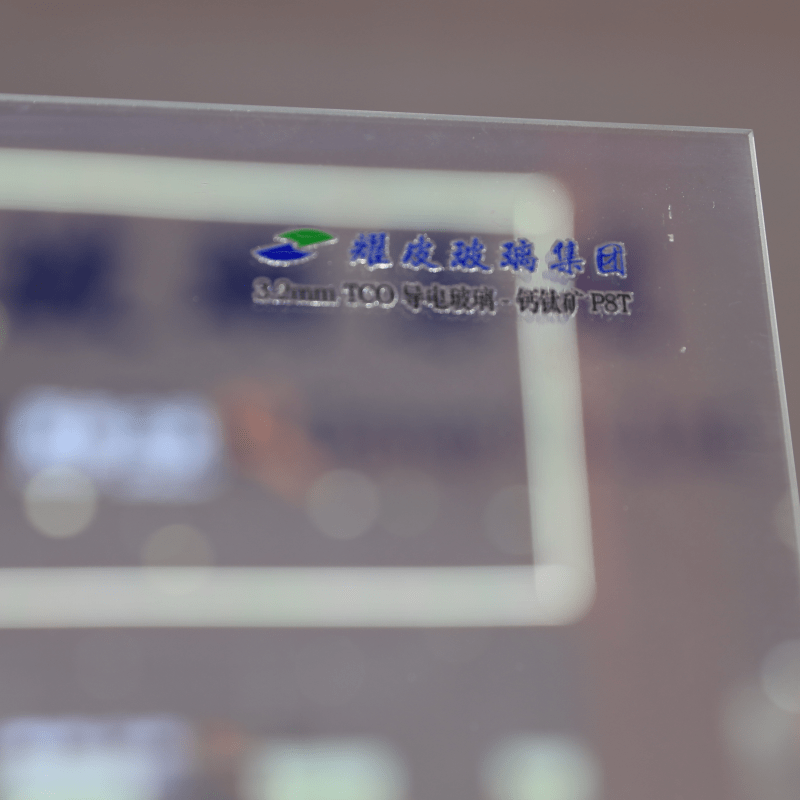
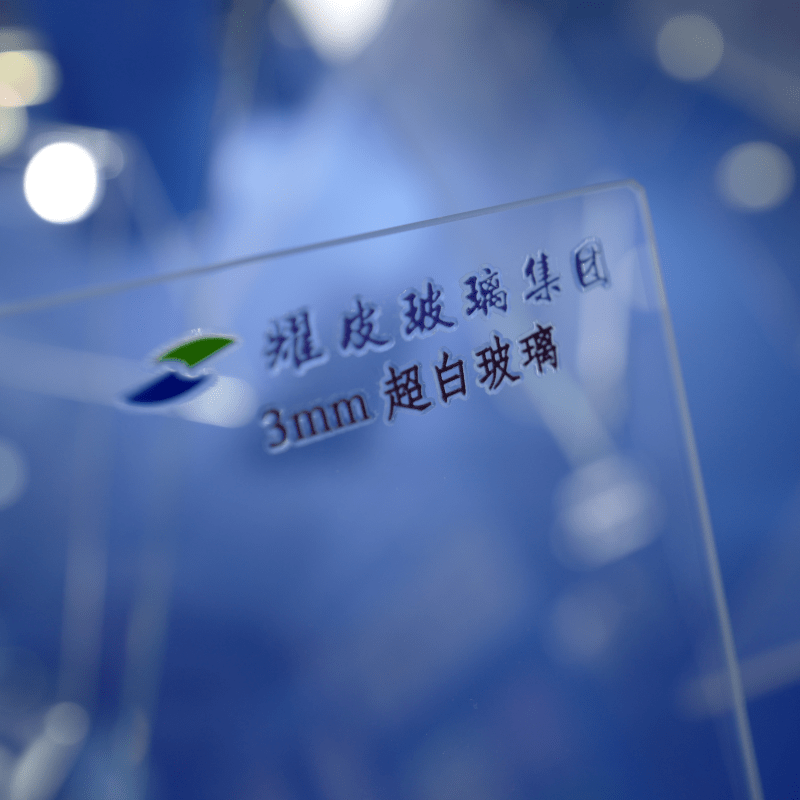
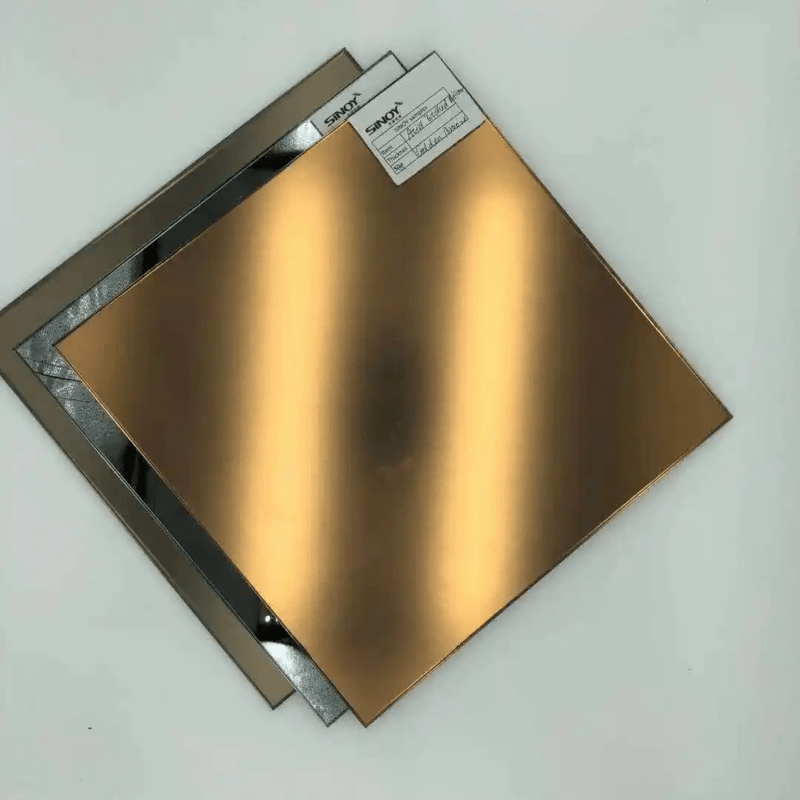
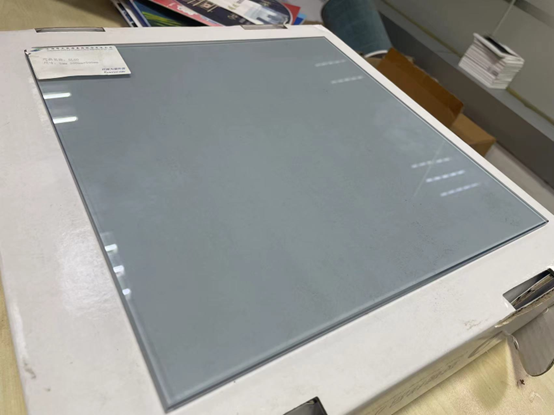
CSP coated glass represents a revolutionary advancement in concentrated solar power technology, specifically engineered to maximize energy collection efficiency in solar thermal applications. This specialized glass features advanced anti-reflective coatings that significantly enhance light transmission while maintaining exceptional durability under extreme environmental conditions. The primary function of CSP coated glass centers on optimizing solar energy capture by minimizing reflection losses and maximizing the amount of solar radiation that reaches the underlying receiver systems. The technological foundation of CSP coated glass relies on sophisticated multilayer coating systems that are precisely applied using advanced vacuum deposition techniques. These coatings typically incorporate materials such as silicon dioxide, titanium dioxide, and other optical materials that create interference patterns to reduce surface reflection. The result is a dramatic improvement in optical performance, with transmission rates often exceeding 95 percent across the solar spectrum. The manufacturing process involves strict quality control measures to ensure uniformity and consistency across large surface areas, which is critical for industrial-scale CSP installations. CSP coated glass finds extensive applications in parabolic trough systems, solar power towers, and dish concentrator systems where high optical efficiency directly translates to increased power generation capacity. The glass substrate itself is engineered to withstand thermal cycling, mechanical stress, and environmental exposure while maintaining optical clarity over extended operational periods. Modern CSP coated glass incorporates self-cleaning properties through specialized surface treatments that reduce maintenance requirements and preserve optical performance in dusty environments. The technology enables CSP plants to achieve higher conversion efficiencies, reduced levelized cost of electricity, and improved return on investment for solar thermal projects worldwide.

New Product Releases

The implementation of CSP coated glass delivers substantial economic benefits through enhanced energy conversion efficiency that directly impacts power plant profitability. Plant operators experience reduced operational costs due to the self-cleaning properties that minimize maintenance interventions and cleaning schedules. The superior optical transmission of CSP coated glass increases power output by up to 8 percent compared to standard glass alternatives, generating additional revenue streams for facility owners. The enhanced durability characteristics ensure longer service life, reducing replacement costs and extending the return on investment period for CSP installations. CSP coated glass provides exceptional weather resistance that protects against hail damage, thermal stress, and UV degradation, maintaining consistent performance across diverse geographical locations and climatic conditions. The anti-soiling surface treatments reduce dust accumulation significantly, preserving optical clarity and eliminating the need for frequent cleaning cycles that consume water resources and labor costs. Installation benefits include compatibility with existing CSP system designs, allowing for straightforward retrofitting of older installations without major structural modifications. The lightweight construction of modern CSP coated glass reduces structural loading requirements, potentially lowering foundation and support costs during new construction projects. Manufacturing quality ensures consistent optical properties across large installations, eliminating hot spots and performance variations that could compromise system efficiency. The technology supports higher operating temperatures without degradation, enabling CSP plants to achieve better thermodynamic efficiency and improved electricity generation capacity. Environmental advantages include reduced water consumption for cleaning, lower carbon footprint through improved efficiency, and enhanced sustainability credentials for renewable energy projects. Long-term performance stability means predictable energy output over the 25-year design life of CSP installations, providing reliable financial projections and improved bankability for project financing. The advanced coating systems resist chemical corrosion from atmospheric pollutants, ensuring consistent performance even in industrial environments with elevated contamination levels.

Tips And Tricks

Choosing the Right Architectural Glass: Expert Tips

27

Nov

Choosing the Right Architectural Glass: Expert Tips

Choosing the Right Architectural Glass: Expert Tips The selection of architectural glass plays a crucial role in modern building design, impacting everything from energy efficiency to aesthetic appeal. As construction technology advances, the importa...
View More
2025 Guide: Types of Coated Glass for Modern Buildings

12

Dec

2025 Guide: Types of Coated Glass for Modern Buildings

Modern architecture demands materials that combine aesthetic appeal with superior performance, and coated glass has emerged as the cornerstone of contemporary building design. As we enter 2025, the evolution of coated glass technology continues to re...
View More
2026 Power Glass Guide: Top Features and Benefits

20

Jan

2026 Power Glass Guide: Top Features and Benefits

The construction and architectural industry continues to evolve with innovative glazing solutions that enhance both energy efficiency and aesthetic appeal. Power glass technology represents a significant advancement in building materials, offering ar...
View More
Top 10 Coated Glass Manufacturers in 2026

04

Mar

Top 10 Coated Glass Manufacturers in 2026

The coated glass industry continues to evolve rapidly as manufacturers push the boundaries of energy efficiency and architectural innovation. Modern coated glass solutions have become indispensable in commercial and residential construction projects ...
View More

Get a Free Quote

Our representative will contact you soon.
Email
Name
Company Name
Products
Message
0/1000

csp coated glass

Advanced Anti-Reflective Coating Technology

Advanced Anti-Reflective Coating Technology

The cornerstone of CSP coated glass performance lies in its sophisticated anti-reflective coating system that represents decades of optical engineering advancement. This technology employs precisely controlled multilayer interference coatings that manipulate light wavelengths to minimize surface reflection and maximize transmission efficiency. The coating structure typically consists of alternating layers of high and low refractive index materials, each with carefully calculated thickness to create destructive interference for reflected light while maintaining constructive interference for transmitted light. Manufacturing processes utilize state-of-the-art magnetron sputtering and plasma-enhanced chemical vapor deposition techniques to achieve unprecedented uniformity and adhesion strength. The resulting optical performance delivers transmission rates exceeding 95 percent across the critical solar spectrum range of 280 to 2500 nanometers, representing a significant improvement over conventional glass products. Quality control measures include spectrophotometric testing at multiple wavelengths, adhesion testing using standardized tape pull methods, and environmental simulation testing to verify long-term stability. The coating composition incorporates materials specifically selected for their thermal stability, chemical inertness, and mechanical durability under CSP operating conditions. Advanced formulations include nanostructured surfaces that provide additional anti-soiling benefits through hydrophilic or hydrophobic surface energy modification. The technology addresses the critical challenge of maintaining high optical performance throughout the 25-year service life of CSP installations, where even small degradation in transmission can result in substantial energy losses. Research and development efforts continue to push the boundaries of coating performance, with next-generation systems targeting even higher transmission rates and enhanced environmental resistance capabilities.
Superior Durability and Environmental Resistance

Superior Durability and Environmental Resistance

CSP coated glass demonstrates exceptional resilience against the harsh environmental conditions typical of solar thermal installations, providing reliable performance across diverse geographical locations and climatic zones. The durability characteristics stem from carefully engineered substrate materials and protective coating systems designed to withstand extreme temperature fluctuations, intense UV radiation, mechanical stress, and chemical exposure. Thermal cycling testing validates performance under conditions ranging from -40°C to +180°C, simulating the daily temperature variations experienced in desert CSP installations. The glass substrate incorporates low iron content and specialized annealing processes that minimize internal stress concentrations and enhance resistance to thermal shock. Coating adhesion strength exceeds industry standards through proprietary surface preparation techniques and optimized deposition parameters that create strong chemical bonds between coating layers and the glass substrate. Hail impact resistance testing confirms survival under standardized projectile impact conditions, protecting valuable CSP installations from severe weather events that could otherwise cause catastrophic damage. UV stability testing demonstrates minimal degradation after extended exposure equivalent to decades of solar radiation, maintaining optical clarity and transmission properties throughout the design life. Chemical resistance properties protect against atmospheric pollutants, acid rain, and alkaline dust that could otherwise cause surface etching or coating degradation. Mechanical durability includes resistance to thermal expansion stress, wind loading, and vibration that occurs during normal CSP plant operation. Quality assurance protocols include accelerated aging tests using concentrated UV exposure, humidity cycling, and salt spray testing to simulate coastal installation conditions. The combination of substrate and coating durability ensures consistent optical performance and structural integrity, providing CSP plant owners with confidence in long-term energy production capabilities and investment protection.

Enhanced Self-Cleaning and Low-Maintenance Properties

Enhanced Self-Cleaning and Low-Maintenance Properties

The self-cleaning capabilities of CSP coated glass represent a breakthrough in reducing operational costs and maintaining consistent energy production in CSP installations worldwide. This technology incorporates specialized surface treatments that modify the interaction between dust particles, water droplets, and the glass surface to promote natural cleaning through precipitation and wind action. Photocatalytic coatings utilize titanium dioxide nanoparticles that become activated by UV radiation, breaking down organic contaminants and creating a hydrophilic surface that allows water to sheet uniformly across the glass rather than forming discrete droplets. Hydrophobic formulations create ultra-low surface energy conditions that prevent dust adhesion and allow particles to be easily removed by gravity and air movement. The surface microstructure incorporates carefully designed roughness patterns that disrupt the formation of static dust layers while maintaining excellent optical properties. Field testing in demanding environments such as the Sahara Desert and southwestern United States demonstrates significant reductions in soiling rates compared to conventional glass surfaces. Quantitative measurements show up to 60 percent reduction in dust accumulation during extended dry periods, translating directly to maintained power output and reduced water consumption for cleaning operations. The technology addresses one of the most significant operational challenges facing CSP installations, where dust accumulation can reduce optical efficiency by 10-15 percent between cleaning cycles. Economic analysis reveals substantial cost savings through reduced cleaning frequency, lower water consumption, and decreased labor requirements for maintenance operations. Environmental benefits include reduced water usage in water-scarce regions where many CSP plants are located, supporting sustainable development goals and improving community relations. The self-cleaning properties remain effective throughout the glass service life, providing consistent benefits without degradation or renewal requirements. Advanced formulations continue to evolve with research into biomimetic surfaces inspired by natural self-cleaning mechanisms found in plant leaves and other biological systems.

Get a Free Quote

Our representative will contact you soon.
Email
Name
Company Name
Products
Message
0/1000
Newsletter
Contact Us