Premium Architectural Colored Glass Solutions - Energy Efficient Decorative Glazing Systems

All Categories
Get a Quote

Get a Free Quote

Our representative will contact you soon.
Email
Name
Company Name
Products
Message
0/1000

architectural colored glass

Architectural colored glass represents a revolutionary advancement in modern building design, combining aesthetic appeal with cutting-edge functionality to transform ordinary structures into extraordinary visual landmarks. This specialized glass material integrates pigments and metallic compounds during the manufacturing process, creating vibrant hues that maintain their brilliance while delivering exceptional performance characteristics. The main functions of architectural colored glass extend far beyond simple decoration, encompassing solar control, privacy enhancement, energy efficiency improvements, and structural integrity maintenance. The technological features of this innovative material include advanced coating systems that provide UV protection, thermal insulation properties, and weather resistance capabilities that ensure long-lasting durability in diverse environmental conditions. The manufacturing process utilizes sophisticated techniques such as ion-exchange treatments, vapor deposition methods, and specialized firing processes that bond colorants permanently within the glass matrix, preventing fading or deterioration over time. Applications for architectural colored glass span numerous sectors including commercial buildings, residential developments, educational institutions, healthcare facilities, retail establishments, and cultural venues where both functionality and visual impact are paramount considerations. The versatility of this material allows architects and designers to implement creative solutions that meet specific project requirements while maintaining compliance with building codes and energy efficiency standards. Contemporary architectural colored glass systems incorporate smart technologies that respond to environmental changes, automatically adjusting transparency levels and thermal properties to optimize interior comfort and reduce energy consumption. The material's ability to filter specific wavelengths of light while maintaining visual clarity makes it particularly valuable for applications requiring precise lighting control without compromising natural illumination quality.


New Products

Architectural colored glass delivers significant energy savings that directly impact operating costs and environmental sustainability goals for building owners and occupants. The specialized coatings and tinting properties reduce solar heat gain by up to 60 percent compared to standard clear glass, resulting in lower air conditioning requirements and reduced electricity consumption throughout peak summer months. This translates into substantial utility bill reductions that can offset initial installation investments within three to five years, making colored glass an economically sound choice for budget-conscious property developers and managers. The enhanced privacy features provide occupants with comfortable interior environments while maintaining exterior visibility, eliminating the need for additional window treatments or privacy screens that require ongoing maintenance and replacement costs. Durability represents another compelling advantage, as architectural colored glass withstands harsh weather conditions including UV exposure, temperature fluctuations, and precipitation without experiencing color degradation or performance deterioration that affects conventional materials. The low-maintenance characteristics mean property managers spend less time and money on cleaning, repairs, and replacements, while the non-porous surface resists staining and accumulation of dirt and debris that typically plague other building materials. Safety considerations make colored glass particularly attractive for high-traffic areas, as modern manufacturing techniques produce impact-resistant materials that meet or exceed safety standards while providing additional security benefits through reduced visibility of interior contents. The acoustic properties help reduce noise transmission, creating quieter indoor environments that enhance productivity in office settings and comfort in residential applications without requiring additional soundproofing materials or construction modifications. Installation flexibility allows colored glass to integrate seamlessly with existing architectural elements and design themes, accommodating renovation projects and new construction with equal effectiveness while maintaining structural integrity and weather sealing performance.

Tips And Tricks

Solar Glass vs Regular Glass: Key Differences Explained

27

Nov

Solar Glass vs Regular Glass: Key Differences Explained

Solar Glass vs Regular Glass: Key Differences Explained The evolution of renewable energy technology has brought significant advances in materials science, particularly in the development of specialized solar glass. This advanced material plays a cru...
View More
Sustainable Architectural Glass: Design & Benefits

27

Nov

Sustainable Architectural Glass: Design & Benefits

Sustainable Architectural Glass: Design & Benefits Modern construction has embraced architectural glass as a fundamental material that combines aesthetics with functionality. This versatile building component has revolutionized contemporary architect...
View More
How Is Coated Glass Made? Manufacturing Process Guide

12

Dec

How Is Coated Glass Made? Manufacturing Process Guide

The manufacturing of coated glass represents one of the most sophisticated processes in modern glass production, combining advanced materials science with precision engineering. This specialized glass product features thin metallic or ceramic layers ...
View More
CSP Glass vs Tempered Glass: Which Is Better?

04

Mar

CSP Glass vs Tempered Glass: Which Is Better?

In the rapidly evolving world of solar energy technology, the choice of materials can significantly impact both performance and longevity of solar installations. Two primary types of glass dominate the market: csp glass and tempered glass. Understand...
View More

Get a Free Quote

Our representative will contact you soon.
Email
Name
Company Name
Products
Message
0/1000

architectural colored glass

Superior Energy Efficiency and Climate Control

Superior Energy Efficiency and Climate Control

Architectural colored glass revolutionizes building energy management through advanced spectral selectivity that precisely controls solar radiation while maximizing natural light transmission for optimal interior environments. The sophisticated coating technologies embedded within the glass structure selectively filter infrared radiation responsible for unwanted heat buildup, while allowing beneficial visible light to illuminate interior spaces naturally. This selective filtering capability reduces cooling loads by blocking up to 70 percent of solar heat gain without creating dark or artificially dimmed interior conditions that compromise occupant comfort or require supplementary lighting systems. The thermal performance characteristics of architectural colored glass include low-emissivity properties that reflect radiant heat back to its source, maintaining consistent interior temperatures regardless of external weather conditions and seasonal variations. Property owners benefit from reduced HVAC system strain, leading to extended equipment lifespan and decreased maintenance requirements that compound long-term cost savings beyond initial energy bill reductions. The glazing system's ability to maintain thermal comfort zones near windows eliminates cold drafts in winter and hot spots during summer months, creating uniform temperature distribution throughout interior spaces and enhancing occupant satisfaction levels. Advanced architectural colored glass incorporates thermochromic properties that automatically adjust transparency and heat absorption characteristics based on ambient temperature changes, providing dynamic climate control without requiring electrical connections or manual adjustments from building occupants or facility management teams.
Exceptional Aesthetic Versatility and Design Integration

Exceptional Aesthetic Versatility and Design Integration

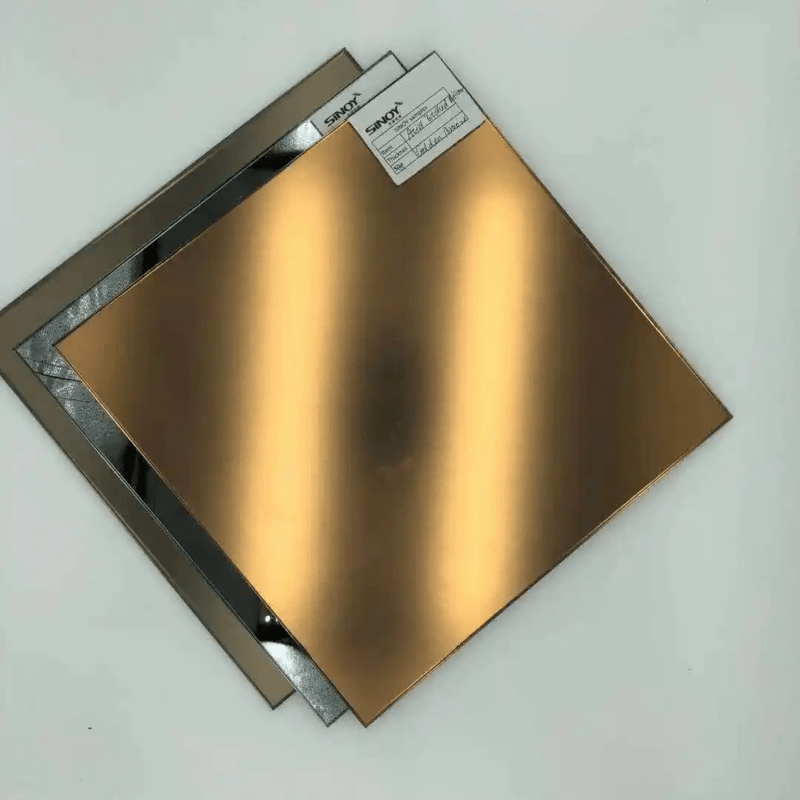
Architectural colored glass offers unlimited creative possibilities for designers and architects seeking to establish distinctive visual identities while maintaining functional performance standards that meet contemporary building requirements. The extensive color palette includes subtle earth tones, vibrant primary colors, sophisticated metallic finishes, and custom-matched hues that complement existing design elements or create striking contrasts that enhance architectural features and brand recognition opportunities. Manufacturing flexibility enables the production of gradient effects, pattern integration, and textural variations that transform standard glazing systems into dynamic artistic elements that change appearance throughout the day as lighting conditions shift and viewing angles vary. The material's compatibility with various architectural styles ranges from ultramodern minimalist designs to traditional heritage restoration projects, allowing seamless integration regardless of aesthetic preferences or historical preservation requirements that govern renovation and construction projects. Surface treatment options include frosted finishes for privacy applications, reflective coatings for contemporary commercial buildings, and anti-reflective treatments for museums and galleries where glare reduction is essential for optimal viewing experiences. The dimensional stability of architectural colored glass maintains precise tolerances and smooth surface characteristics that enhance visual appeal while providing consistent performance across large installations spanning multiple building facades or interior partition systems. Customization capabilities extend to thickness variations, lamination options, and structural configurations that accommodate specific load-bearing requirements while preserving color integrity and optical clarity throughout the material's operational lifespan.
Long-Term Durability and Maintenance Advantages

Long-Term Durability and Maintenance Advantages

Architectural colored glass demonstrates exceptional longevity through advanced manufacturing processes that create permanent color integration resistant to environmental degradation, chemical exposure, and physical wear that typically compromise conventional building materials over time. The molecular-level bonding between colorants and glass substrates ensures color stability for decades without fading, chalking, or discoloration that affects painted surfaces, vinyl materials, and fabric-based architectural elements requiring frequent replacement or restoration maintenance. Weather resistance capabilities include protection against acid rain, salt spray in coastal environments, extreme temperature cycles, and UV radiation exposure that exceeds levels encountered in most geographic regions and climate conditions worldwide. The non-porous surface characteristics prevent moisture absorption and bacterial growth while resisting staining from environmental contaminants, bird deposits, and urban pollution that create maintenance challenges for porous building materials requiring specialized cleaning procedures and protective treatments. Impact resistance properties meet or exceed safety glazing standards for commercial and residential applications, reducing liability concerns while providing security benefits through reduced visibility and potential break-in deterrence without compromising emergency egress requirements or natural light transmission. Cleaning maintenance requires only standard glass cleaning solutions and techniques, eliminating the need for specialized equipment, chemical treatments, or professional restoration services that increase operational costs for property management organizations. The scratch-resistant surface coatings maintain optical clarity and aesthetic appeal throughout normal building operations while withstanding contact with maintenance equipment, weather-related debris, and routine building activities that cause surface damage to softer materials requiring protective measures or frequent refinishing procedures.

Get a Free Quote

Our representative will contact you soon.
Email
Name
Company Name
Products
Message
0/1000
Newsletter
Contact Us