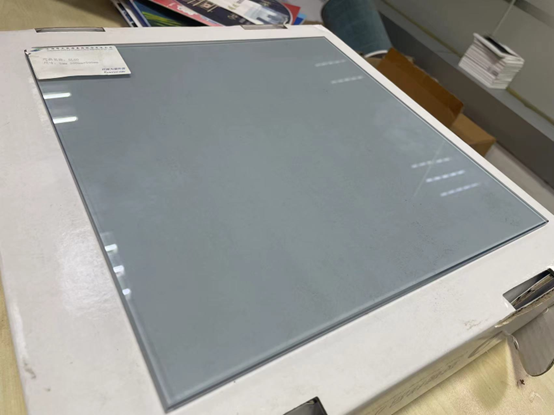
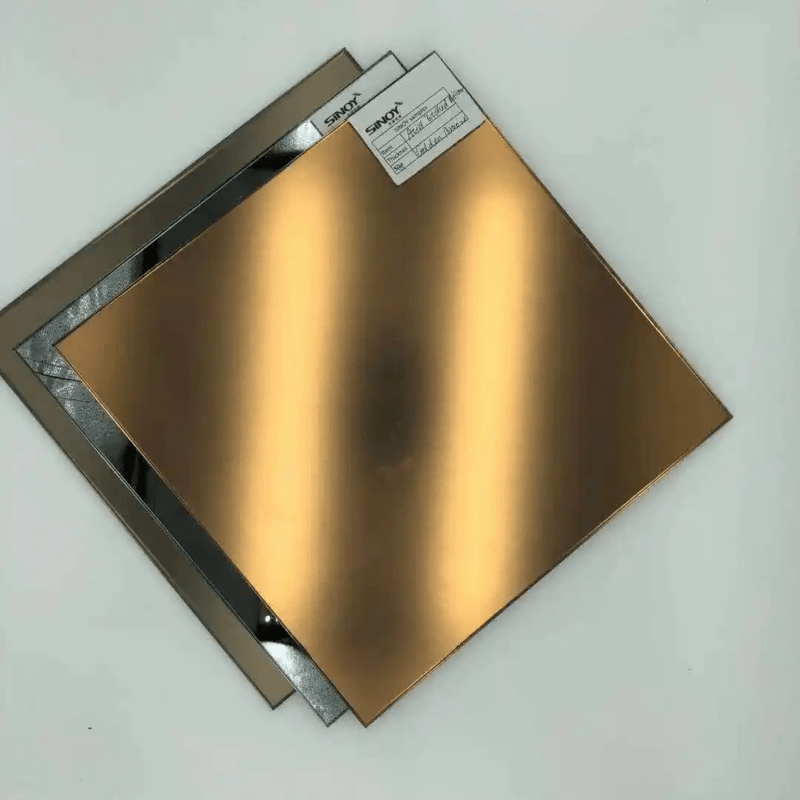
tempered bulletproof glass
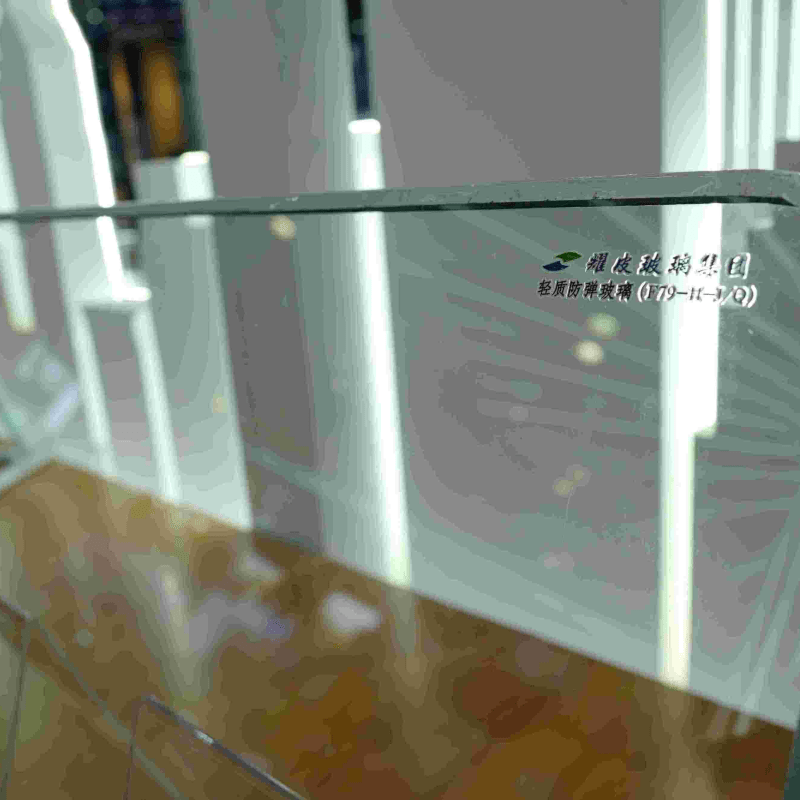
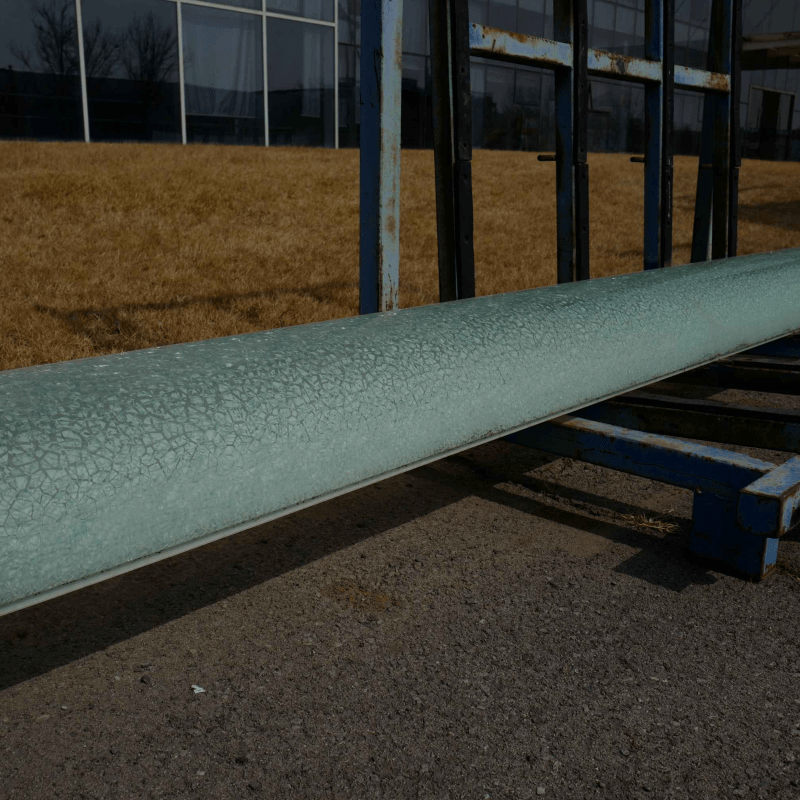
Tempered bulletproof glass represents a revolutionary advancement in protective glazing technology, combining the strength enhancement properties of thermal tempering with specialized ballistic resistance capabilities. This sophisticated security material undergoes a complex manufacturing process where glass sheets are heated to approximately 650 degrees Celsius and then rapidly cooled using controlled air jets, creating internal compressive stresses that dramatically increase structural integrity. The tempering process transforms ordinary glass into a material that is four to five times stronger than conventional glass, while the incorporation of multiple laminated layers and specialized interlayers provides exceptional bullet resistance. The technological features of tempered bulletproof glass include its multi-layered construction, typically consisting of alternating glass plies and polymer interlayers that work together to absorb and distribute impact energy. Advanced manufacturing techniques ensure consistent thickness, optical clarity, and structural uniformity throughout the entire panel. The glass maintains excellent transparency while offering varying levels of ballistic protection, from handgun rounds to high-powered rifle ammunition, depending on the specific configuration and thickness requirements. Primary functions of tempered bulletproof glass encompass comprehensive security protection for personnel and property, serving as a critical barrier against ballistic threats while maintaining visual access and natural lighting. Applications span across numerous industries and sectors, including financial institutions, government buildings, diplomatic facilities, military installations, armored vehicles, retail establishments, residential security, and commercial properties requiring enhanced protection. The material proves invaluable in high-risk environments where traditional security measures may be insufficient, providing reliable defense against criminal activities, terrorist attacks, and other security threats while preserving architectural aesthetics and functionality.

 EN
EN