Superior Thermal Insulation and Energy Efficiency
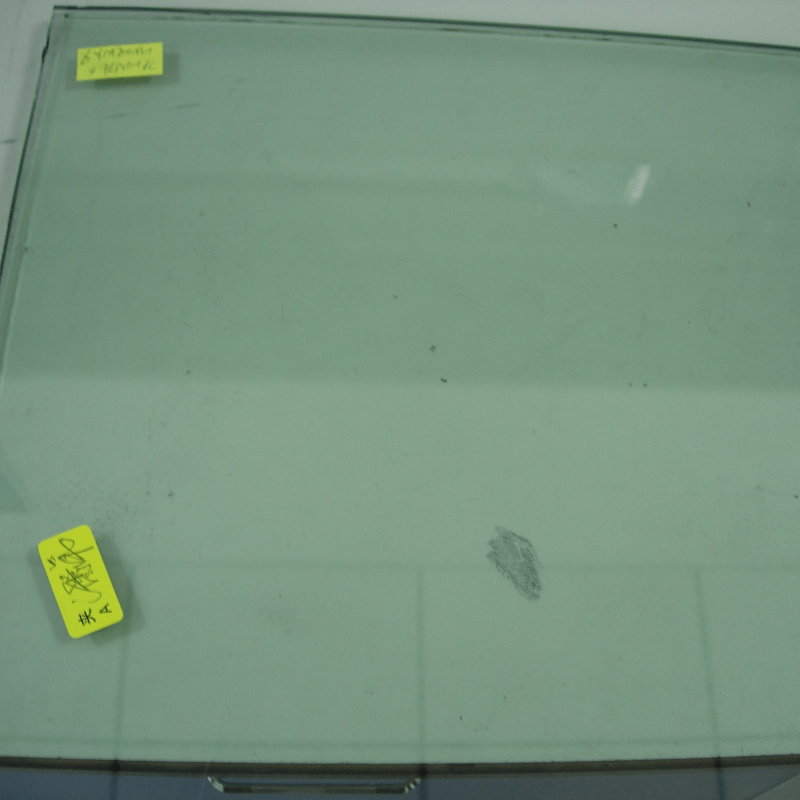
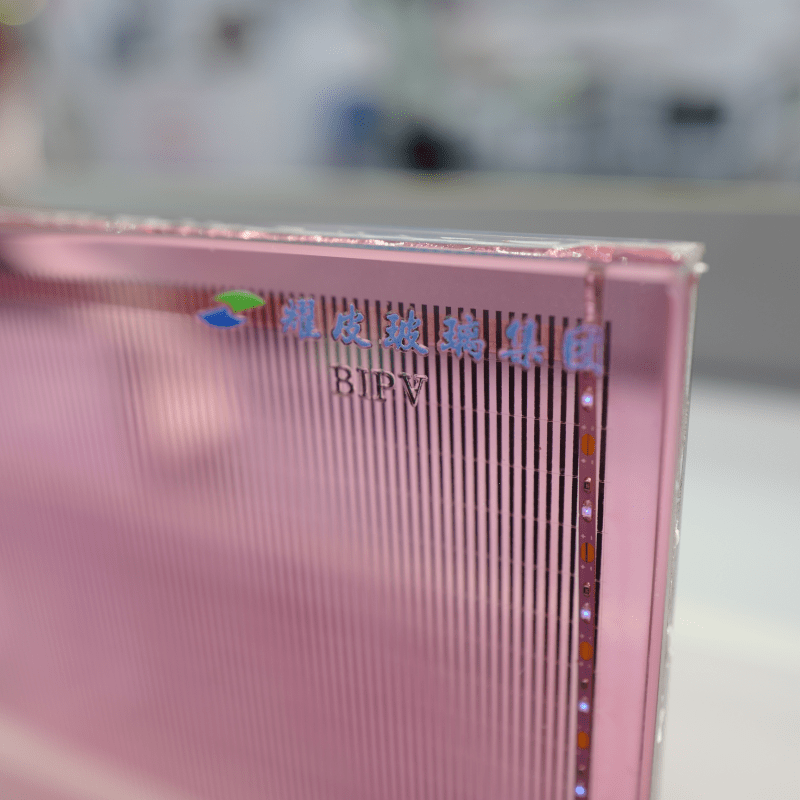
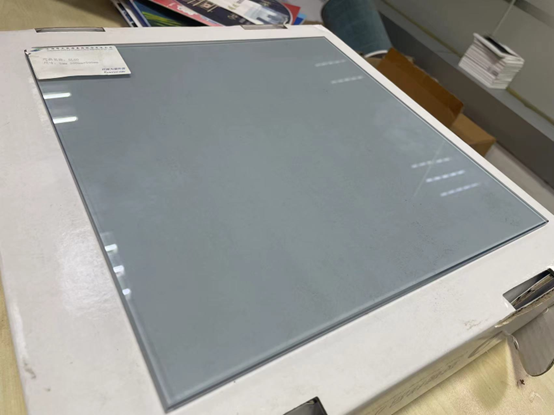
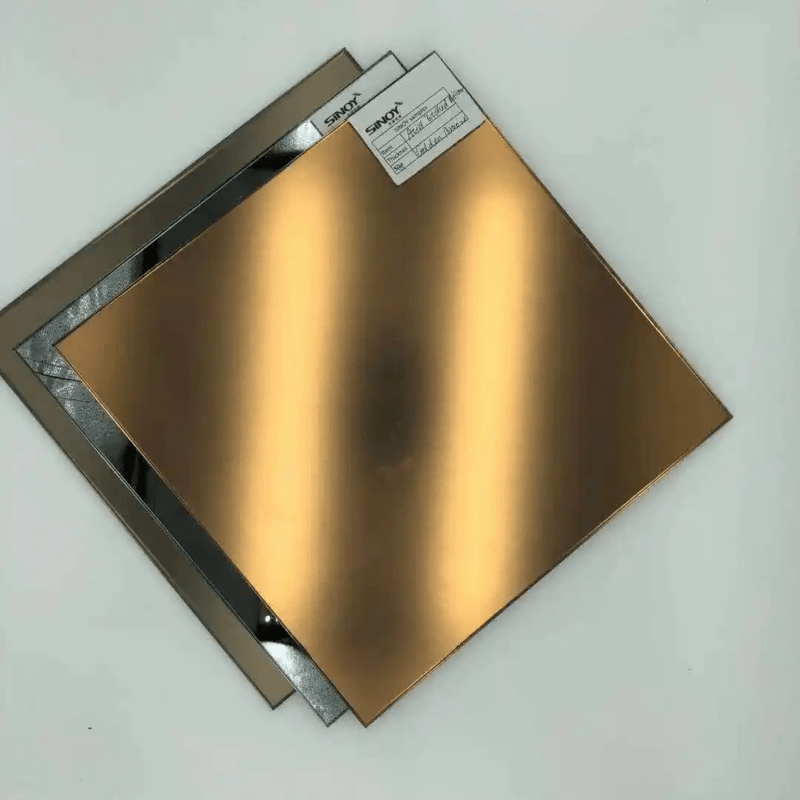
Fireproof glass windows excel in thermal insulation performance, delivering exceptional energy efficiency benefits that reduce operating costs while maintaining superior fire protection capabilities throughout their service life. The specialized construction incorporates advanced insulating materials between protective layers, creating thermal barriers that significantly outperform standard window installations in both heating and cooling applications. These windows feature low-emissivity coatings that reflect infrared radiation while allowing visible light transmission, maintaining comfortable indoor temperatures year-round without excessive energy consumption. The thermal performance characteristics result from careful engineering of air spaces and insulating materials within the window assembly, creating multiple barriers that prevent heat transfer through conduction, convection, and radiation mechanisms. Winter performance benefits include substantial reduction in heat loss through window surfaces, lowering heating system demands and reducing energy bills significantly compared to buildings with conventional windows. During summer months, fireproof glass windows prevent excessive solar heat gain while maintaining natural lighting levels, reducing air conditioning loads and improving indoor comfort conditions. The energy efficiency advantages extend beyond direct cost savings to include reduced carbon footprint and environmental impact, supporting sustainable building practices and green certification requirements. Professional energy audits consistently demonstrate that buildings equipped with fireproof glass windows achieve superior energy performance ratings compared to similar structures with standard glazing systems. The thermal insulation properties remain stable throughout the windows' lifespan, ensuring consistent energy efficiency benefits without degradation over time or exposure to weather conditions. Installation in commercial buildings typically results in measurable improvements in HVAC system efficiency, as the superior thermal performance reduces the workload on heating and cooling equipment. These energy efficiency benefits compound over time, providing substantial return on investment through reduced utility costs while maintaining the primary fire protection benefits that make these windows essential safety features.

 EN
EN