Seamless Architectural Integration
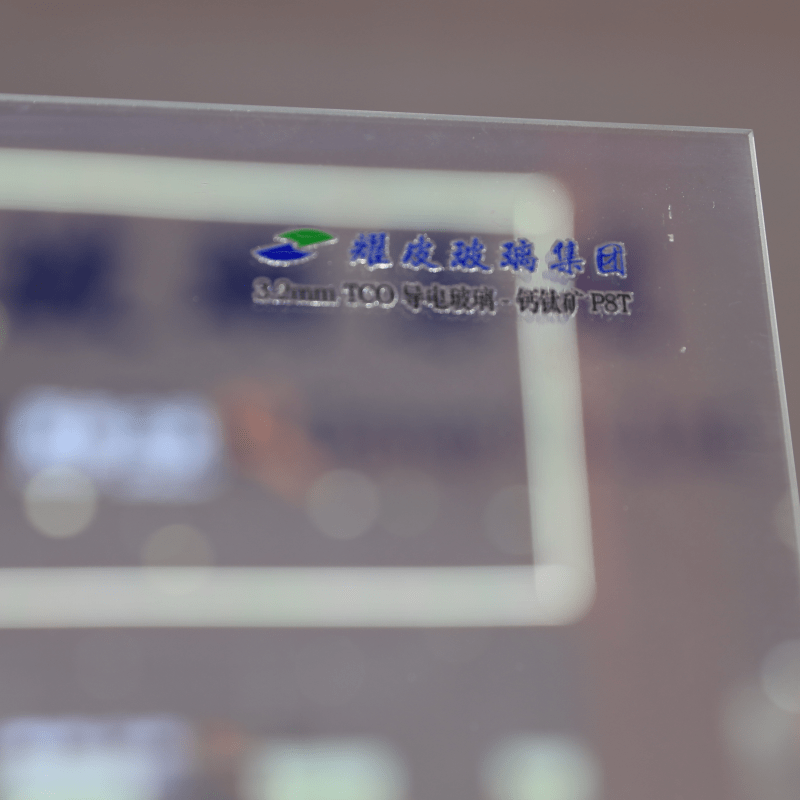
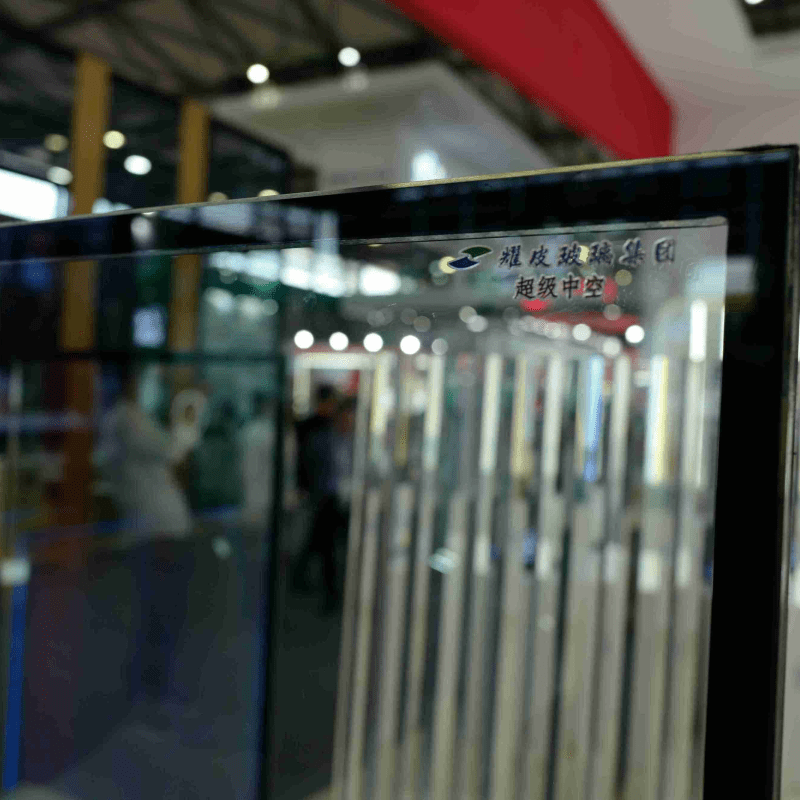
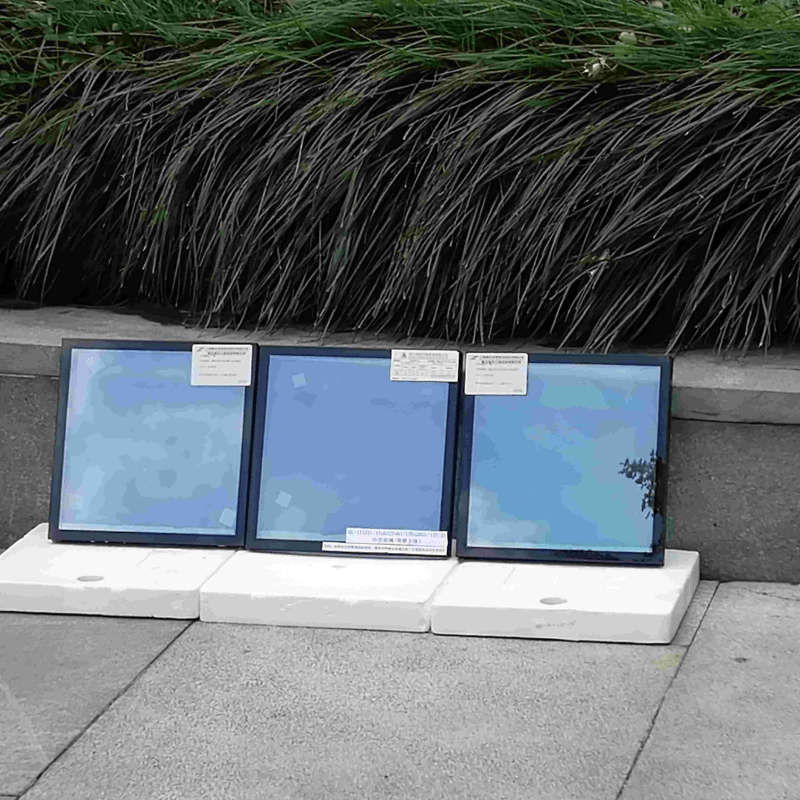
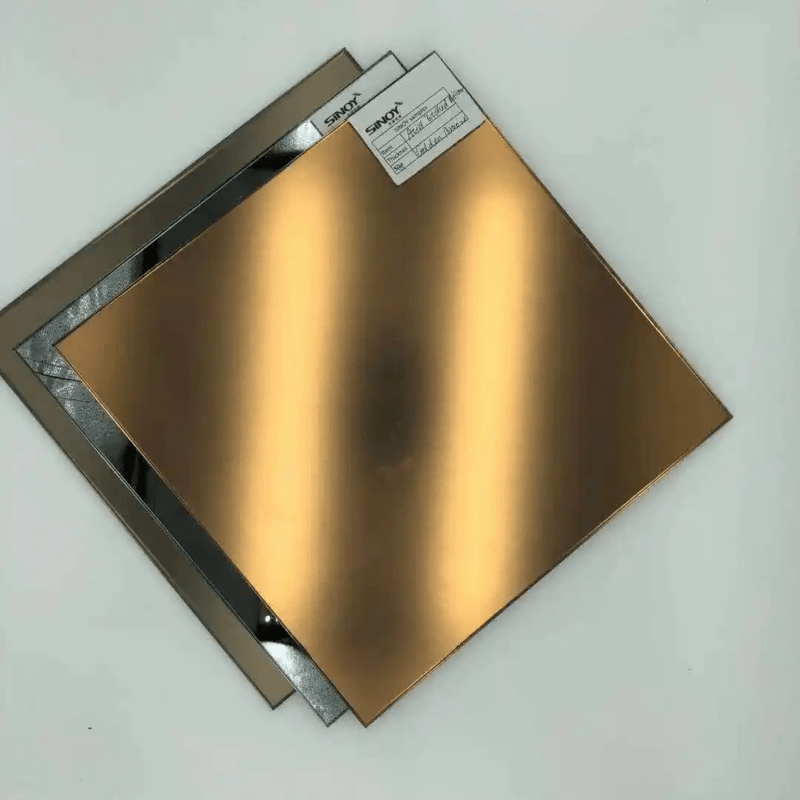
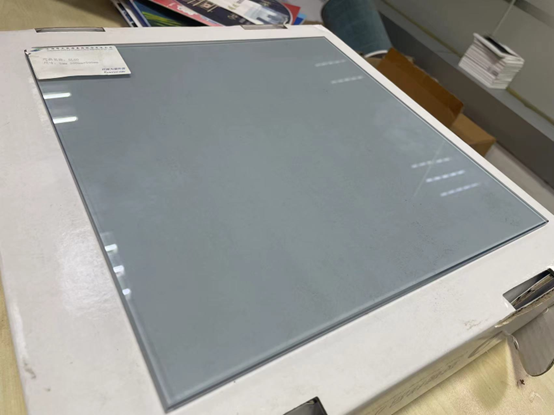
BIPV glass panels excel in architectural integration by replacing traditional glazing materials without compromising design aesthetics or functionality. This seamless incorporation allows architects and builders to maintain their creative vision while adding renewable energy generation capabilities to any structure. The panels offer varying levels of transparency, from completely clear to semi-transparent options, enabling designers to control natural light penetration while harvesting solar energy simultaneously. This flexibility proves invaluable in creating comfortable interior environments that balance illumination needs with privacy requirements. The manufacturing process allows for custom sizing and shapes, accommodating unique architectural features such as curved facades, angled installations, and irregular window configurations. Unlike bulky traditional solar panels that often appear as afterthoughts on building surfaces, BIPV glass panels integrate so naturally that they become virtually indistinguishable from conventional glazing systems. This invisible energy generation capability addresses common aesthetic objections to solar technology while maintaining full functionality. The panels support various installation methods including structural glazing, pressure plate systems, and curtain wall applications, providing architects with multiple design options. Color variations and surface treatments further enhance design flexibility, allowing these energy-generating surfaces to complement existing building materials and color schemes. The integration extends beyond visual appeal to include structural benefits, as BIPV glass panels provide the same load-bearing capabilities as traditional glazing while adding energy generation value. This dual functionality eliminates the need for separate structural modifications or reinforcements typically required for conventional solar installations. Building owners appreciate that renovations and new construction projects can incorporate renewable energy without altering original architectural plans or compromising structural integrity. The result is a harmonious blend of sustainable technology and architectural excellence that enhances rather than detracts from building aesthetics.

 EN
EN