
 EN

Architectural glass has become far more than a simple building material—it is now a strategic component that defines how buildings perform, look, and interact with their environment. As construction standards evolve and sustainability pressures mount in 2026, understanding what architectural glass is and why it matters has become essential for architects, builders, and facility managers. This material shapes the visual identity of modern structures while delivering measurable benefits in energy efficiency, safety, and occupant comfort.
The importance of architectural glass extends beyond aesthetics. Modern architectural glass serves dual purposes: it creates visual connections between interior and exterior spaces while providing thermal control, noise reduction, and structural integrity. Buildings designed with high-performance architectural glass report improved energy efficiency, reduced operational costs, and higher occupant satisfaction. Understanding the different types, specifications, and performance characteristics of architectural glass enables better decision-making in design and renovation projects.
Understanding Architectural Glass Fundamentals
Core Definition and Material Composition
Architectural glass refers to specialized glass products engineered specifically for building facades, windows, interior partitions, and structural elements. Unlike ordinary window glass, architectural glass meets strict performance codes and is designed to withstand environmental stresses, safety requirements, and aesthetic demands. The material composition varies depending on the application—architectural glass may be annealed, tempered, laminated, or coated with low-emissivity layers to optimize thermal and optical performance.
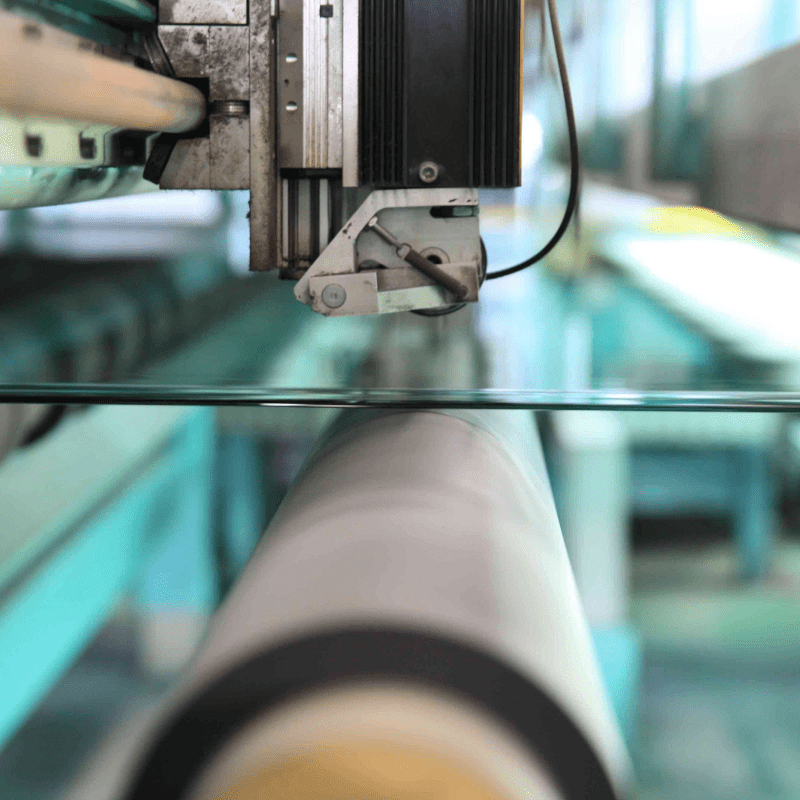
The manufacturing process for architectural glass involves precision control of thickness, clarity, and surface treatments. High-quality architectural glass maintains consistent transparency, color neutrality, and structural strength across large panels. This consistency ensures that facades maintain uniform appearance while delivering predictable performance characteristics. Modern architectural glass production incorporates advanced coating technologies that enhance energy efficiency without compromising light transmission or visual clarity.
Key Types and Classifications
Architectural glass comes in multiple classifications based on performance requirements. Tempered architectural glass offers superior safety characteristics, making it ideal for facades, glass doors, and overhead applications. Laminated architectural glass provides acoustic control and security by bonding multiple glass layers with interlayer material. Insulated architectural glass units combine multiple panes with spacers and inert gas fills to maximize thermal resistance. Low-emissivity coated architectural glass reduces heat transfer, significantly improving building energy efficiency year-round.
Why Architectural Glass Matters for Modern Construction
Energy Efficiency and Sustainability Impact
Energy efficiency represents one of the most compelling reasons why architectural glass matters in contemporary building design. Buildings with poorly performing glazing systems waste substantial energy heating and cooling interior spaces. High-performance architectural glass with low-emissivity coatings can reduce heat loss by up to 50% compared to conventional glazing. This performance translates directly into lower energy consumption, reduced operational costs, and smaller carbon footprints for building owners and operators.
The sustainability credentials of architectural glass continue improving as manufacturing processes become more efficient and recyclable content increases. Green building certification systems like LEED increasingly prioritize glazing performance when evaluating building submissions. Buildings that specify high-performance architectural glass achieve certification more readily and appeal to environmentally conscious tenants. The long-term cost savings from reduced energy consumption often exceed the initial investment in premium architectural glass products within five to eight years of operation.
Safety, Occupant Comfort, and Regulatory Compliance
Safety requirements drive much of the architectural glass specification process in commercial and residential construction. Building codes mandate tempered or laminated architectural glass in specific applications to prevent injury from falling fragments. Laminated architectural glass offers the added benefit of maintaining structural integrity even when compromised, keeping occupants safer during extreme weather or security incidents. These safety features of architectural glass are non-negotiable in modern construction and represent essential protection rather than optional upgrades.
Occupant comfort directly correlates with architectural glass performance characteristics. Glass with superior thermal properties maintains more consistent interior temperatures, reducing uncomfortable cold spots near windows during winter. Acoustic-performance architectural glass installed in urban locations substantially reduces exterior noise transmission, creating quieter interior environments. Natural light transmission through quality architectural glass improves occupant well-being, productivity, and connection to outdoor environments. These comfort factors increasingly influence tenant decisions when choosing office and residential spaces.
Strategic Applications and Design Considerations
Facade Systems and Structural Integration
Modern architecture relies on architectural glass as a primary facade material, often serving both aesthetic and structural functions. Glass curtain wall systems employ architectural glass panels that span multiple floors, creating dramatic visual effects while managing weather exposure and thermal performance. The structural reliability of architectural glass has improved dramatically, allowing architects to design increasingly transparent buildings without compromising safety or performance. Advanced framing systems now integrate architectural glass as load-bearing or semi-structural elements, opening new design possibilities.
Interior applications of architectural glass have expanded significantly, creating open-plan offices with improved sightlines and visual connectivity. Frameless glass partitions using structural architectural glass create spatial definition without blocking natural light distribution. These interior applications demonstrate why architectural glass matters beyond exterior facades—it fundamentally reshapes how building interiors function and feel. Proper specification ensures that interior architectural glass performs safely and maintains acoustic separation between spaces as required.
Performance Metrics and Long-Term Value
Building owners and developers increasingly evaluate architectural glass based on measurable performance metrics rather than initial cost alone. Thermal transmittance values, solar heat gain coefficients, and visible light transmission ratings provide objective comparisons between architectural glass products. Advanced specifications like triple-glazed architectural glass with argon fills deliver superior performance in extreme climates, justifying premium pricing through operational savings. Understanding these performance metrics enables informed decisions that optimize long-term building value and operating efficiency.
The lifecycle cost analysis of architectural glass installations reveals that higher-performance options often provide superior total cost of ownership. Premium architectural glass reduces maintenance costs, extends component life, and maintains marketable asset value. Buildings with high-quality architectural glass command rental premiums and resale values that reflect their operational efficiency and occupant comfort advantages. This value proposition continues strengthening as energy costs rise and sustainability expectations increase throughout the real estate market.
FAQ
What distinguishes architectural glass from standard window glass?
Architectural glass is manufactured to stricter performance standards and specifications than standard window glass, incorporating specialized treatments like tempering, lamination, and low-emissivity coatings. Standard window glass typically serves basic light transmission and weather protection, while architectural glass is engineered for demanding applications requiring superior safety, thermal performance, and durability. Architectural glass undergoes rigorous testing to verify compliance with building codes and performance ratings, whereas standard glass may have minimal certification.
How does architectural glass contribute to building sustainability?
High-performance architectural glass reduces building energy consumption by minimizing heat loss during winter and heat gain during summer, resulting in lower operational carbon emissions. Architectural glass with optimized solar heat gain coefficients and U-values directly reduces HVAC demands and associated energy costs. Many architectural glass products incorporate recycled content, and the material itself is infinitely recyclable without performance degradation. These environmental benefits make architectural glass a strategic component of sustainable building design and green certification achievement.
What factors should drive architectural glass selection decisions?
Architectural glass selection should begin with building location, climate conditions, and intended occupancy type, as these factors determine performance requirements. Thermal performance needs, acoustic isolation requirements, and safety code compliance must guide architectural glass specifications before aesthetic preferences are considered. Budget constraints must balance initial investment against long-term operational savings from superior architectural glass performance. Professional consultation with architects, engineers, and glazing specialists ensures that architectural glass selections optimize performance, safety, compliance, and long-term building value simultaneously.