
 EN

Architectural glass has become a fundamental element in contemporary construction, reshaping how buildings are designed, function, and interact with their environments. Modern structures increasingly rely on advanced architectural glass solutions to achieve aesthetic excellence while meeting stringent performance requirements. This transformation extends far beyond simple window installation, encompassing smart glazing systems, thermal control, natural light optimization, and structural innovation that fundamentally change how buildings serve occupants and communities.
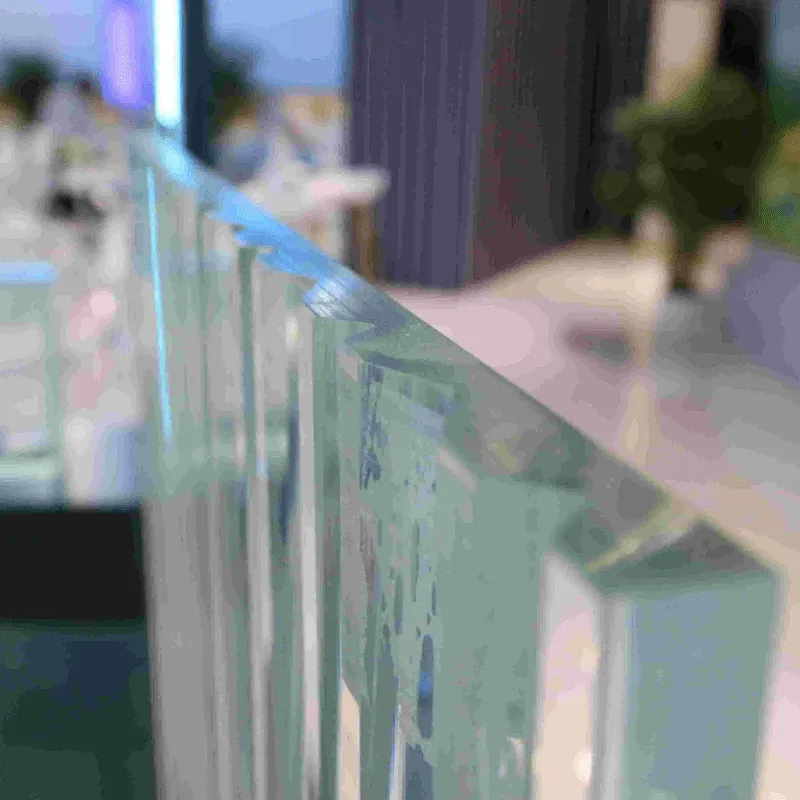
The evolution of architectural glass technology has fundamentally altered the design possibilities available to architects and engineers. Today's architectural glass goes far beyond transparency, offering sophisticated performance characteristics that directly impact building efficiency, occupant comfort, and environmental sustainability. Understanding how architectural glass transforms design requires examining its role across aesthetic, functional, and performance dimensions that collectively define modern construction standards.
Aesthetic and Design Transformation Through Architectural Glass
Creating Visual Impact and Spatial Openness
Architectural glass enables designers to create striking visual aesthetics that were previously impossible with traditional building materials. Floor-to-ceiling glazing, curved glass elements, and transparent structural components define the contemporary skyline while maintaining functional integrity. Modern architectural glass allows buildings to dissolve visual barriers between interior and exterior spaces, creating a sense of openness and connection that enhances user experience and property value.
Light Management and Biophilic Design
The strategic use of architectural glass supports biophilic design principles by maximizing natural light penetration while controlling glare and thermal gain. Advanced architectural glass products with selective coating technologies allow designers to fine-tune light transmission characteristics for specific building orientations and use cases. This capability transforms how daylight becomes an active design element rather than a passive environmental factor, improving occupant well-being and reducing artificial lighting demands in professional and residential spaces.
Performance Innovation and Energy Efficiency
Thermal Control and Climate Regulation
Modern architectural glass has revolutionized building envelope performance through advanced thermal management capabilities. Low-emissivity coatings, multiple glazing layers, and strategic air gaps create insulating barriers that maintain interior comfort while reducing heating and cooling system demands. Architectural glass engineered for thermal performance directly lowers operational costs, reduces carbon emissions, and creates consistent indoor temperatures across diverse seasonal conditions and geographic climates.
Acoustic Performance and Environmental Integration
Contemporary architectural glass systems address acoustic challenges that plague urban environments and noise-sensitive applications. Laminated architectural glass, specialized interlayers, and strategic glazing configurations effectively attenuate external sound transmission while maintaining visual transparency. This advancement allows buildings to maintain open, connected interior environments without compromising acoustic comfort, making architectural glass essential for high-rise construction, airport facilities, and urban institutional applications where sound control directly impacts operational viability.
Smart Technology Integration and Future-Ready Design
Dynamic Glass and Responsive Building Systems
The intersection of architectural glass and smart technology enables buildings to respond dynamically to environmental conditions and occupant preferences. Electrochromic and photochromic architectural glass systems automatically adjust transparency based on solar intensity, interior temperature, or user control, optimizing natural light benefits while minimizing thermal stress. This responsive capability transforms architectural glass from a static building component into an active participant in building performance optimization, supporting both occupant comfort and energy conservation objectives.
Structural Innovation and Material Science Advancement
Modern architectural glass continues to expand structural possibilities through innovations in lamination, tempered processing, and composite construction techniques. Structural architectural glass systems now support load-bearing functions, enable longer clear spans, and facilitate innovative structural expressions that redefine building form and functionality. These advances in architectural glass technology enable architects to express design intent more fully while maintaining safety, durability, and performance standards that protect occupants and ensure long-term building viability across diverse application scenarios.
FAQ
What distinguishes modern architectural glass from standard window glass?
Modern architectural glass incorporates advanced coatings, specialized interlayers, multiple glazing chambers, and performance-engineered properties that standard window glass does not provide. Architectural glass is specifically designed to address thermal control, acoustic performance, structural requirements, and safety specifications that contemporary buildings demand, making it fundamentally different from basic glazing materials.
How does architectural glass contribute to sustainable building certification?
Architectural glass plays a critical role in achieving energy performance benchmarks required for green building certifications like LEED and BREEAM. Its thermal efficiency reduces operational energy consumption, while optimized daylighting minimizes artificial lighting requirements and supports occupant well-being metrics that certification programs prioritize. Advanced architectural glass directly impacts both environmental performance and human-centered design criteria that sustainable building frameworks emphasize.
Can architectural glass be retrofit into existing buildings?
Yes, architectural glass can often be retrofit into existing buildings to upgrade performance, though structural, installation, and financial considerations vary by specific building conditions. Modern architectural glass retrofit projects commonly improve thermal efficiency, reduce operational costs, and enhance aesthetic appeal while preserving existing structural elements and maintaining building continuity throughout renovation processes.