
 EN
EN
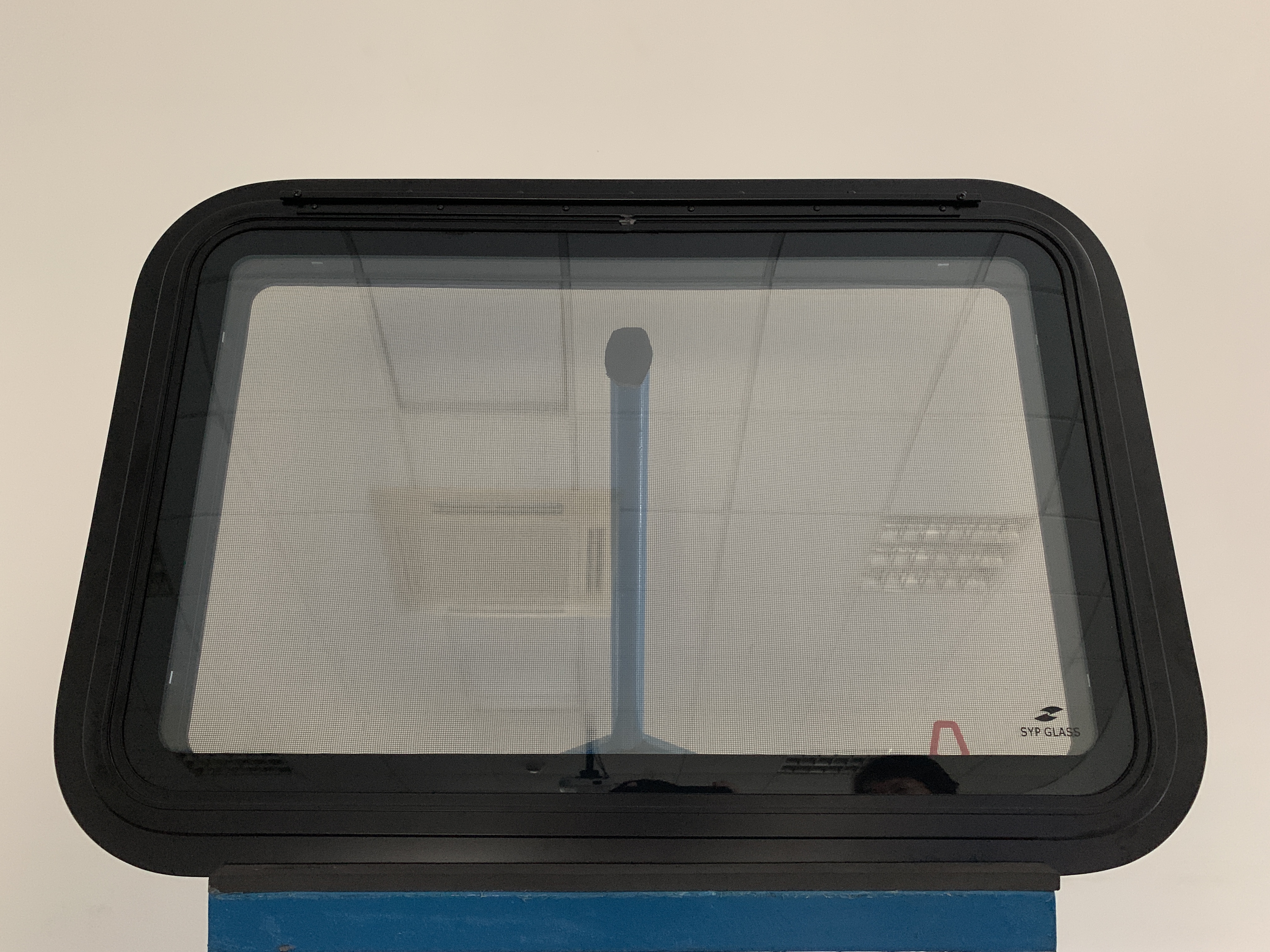
Power glass represents a significant advancement in building envelope technology, combining sophisticated coatings and materials science to deliver superior thermal performance and energy efficiency. As industries and commercial buildings increasingly prioritize sustainability and operational cost reduction, understanding power glass has become essential for architects, engineers, and facility managers. This innovative material transforms how buildings manage heat transfer, solar radiation, and visible light transmission, directly impacting energy consumption and occupant comfort. Power glass technology continues to evolve, with 2026 marking a pivotal year for widespread adoption across residential, commercial, and industrial applications.
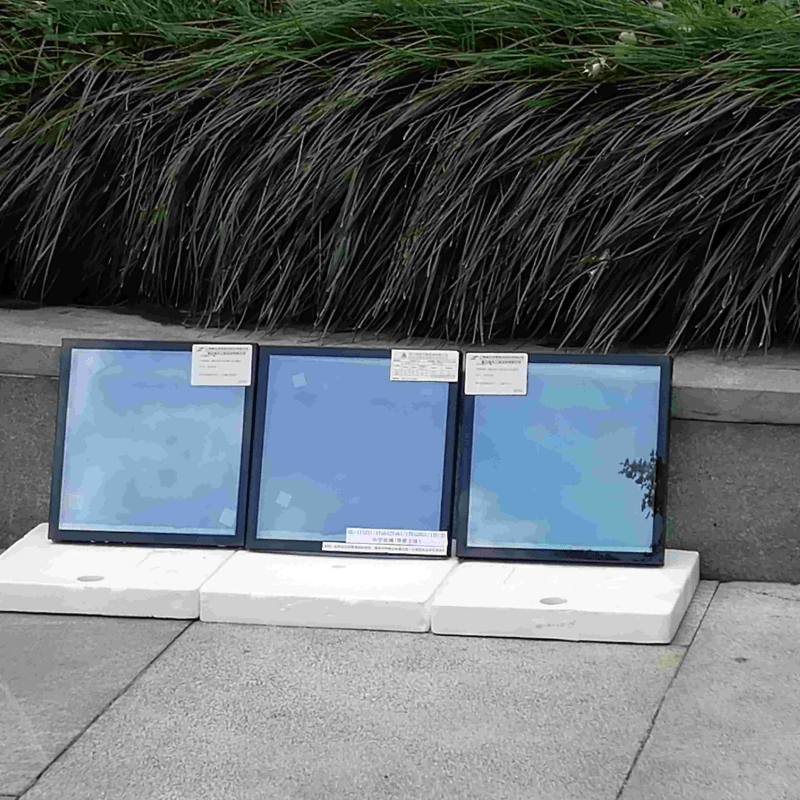
Power glass fundamentally differs from conventional window glass through its engineered coating systems and material composition. Traditional single-pane or even double-pane windows allow significant heat transfer through conduction, convection, and radiation. Power glass, by contrast, incorporates low-emissivity coatings and specialized gas fills that dramatically reduce thermal transmittance while optimizing visible light transmission. The result is a high-performance glazing product that maintains clear views while delivering measurable energy savings and improved indoor temperature stability year-round.
Understanding Power Glass Technology and Composition
Core Material Structure of Power Glass
Power glass consists of multiple layers engineered to work synergistically. At its foundation lies high-quality float glass, typically 3–6mm thick, selected for optical clarity and structural integrity. The transformative element of power glass is its advanced coating systems, most commonly low-emissivity (low-E) coatings applied during or after manufacturing. These coatings are microscopically thin metallic oxide or silver-based layers that selectively reflect infrared radiation while allowing visible light to pass through. Power glass often features double or triple glazing configurations, with inert gases such as argon or krypton filling the cavities between panes to further suppress heat transfer. This layered approach makes power glass one of the most effective thermal barriers in modern construction.
Low-Emissivity Coating Function
The low-emissivity coating is the defining feature that distinguishes power glass from standard glazing. Emissivity measures a surface's ability to emit infrared radiation; high-emissivity materials lose heat rapidly through thermal radiation. Power glass' low-E coating reflects up to 90% of infrared radiation back into the building during winter, preventing valuable interior heat from escaping. During summer months, certain power glass configurations reflect solar heat outward, reducing air conditioning demand. Different power glass variants are optimized for heating-dominated or cooling-dominated climates, allowing designers to specify the product most suited to local weather patterns. This thermal control capability is what makes power glass truly 'powerful' in reducing energy consumption across seasons.
How Power Glass Works Within Building Systems
Thermal Performance and Heat Transfer Reduction
Power glass operates through three fundamental physics principles: conduction, convection, and radiation. Conduction occurs when heat travels directly through a material; power glass reduces this by using low-conductivity glass types and insulating gas fills. Convection happens when air currents between panes transfer heat; inert gas fills in power glass cavities minimize convection currents. Radiation is infrared heat emission; this is where power glass delivers its greatest advantage through low-E coatings that reflect thermal radiation. By addressing all three heat transfer mechanisms simultaneously, power glass achieves U-values (thermal transmittance) as low as 0.15 W/m²K, compared to 5.0–6.0 W/m²K for single-pane windows. This dramatic improvement means buildings lose far less conditioned air through glazed surfaces, directly lowering heating and cooling system runtime and energy bills.
Solar Gain Control and Visible Light Transmission
Power glass manages solar radiation through selective wavelength transmission. Solar heat includes both visible light and infrared radiation; power glass coatings are engineered to allow beneficial visible light through while blocking excessive infrared. During winter, this passive solar gain supplements interior heating, reducing furnace demands. During summer, exterior-mounted power glass reflects solar radiation before it enters the building, keeping interior spaces cooler without sacrificing daylighting. The solar heat gain coefficient (SHGC) of power glass typically ranges from 0.20 to 0.50, depending on the specific coating formulation. Visible light transmittance (VLT) remains high, typically 70–85%, preserving the aesthetic quality and occupant access to natural daylight. This balance between thermal control and visual comfort is a hallmark of well-designed power glass.
Applications and Real-World Implementation of Power Glass
Commercial and Institutional Building Integration
Power glass has become standard specification in energy-conscious commercial design. Large office buildings, hospitals, universities, and government facilities adopt power glass to meet energy code compliance and achieve green building certifications such as LEED or Passive House standards. Curtain wall systems increasingly incorporate power glass to reduce the thermal penalty of extensive glazing in modern architectural designs. Data centers and server facilities use power glass to balance occupant comfort in administrative areas while maintaining thermal efficiency. In institutional settings, power glass reduces lifetime operating costs, freeing capital for program delivery rather than utility bills. The payback period for power glass retrofits in existing buildings typically ranges from 5–12 years, making it financially attractive alongside environmental benefits.
Residential Applications and Climate Adaptation
Residential construction increasingly specifies power glass for new homes and renovation projects. In cold climates, power glass with high insulation ratings minimizes winter heat loss and condensation on interior surfaces, improving occupant comfort and reducing mold risk. In warm climates, power glass with lower solar gain ratings keeps interior temperatures moderate without excessive air conditioning, particularly beneficial in regions with peak electricity demand charges. Residential power glass applications extend beyond windows to include glass doors, skylights, and conservatories, creating thermally consistent building envelopes. Homeowners report noticeably quieter interiors with power glass, as the multiple sealed layers also provide acoustic insulation. This combination of thermal, acoustic, and aesthetic benefits drives residential adoption of power glass across diverse geographic markets.
FAQ
What is the typical cost difference between power glass and standard windows?
Power glass typically costs 30–60% more than conventional double-pane windows at purchase, but this premium is rapidly recovered through reduced heating and cooling expenses. A well-specified power glass installation in a commercial building can save 15–25% of annual energy costs compared to standard glazing. The energy payback period for power glass in most climates is 5–15 years, after which the building owner enjoys pure operational savings. Over a 30-year building lifecycle, power glass delivers superior return on investment compared to standard alternatives.
Can power glass be retrofitted into existing window frames?
Yes, power glass can be retrofitted into many existing window frames, though structural compatibility must be verified first. Some older frames may require reinforcement due to the additional weight of triple-glazed power glass units. Professional assessment by a glazing contractor is essential before retrofitting, as frame condition, dimension tolerances, and thermal stress compatibility affect feasibility. Retrofit power glass installations are increasingly popular in heritage buildings and older commercial properties seeking energy efficiency without complete facade replacement.
How long does power glass maintain its performance?
Quality power glass maintains its thermal and optical performance for 20–30 years under normal building conditions. The low-E coating is sealed within the glass unit and protected from environmental degradation, giving it exceptional durability. Manufacturer warranties on power glass typically cover 10–15 years of defects, with gradual performance decline becoming noticeable only after 25+ years. Proper installation, regular cleaning, and weather seal maintenance ensure power glass continues delivering designed performance throughout its lifespan.