
 EN
EN

When most drivers think about vehicle safety, they picture airbags, seatbelts, or antilock brakes. Yet one of the most critical protective elements on any vehicle is the autoglass surrounding the cabin. Autoglass is not simply a transparent barrier that keeps wind and rain out — it is a precisely engineered safety component that plays an active role in protecting both the driver and passengers during everyday driving and in the event of a collision. Understanding what autoglass actually is and how it functions can help car owners make smarter decisions about maintenance, replacement, and long-term vehicle safety.
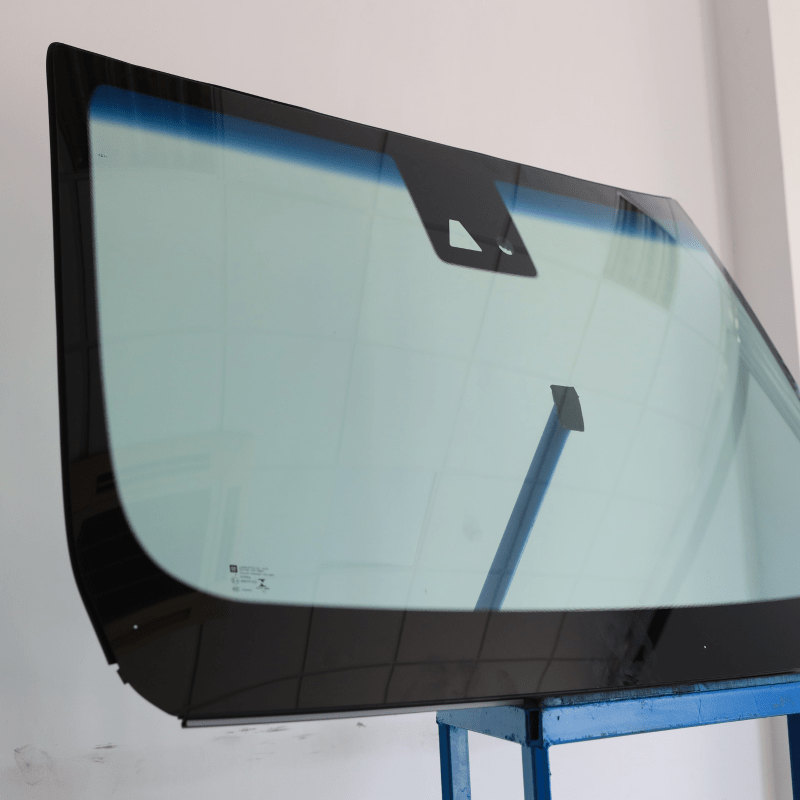
Autoglass refers to the specialized glass used in motor vehicles, including windshields, side windows, rear windows, and sunroof panels. Unlike standard architectural glass, autoglass is manufactured to strict safety and performance standards that account for impact resistance, optical clarity, structural integrity, and compatibility with modern driver-assistance systems. Every piece of autoglass in a vehicle is designed to fulfill a specific protective function, and its condition directly influences how well those functions are performed. This article explains what autoglass is made of, how it is classified, and exactly how it contributes to protecting your car and everyone inside it.
The Definition and Composition of Autoglass
What Autoglass Actually Means
The term autoglass broadly describes all glazing components installed in a motor vehicle. This includes the front windshield, rear window, door glass, quarter glass, and any panoramic or sunroof panels. Each of these autoglass components is engineered with specific material properties that differ depending on where it sits in the vehicle and what role it plays. While they may look similar from a distance, the glass in your front windshield is fundamentally different in construction from the glass in your side windows.
Autoglass is produced through highly controlled industrial processes that result in glass capable of withstanding significant mechanical stress, temperature variation, and impact without posing a danger to occupants. The science behind autoglass production has evolved considerably over the past several decades, with modern versions incorporating acoustic dampening layers, ultraviolet filtering coatings, and embedded electrical elements. These additions allow autoglass to serve multiple functions beyond simple visibility.
Laminated Glass Versus Tempered Glass
There are two primary types of autoglass used in vehicles today: laminated glass and tempered glass. Laminated autoglass is most commonly used for windshields. It consists of two layers of glass bonded together with a polyvinyl butyral interlayer sandwiched between them. This construction means that when laminated autoglass is struck or broken, it holds together rather than shattering into fragments. The interlayer absorbs and distributes the energy of an impact, and the glass retains its general shape even when severely cracked.
Tempered autoglass, on the other hand, is produced by heating standard glass to very high temperatures and then rapidly cooling it. This process creates a glass that is significantly stronger than untreated glass and that, when it does break, shatters into small rounded pebbles rather than sharp shards. Tempered autoglass is typically used in side and rear windows, where the priority is preventing occupant injury from sharp glass edges rather than maintaining structural integrity after a break. Both types of autoglass are essential to a complete vehicle safety system, and each performs its protective role in a distinct way.
How Autoglass Protects the Structural Integrity of Your Vehicle
Autoglass as a Load-Bearing Component
Many drivers are unaware that autoglass, particularly the front windshield, contributes substantially to the structural rigidity of the vehicle. In modern car design, the windshield is bonded to the vehicle frame using high-strength urethane adhesives that make it an integrated part of the body structure. In a rollover accident, a properly installed and intact windshield can support a significant portion of the roof load, preventing the roof from collapsing into the passenger cabin. Industry safety testing has consistently demonstrated that vehicles with intact autoglass perform better in roof crush scenarios than those with damaged or improperly installed glass.
This structural contribution means that a cracked or improperly bonded windshield is not just a visibility problem — it is a structural vulnerability. When autoglass is compromised, the entire safety architecture of the vehicle is weakened. Even a small crack near the edge of the windshield can reduce the glass's load-bearing capacity considerably. This is one of the key reasons why autoglass replacement and repair should always be treated as a safety priority rather than a cosmetic concern.
Airbag Deployment and Autoglass
Autoglass also plays a direct role in the proper deployment of airbag systems. The passenger-side airbag, in particular, is designed to inflate outward and then rebound off the windshield before cushioning the front passenger. If the windshield is not properly bonded or is already damaged, it may not withstand the force of airbag deployment, potentially blowing out or deforming in ways that redirect the airbag away from the passenger. This means that compromised autoglass can render a critical safety system ineffective precisely when it is needed most.
This interaction between autoglass and airbag systems is a relatively recent safety consideration that has become increasingly important as passive safety systems have grown more sophisticated. Modern autoglass is specified and installed with airbag deployment dynamics in mind, and the adhesive bonding process used during installation is carefully calibrated to ensure the glass can withstand these forces. It is another reason why professional-grade autoglass installation is not optional — it is a foundational element of vehicle safety engineering.
How Autoglass Protects Occupants from Environmental Hazards
Impact and Road Debris Protection
One of the most visible protective roles of autoglass is shielding occupants from road debris, insects, dust, and projectiles encountered during normal driving. At highway speeds, small stones or gravel kicked up by other vehicles can strike a windshield with considerable force. The laminated construction of front autoglass is specifically designed to absorb these impacts without allowing penetration, preserving the barrier between the vehicle interior and the outside environment.
Autoglass also protects against more extreme projectile events, including road accidents where debris from other vehicles or infrastructure becomes airborne. The energy-absorbing interlayer in laminated autoglass distributes impact forces across a wider area, reducing the likelihood of full penetration even when the glass is visibly damaged. This is a passive but constant protective function that drivers benefit from on every journey, often without even recognizing the role autoglass is silently playing.
UV Radiation Filtering and Interior Protection
Modern autoglass is typically manufactured with integrated ultraviolet filtering properties. The PVB interlayer in laminated autoglass naturally blocks most UV-A and UV-B radiation from passing through the windshield. This protects both the vehicle occupants and the interior materials of the car. Prolonged UV exposure can cause skin damage over time for drivers who spend significant hours behind the wheel, and it accelerates the degradation of dashboard materials, upholstery, and trim. Autoglass engineered with UV-blocking properties addresses both concerns simultaneously.
Some premium autoglass products incorporate additional solar control coatings or tinted interlayers that reduce infrared heat transmission alongside UV filtering. This keeps cabin temperatures lower on sunny days and reduces the load on the vehicle's air conditioning system. While these thermal benefits are a comfort feature, they also contribute to driver focus and alertness by preventing excessive heat buildup during long drives. The protective function of autoglass therefore extends beyond physical safety into occupant well-being.
Autoglass and Modern Driver Assistance Technologies
Sensor and Camera Integration
As vehicles have become increasingly reliant on advanced driver assistance systems, the role of autoglass has expanded significantly. Many modern vehicles mount forward-facing cameras, rain sensors, heads-up display projection zones, and LiDAR systems directly within or adjacent to the windshield. The optical properties of autoglass in these zones must meet precise specifications to avoid distortion, interference, or signal degradation that would impair the performance of these systems.
When autoglass is replaced in a vehicle equipped with these technologies, calibration of the associated sensors is often required. This is a technical process that ensures the camera or sensor reads correctly through the new autoglass and that the safety systems relying on that data function as intended. Using incorrect or substandard autoglass in vehicles with ADAS features can result in systems like lane departure warning, automatic emergency braking, or adaptive cruise control operating inaccurately — a serious safety concern that underscores the importance of specification-matched autoglass replacement.
Heads-Up Display Compatibility
Vehicles equipped with heads-up display systems project speed, navigation, and safety alert information directly onto the windshield for the driver to view without looking away from the road. This requires autoglass with a specially engineered wedge-shaped interlayer that prevents the double-image effect caused when a projected image reflects off both surfaces of the glass. Standard autoglass without this wedge interlayer cannot be used in HUD-equipped vehicles without creating a distracting optical artifact that compromises the system's utility.
This compatibility requirement illustrates how tightly modern autoglass is integrated with vehicle technology. It is not a passive component that can be swapped out with any equivalent glazing — it is a precision part that must match the vehicle's engineering specifications. The growing number of vehicles incorporating HUD technology means that autoglass specification accuracy is becoming more important for workshops and fleet managers across the industry.
Recognizing When Autoglass Needs Attention
Damage That Requires Immediate Action
Not all autoglass damage is immediately obvious, but certain types of damage warrant prompt attention due to their structural or safety implications. Cracks that extend from one edge of the windshield to another, or that pass through the driver's primary line of sight, compromise both visibility and the load-bearing function of the autoglass. Similarly, any damage near the windshield's bonded perimeter should be assessed quickly, as edge cracks can propagate rapidly with temperature changes or vehicle vibration and undermine the adhesive bond.
Chips that appear small on the surface may hide deeper damage within the laminate layers that is invisible to the naked eye. Autoglass professionals use specialized tools to assess the depth and extent of chips before deciding whether repair is viable or whether full replacement is necessary. Acting early when damage is first noticed gives the best chance of a successful repair and avoids the safety and cost implications of a full windshield replacement.
Environmental and Aging Factors
Autoglass can also degrade over time due to environmental exposure even in the absence of obvious impact damage. Prolonged exposure to harsh sunlight, temperature cycling between hot and cold conditions, and exposure to chemical cleaners or contaminants can gradually affect the optical clarity, interlayer adhesion, and surface hardness of autoglass. Hazing, delamination bubbles, or a persistent yellowing tint at the edges are signs that autoglass is aging and may need replacement.
In regions with significant temperature variation between seasons, thermal stress is a common cause of autoglass failure. Pre-existing chips or micro-cracks that have been left untreated are particularly vulnerable to expanding during rapid temperature changes. Using hot water to de-ice a windshield, for example, can cause existing damage to propagate instantly. Understanding these environmental factors helps car owners take better preventative care of their autoglass and respond appropriately when early warning signs appear.
FAQ
Is autoglass in a windshield different from regular glass?
Yes, autoglass used in windshields is laminated safety glass, which consists of two layers of glass with a polyvinyl butyral interlayer bonded between them. This construction prevents the glass from shattering into dangerous shards on impact and allows the windshield to maintain its structural shape even when cracked. Regular glass does not have this interlayer and would fragment dangerously under similar conditions, making it entirely unsuitable for vehicle use.
Can a small chip in autoglass be repaired, or does the whole windshield need replacing?
Small chips in autoglass can often be repaired using a resin injection process if the damage is within certain size limits and is not in the driver's direct line of sight or near the windshield edge. A professional assessment is needed to determine whether the damage has penetrated the inner glass layer or the interlayer, as damage at that depth generally requires full replacement. Early repair of chips is always preferable, as it prevents them from growing into larger cracks.
Does replacing autoglass affect my vehicle's ADAS systems?
Yes, autoglass replacement can affect ADAS systems if the correct specification glass is not used or if the sensors and cameras embedded in or near the windshield are not properly recalibrated after installation. It is important to use autoglass that matches the original equipment specification for the vehicle and to have the associated safety systems recalibrated by a qualified technician following replacement. Using incorrect autoglass can cause ADAS sensors to produce inaccurate readings, compromising driver safety.
How does autoglass contribute to vehicle safety in a rollover accident?
In a rollover accident, the windshield acts as a structural support element that helps prevent the roof from collapsing into the passenger cabin. Modern windshields are bonded to the vehicle frame with high-strength adhesives, making them load-bearing components of the body structure. A properly installed and undamaged autoglass windshield can absorb a significant portion of the roof crush force during a rollover, substantially reducing the risk of serious injury to occupants.