
 EN
EN

Few things are as frustrating for a vehicle owner as waking up to a crack spreading across their windshield or side window with no obvious explanation. autoglass is engineered to be tough, but it is not invincible. Understanding exactly why autoglass cracks — and what conditions accelerate that damage — is the first step toward protecting your investment and maintaining the structural integrity of your vehicle.
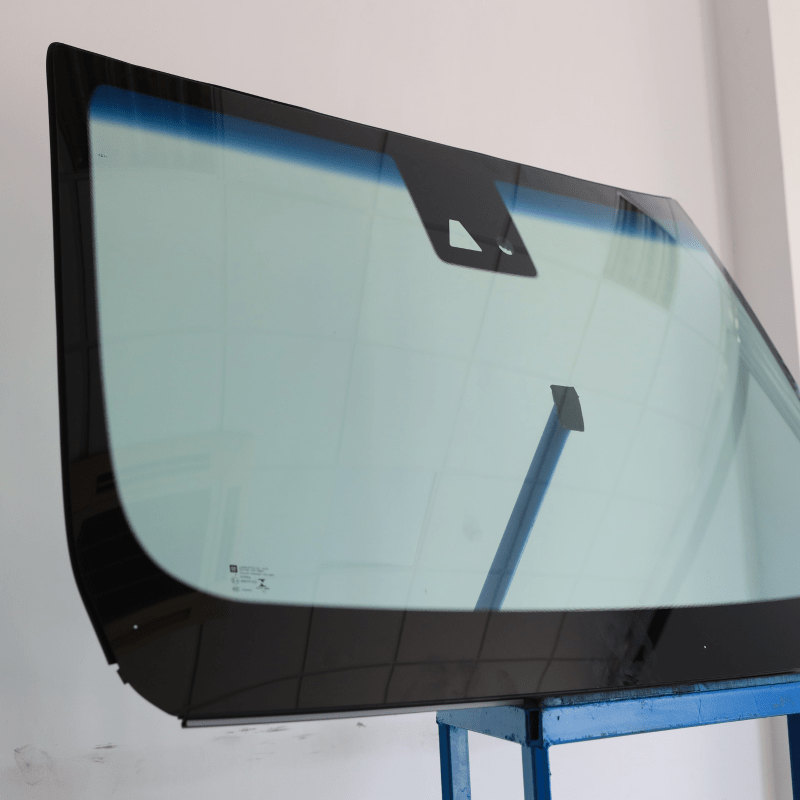
This article digs deep into the root causes of autoglass cracking, explains the physical and environmental mechanisms behind the damage, and provides actionable prevention strategies that fleet managers, vehicle owners, and industry professionals can apply immediately. Whether you are dealing with a single stress fracture or a recurring problem across a fleet, the answers lie in understanding how autoglass behaves under real-world conditions.
The Science Behind Autoglass and Its Vulnerabilities
What Autoglass Is Actually Made Of
Modern autoglass is not simply ordinary glass cut to shape. Windshields are typically made from laminated safety glass, which consists of two layers of tempered glass bonded together with a polyvinyl butyral (PVB) interlayer. Side and rear windows, by contrast, are usually made from tempered glass alone. This construction gives autoglass its strength, but it also introduces specific failure points that can be triggered by a variety of stressors.
The laminated structure of a windshield is designed to hold together upon impact, preventing large shards from injuring occupants. However, the bond between layers and the surface tension of the glass itself can be compromised over time. Even microscopic surface scratches or edge chips can become initiation points for cracks when additional stress is applied. This is why seemingly minor damage to autoglass should never be ignored.
Tempered glass used in side windows is processed through rapid heating and cooling, which creates compressive stress on the surface and tensile stress inside. This makes it far stronger than standard glass under uniform pressure, but it is vulnerable to sharp point impacts and edge damage. A small nick at the corner or edge of a tempered autoglass panel can cause the entire panel to shatter spontaneously — a phenomenon that surprises many vehicle owners who did not see it coming.
The Role of Glass Composition and Manufacturing Quality
Not all autoglass is manufactured to the same standard. Variations in silica purity, tempering consistency, and lamination quality directly affect how resistant a piece of autoglass is to cracking under stress. Lower-quality glass may contain internal impurities or uneven thickness that creates localized weak spots. When thermal or mechanical stress is applied, these weak spots are the first to fail.
Edge finishing is another manufacturing variable that matters enormously. Poorly finished edges on autoglass panels are far more susceptible to crack initiation than precisely ground and polished edges. During installation, if the glass is cut or trimmed on-site without proper equipment, the risk of edge-initiated cracking increases significantly. This is one reason why sourcing autoglass from quality-controlled manufacturers and ensuring professional installation are both critical to long-term durability.
Primary Causes of Autoglass Cracking
Thermal Stress and Rapid Temperature Changes
Thermal stress is one of the most common and least appreciated causes of autoglass damage. Glass expands when it heats up and contracts when it cools down. When different parts of a pane heat or cool at different rates, internal stress builds up. If that stress exceeds the material's tensile strength, a crack forms. This process is called thermal shock, and it is particularly dangerous for autoglass that already has minor chips or scratches.
A classic real-world scenario is pouring hot water on a frozen windshield on a cold morning. The sudden temperature differential between the freezing outer surface and the warm water creates an almost instantaneous thermal shock that can crack autoglass in seconds. Similarly, blasting the defroster on high immediately after starting a cold vehicle applies rapid localized heat to the inner surface while the outer surface remains cold, generating the same dangerous stress differential.
Parking patterns also play a role. A vehicle parked in direct sun on a hot day can have its autoglass surface reach temperatures well above 70°C. If the occupant immediately turns on the air conditioning and directs cold air at the windshield upon entry, the rapid cooling can stress the glass considerably. Over time, repeated thermal cycling weakens the molecular bonds in autoglass and makes cracking progressively more likely even with less extreme temperature swings.
Impact Damage from Road Debris
Road debris is responsible for a significant proportion of autoglass damage, particularly on windshields. Gravel, stones, and sand kicked up by other vehicles travel at high relative velocity and strike the autoglass surface with concentrated force. Even small particles can cause chips or star-shaped fractures at the point of impact. These are not just cosmetic issues — they are structural vulnerabilities that will grow under subsequent thermal or mechanical stress.
Highway driving is especially dangerous for autoglass because the closing speed between a vehicle and an airborne stone is much higher than on city roads. Trucks and construction vehicles are major sources of projectile debris, which is why maintaining a safe following distance behind heavy vehicles is one of the most effective behavioral strategies for protecting autoglass. The kinetic energy of an impact scales with the square of velocity, so reducing speed in high-debris environments can meaningfully reduce impact force.
Once a chip forms, the autoglass has been compromised. Vibration from the road, pressure changes at highway speeds, and temperature cycles will work at the edges of that chip constantly. What starts as a 10mm chip can spread into a 30cm crack within days or weeks depending on conditions. Prompt chip repair is therefore one of the most cost-effective maintenance decisions a vehicle owner can make to prevent full autoglass replacement.
Structural Stress and Frame Flex
Vehicle bodies are not perfectly rigid. As a vehicle is driven over uneven terrain, the chassis and body panels flex and twist slightly with every movement. Autoglass is bonded into the vehicle frame using a urethane adhesive, which creates a sealed structural connection. If the vehicle body flexes unevenly — due to a worn-out frame, improper body repair, or a chassis that was not correctly aligned after a collision — abnormal stress is transferred directly into the autoglass.
This type of cracking often appears near the corners of the windshield, where stress from frame flex concentrates. It can be misidentified as a thermal crack or impact crack, leading to repeated autoglass replacements without addressing the root cause. For fleet operators who see recurring windshield cracking in specific vehicles, a thorough frame and body inspection is warranted before simply installing another piece of autoglass.
Improper installation is a related issue. If the urethane bonding adhesive is applied unevenly, or if the installation is performed before the adhesive achieves its full cure strength, the autoglass may be held in a slightly stressed or misaligned position. Driving vibrations and body flex will then act on a pane that is already under internal stress, dramatically increasing the likelihood of stress cracking over the vehicle's service life.
Pressure Differentials and Wind Loading
Autoglass experiences pressure differentials that most drivers never consider. At highway speeds, the aerodynamic flow over a vehicle creates a zone of low pressure on the outer surface of the windshield while cabin pressure remains relatively higher. This suction effect is a constant load on autoglass during highway driving. For glass that is already chipped or has a weak edge, this repeated loading cycle accelerates crack propagation.
Slamming vehicle doors is another underestimated source of pressure-induced autoglass stress. When a door is closed forcefully with all other windows and vents sealed, the sudden pressure spike inside the cabin can be enough to stress a compromised windshield or side window. This is particularly relevant for tightly sealed modern vehicles where cabin pressurization is more pronounced. While a healthy, undamaged piece of autoglass handles this easily, one with existing chips or cracks may not.
How to Prevent Autoglass from Cracking
Behavioral and Driving Practices
Prevention begins with driver behavior. Maintaining adequate following distance behind heavy vehicles on highways dramatically reduces the frequency of stone chip impacts on autoglass. Avoiding unpaved roads when possible, or reducing speed significantly when they are unavoidable, limits both the frequency and energy of debris impacts. These simple habits extend the life of autoglass and reduce replacement costs substantially over time.
Gradual climate control use is equally important. Rather than blasting hot or cold air directly at the autoglass, allow the vehicle interior to equilibrate slowly with ambient temperature. On cold mornings, use a proper ice scraper rather than hot water, and allow the defroster to warm the glass gradually from inside rather than applying sudden concentrated heat. These practices directly reduce the thermal shock cycles that weaken autoglass over time.
Parking choices also matter. Whenever possible, park in shaded areas or covered structures to avoid extreme solar heat buildup on autoglass surfaces. In climates with heavy hail risk, covered parking is especially important since hail impacts are among the most sudden and destructive forms of autoglass damage. A small consistent habit of choosing sheltered parking can prevent major repair bills.
Inspection, Maintenance, and Timely Repair
Regular inspection of autoglass is a proactive maintenance step that pays dividends. A brief visual check of all glass surfaces during routine vehicle inspections can catch chips, scratches, or edge damage before they develop into full cracks. Many chips can be repaired quickly and inexpensively using professional resin injection, restoring the optical clarity and structural integrity of the autoglass without requiring full replacement.
For fleet managers, scheduling routine autoglass inspections as part of broader vehicle maintenance programs is a best practice that reduces total cost of ownership. Tracking which vehicles experience repeated or early autoglass cracking can also reveal patterns pointing to installation quality issues, body frame problems, or specific route hazards that can be addressed systematically. Treating autoglass maintenance reactively rather than proactively is consistently more expensive in the long run.
When replacement is necessary, choosing quality autoglass products and qualified installation professionals is non-negotiable. Autoglass that meets or exceeds OEM specifications provides the correct fit, optical performance, and structural contribution to the vehicle body. Substandard replacements may be cheaper upfront but often crack earlier and may even compromise the vehicle's passive safety performance in a collision. The value of the entire vehicle depends in part on the integrity of its autoglass.
Environmental Protection and Physical Barriers
Protective films and coatings offer an additional layer of defense for autoglass. Automotive-grade clear films applied to the windshield can absorb the energy of small stone impacts that would otherwise chip or crack unprotected glass. These films do not make autoglass indestructible, but they significantly reduce the frequency of chip formation and can slow the propagation of cracks that do form. In high-debris environments, the return on investment for such films is often realized within the first year.
Windshield sun shades are a simple and affordable tool for limiting thermal stress on parked vehicles. By blocking direct solar radiation, a sun shade can keep the inner surface of autoglass significantly cooler, reducing the temperature differential between the inner and outer glass surfaces and decreasing thermal stress. This is particularly valuable in hot climates where solar gain on parked vehicles is extreme.
Recognizing Different Crack Types and What They Indicate
Impact Cracks Versus Stress Cracks
Not all cracks in autoglass look the same, and the pattern can reveal the cause. Impact cracks typically originate from a single point and radiate outward in a star or spider-web pattern. They may be accompanied by a small pit or chip at the point of origin. These cracks are usually the result of a flying stone or other projectile and are most common on windshields at highway vehicle height — roughly level with the road surface projectile trajectory.
Stress cracks, by contrast, typically begin at the edge of the autoglass and travel inward without any central impact point. They are often straighter and longer than impact cracks and may appear seemingly out of nowhere, puzzling vehicle owners who did not experience any visible impact. Thermal stress, frame flex, or improper installation are the most common culprits. Recognizing a stress crack means the cause is structural or environmental rather than road-debris-related, which changes the prevention strategy accordingly.
Long Cracks and Their Progression
Once a crack extends beyond approximately 30cm, most professional repairers will recommend full autoglass replacement rather than repair. Long cracks compromise the structural integrity of the windshield, which is a load-bearing component in modern vehicles and contributes directly to roof crush resistance in rollover accidents. Driving with a long crack in autoglass is not just a visibility issue — it is a genuine safety risk that should be addressed urgently.
The rate at which a crack grows depends on several interacting factors: the number and amplitude of thermal cycles the autoglass experiences, the amount of vibration transmitted through the vehicle body, the presence of moisture that can enter the crack and expand during freeze-thaw cycles, and the ongoing mechanical load from vehicle flex and wind pressure. Each of these factors compounds the others, which is why a crack that seems stable for a week can suddenly extend dramatically after a single cold night or rough road section.
FAQ
Can a small chip in autoglass be repaired, or does it always need full replacement?
In many cases, a chip smaller than approximately 25mm in diameter and not located directly in the driver's line of sight can be repaired professionally using resin injection. This process restores structural integrity and prevents the chip from spreading into a longer crack. However, chips that are in the critical viewing area, near the edge of the autoglass, or that have already begun to spread into cracks are generally better addressed with full replacement to ensure safety and optical clarity.
Why does autoglass sometimes crack overnight without any apparent cause?
Overnight cracking is almost always the result of temperature-driven stress acting on a pre-existing weak point that was not yet visible to the naked eye. A microscopic chip or edge flaw can hold together during the day and then crack as temperatures drop sharply overnight, causing the glass to contract and the stress at the flaw site to exceed the material's strength. Seasonal temperature swings and freeze-thaw cycles are particularly effective at triggering this kind of delayed autoglass cracking.
Does vehicle age affect how often autoglass cracks?
Yes, older vehicles are generally more susceptible to autoglass cracking for several reasons. The vehicle body and frame may have experienced cumulative flex fatigue, leading to increased stress transfer into the glass. The urethane bonding adhesive that holds the windshield in place can degrade over many years, changing the stress distribution on the autoglass. Additionally, older autoglass may have accumulated surface micro-scratches and UV-induced degradation that reduce its resistance to crack initiation. Regular inspection and timely replacement are especially important for aging vehicles.
Is thicker autoglass always more resistant to cracking?
Thickness alone does not determine crack resistance. While thicker glass has greater absolute strength, it is also heavier and may not be suited to the structural design of a specific vehicle. More important factors include the quality of the glass composition, the precision of tempering or lamination, the quality of the edge finishing, and the correctness of the installation. A properly manufactured and installed standard-thickness autoglass panel from a reputable supplier will typically outperform a thicker piece of lower-quality or improperly installed glass in real-world durability.