
 EN
EN
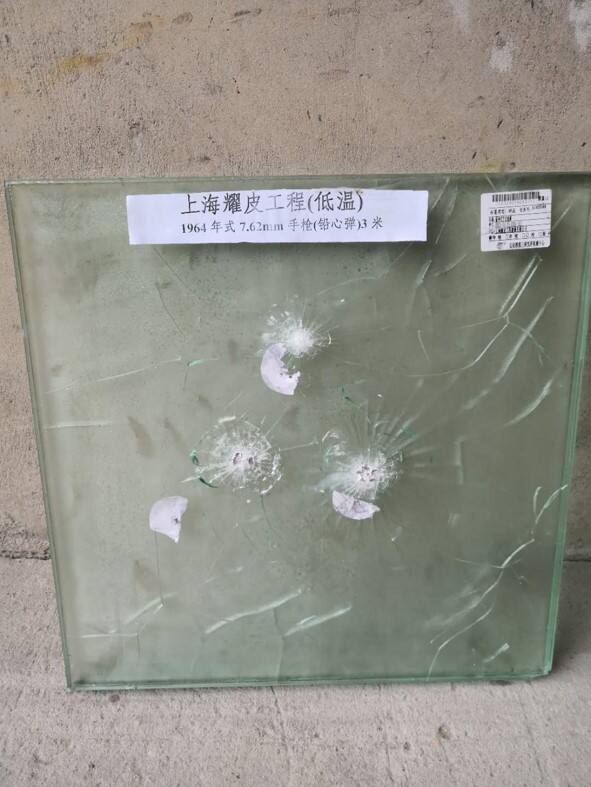
Choosing the right autoglass material is one of the most consequential decisions in vehicle manufacturing, repair, and fleet management. Whether you are sourcing replacement glass for a single vehicle or procuring materials at scale for an automotive supply chain, the quality of autoglass directly affects passenger safety, structural integrity, noise insulation, and long-term durability. Yet many buyers approach this decision without a clear framework, relying on price alone or accepting whichever product is most immediately available. Understanding the criteria that define high-quality autoglass — and knowing how to evaluate materials against those criteria — is essential for making confident, informed procurement decisions.
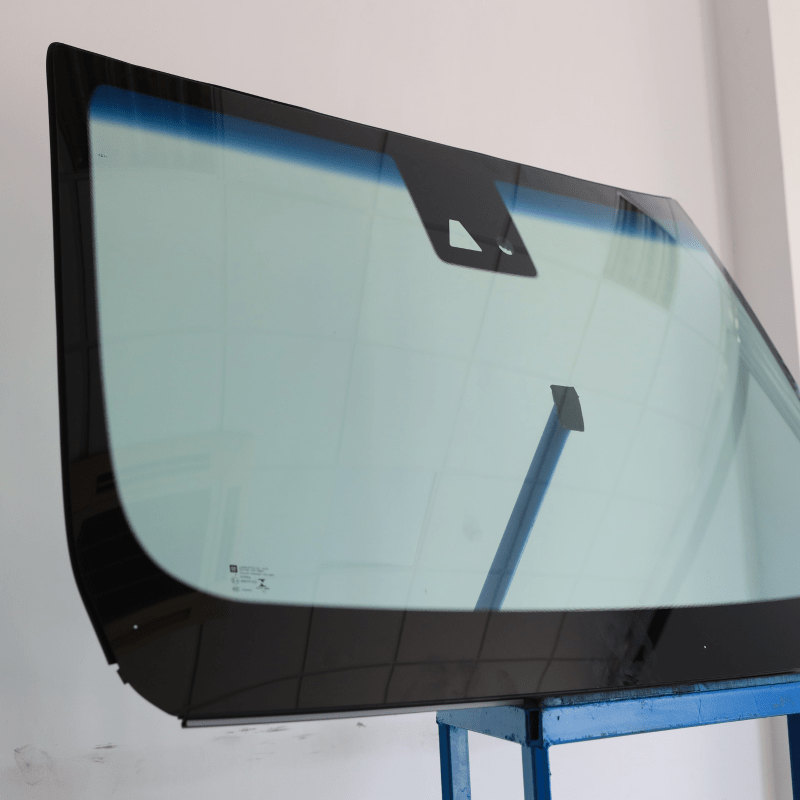
The autoglass market encompasses a wide spectrum of products, from laminated windshields to tempered side and rear glass, each designed for specific performance requirements. Not every piece of glass marketed as automotive-grade delivers consistent results under real-world stress conditions. This guide walks through the key selection factors that professionals, procurement managers, and workshop operators should evaluate when choosing autoglass materials, helping you distinguish between products that meet genuine quality standards and those that fall short under pressure.
Understanding Autoglass Types and Their Core Functions
Laminated Glass for Windshields
Laminated autoglass is the industry standard for front windshields because of its unique safety architecture. It consists of two layers of glass bonded together with a polyvinyl butyral (PVB) interlayer, which holds the glass together upon impact instead of shattering into sharp fragments. This design is critical for occupant protection during collisions, as it prevents the windshield from collapsing inward and shields passengers from glass injuries.
When evaluating laminated autoglass, buyers should pay close attention to the thickness and quality of the PVB interlayer. A thinner or lower-grade interlayer may allow the glass to separate during high-velocity impact, which defeats its primary safety purpose. Quality laminated glass also maintains clarity over time without developing yellowing or delamination, both of which indicate poor interlayer adhesion and reduced optical performance.
The optical distortion level of laminated autoglass is another critical factor. High-quality windshields must meet strict distortion limits to ensure driver visibility is not compromised. Any visible waviness, bubbling, or optical aberration in the glass surface is a sign of inadequate manufacturing control and should disqualify a product from consideration in safety-critical applications.
Tempered Glass for Side and Rear Windows
Tempered autoglass is produced through a controlled thermal process that strengthens the glass significantly compared to standard annealed glass. When tempered glass breaks, it fractures into small, blunt granules rather than jagged shards, reducing the risk of serious laceration injuries. This makes it the appropriate choice for side windows, rear windows, and sunroofs where laminated construction is typically not used.
The tempering process must be precisely controlled to achieve uniform stress distribution throughout the glass. Poorly tempered autoglass may exhibit inconsistent stress patterns, which can cause spontaneous breakage under thermal fluctuation or minor mechanical stress — a particularly dangerous scenario in fleet vehicles or in regions with extreme temperature variation.
Surface quality is equally important in tempered autoglass. Scratches, inclusions, or edge defects introduced during the cutting and tempering phases create stress concentration points that significantly reduce the material's effective strength. Buyers should verify that the manufacturing process includes edge grinding and surface inspection protocols before accepting delivery.
Key Quality Indicators to Evaluate Before Purchase
Compliance with International Safety Standards
Any credible autoglass product should comply with established international safety standards. In different global markets, these may include ECE Regulation 43 in Europe, ANSI Z26.1 in North America, or equivalent national standards in other regions. These regulations define minimum requirements for optical quality, impact resistance, abrasion resistance, and thermal stability — all of which are non-negotiable for road-legal vehicles.
Before committing to a supplier, request documentation confirming that their autoglass products have been independently tested and certified to applicable standards. Reputable manufacturers maintain up-to-date certification records and are transparent about which standards their products meet. A lack of certification documentation should raise immediate concerns about product traceability and quality control.
Certification alone, however, is not a complete quality guarantee. The manufacturing environment and process consistency matter just as much as test results. Look for autoglass suppliers who operate under ISO 9001-certified quality management systems, which ensures that quality controls are embedded throughout production rather than applied only at the final inspection stage.
Visual and Dimensional Inspection Criteria
Physical inspection of autoglass samples before bulk procurement is a practical step that many buyers overlook. The glass surface should be visually free from bubbles, inclusions, scratches, or milky spots when examined under direct light. The edges should be cleanly cut and either polished or ground to remove micro-fractures that could propagate under stress.
Dimensional accuracy is critical for fit and function. Autoglass that does not conform precisely to the vehicle's aperture dimensions will create sealing problems, wind noise, and potential water ingress. For OEM-equivalent replacements, dimensional tolerances should be within tenths of a millimeter to ensure proper bonding and weatherstrip engagement.
In laminated autoglass, inspect the interlayer edge seal carefully. Any discoloration, moisture ingress, or separation at the perimeter indicates inadequate edge treatment, which will accelerate delamination in humid or high-temperature environments. A well-manufactured laminated panel should show a clean, uniform edge with no evidence of moisture intrusion or adhesive breakdown.
Material Composition and Manufacturing Process Considerations
Glass Composition and Clarity Grade
The base glass composition used in autoglass production significantly affects its optical performance and durability. High-quality automotive glass is typically produced using float glass technology, which creates a uniformly flat, optically pure surface by floating molten glass on a bath of molten tin. This process eliminates surface irregularities that older glass-making methods could introduce.
The iron content in the glass batch formula also matters. High-iron glass has a noticeable green tint and slightly reduced light transmission, while low-iron or ultra-clear glass formulations offer superior clarity. For windshields in particular, low-iron autoglass with high visible light transmittance is preferred because it reduces color distortion, improves driver visibility, and supports the effectiveness of advanced driver assistance system (ADAS) cameras mounted behind the glass.
Some premium autoglass products incorporate functional coatings such as UV-blocking layers, infrared-rejecting films, or acoustic-dampening interlayers. These additions can significantly enhance passenger comfort and vehicle energy efficiency, but they must be properly integrated during the manufacturing phase rather than applied as aftermarket modifications, which often result in adhesion failures over time.
Consistency Across Production Batches
For buyers procuring autoglass in volume, batch-to-batch consistency is a critical performance indicator. Even if individual samples meet quality standards, inconsistency between batches creates installation complications, warranty issues, and unpredictable service life. Reputable manufacturers implement statistical process control (SPC) to monitor key quality parameters continuously throughout production.
Request batch traceability records when purchasing autoglass in quantity. These records should allow you to trace any given unit back to its raw material source, production date, and quality inspection results. Traceability is particularly important for fleet operators and automotive repair networks where consistent part quality is directly tied to customer satisfaction and safety accountability.
Packaging and handling protocols also reflect manufacturing quality culture. High-quality autoglass should arrive with proper edge protection, interleaving paper or foam between sheets, and moisture-resistant packaging. Poor packaging leads to transport damage, edge chips, and surface scratches that compromise the integrity of otherwise well-manufactured glass.
Functional Performance Factors That Define Long-Term Value
Thermal and Acoustic Performance
Modern autoglass is expected to contribute actively to the vehicle's thermal management and noise control. Acoustic interlayer technology in laminated glass can reduce cabin noise levels by several decibels, which is increasingly important as electric vehicles and premium passenger cars demand quieter interiors. When evaluating autoglass for these applications, request the acoustic performance data measured in accordance with standardized test methods.
Thermal performance is equally relevant. Glass with solar control coatings can reject a significant portion of infrared radiation, reducing interior heat buildup and decreasing the load on the vehicle's air conditioning system. This directly translates to fuel savings in combustion vehicles and extended battery range in electric vehicles. Verify that any thermal performance claims are backed by third-party test data rather than marketing language alone.
For autoglass installed in regions with extreme climatic conditions — whether extreme heat, freezing cold, or high humidity — the material's thermal expansion behavior and moisture resistance must be carefully validated. Laminated glass that performs adequately in temperate conditions may develop interlayer bubbling or edge seal failure under sustained thermal stress in harsher environments.
Compatibility with ADAS and Embedded Vehicle Technologies
As vehicles become increasingly sophisticated, the autoglass must integrate seamlessly with technologies embedded within or adjacent to it. Front windshields now routinely incorporate camera brackets for lane departure warning systems, rain sensors, heads-up display (HUD) zones, antenna defogging elements, and acoustic sensor attachment points. The glass must be manufactured with precise cutout locations and coating-free zones that exactly match the vehicle's OEM specifications.
Choosing autoglass that does not account for ADAS compatibility can result in camera recalibration failures, sensor malfunctions, or reduced system accuracy — all of which create liability issues and potentially compromise road safety. When sourcing replacement autoglass for ADAS-equipped vehicles, always verify that the product includes the correct pre-installed hardware mounting provisions and that the optical clarity in the camera zone meets OEM requirements.
HUD compatibility is another increasingly important specification. Windshields designed for heads-up display must be manufactured with a precisely controlled wedge angle within the laminate structure to prevent double-image projection. Standard windshields without this feature will produce ghost images when used with HUD systems, making them unsuitable as quality replacements for equipped vehicles. Always confirm these specifications before finalizing an autoglass procurement decision.
FAQ
What is the most important factor when choosing autoglass quality?
Safety compliance is the most foundational factor. Any autoglass material must meet the applicable regional safety standard for the intended vehicle type and application. Beyond compliance, optical clarity, manufacturing consistency, and compatibility with vehicle-specific features like ADAS cameras or HUD systems are the next most critical quality dimensions to evaluate before purchasing.
How can I verify that autoglass meets OEM-equivalent standards?
Request third-party certification documents from the supplier, confirming that their autoglass has been tested against the relevant standards such as ECE R43 or ANSI Z26.1. Additionally, check whether the manufacturer operates under an ISO 9001-certified quality management system, which ensures consistent quality controls across production batches rather than sporadic testing alone.
Does autoglass quality affect ADAS system performance?
Yes, significantly. Autoglass that does not match OEM optical specifications in the camera zone can cause ADAS sensors to malfunction or require frequent recalibration. For vehicles equipped with lane departure warning, forward collision detection, or traffic sign recognition systems, using the correct specification autoglass is essential for maintaining the accuracy and reliability of those safety features.
What are the signs of poor-quality autoglass at the time of inspection?
Common indicators of poor-quality autoglass include visible optical distortion when viewed against a uniform background, bubbles or inclusions within the glass body, discoloration or separation at the laminate edges, rough or unchipped cut edges, and inconsistent dimensions that prevent proper fitment. Any of these defects should prompt rejection of the product before installation, as they indicate manufacturing deficiencies that cannot be remediated after the fact.