Premium Front Windshield Glass - Advanced Safety Technology & Superior Optical Performance

All Categories
Get a Quote

Get a Free Quote

Our representative will contact you soon.
Email
Name
Company Name
Products
Message
0/1000

front windshield glass

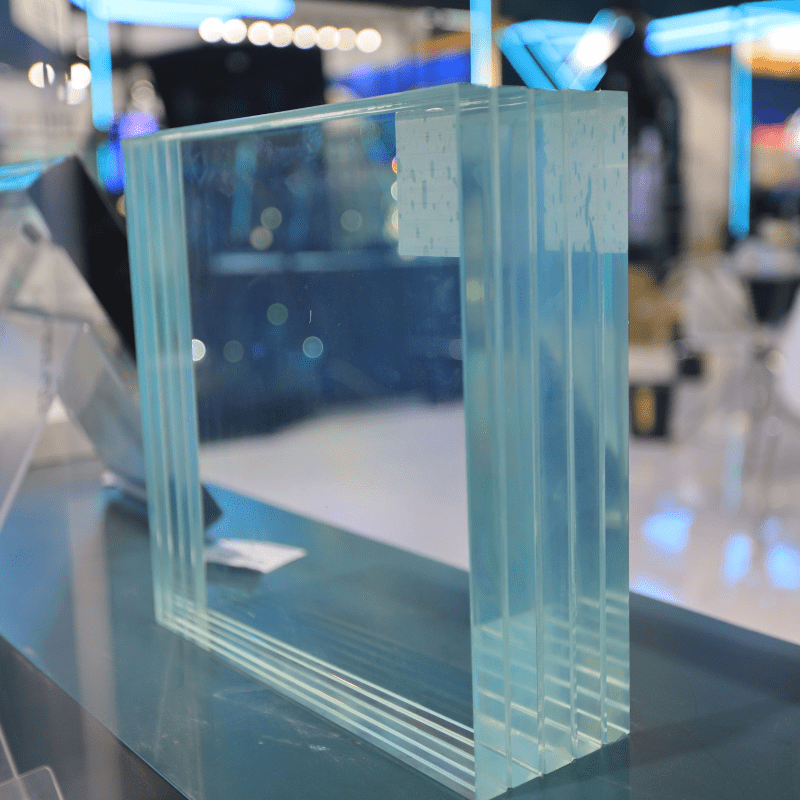
The front windshield glass serves as a critical safety barrier and structural component in modern vehicles, providing essential protection while maintaining optimal visibility for drivers. This specialized automotive glass consists of laminated safety glass, typically featuring two layers of tempered glass bonded together with a polyvinyl butyral (PVB) interlayer. The front windshield glass performs multiple vital functions including shielding occupants from wind, rain, debris, and insects while driving. Beyond basic protection, this engineered component contributes significantly to the vehicle's structural integrity, supporting the roof during rollover incidents and ensuring proper airbag deployment. Modern front windshield glass incorporates advanced technological features such as UV protection, which blocks harmful ultraviolet rays that can damage skin and interior materials. Many contemporary windshields include heating elements for defrosting and defogging capabilities, improving visibility during adverse weather conditions. The optical quality of front windshield glass meets stringent automotive standards, providing distortion-free vision essential for safe driving. Installation techniques have evolved to create seamless integration with vehicle frames, utilizing specialized adhesives that cure to form permanent bonds. The front windshield glass also accommodates various technological integrations including rain sensors, heads-up display projections, and embedded antennas for GPS and cellular communications. Manufacturing processes ensure consistent thickness and optical clarity while meeting impact resistance requirements. Quality control measures verify that each front windshield glass unit can withstand specified stress loads and temperature variations. Applications extend beyond standard passenger vehicles to include commercial trucks, buses, recreational vehicles, and specialty automotive applications. The front windshield glass design considers aerodynamic factors that affect fuel efficiency and wind noise reduction, contributing to overall vehicle performance and passenger comfort.

Popular Products

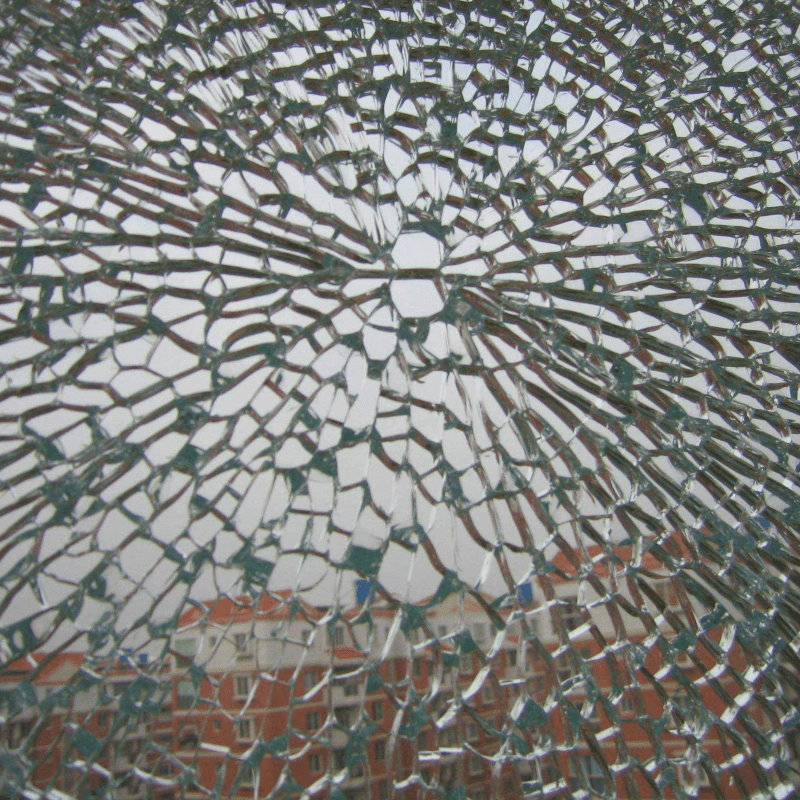
The front windshield glass offers numerous practical benefits that directly impact driver safety, comfort, and vehicle performance. Primary advantages include exceptional impact resistance, which protects occupants from flying debris, stones, and other road hazards that could cause serious injuries. The laminated construction of front windshield glass ensures that even when cracked, the glass remains intact rather than shattering into dangerous fragments. This safety feature proves invaluable during accidents, preventing glass shards from injuring passengers while maintaining structural support for the vehicle cabin. Weather protection represents another significant advantage, as the front windshield glass creates a sealed barrier against rain, snow, wind, and extreme temperatures. Drivers experience improved comfort and reduced fatigue when protected from harsh environmental conditions. The optical clarity of properly manufactured front windshield glass enhances driving safety by providing clear, undistorted vision across the entire viewing area. Anti-glare properties reduce eye strain during bright sunlight or nighttime driving with oncoming headlights. Many front windshield glass units include built-in UV protection that blocks up to 99 percent of harmful ultraviolet radiation, protecting both occupants and interior materials from sun damage and fading. This feature contributes to maintaining vehicle value and reducing health risks associated with prolonged sun exposure. Energy efficiency benefits emerge from advanced coatings that help regulate cabin temperature, reducing air conditioning load and improving fuel economy. The structural contribution of front windshield glass to vehicle safety cannot be understated, as it provides critical support during roof crush scenarios and ensures proper airbag function. Modern installation techniques create permanent bonds that distribute crash forces throughout the vehicle frame. Maintenance advantages include resistance to scratching and chemical damage from cleaning products and environmental contaminants. The smooth surface of front windshield glass facilitates easy cleaning and reduces the accumulation of dirt and insects. Technological integration capabilities allow front windshield glass to support advanced driver assistance systems, including lane departure warnings and collision avoidance systems. Acoustic benefits include reduced wind noise and improved cabin quietness, enhancing the overall driving experience. The durability of front windshield glass ensures long-term performance with minimal maintenance requirements, providing excellent value for vehicle owners.

Practical Tips

Choosing the Right Architectural Glass: Expert Tips

27

Nov

Choosing the Right Architectural Glass: Expert Tips

Choosing the Right Architectural Glass: Expert Tips The selection of architectural glass plays a crucial role in modern building design, impacting everything from energy efficiency to aesthetic appeal. As construction technology advances, the importa...
View More
Types of Solar Glass: A Comprehensive Comparison

12

Dec

Types of Solar Glass: A Comprehensive Comparison

Solar glass represents a revolutionary advancement in renewable energy technology, transforming how we harness and utilize solar power. This specialized glass material serves as the protective front cover for photovoltaic panels and solar thermal col...
View More
Benefits of Low-E Coated Glass: Energy Savings Guide

12

Dec

Benefits of Low-E Coated Glass: Energy Savings Guide

Energy efficiency has become a critical consideration for modern building design, with coated glass emerging as one of the most effective solutions for reducing energy consumption while maintaining optimal comfort levels. This advanced glazing techno...
View More
Power Glass vs Regular Glass: What's the Difference?

20

Jan

Power Glass vs Regular Glass: What's the Difference?

The construction and architectural industries have witnessed remarkable innovations in glass technology over recent decades. Among these breakthroughs, power glass stands out as a revolutionary material that transforms traditional building concepts. ...
View More

Get a Free Quote

Our representative will contact you soon.
Email
Name
Company Name
Products
Message
0/1000

front windshield glass

Advanced Safety Technology Integration

Advanced Safety Technology Integration

Modern front windshield glass represents a sophisticated platform for integrating cutting-edge safety technologies that enhance driver awareness and accident prevention capabilities. The advanced safety technology integration begins with heads-up display compatibility, where the front windshield glass surface serves as a projection screen for critical driving information including speed, navigation directions, and warning alerts. This technology allows drivers to access essential data without taking their eyes off the road, significantly reducing distraction-related accidents. Rain sensing capabilities embedded within the front windshield glass automatically detect moisture levels and adjust wiper speeds accordingly, ensuring optimal visibility during changing weather conditions. The front windshield glass also accommodates lane departure warning systems through embedded sensors that monitor road markings and alert drivers when unintentional lane changes occur. Collision avoidance integration represents another crucial safety feature, where front windshield glass supports forward-facing cameras and radar systems that detect potential obstacles and initiate emergency braking procedures when necessary. The optical precision required for these systems demands exceptional clarity and minimal distortion from the front windshield glass, ensuring accurate sensor readings and reliable system performance. Advanced driver assistance system compatibility extends to adaptive cruise control functionality, where front windshield glass mounted sensors monitor traffic patterns and automatically adjust vehicle speed to maintain safe following distances. Night vision enhancement capabilities utilize specialized coatings on front windshield glass that improve visibility in low-light conditions, helping drivers identify pedestrians, animals, and road hazards more effectively. The structural integrity of front windshield glass ensures that integrated safety systems remain properly positioned and functional even after minor impacts or vibrations. Quality assurance protocols verify that technological integrations do not compromise the fundamental safety properties of front windshield glass, maintaining crash protection standards while enabling advanced features. Installation procedures for technology-enhanced front windshield glass require specialized calibration to ensure proper sensor alignment and system functionality, representing a significant advancement in automotive safety engineering.
Superior Optical Performance and Visibility

Superior Optical Performance and Visibility

The superior optical performance and visibility characteristics of front windshield glass directly contribute to enhanced driving safety and reduced accident risks through precision engineering and advanced manufacturing techniques. Optical clarity standards for front windshield glass exceed those of standard glass products, ensuring minimal distortion across the entire viewing surface and providing drivers with accurate depth perception and spatial awareness. The manufacturing process utilizes float glass technology that creates perfectly smooth surfaces free from optical defects, waves, or irregularities that could impair vision or cause eye strain during extended driving periods. Anti-reflective treatments applied to front windshield glass surfaces reduce glare from sunlight and artificial lighting, enabling drivers to maintain clear vision during challenging lighting conditions such as dawn, dusk, or nighttime driving with oncoming headlights. The curvature design of front windshield glass follows precise specifications that eliminate optical distortion while maintaining aerodynamic efficiency and structural strength requirements. Quality control measures include rigorous testing for optical transmission properties, ensuring that front windshield glass allows maximum light penetration while filtering harmful ultraviolet radiation that can damage eyes and skin. The laminated construction of front windshield glass provides superior optical stability compared to single-layer alternatives, preventing optical distortion that can occur from thermal expansion or mechanical stress. Hydrophobic coatings available on premium front windshield glass create water-repelling surfaces that improve visibility during rain by causing water droplets to bead and roll off quickly, reducing the need for frequent wiper activation. The thermal properties of front windshield glass prevent fogging and condensation through uniform heat distribution and moisture control, maintaining clear visibility in humid conditions or temperature variations. Edge finishing techniques ensure smooth transitions between the front windshield glass and vehicle frame, eliminating visual obstructions and maintaining uninterrupted sight lines for optimal peripheral vision. Scratch resistance properties protect the optical integrity of front windshield glass from environmental damage, road debris, and cleaning procedures, ensuring long-term clarity and visibility performance. Specialized tinting options provide glare reduction while maintaining legal light transmission requirements, offering customizable visibility enhancement based on individual preferences and driving conditions.
Enhanced Structural Integrity and Durability

Enhanced Structural Integrity and Durability

The enhanced structural integrity and durability of front windshield glass establish it as a fundamental safety component that contributes significantly to overall vehicle crashworthiness and occupant protection systems. Structural engineering principles govern the design of front windshield glass, ensuring it provides critical support to the vehicle's roof structure during rollover scenarios and maintains cabin integrity under extreme loading conditions. The laminated construction utilizes multiple glass layers bonded with advanced polymer interlayers that create a composite structure stronger than traditional single-layer glass alternatives, distributing impact forces across the entire surface area to prevent catastrophic failure. Impact resistance testing validates that front windshield glass can withstand specified projectile impacts without penetration, protecting occupants from debris while maintaining optical clarity in undamaged areas. The adhesive bonding system used for front windshield glass installation creates a permanent structural connection that transfers crash loads directly to the vehicle frame, contributing up to 30 percent of the roof's structural strength in some vehicle designs. Temperature cycling durability ensures front windshield glass maintains its structural properties across extreme temperature ranges from arctic cold to desert heat, preventing thermal stress failures that could compromise safety. Fatigue resistance characteristics allow front windshield glass to endure millions of vibration cycles from road conditions and engine operation without developing stress fractures or structural weakening. The edge treatment and finishing processes strengthen the perimeter of front windshield glass where stress concentrations typically occur, utilizing advanced grinding and polishing techniques that eliminate potential failure initiation points. Chemical resistance properties protect front windshield glass from environmental contaminants, cleaning agents, and atmospheric pollutants that could degrade the structural integrity over time. Quality assurance protocols include destructive testing of sample units to verify that production front windshield glass meets or exceeds safety standards for penetration resistance, impact absorption, and structural contribution requirements. Long-term durability testing simulates years of environmental exposure to validate that front windshield glass maintains its protective properties throughout the vehicle's expected service life. The manufacturing tolerances for front windshield glass ensure consistent fitment and performance across different production batches, maintaining structural integrity standards regardless of when or where the glass was produced.

Get a Free Quote

Our representative will contact you soon.
Email
Name
Company Name
Products
Message
0/1000
Newsletter
Contact Us