
 EN
EN
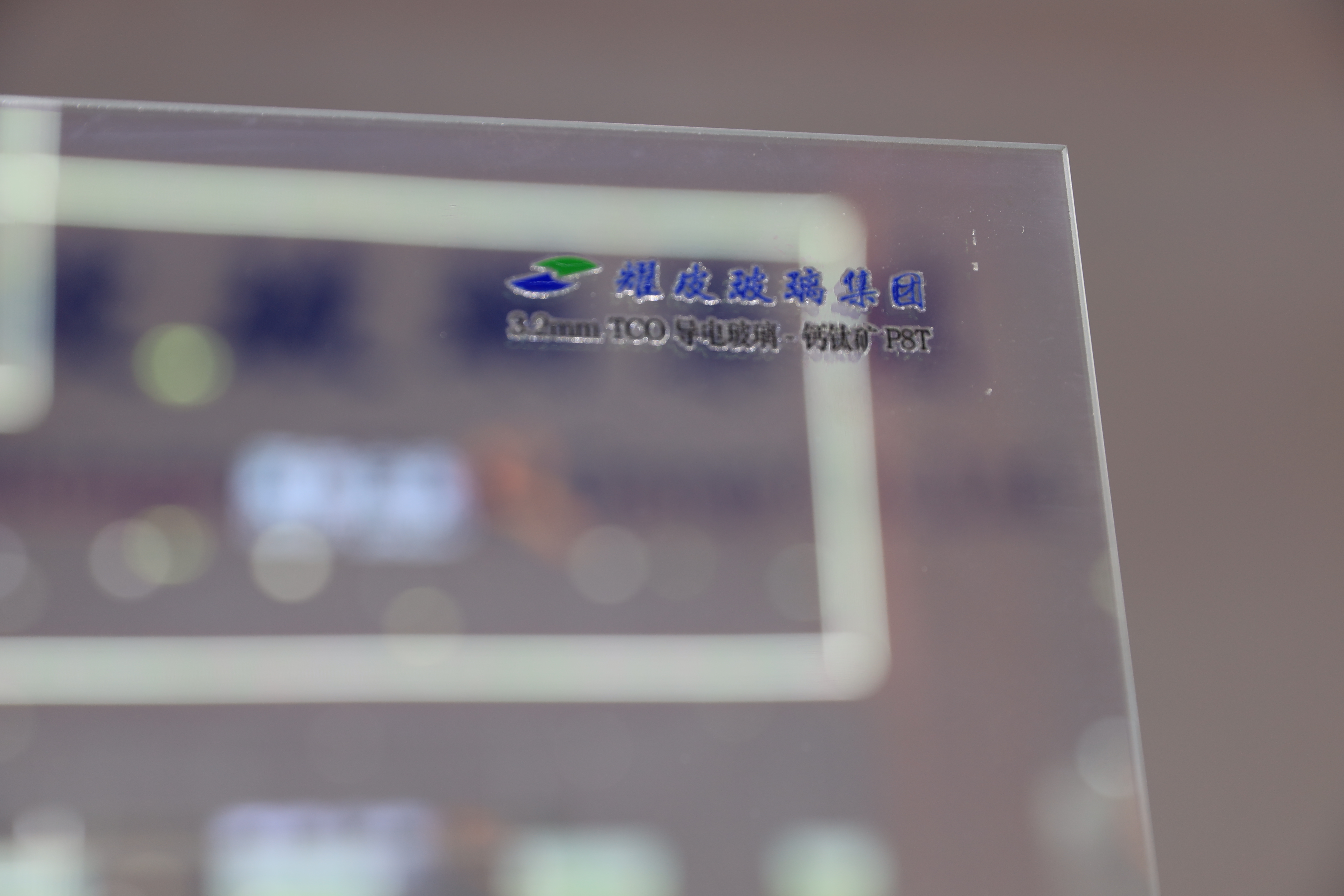
Selecting the right transparent conductive substrate is a critical decision that can determine the success or failure of your electronic or solar project. TCO glass represents a specialized solution with unique properties that make it ideal for specific applications, but knowing when to choose this technology requires understanding its distinct advantages and optimal use scenarios.
The decision to implement TCO glass should be based on specific performance requirements, environmental conditions, and project constraints. This transparent conductive oxide coating technology offers exceptional optical transparency combined with electrical conductivity, making it invaluable for applications where both properties are essential. Understanding the precise timing and conditions for TCO glass selection ensures optimal project outcomes and cost-effectiveness.
Project Requirements That Signal TCO Glass Selection
High Optical Transmission Needs
When your project demands maximum light transmission while maintaining electrical conductivity, TCO glass becomes the preferred choice. Applications requiring over 85% visible light transmission typically benefit from TCO glass implementation. Solar cell manufacturers often choose TCO glass when developing high-efficiency photovoltaic modules where every percentage point of light transmission directly impacts energy conversion rates.
Display technologies requiring pristine optical clarity also indicate TCO glass suitability. Touch screen applications, LED lighting systems, and architectural glazing projects where visual aesthetics cannot be compromised often necessitate TCO glass selection. The superior optical properties ensure minimal interference with intended visual or lighting performance.
Electrical Conductivity Without Visual Compromise
Projects requiring uniform electrical conductivity across large surface areas while maintaining transparency benefit significantly from TCO glass technology. Anti-static applications in sensitive electronic environments often require this combination of properties. When conventional conductive materials would obstruct vision or light transmission, tco glass provides the ideal solution.
Heating applications that must remain visually unobtrusive also signal TCO glass selection timing. Automotive defrosting systems, architectural heating elements, and greenhouse climate control systems benefit from the invisible heating capability that TCO glass provides. The electrical resistance characteristics enable controlled heating without visual impairment.
Environmental Durability Requirements
Harsh environmental conditions often necessitate TCO glass selection due to its superior chemical and thermal stability. Outdoor applications exposed to UV radiation, temperature fluctuations, and moisture require materials that maintain performance over extended periods. TCO glass demonstrates exceptional resistance to environmental degradation compared to alternative transparent conductive materials.
Marine environments, industrial settings, and extreme climate applications frequently require TCO glass durability. The oxide coating structure provides inherent corrosion resistance and thermal cycling tolerance that ensures long-term reliability. Projects expecting 20-year or longer service life in challenging conditions often determine TCO glass as the optimal choice.
Application-Specific Selection Criteria
Solar Energy System Requirements
Solar panel applications represent prime scenarios for TCO glass selection, particularly when efficiency optimization is paramount. Thin-film photovoltaic technologies frequently require TCO glass substrates to achieve target power conversion rates. The material enables maximum solar radiation transmission while providing necessary electrical collection pathways.
Building-integrated photovoltaic projects often determine TCO glass selection based on aesthetic requirements combined with energy performance needs. When solar installations must blend seamlessly with architectural design while maintaining electrical functionality, TCO glass becomes essential. The transparent nature allows building occupants to maintain views while generating renewable energy.
Electronic Display Applications
Touch-sensitive display technologies frequently require TCO glass when capacitive sensing must operate through transparent substrates. Large-format displays, interactive kiosks, and professional presentation systems often necessitate TCO glass for reliable touch detection. The uniform electrical properties ensure consistent responsiveness across the entire display surface.
LED backlighting systems also indicate TCO glass selection when uniform light distribution is critical. The material enables precise electrical control over lighting zones while maintaining optical transparency. Projects requiring variable brightness control or color temperature adjustment often benefit from TCO glass integration.
Smart Glass and Switchable Applications
Electrochromic and liquid crystal smart glass technologies typically require TCO glass substrates for electrical switching functionality. Privacy glass installations, automotive applications, and energy-efficient building systems often determine TCO glass selection based on switching performance requirements. The material provides the necessary electrical infrastructure for controllable transparency.
Variable transmission applications in research facilities, medical environments, and security installations frequently require TCO glass capabilities. When projects need instant optical property changes controlled by electrical signals, TCO glass selection becomes essential for reliable switching performance.
Technical Performance Thresholds
Sheet Resistance Requirements
Projects requiring specific electrical resistance values often determine TCO glass selection based on available sheet resistance options. Applications needing resistance values between 5-50 ohms per square typically find TCO glass optimal for their requirements. Lower resistance applications may require specialized TCO glass variants or alternative approaches.
Uniform resistance distribution across large substrates also indicates TCO glass suitability. When electrical performance must remain consistent across square meters of surface area, TCO glass provides superior uniformity compared to many alternative solutions. Quality control requirements often drive TCO glass selection in precision applications.
Temperature Performance Specifications
High-temperature processing requirements frequently necessitate TCO glass selection due to its thermal stability characteristics. Applications involving temperatures above 300°C during manufacturing or operation often require TCO glass properties. Solar cell processing, glass tempering, and industrial heating applications benefit from this thermal tolerance.
Thermal cycling performance also influences TCO glass selection timing. Projects expecting repeated temperature changes without performance degradation often require the superior thermal shock resistance that TCO glass provides. Automotive, aerospace, and outdoor electronics applications frequently determine TCO glass based on thermal cycling requirements.
Chemical Compatibility Needs
Chemical processing environments often require TCO glass selection due to its chemical inertness and corrosion resistance. Laboratory equipment, industrial process monitoring, and chemical storage applications benefit from the material's stability in aggressive chemical environments. When conventional conductive materials would degrade, TCO glass maintains performance.
Cleaning and maintenance requirements also influence TCO glass selection. Applications requiring frequent cleaning with aggressive solvents or sanitizing agents often determine TCO glass as the optimal choice. The chemical resistance ensures long-term reliability despite harsh cleaning protocols.
Economic and Lifecycle Considerations
Cost-Benefit Analysis Timing
Large-scale projects often justify TCO glass selection when volume pricing makes the technology cost-competitive with alternatives. Manufacturing facilities, commercial installations, and infrastructure projects frequently reach economic thresholds where TCO glass becomes financially attractive. Volume considerations often drive the timing of TCO glass adoption.
Lifecycle cost analysis frequently favors TCO glass selection in applications with extended service requirements. When replacement costs, maintenance expenses, and performance degradation are factored over project lifetime, TCO glass often demonstrates superior economic value. Long-term facility planning often determines optimal TCO glass selection timing.
Supply Chain Readiness
Manufacturing capability and supply chain maturity influence TCO glass selection timing for commercial projects. When reliable supply sources, consistent quality control, and delivery schedules align with project requirements, TCO glass becomes a viable option. Market readiness often determines when projects can successfully integrate TCO glass technology.
Technical support availability also affects TCO glass selection timing. Projects requiring specialized processing knowledge, application engineering, or troubleshooting support benefit when comprehensive technical resources are available. Service infrastructure maturity frequently influences optimal adoption timing.
FAQ
What specific applications most commonly require TCO glass?
Solar panels, touch screens, smart glass systems, and LED lighting applications most frequently require TCO glass due to their need for combined optical transparency and electrical conductivity. These applications cannot achieve optimal performance with conventional conductive materials that compromise light transmission.
How do I determine if my project needs TCO glass versus alternative materials?
Evaluate your requirements for optical transmission above 80%, electrical conductivity, temperature resistance, and environmental durability. If your application needs high transparency with electrical functionality in challenging conditions, TCO glass is typically the optimal choice compared to alternatives like conductive polymers or metal meshes.
What project timeline considerations affect TCO glass selection?
TCO glass requires specialized processing and longer lead times compared to standard glass products. Plan for 8-12 weeks minimum for custom specifications and ensure your project schedule accommodates quality testing requirements. Early selection allows proper integration planning and supplier coordination.
Does project scale influence when to choose TCO glass?
Yes, larger projects often justify TCO glass selection due to volume pricing advantages and the ability to absorb specialized tooling costs. Small prototype applications may find alternative materials more cost-effective initially, while commercial-scale implementations typically benefit from TCO glass performance and economics.